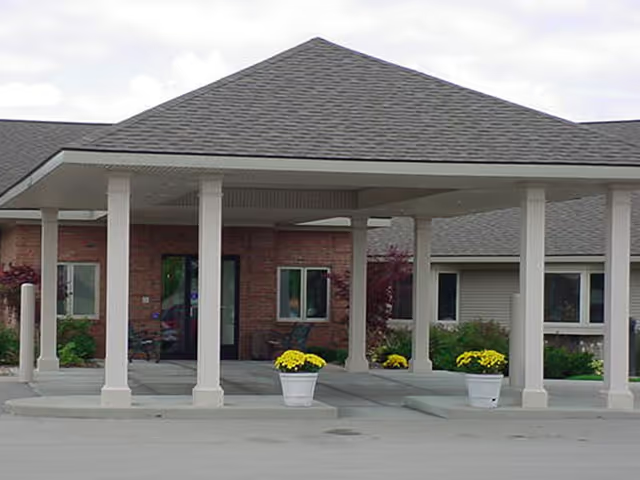
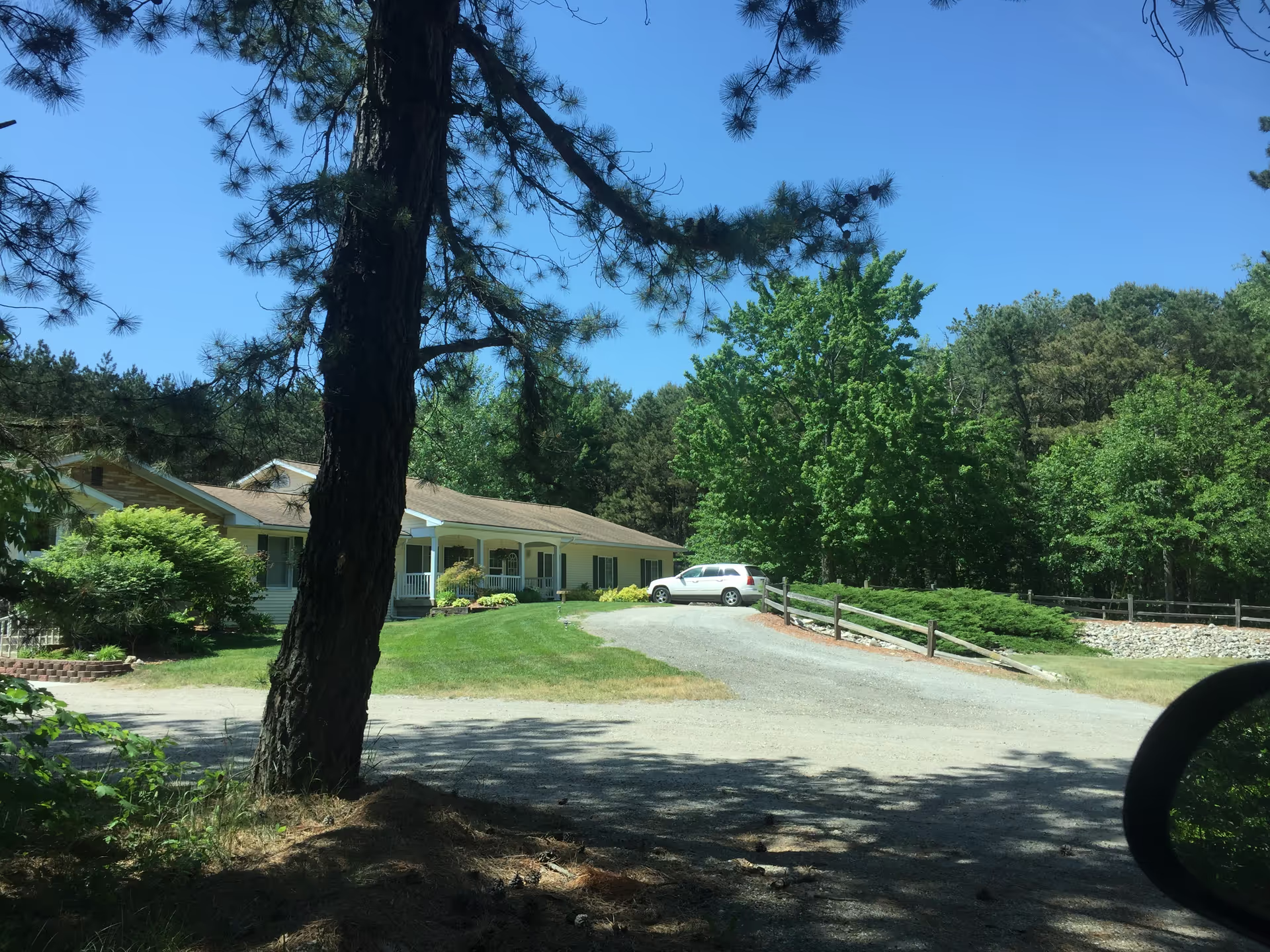
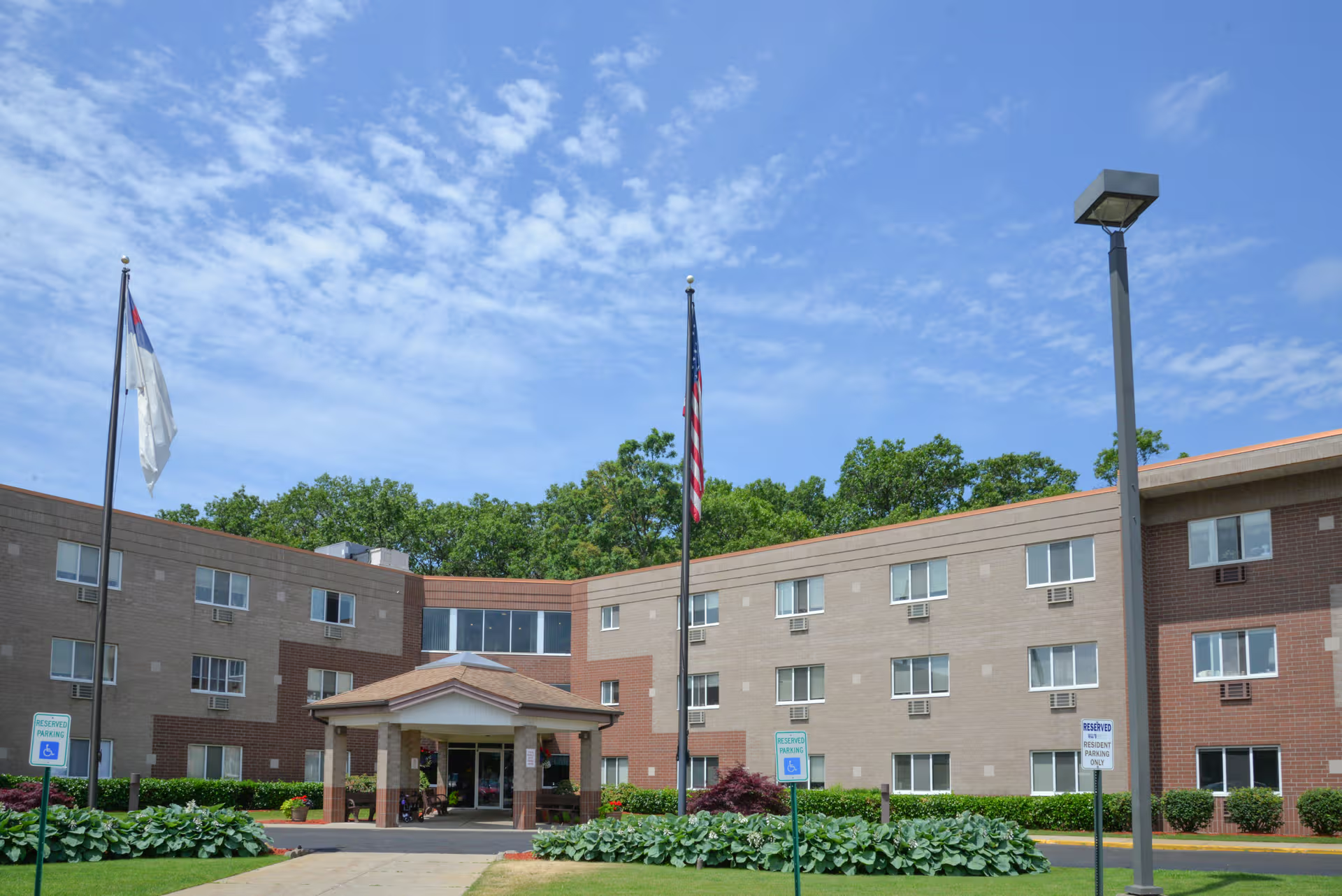
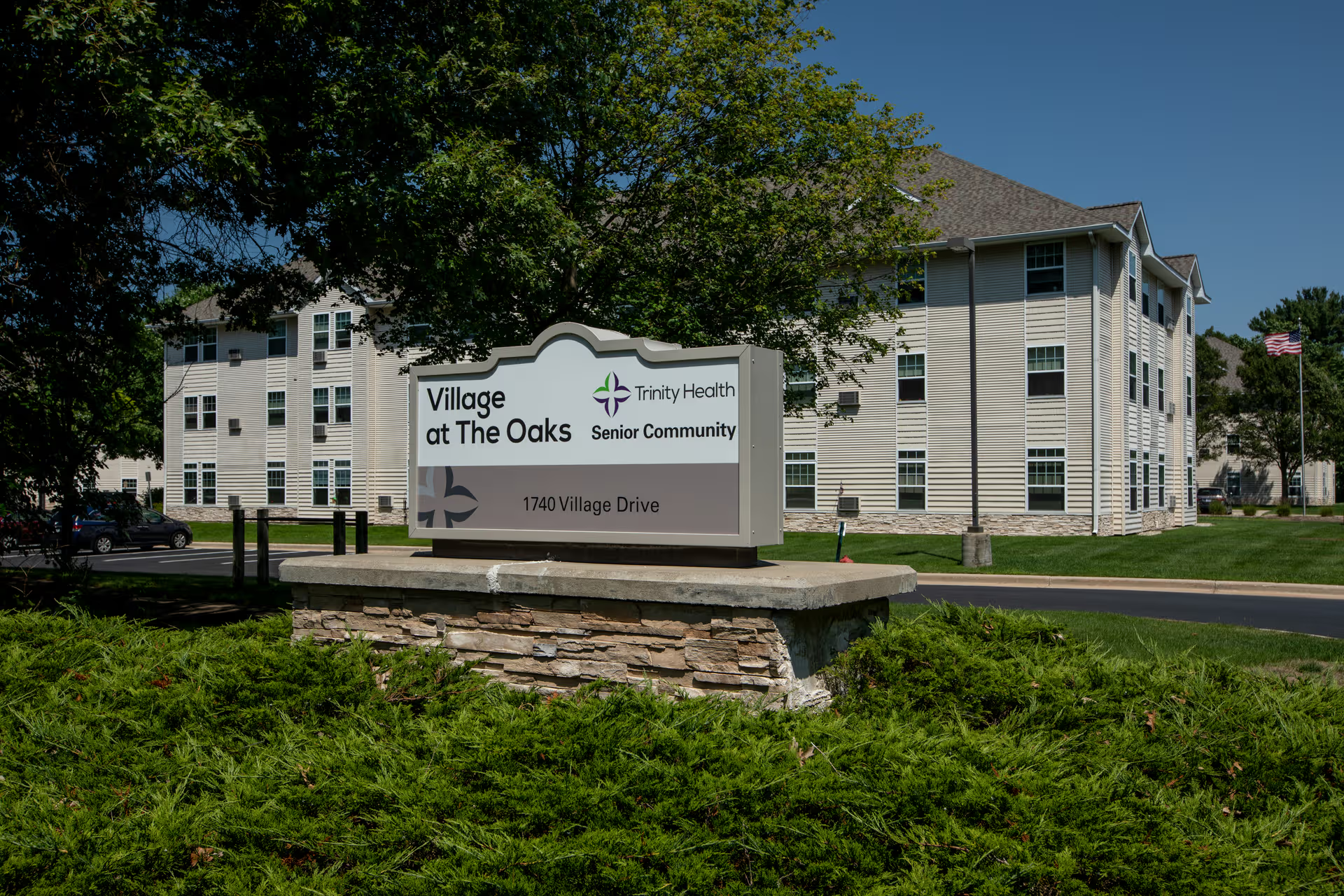
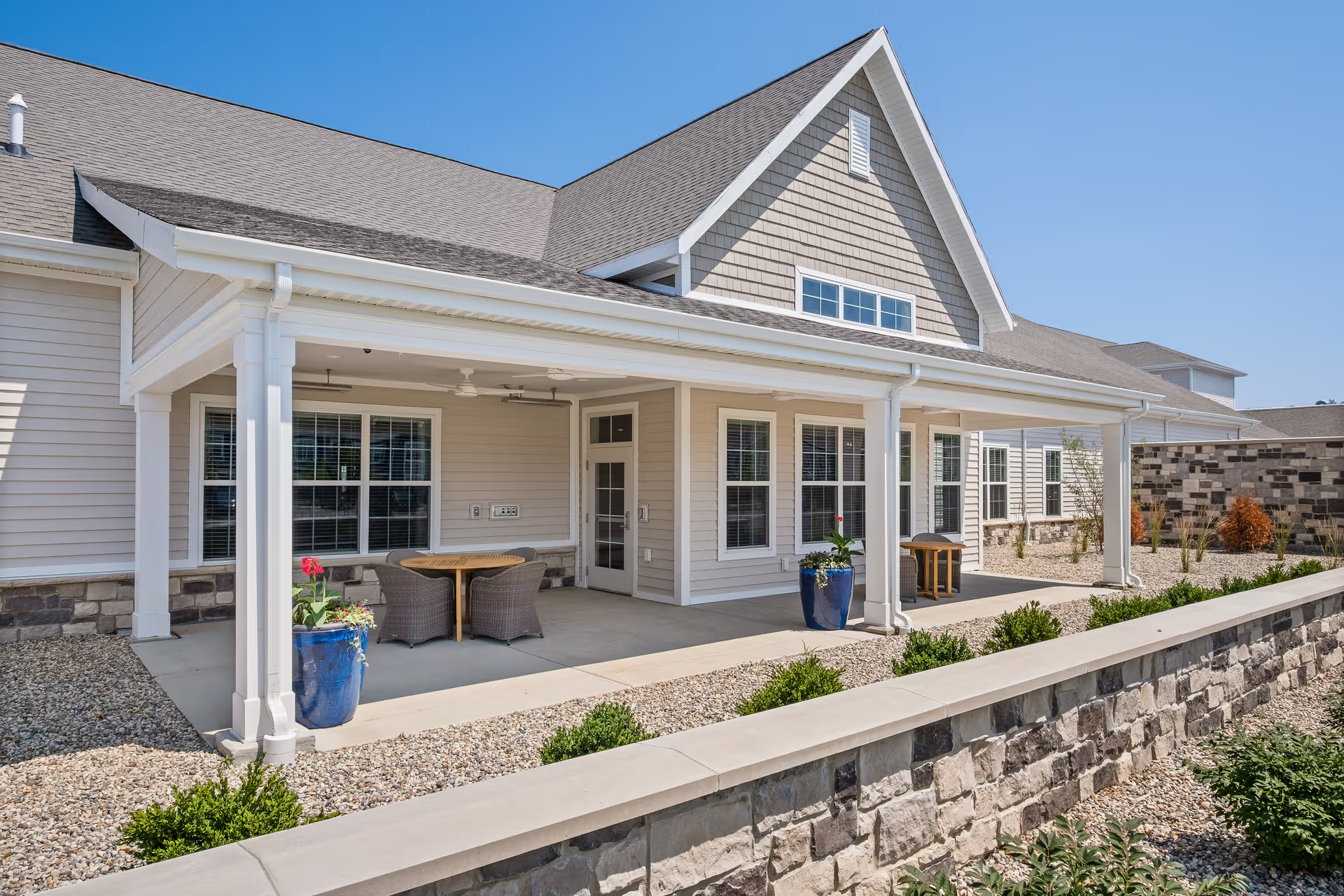
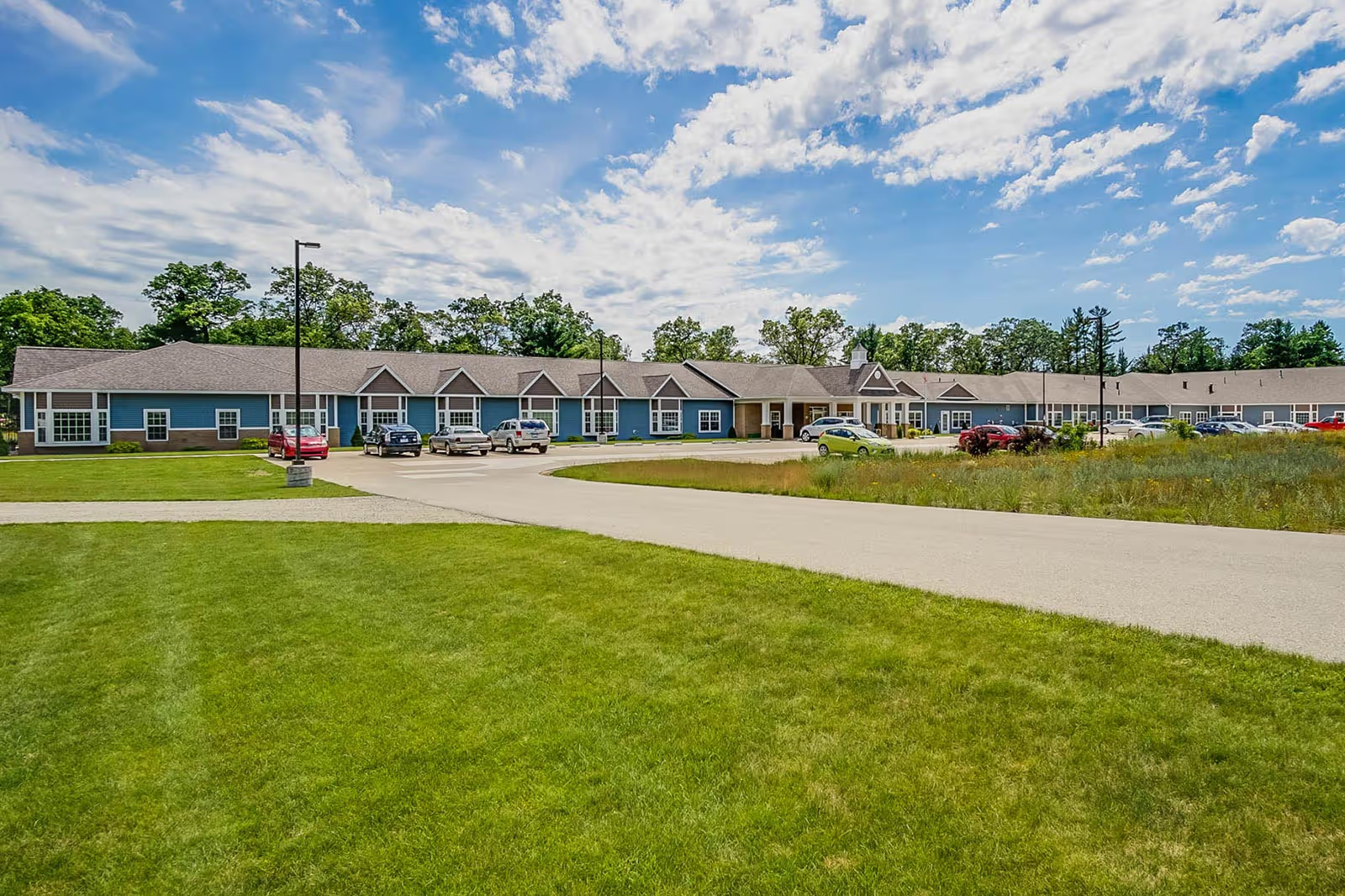
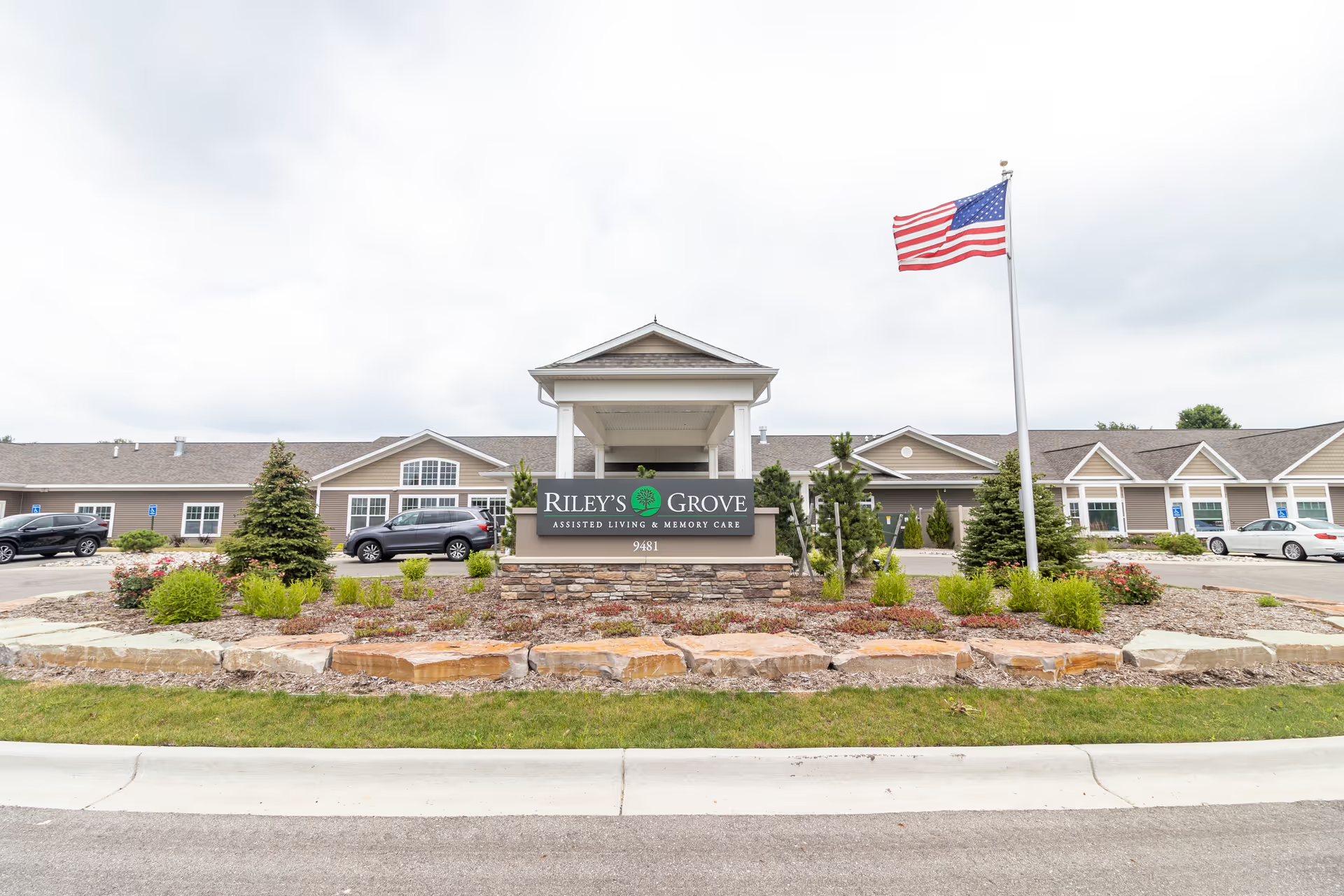
Overall impression: Reviews present a mixed but largely positive view of the facility’s environment and rehabilitation strengths alongside recurring operational concerns. The facility is consistently described as clean, attractive, and well-kept, with private rooms, spacious common areas, and an appealing outdoor courtyard, aviary and pond. Many families highlight the homelike décor, pleasant views, and available hospice services in a separate wing.
Care quality and clinical services: Clinical and rehabilitative services receive strong praise—therapy staff, physical therapy outcomes, and a rehab-focused program are repeatedly noted as effective and attentive. Several reviewers described significant improvement during short-term rehab stays and recommended the facility for post-acute recovery. At the same time, there is variability in ongoing nursing care: while many accounts describe compassionate and knowledgeable nurses, others describe delays in medical attention and medication administration. There are also expressed concerns about toileting assistance and sanitary-care timeliness that may affect resident comfort and dignity.
Staff and responsiveness: Staff are frequently characterized as friendly, compassionate, and helpful, with specific staff members named positively. Activity staff and therapists are often singled out for engagement and effectiveness. However, a clear pattern appears around staffing inconsistencies—particularly on night shifts—and uneven performance between individual caregivers and shifts. Related issues include slow nurse-call responses, perceived gaps in one-on-one rehab time, and inconsistent follow-through from administration when families raise concerns.
Dining and activities: Dining is generally well regarded—homemade, flavorful meals and a varied menu are common positives. A few reviewers noted timing issues with meal delivery, but overall food quality and variety are strengths. Activity programming is robust, with frequent social events, themed celebrations, puzzles, bingo, and other engagement opportunities; reviewers report active residents and an engaging calendar.
Facilities and amenities: The physical plant and aesthetics are consistent strengths: clean rooms, large windows, roomy therapy gyms, a beautiful courtyard, and comforting common spaces. Amenities such as the aviary, walking paths, and separate hospice area contribute to a positive environment. Technology limitations, such as slow internet, were mentioned and may be relevant for residents who require reliable connectivity.
Management, administration and policies: Administrative performance shows mixed signals. Some families praised helpful billing and payment assistance; others experienced complex insurance interactions or felt management was slow or unresponsive to clinical or personal-item concerns. There are operational vulnerabilities noted around personal-item tracking (for example, delays replacing lost hearing aids), privacy and financial-information handling, and perceived service disruptions following ownership or management changes. These items point to gaps in administrative processes rather than the building or clinical staff per se.
Notable patterns and considerations for families: The dominant pattern is a strong rehabilitation and hospitality environment coupled with operational pressures that affect consistency of long-term nursing care. The facility may be an especially good fit for those seeking short-term rehab or a pleasant, activity-rich setting with competent therapy services. Prospective residents and families should ask targeted questions about staffing ratios on all shifts, medication-administration protocols, transfer-safety procedures, personal-item safeguarding, and how billing/insurance issues are handled. Visiting during both day and night periods and speaking with current families about communication practices can help assess whether the facility’s strengths align with a particular resident’s care needs.