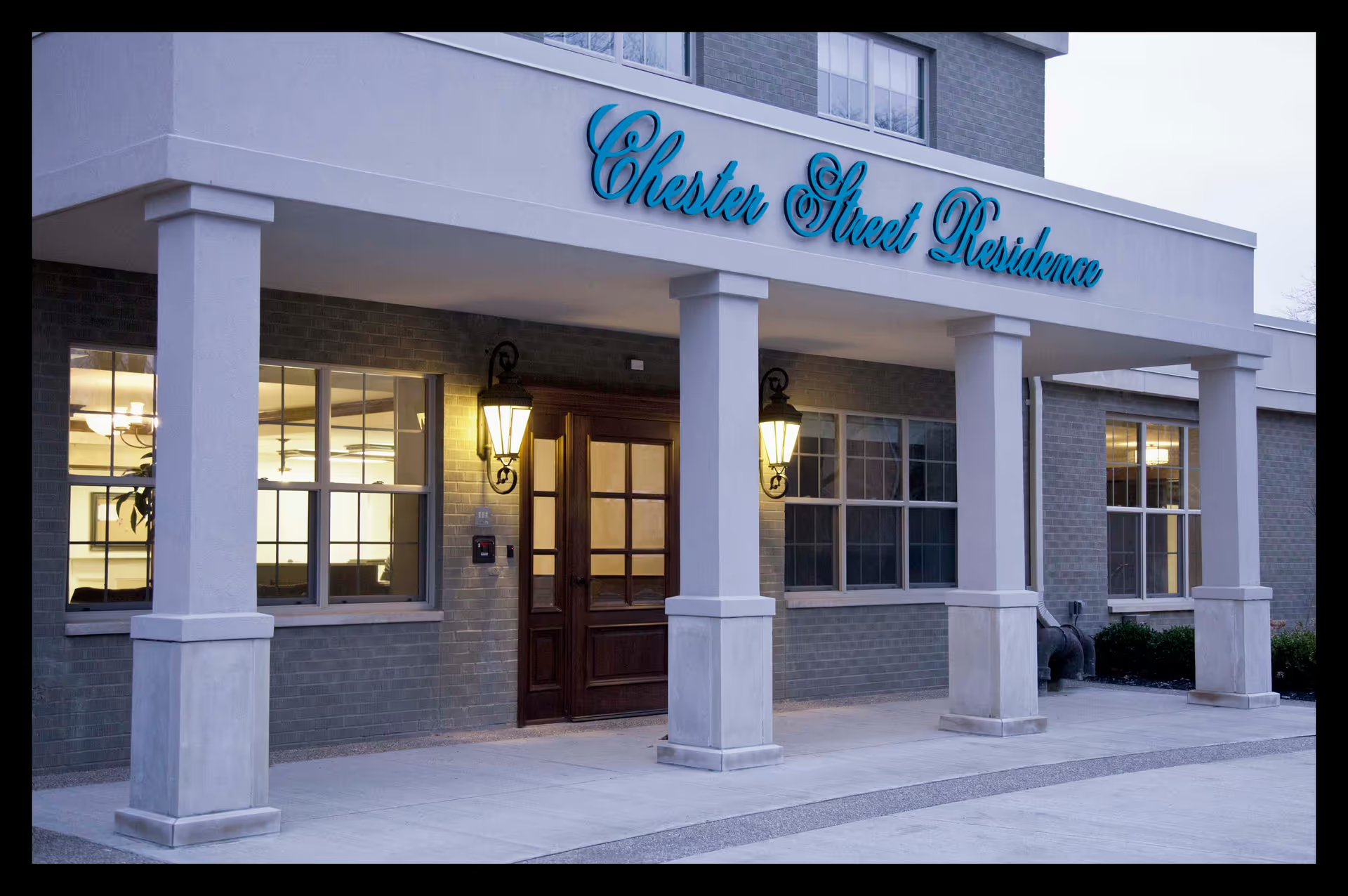
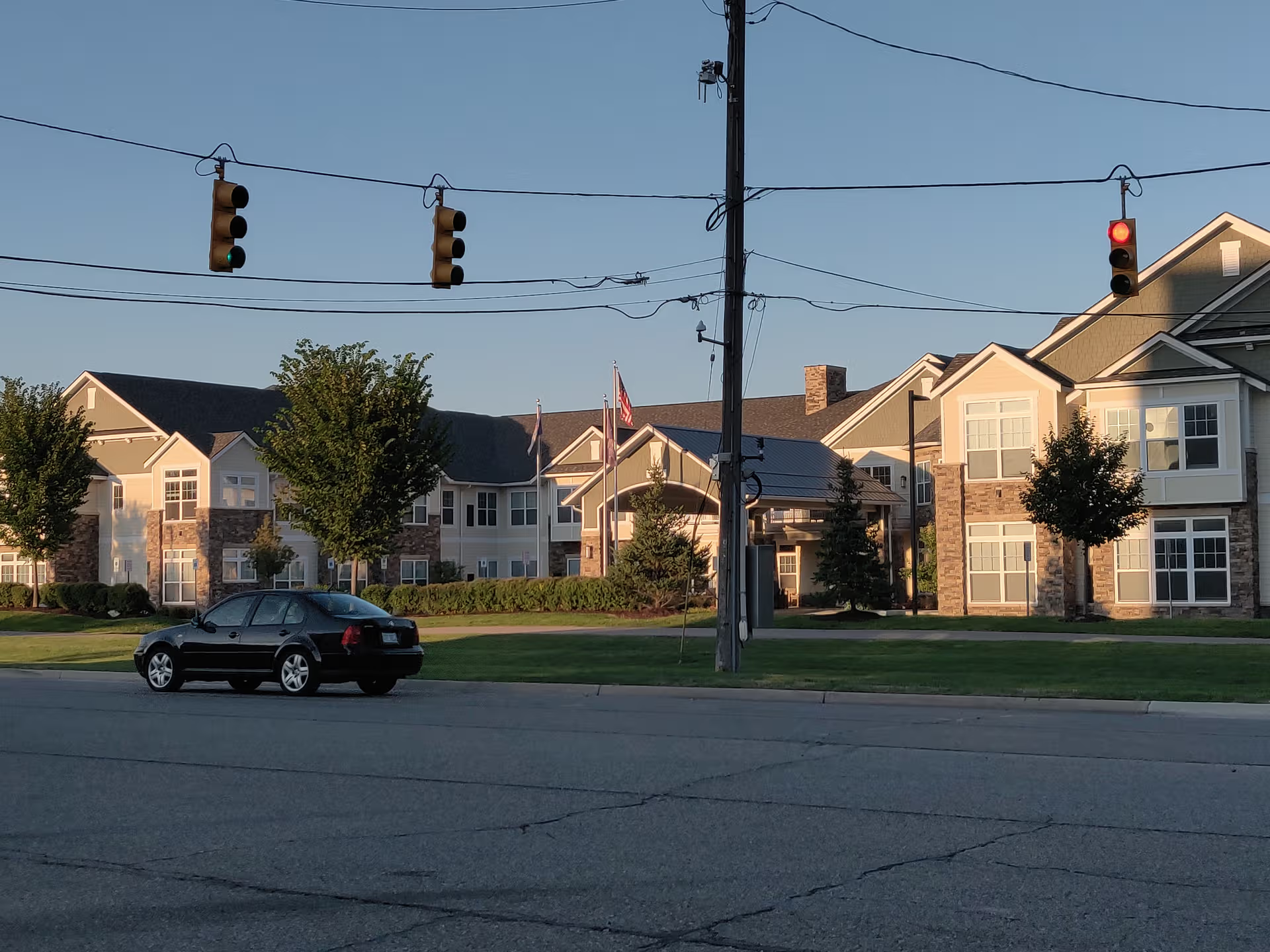
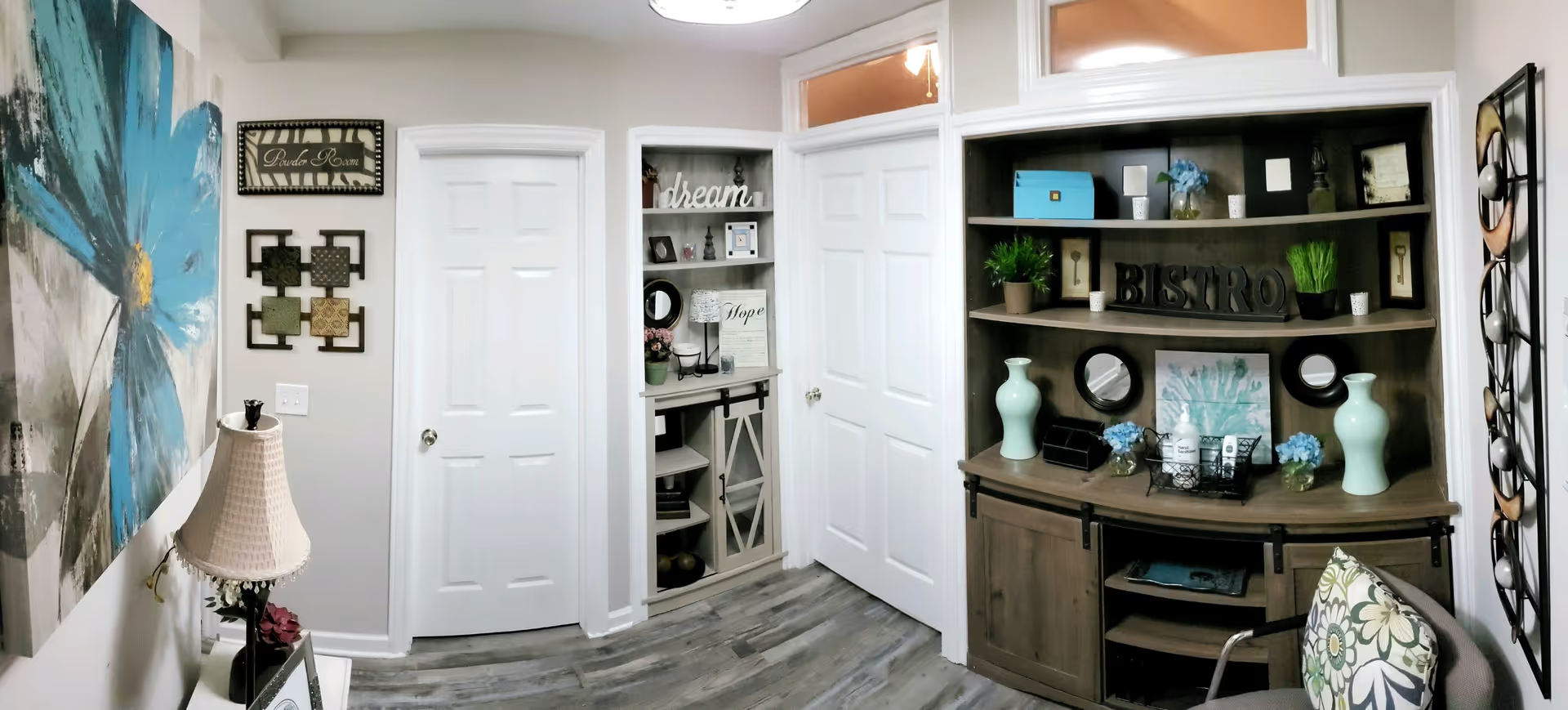
Reviews of Regency at Troy are highly polarized: many families praise the facility's physical environment and its rehabilitation services, while a substantial subset describe significant operational and clinical shortcomings. The facility is frequently described as modern, spacious, and visually appealing, with well‑maintained public areas, an active activities program (including an on‑site salon), and robust PT/OT amenities. For residents focused on short‑term rehabilitation—especially those needing skilled physical and occupational therapy—the therapy staff and equipment receive consistent positive feedback.
Clinical-care quality is the primary area of concern. Numerous accounts identify inconsistent staffing levels that coincide with delayed responses to call lights, missed or late medication administration, and variability in wound and post‑operative care protocols. These issues are associated with secondary risks such as pressure‑injury development, fall risk, and complications after surgery. Families describe variability in how reliably hygiene assistance and bathing are provided, and there are recurring mentions of coordination failures around drains, lines, and other device management. Several reviews referenced regulatory citations and legal action, which reviewers felt merited follow‑up; these references suggest compliance and oversight may be uneven and worth verifying directly with regulators.
Staffing and staff conduct are described as mixed. Many individual nurses, therapists, CNAs, and admissions personnel are characterized as compassionate, skilled, and communicative; these staff members often receive high praise for attentive care and effective therapy outcomes. At the same time, reviewers commonly report shifts or units where staffing is insufficient, supervision is limited, and the tone or responsiveness of some staff is problematic. Communication between clinical teams, therapy, dietary, and family members is frequently described as fragmented—resulting in misplaced medications, delayed dialysis transport, incorrect meal delivery, and disorganized discharges.
Dining and amenities show similar duality. The facility’s dining program and food variety are noted positively by many, but inconsistent meal timing, cold or late meals, and limited diet accommodations (for example, for diabetes or visual impairment) are also described. Activities are generally viewed favorably, with residents engaged in social programs and community events; the physical environment supports these offerings. Housekeeping and reception are often praised for cleanliness and welcome‑orientation in public areas, though room‑level sanitation and episodic odor concerns are mentioned as inconsistent by other families.
Management and operational issues emerge as recurring themes. Reviewers describe slow or absent callbacks from administration, disorganized discharge planning, and pharmacy coordination errors. Equipment and safety processes such as mattress maintenance, bed‑rail use, and fall‑prevention checks are cited as inconsistent, amplifying concerns for higher‑acuity residents. When families actively advocate and follow up, outcomes are often better; that pattern suggests the facility can perform well but may require ongoing oversight to maintain standards.
Overall, Regency at Troy appears to offer a strong rehabilitative environment and a well‑appointed facility, with standout staff in therapy, admissions, and housekeeping. However, the persistence of operational weaknesses—especially inconsistent staffing, medication and wound‑care management, communication gaps, and discharge coordination issues—creates real risks for residents who require reliable, continuous nursing care. Prospective residents and families should weigh the facility’s rehabilitation strengths and physical amenities against these operational indicators, verify current staffing and compliance status, and consider establishing a plan for active family advocacy and regular clinical oversight if choosing Regency for longer‑term or high‑acuity care.