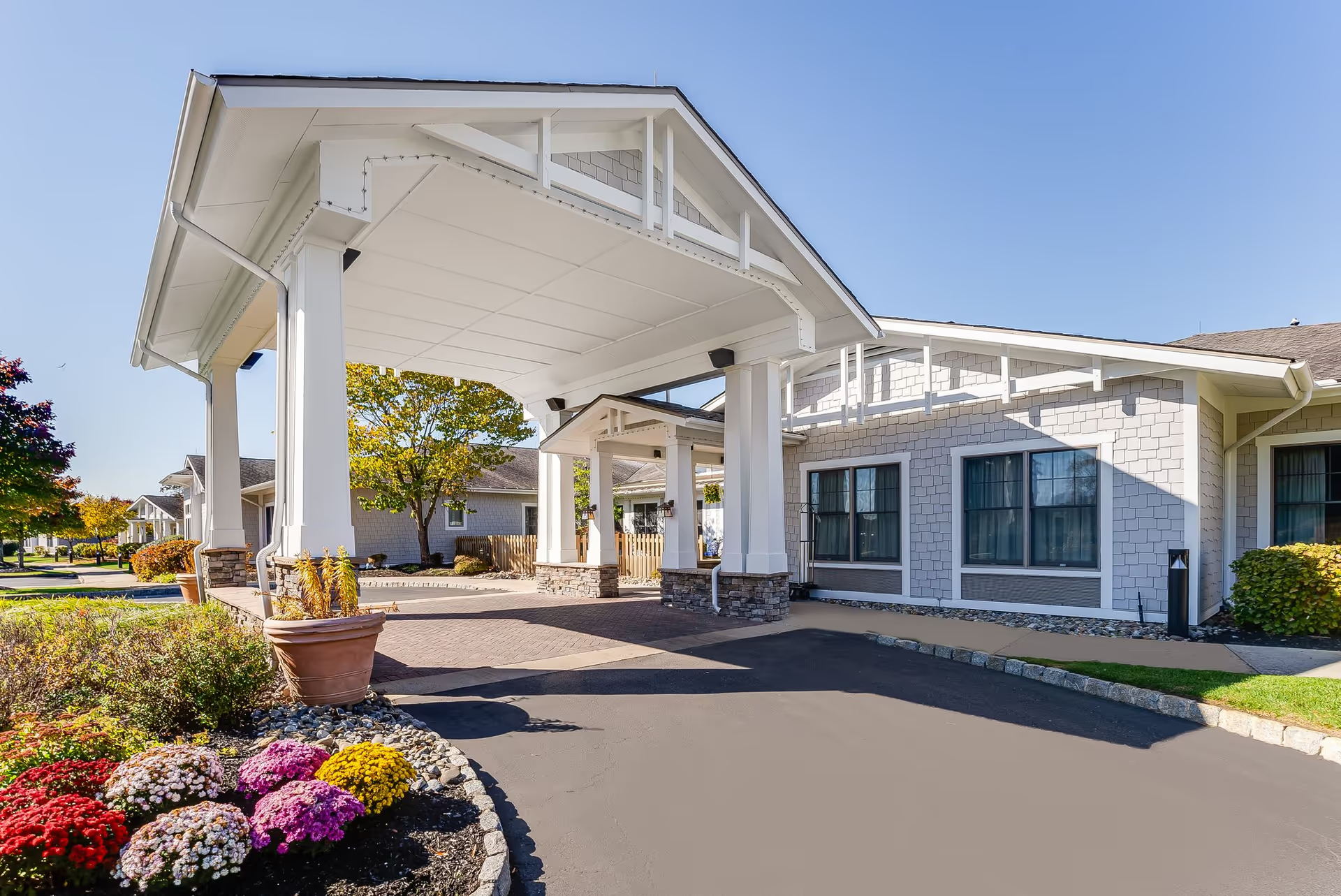
Leisure Chateau Rehabilitation receives consistently strong praise for its rehabilitation and therapy programs. Many families describe meaningful functional gains, quicker-than-expected recoveries, and therapists who help residents regain independence. Therapy staff are frequently characterized as skilled, culturally sensitive, and effective at tailoring schedules to individual needs. These strengths are paired with positive notes about nursing and caregiving staff who are attentive and supportive, and with several mentions of specific clinicians and administrators who are accessible and proactive.
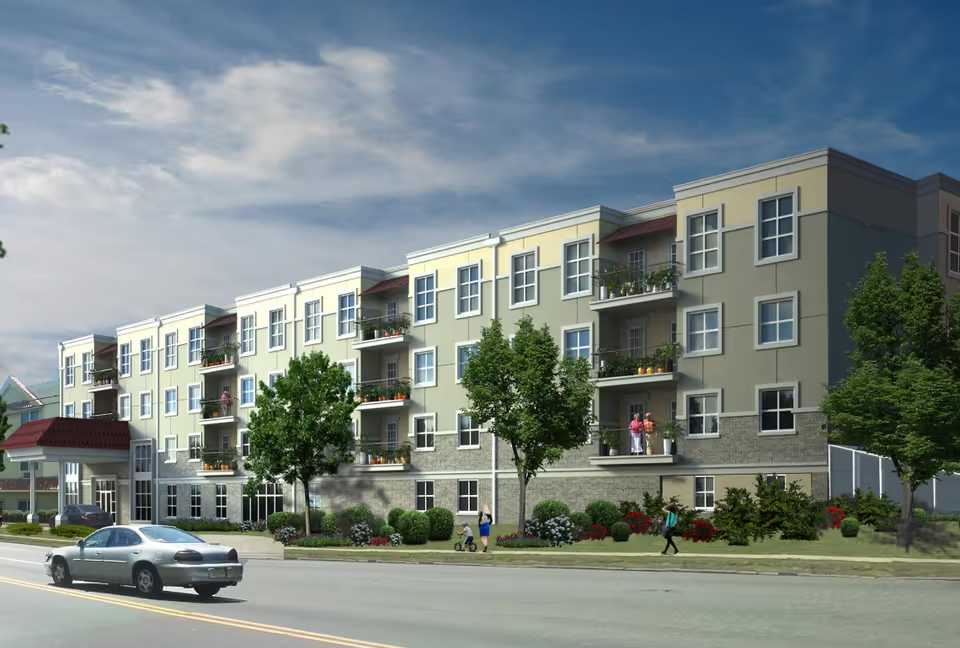
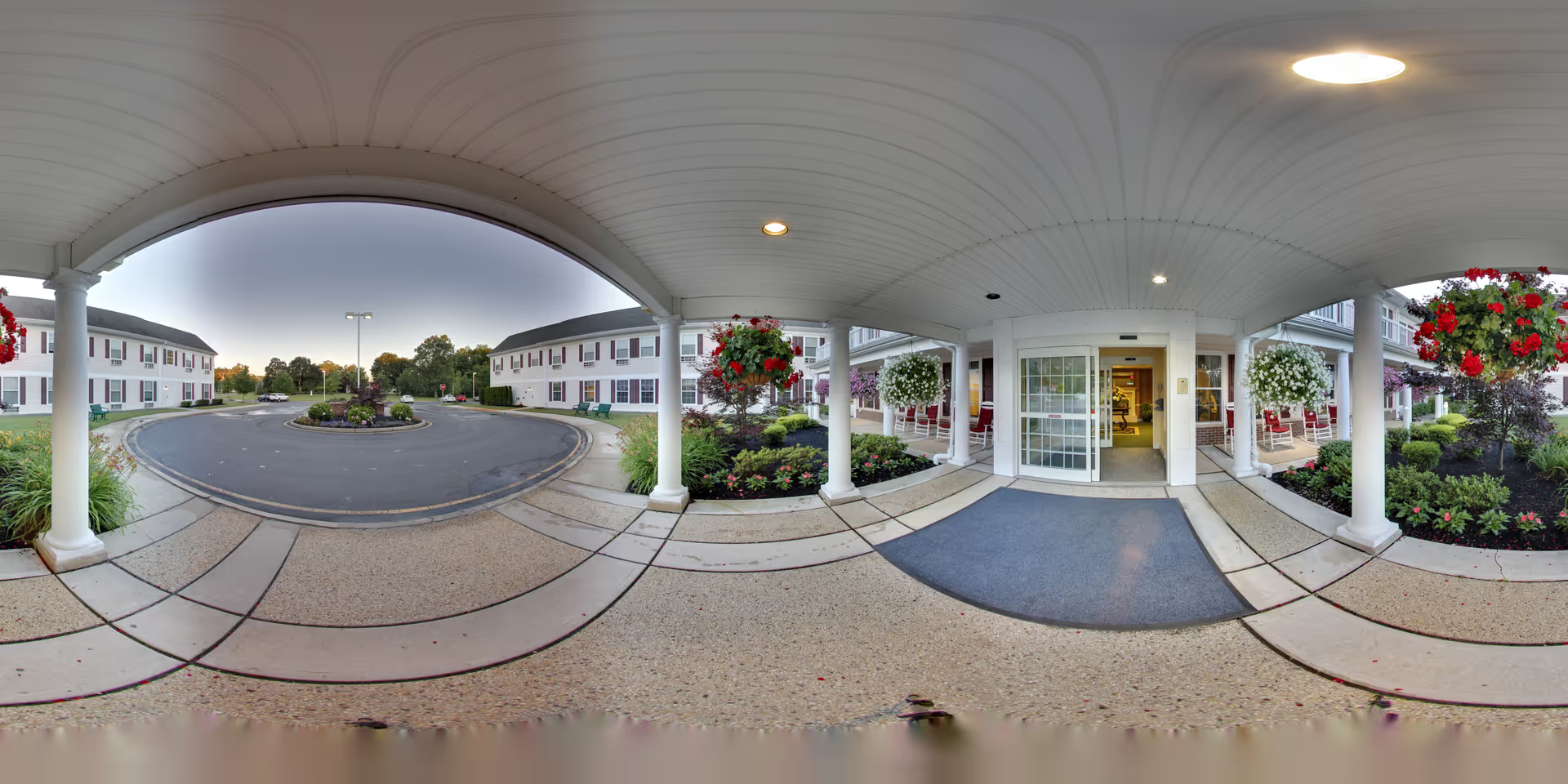
Dining, religious accommodations, and activities are clear institutional strengths. Reviewers commonly cite nutritious, flavorful meals, menu flexibility, and attention to Kashrut and Shabbos observance. On-site religious programming — including minyanim and a Shabbos program — is highlighted as meaningful to residents. The facility environment is described as comfortable and well-maintained: private rooms, pleasant common areas, courtyard access, helpful concierge/front-desk staff, and convenient in-room amenities such as refrigerators are repeatedly noted.
Despite these positive themes, reviewers also raise operational concerns that prospective families should consider. Staffing levels and workload appear to impact responsiveness and the time available for non-urgent personal care and social interaction. Several comments point to resource or equipment constraints that can limit comfort or complicate therapy delivery. A subset of reviews raises more serious safety-related concerns — including delays in attending to continence needs, aspiration-related incidents, and questions about how clinical incidents are handled and communicated to families. There are also allegations concerning missing personal items; these accounts suggest a need to clarify personal-property policies and security practices.
Overall, Leisure Chateau offers strong rehabilitative care, culturally aligned programming, and a supportive social environment for many residents. At the same time, the pattern of staffing pressure and intermittent operational gaps suggests prospective residents and families should ask targeted questions during tours: staffing ratios by shift and unit, protocols for incident response and family notification, incontinence-care procedures, equipment availability for therapy, and policies for securing personal belongings. Verifying recent inspection reports and speaking directly with unit staff and current families can help balance the facility's notable strengths against the operational concerns raised in some reviews.