Experiences at Massapequa Center Rehabilitation & Nursing vary considerably. Many residents and families describe kind, attentive staff and effective rehabilitation, including improvements in mobility and communication. Others raise concerns about delayed assistance, staff conduct, and the handling of residents with complex medical needs. The reviews suggest the facility may be a better fit for rehabilitation and routine nursing support than for care requiring intensive medical oversight or palliative expertise; families should confirm that the facility can meet a prospective resident’s specific needs.
Staff and communication are recurring strengths in positive accounts. Families praise nurses, aides, recreation staff, social workers, and administrative personnel for being approachable, patient, and helpful. Several describe staff who encouraged participation and helped residents feel included. However, other accounts describe difficulty getting timely help, concerns that instructions were not consistently followed, and variable communication with staff and leadership. One medication discrepancy was later acknowledged and corrected with an apology.
Clinical responsiveness is a significant concern in a few serious accounts. One family raised concerns following a resident’s death after an acute decline, citing delayed emergency escalation and lack of family notification. Another described disagreement over whether emergency transfer was needed despite very low blood pressure. These accounts contrast with positive descriptions of nursing care, but underscore the importance of asking how the facility assesses sudden changes, contacts families, and escalates care. Families considering the facility for complex or end-of-life needs may wish to clarify its capabilities and protocols directly.
Rehabilitation is frequently praised. Reviewers describe a large, well-equipped gym, supportive physical therapy, and meaningful gains that helped residents prepare to return home. Speech and recreation services also receive positive mentions, including activities that encouraged communication and engagement. The recreation program appears to be a notable strength, with art therapy, music, bingo, games, cooking, seasonal events, and opportunities for family involvement.
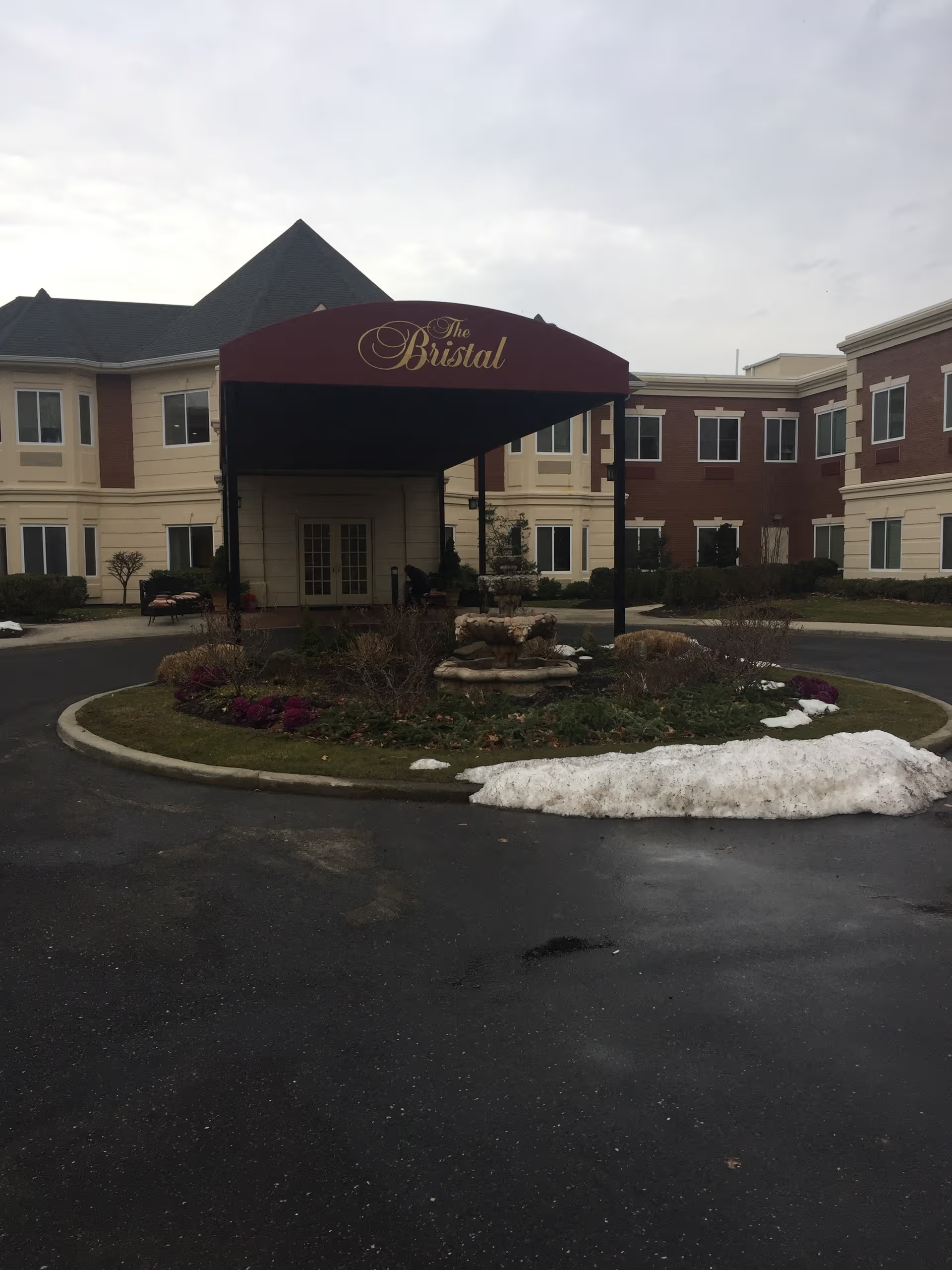
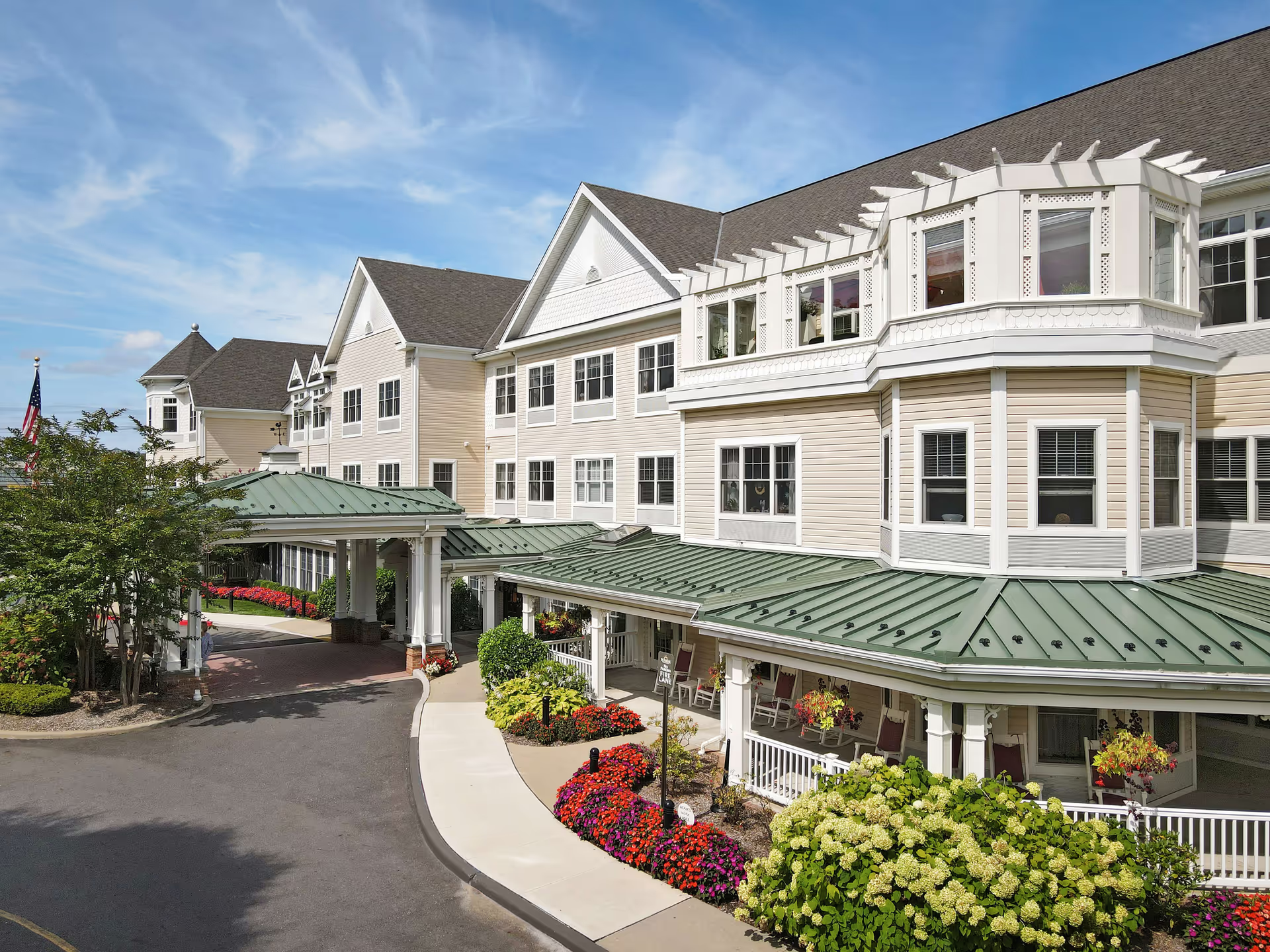
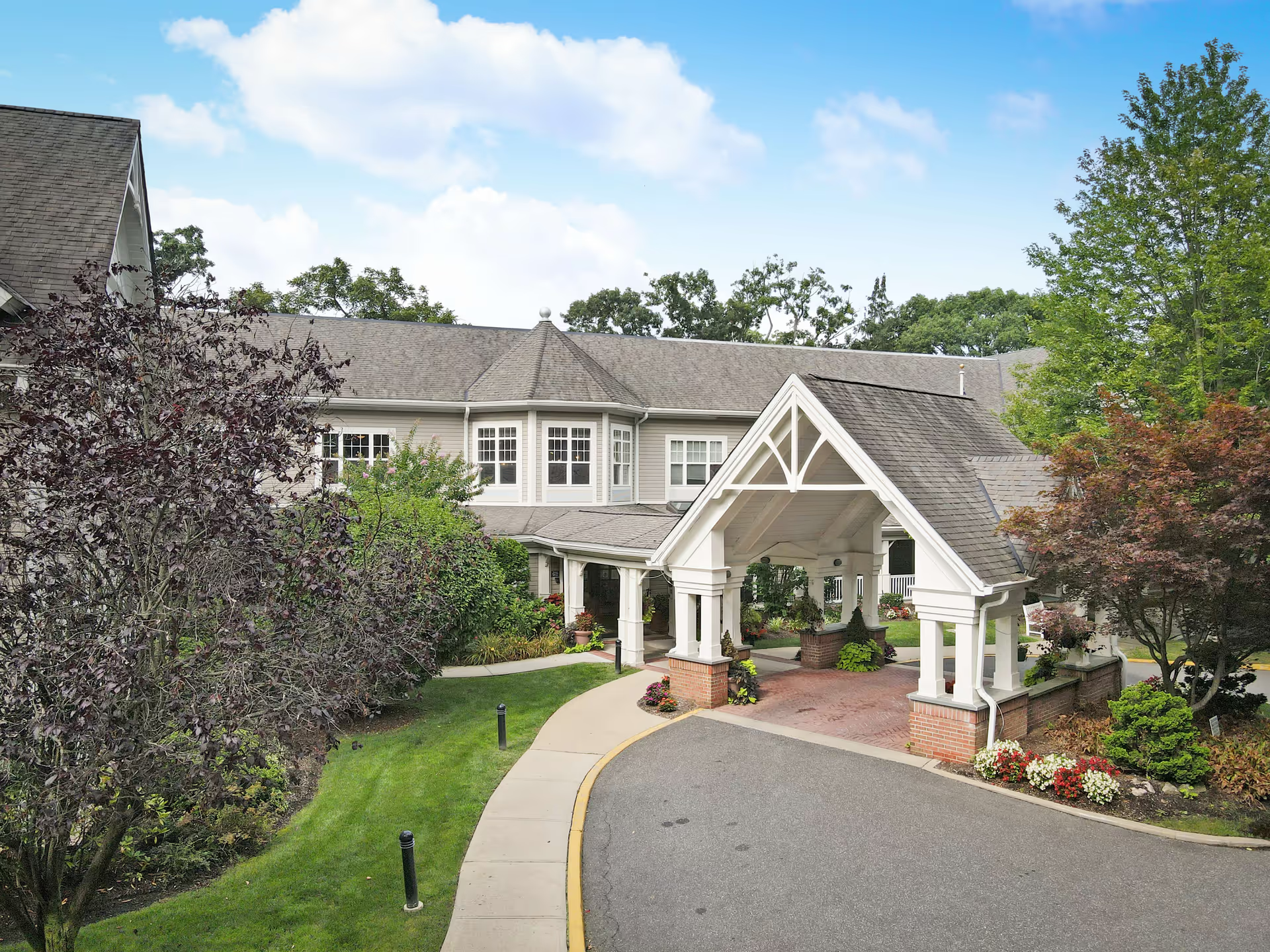
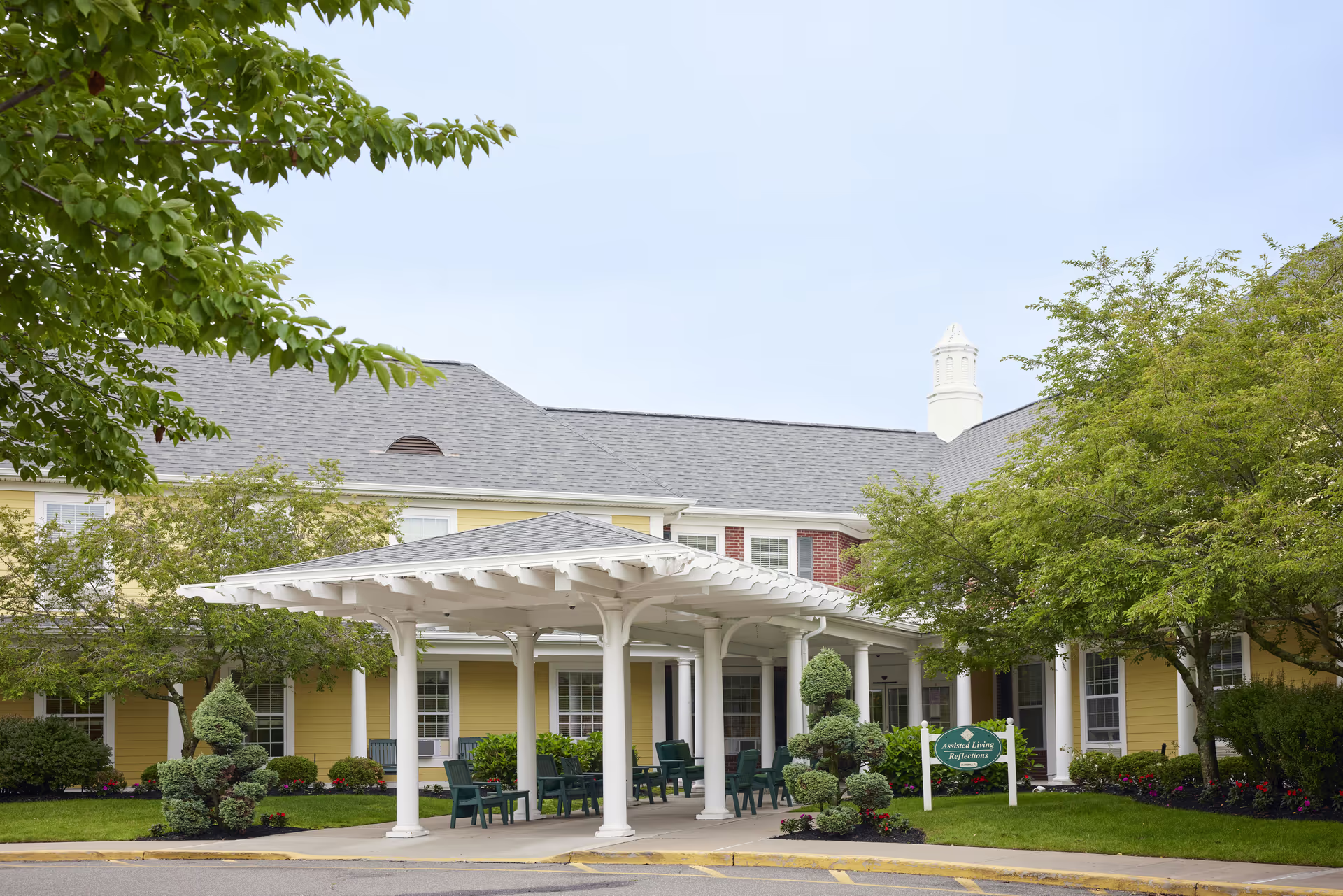
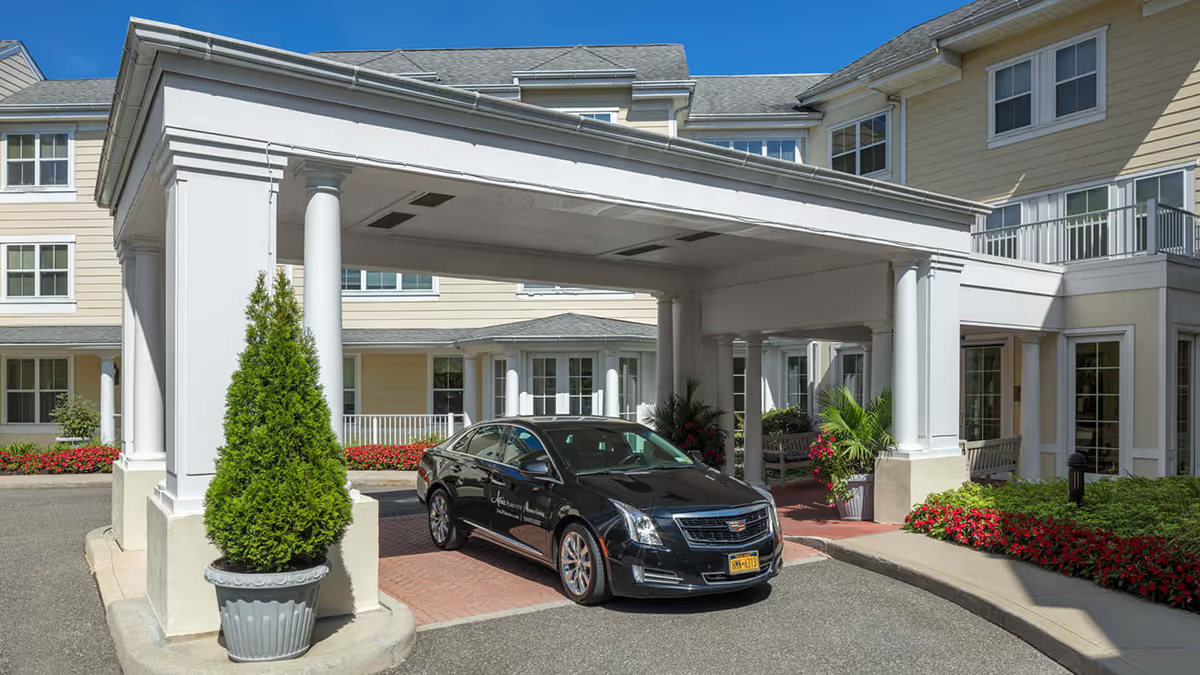
Dining feedback is mixed. Some residents describe meals favorably and note efforts to accommodate preferences, while one family raised concerns about portion sizes, limited choice, nutritional balance, and food preparation. Facility conditions are also described differently across visits: many reviewers found the center clean, bright, and welcoming, and some noted renovations and improved rooms. Others mentioned older or less comfortable rooms and cleanliness concerns in particular areas. Security and visitor check-in are generally described positively, though one visitor noted that sign-in procedures differed by day.
Overall, the reviews present a center with well-regarded rehabilitation, activities, and individual staff members, alongside concerns about consistency in responsiveness, communication, dining, and aspects of the physical environment. Families may benefit from touring both short-term rehabilitation and long-term care areas, asking about staffing and emergency-response procedures, and discussing care goals and service limits with clinical and administrative leadership before admission.