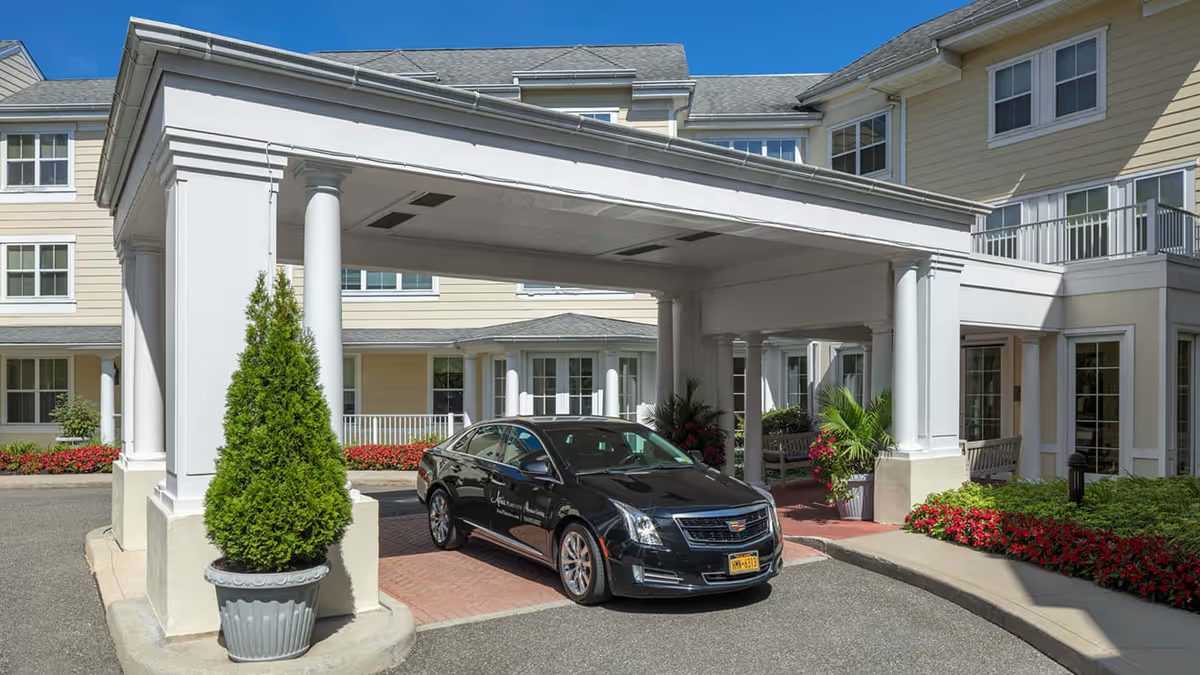
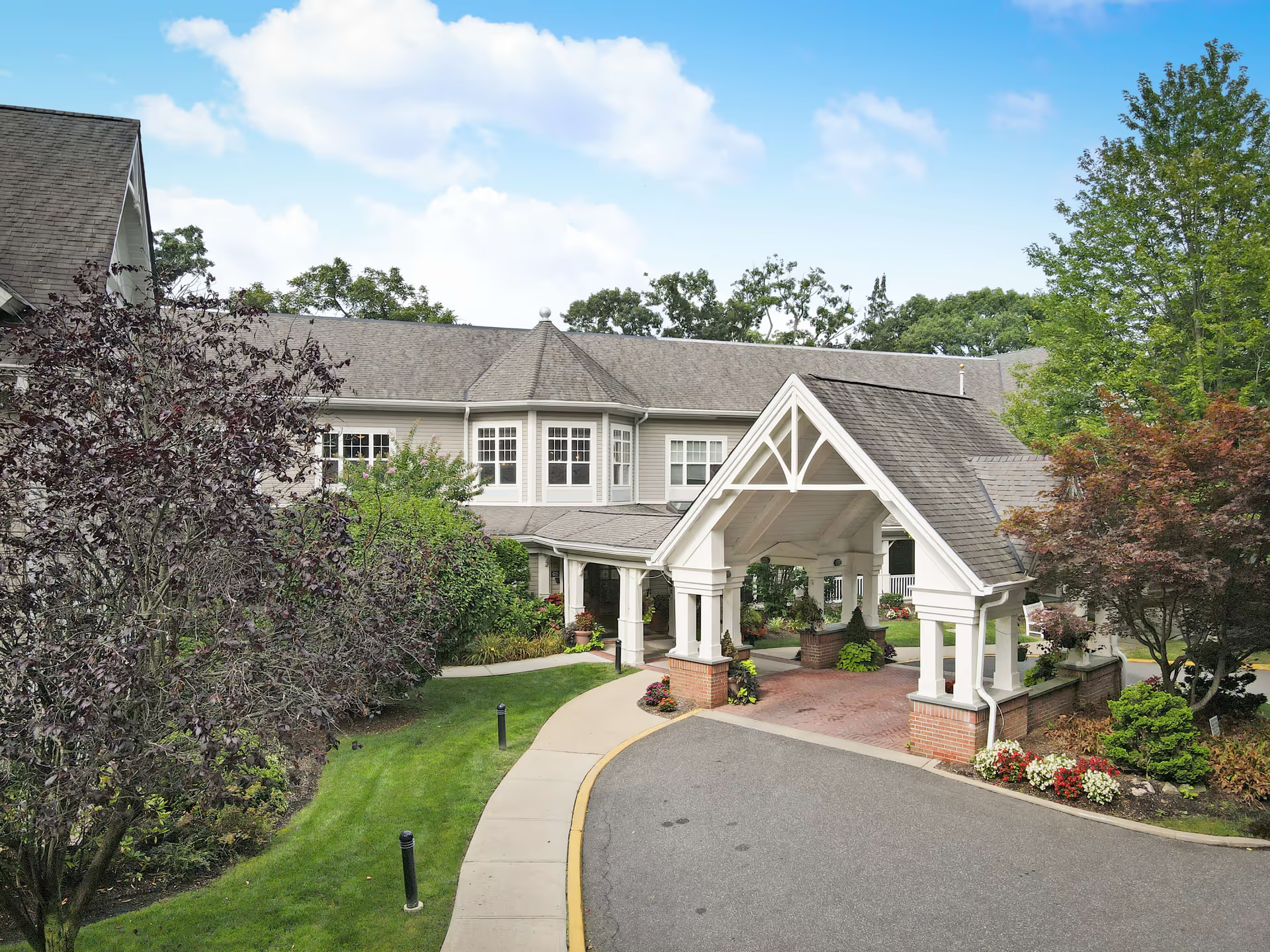
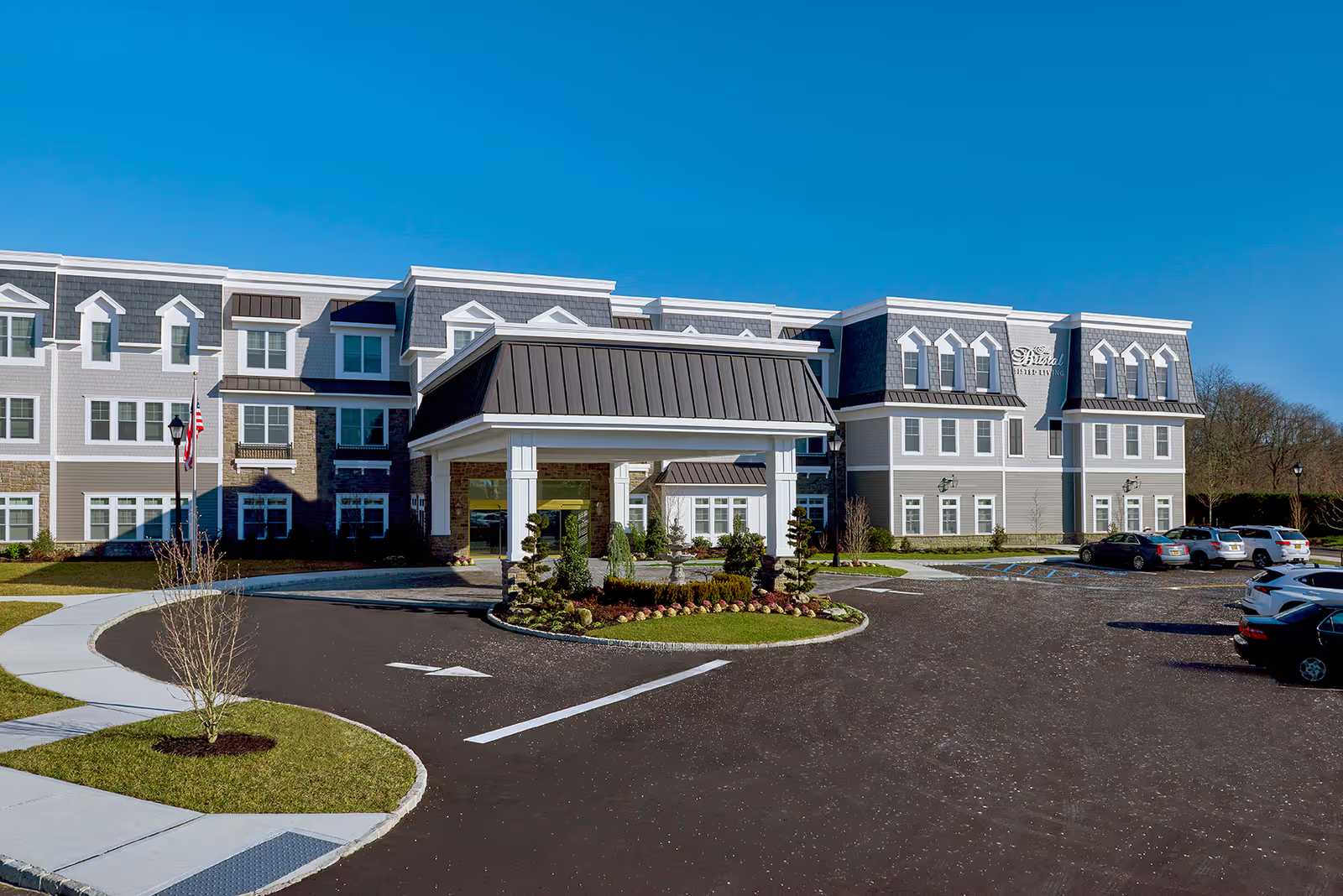
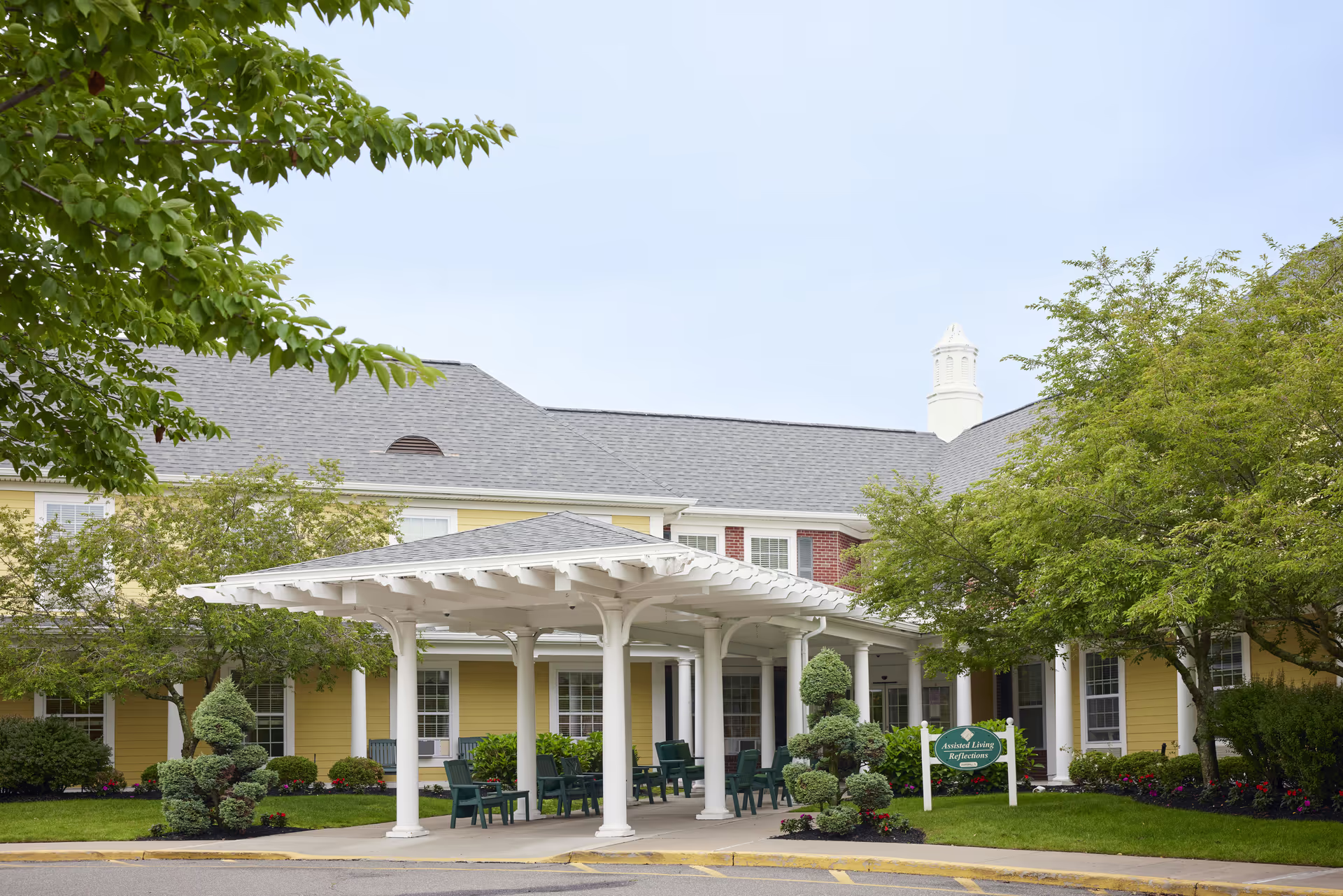
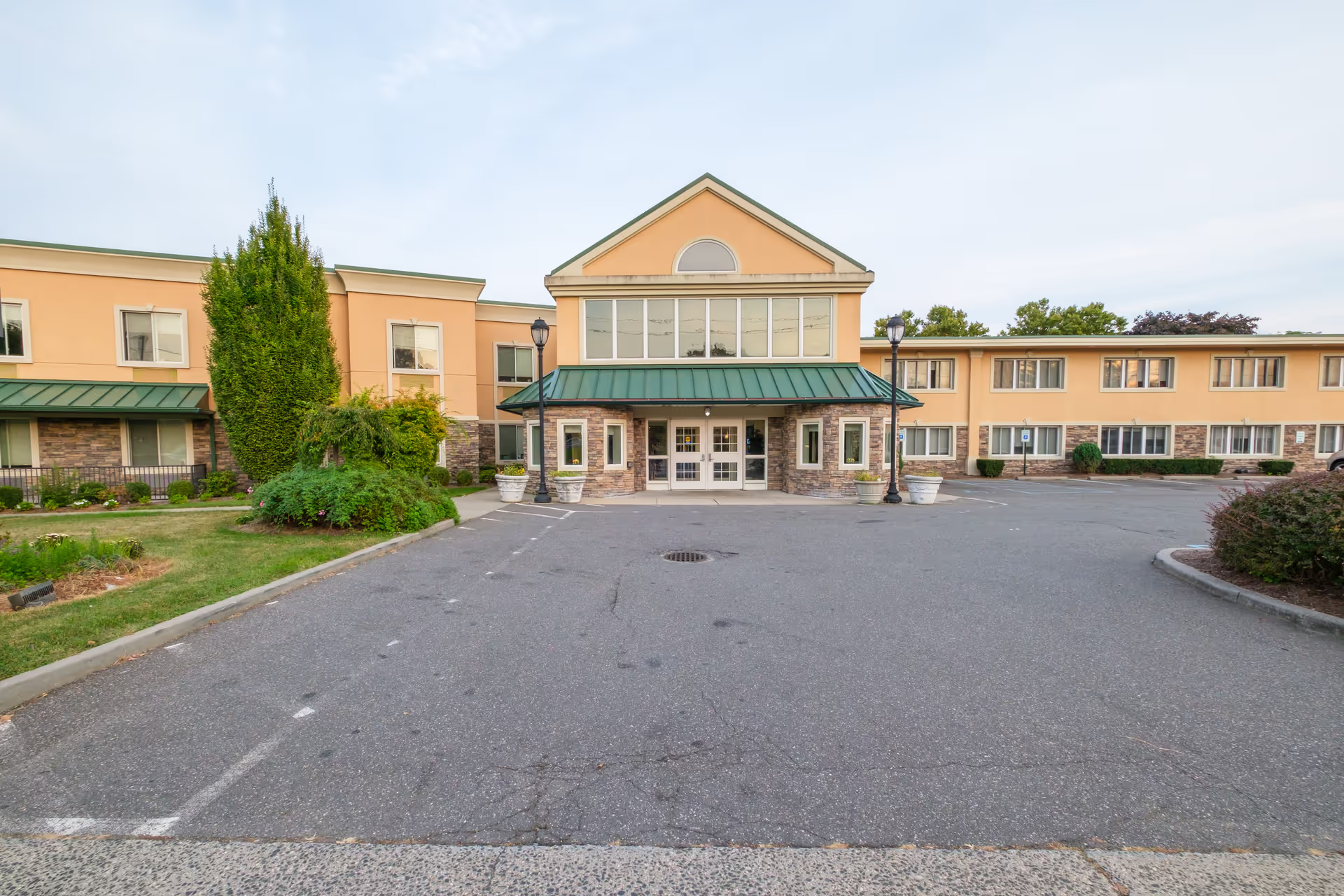
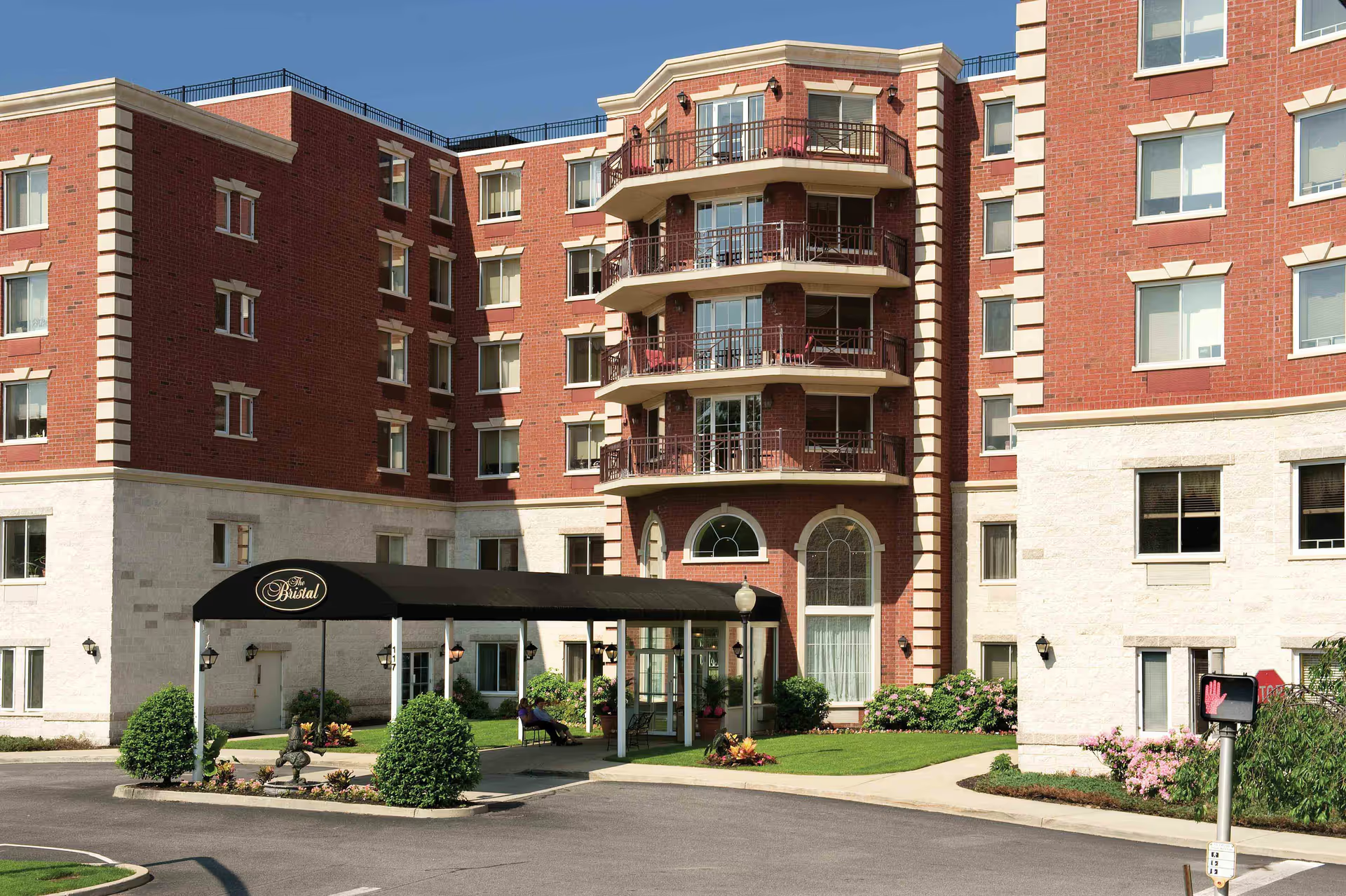
The Residences at Plainview presents as a newly built, well‑appointed independent living community with a broad array of amenities and a strong emphasis on resident social life. Reviewers consistently describe clean, attractive public spaces and large, thoughtfully designed apartments (studios through two‑bedrooms) with conveniences such as in‑unit laundry and full kitchens. The physical plant includes multiple pools, a fitness center, library, arts and crafts room, and other recreational niches that support an active lifestyle.
Staff and management are frequently characterized as warm, responsive and hands‑on. Families describe attentive move‑in assistance, active communication from the executive team, and staff who go beyond routine duties to support residents. On the clinical side, there is praise for care coordination (doctors visiting, physical therapy services) while the overall model is framed as independent living rather than assisted or transitional care.
Dining and activities are central to the community’s appeal: the program offers three meals per day, social dining, vegetarian options, frequent themed events, live music, happy hours, and outings. Many families report that these elements bolster resident well‑being and social connection. At the same time, there is a clear pattern of unevenness in the dining experience—menu changes, chef turnover, and instances of meal‑service interruptions have been called out, and management appears to be addressing these issues.
Observed operational weaknesses align with what is typical for a newer, higher‑end independent living community. Price point and affordability are consistent concerns; the community is positioned at a premium level. Staffing turnover—particularly in dining—along with some maintenance response delays and unresolved minor repairs are recurring themes. A few reviewers noted a mismatch between marketing impressions and everyday experience, and others highlighted that the environment can feel large or formal for residents seeking a smaller, more homelike setting. There are also mentions of unit access control vulnerabilities tied to key/credit‑card entry that warrant attention.
Overall, the facility scores strongly for ambience, amenities, staff warmth, and the volume of activities, making it well suited to older adults seeking an independent, socially active lifestyle with on‑site services. Prospective residents and families should weigh the high cost, the community’s independent‑living focus (not a transitional/assisted setting), and the potential for episodic service variability—especially in dining and minor maintenance—when deciding whether it meets their needs. Management responsiveness to dining quality, maintenance timeliness, security controls, and structured social integration for new residents are the principal areas where future improvements would most affect resident satisfaction.