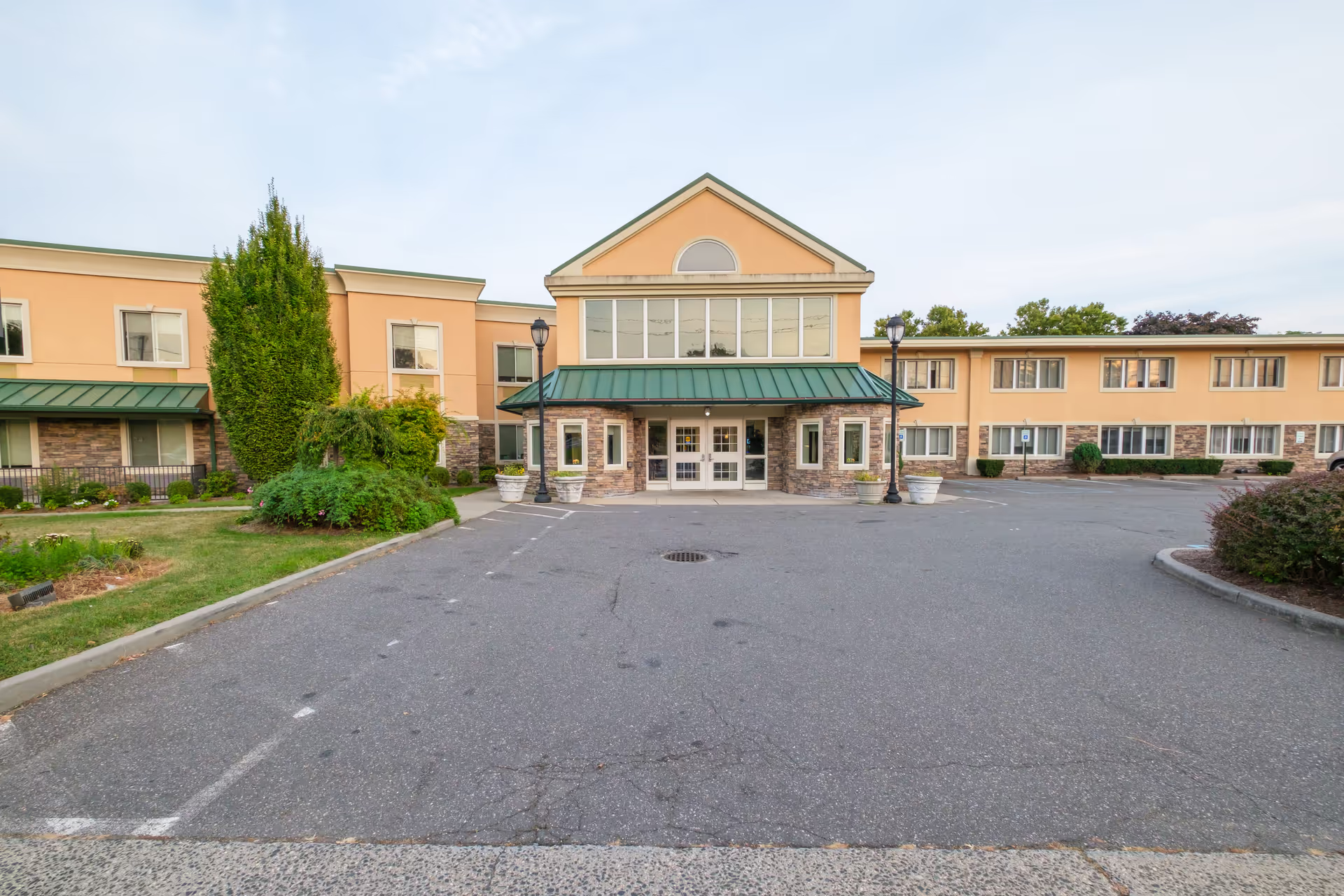
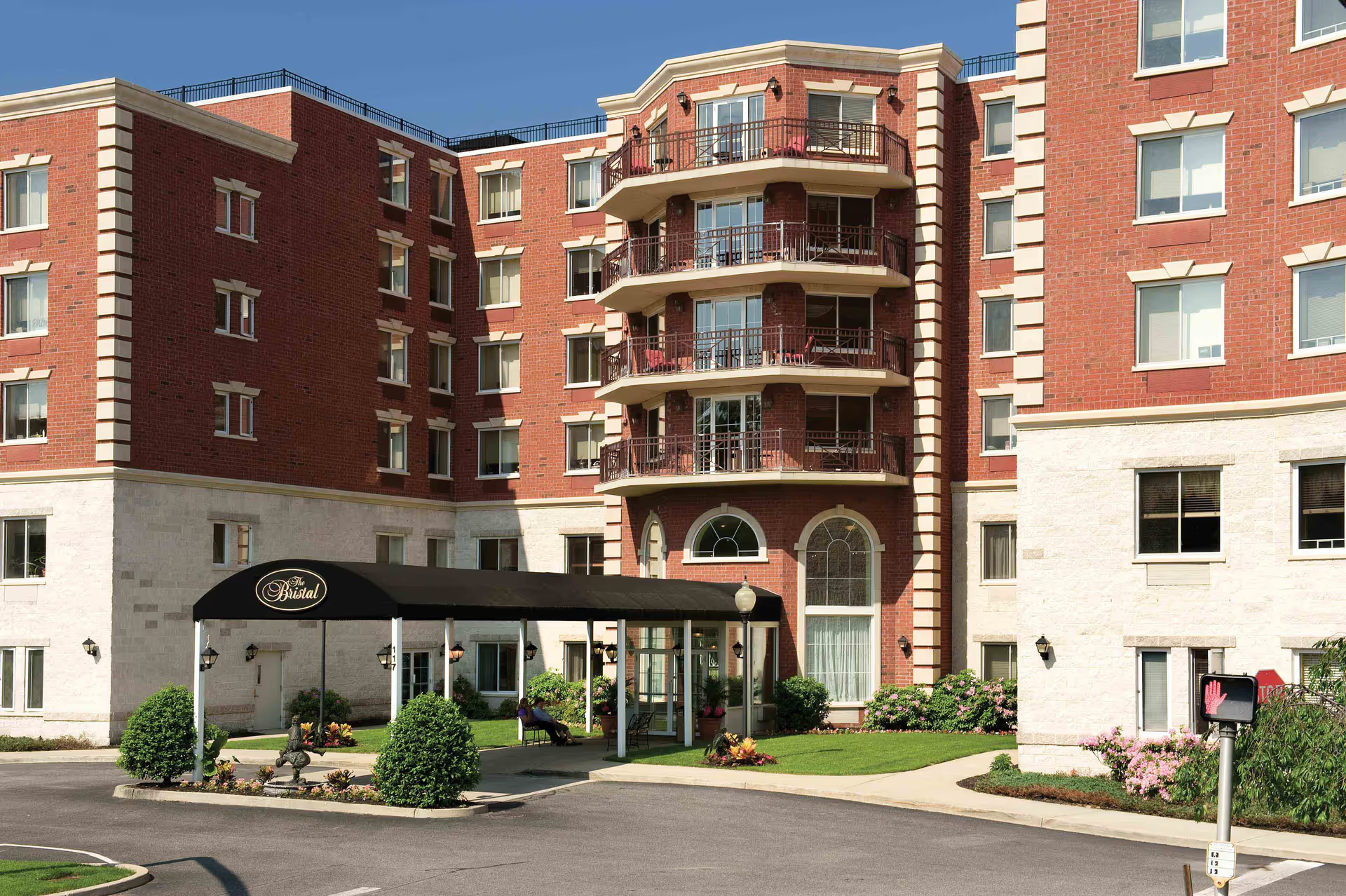
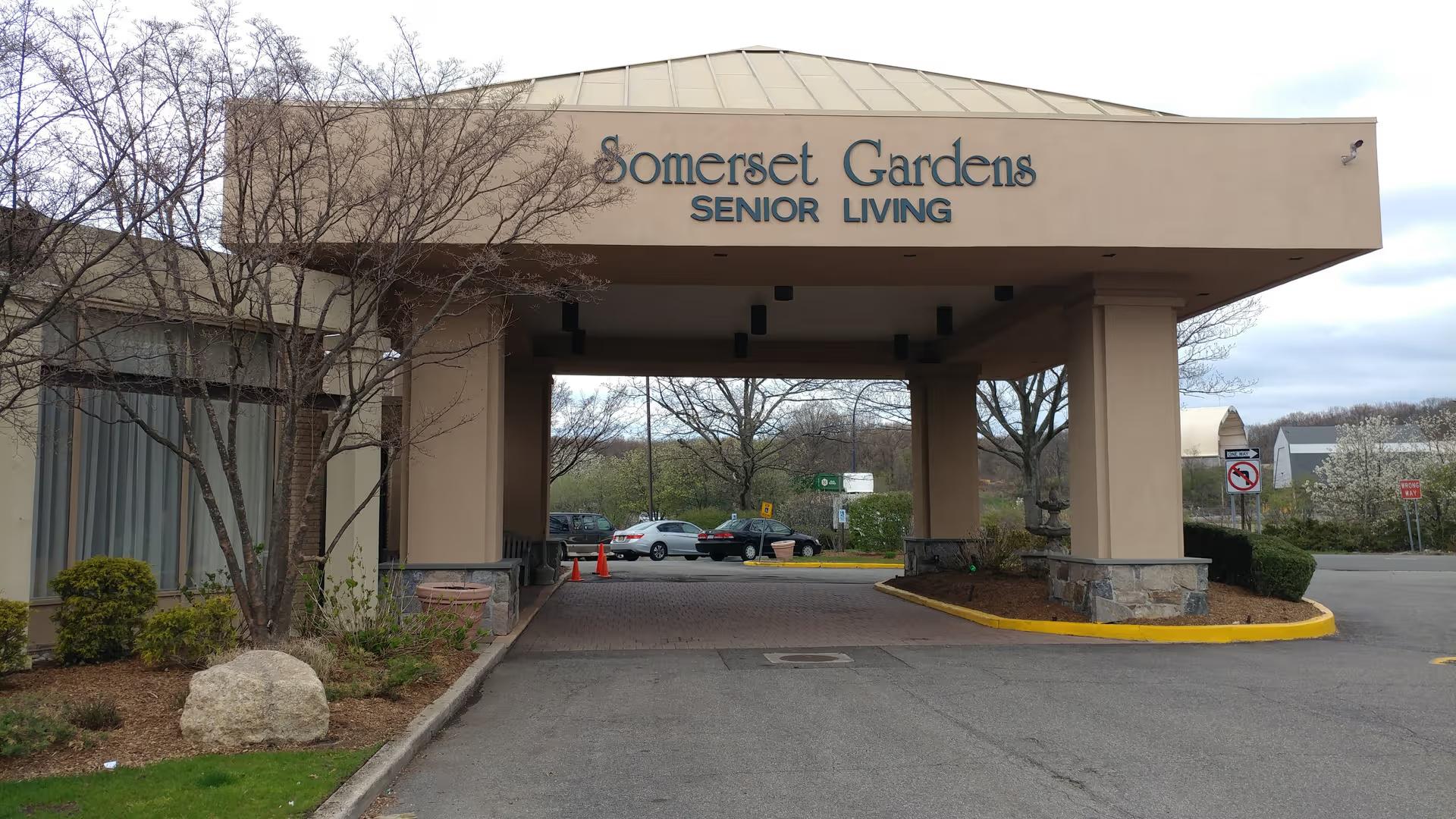
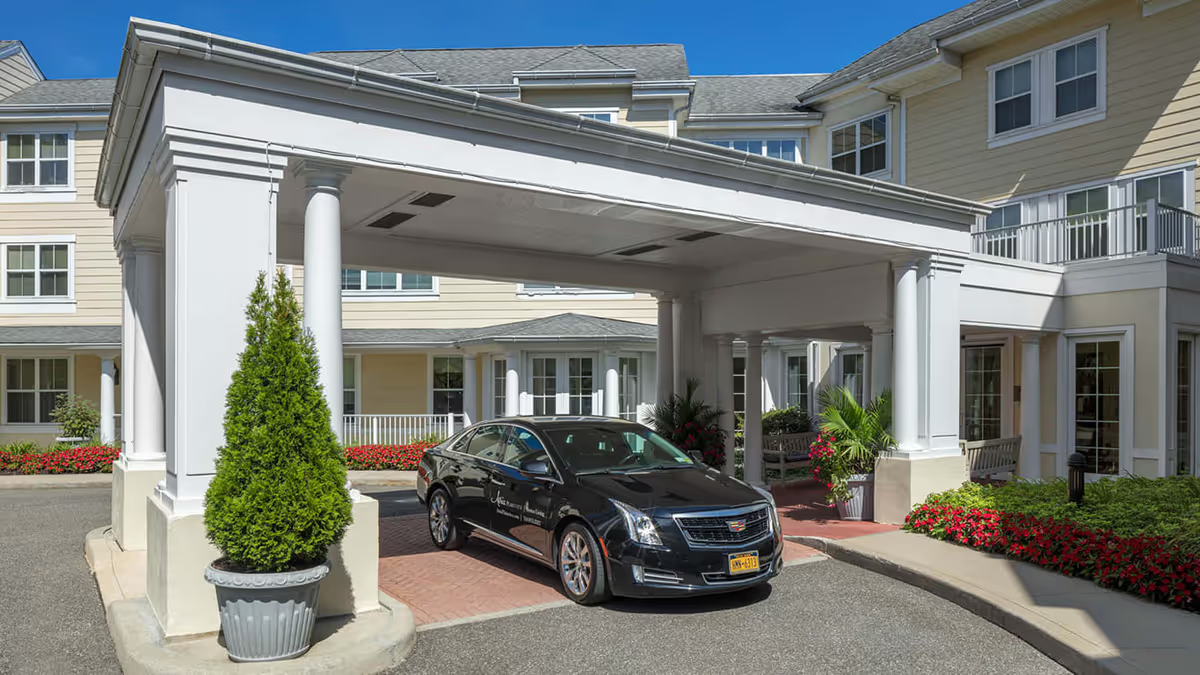
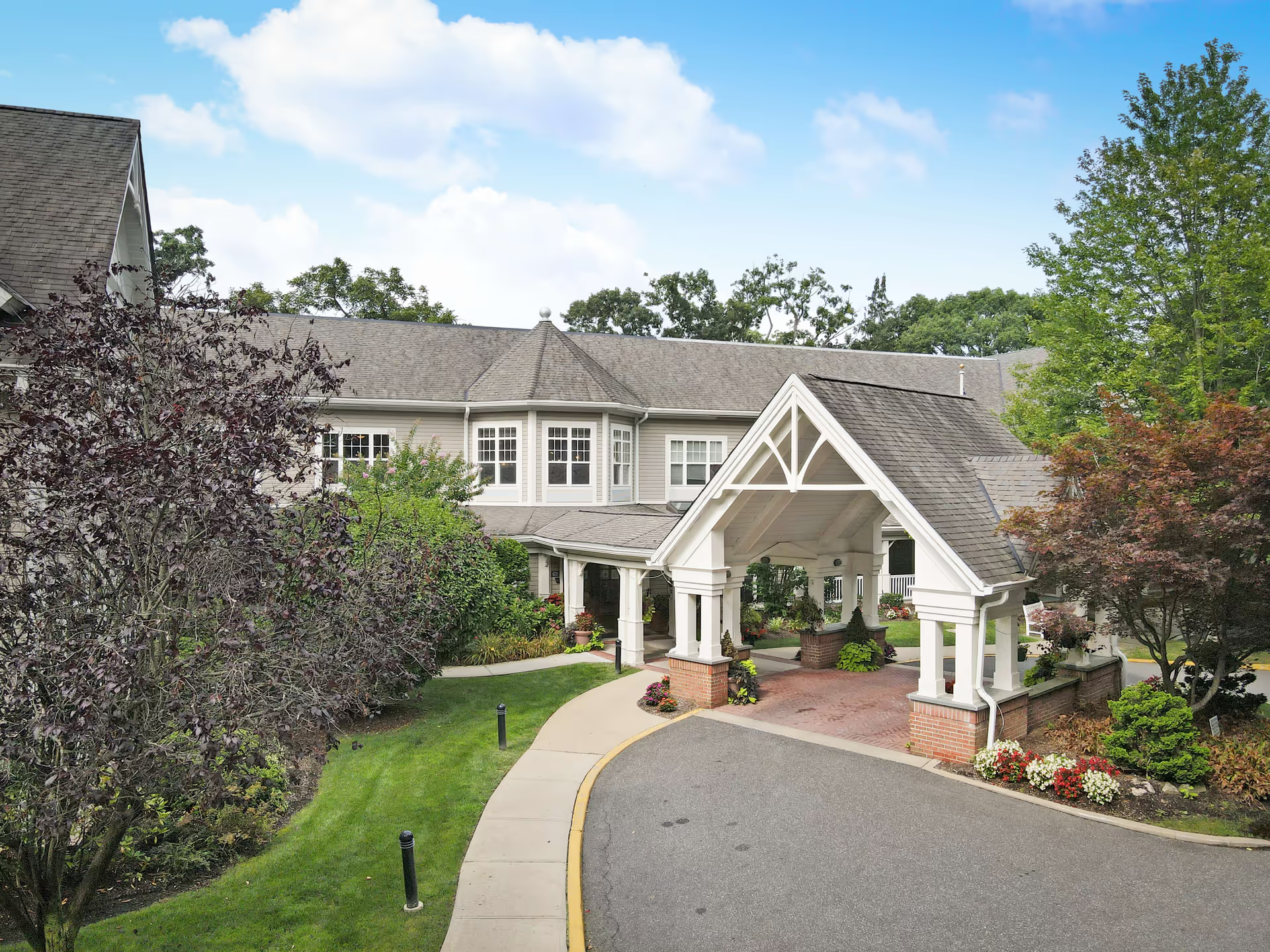
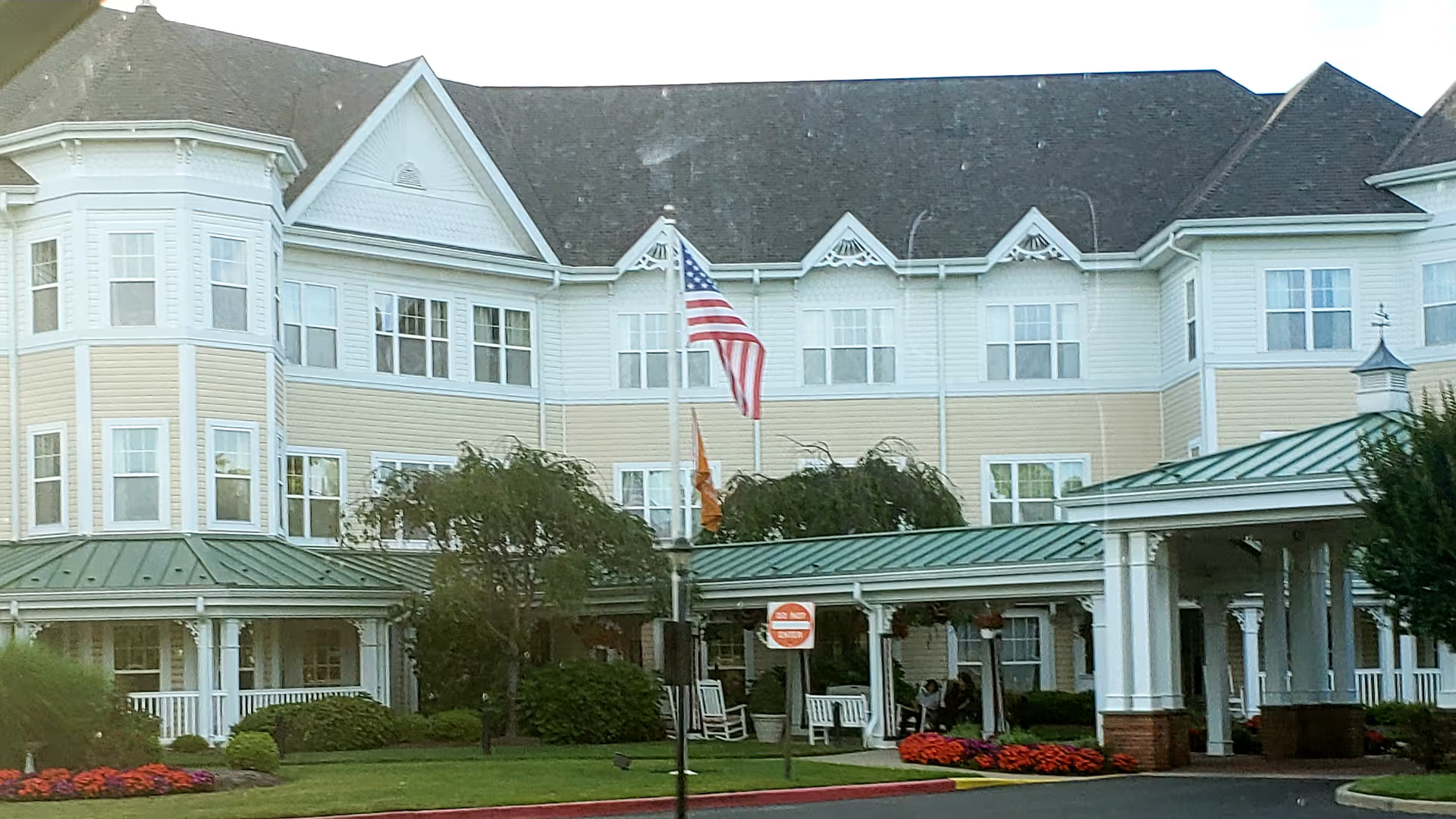
The Bristal at Jericho is consistently described as an attractive, clean, and thoughtfully designed community, with bright apartments and common areas and amenities that include a pool, movie theater, library, salon, fitness spaces, and multiple gathering areas. Residents and families often value the well-kept surroundings and the range of services available. Housekeeping and laundry are praised in several accounts, though one brief review raised concerns about housekeeping and food service.
Many families describe staff as welcoming, patient, and compassionate, and praise the support they received during move-in and adjustment. Admissions and administrative staff are often credited with answering questions and helping families navigate transitions. Recreation and wellness staff receive especially frequent praise. Families describe activities that promote social engagement, and memory-care programming is credited with bringing residents joy and encouraging participation. Some families also report improved confidence, mobility, or social connection after a move. However, care is not described as uniform: one family specifically noted that the experience depended on which staff members were working.
Dining is a strength in most accounts. Residents and families praise the meals, menu choices, and presentation, and describe communal dining as an opportunity to socialize. Activities include games, exercise classes, arts and crafts, movies, outings, and special programs. The breadth of options appears to support residents with differing interests, although participation varies by individual.
Wellness support is a significant part of the community’s appeal, with families citing on-site nursing or wellness services and access to physical and occupational therapy. At the same time, serious concerns were raised about the timeliness of clinical assessment and escalation. One family described difficulty obtaining a physician’s evaluation and updates during a resident’s decline that ended in the resident’s death; another raised concerns that a persistent cough was not promptly assessed for COVID before hospitalization. These accounts contrast with families who describe responsive wellness staff and helpful support. Prospective residents should ask how symptoms are assessed, when physicians are contacted, how test results are communicated, and what medical services are available on site.
Memory care has notably mixed feedback. Some families describe attentive, joyful programming and meaningful support, while others report concerns about supervision, communication, and whether the program can accommodate residents with higher or changing needs. One family described an exit-safety event, subsequent requirements for private round-the-clock aides, and a later request for the resident to leave. These concerns make it important to clarify security procedures, staffing and supervision practices, added-care costs, and criteria for continued residency before choosing the program.
Management and communication are also described inconsistently. Many families report accessible leaders and helpful follow-through, while others felt their concerns were not addressed or that expectations set during the admissions process did not match their experience. Cost is another consideration: at least one resident characterized the community as expensive, and a family described substantial additional aide costs. Overall, the reviews portray a polished community with strong amenities and many highly regarded staff members, alongside meaningful concerns about the consistency of care, clinical responsiveness, memory-care capacity, communication, and total cost.