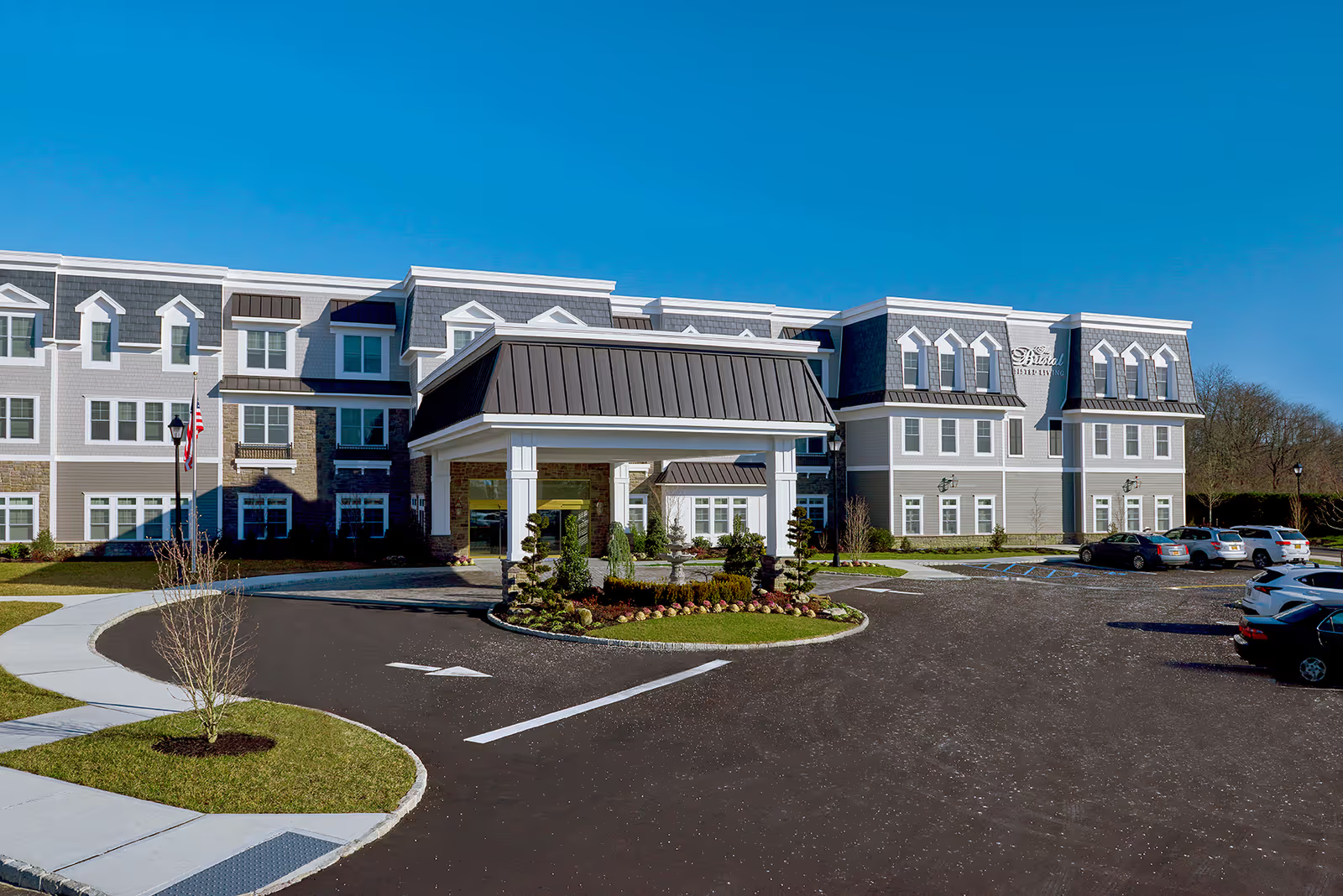
The Bristal Assisted Living at Westbury presents a mixed but generally positive picture. Strengths most consistently cited include a clean, well‑maintained interior, bright renovated common areas, and a staff that many families characterize as compassionate and attentive. The community offers robust programming — daily activities, arts and crafts, bingo, exercise classes, concerts, and organized outings — plus on‑site amenities such as a movie theater, salon, fitness/wellness spaces, and concierge/front‑desk support. Dining is frequently praised for restaurant‑style meals and variety, and many families note included housekeeping and laundry services and accessible transportation for events and appointments.
At the same time, reviews reveal operational patterns that prospective residents and families should evaluate. Clinical responsiveness and communication with families are inconsistent in some accounts, with several descriptions of slow follow‑up or unclear handoffs during health incidents; this is coupled in places with turnover or shortages in medical staff. Relatedly, there are recurring concerns about medication administration practices and the facility’s ability to meet higher‑acuity or memory‑care needs long‑term. Dining service quality also varies: while meals are often described as good, there are reports of limited menu rotation, slow service, and training gaps among dining staff.
Operational and contractual transparency are another area to examine closely. Multiple accounts point to non‑refundable upfront fees, extra charges for services (medication management, showers, salon), and unclear deposit/contract language. Physical plant issues such as ongoing renovations, single‑elevator bottlenecks, occasional outdoor/parking area odor, and noise from adjacent commercial activity were mentioned as intermittent disruptions. These factors can affect daily life and should be clarified during a tour.
Taken together, The Bristal at Westbury offers strong amenities, active programming, and a generally warm staff culture that many families find reassuring. However, variability in clinical responsiveness, staffing stability, dining service consistency, and fee transparency are notable patterns. Recommended next steps for prospective residents: review the contract carefully (ask about non‑refundable fees and add‑on charges), inquire about current staffing levels and clinical coverage, confirm medication‑administration protocols, observe meal service during a visit, and discuss contingency plans for higher‑acuity care or transfers. These targeted questions will help determine whether the facility’s strengths align with an individual’s care needs and financial expectations.