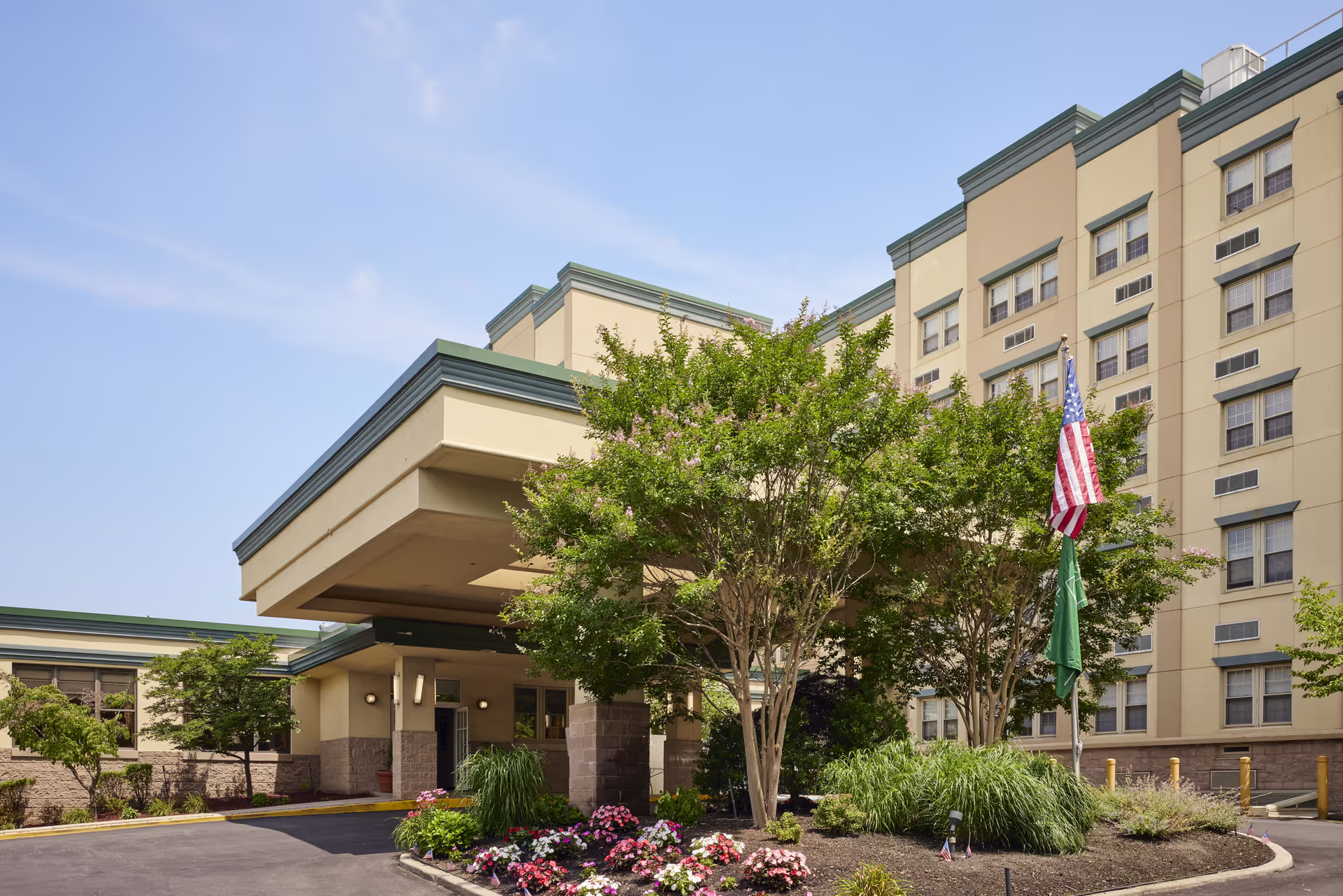
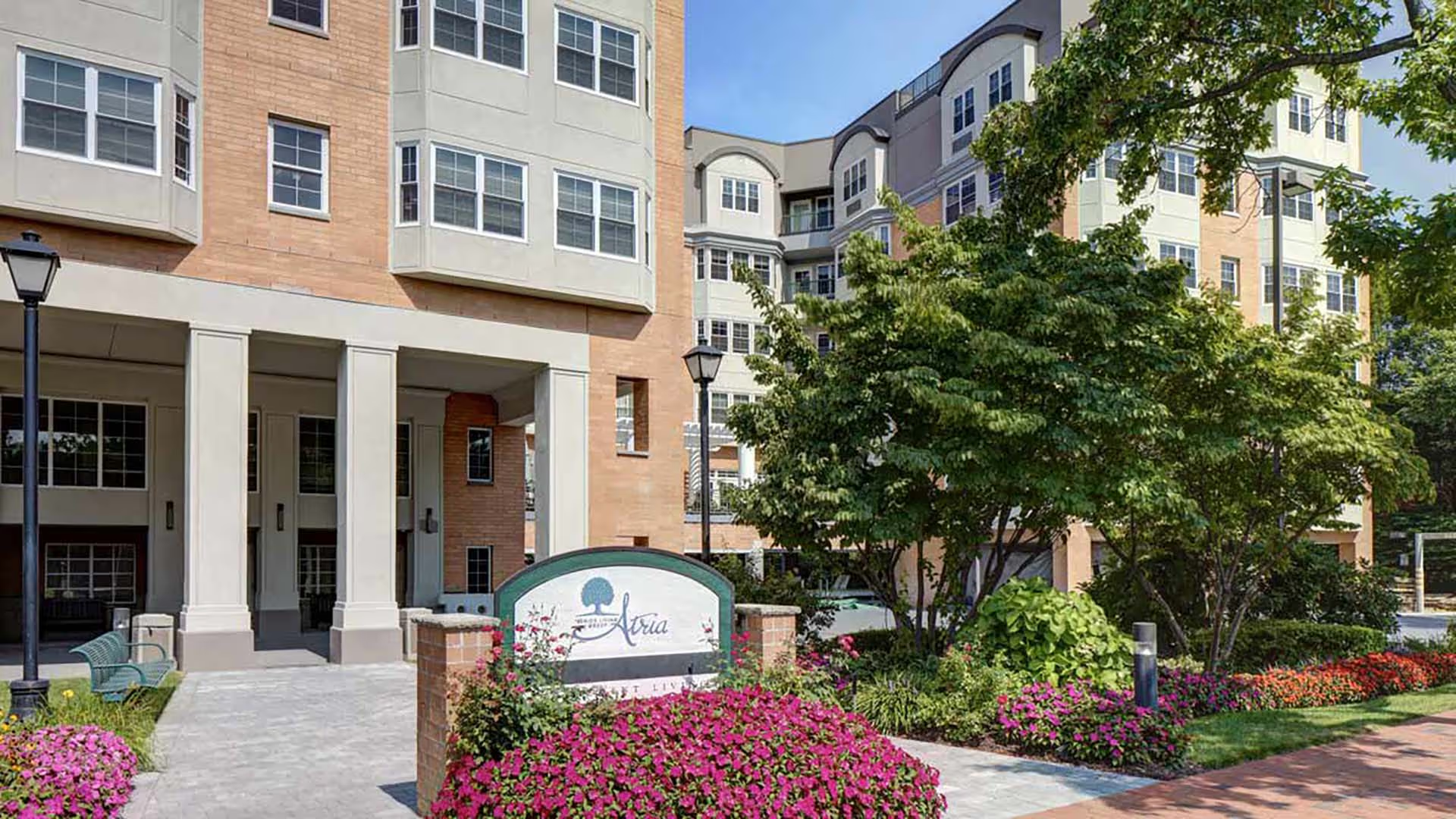
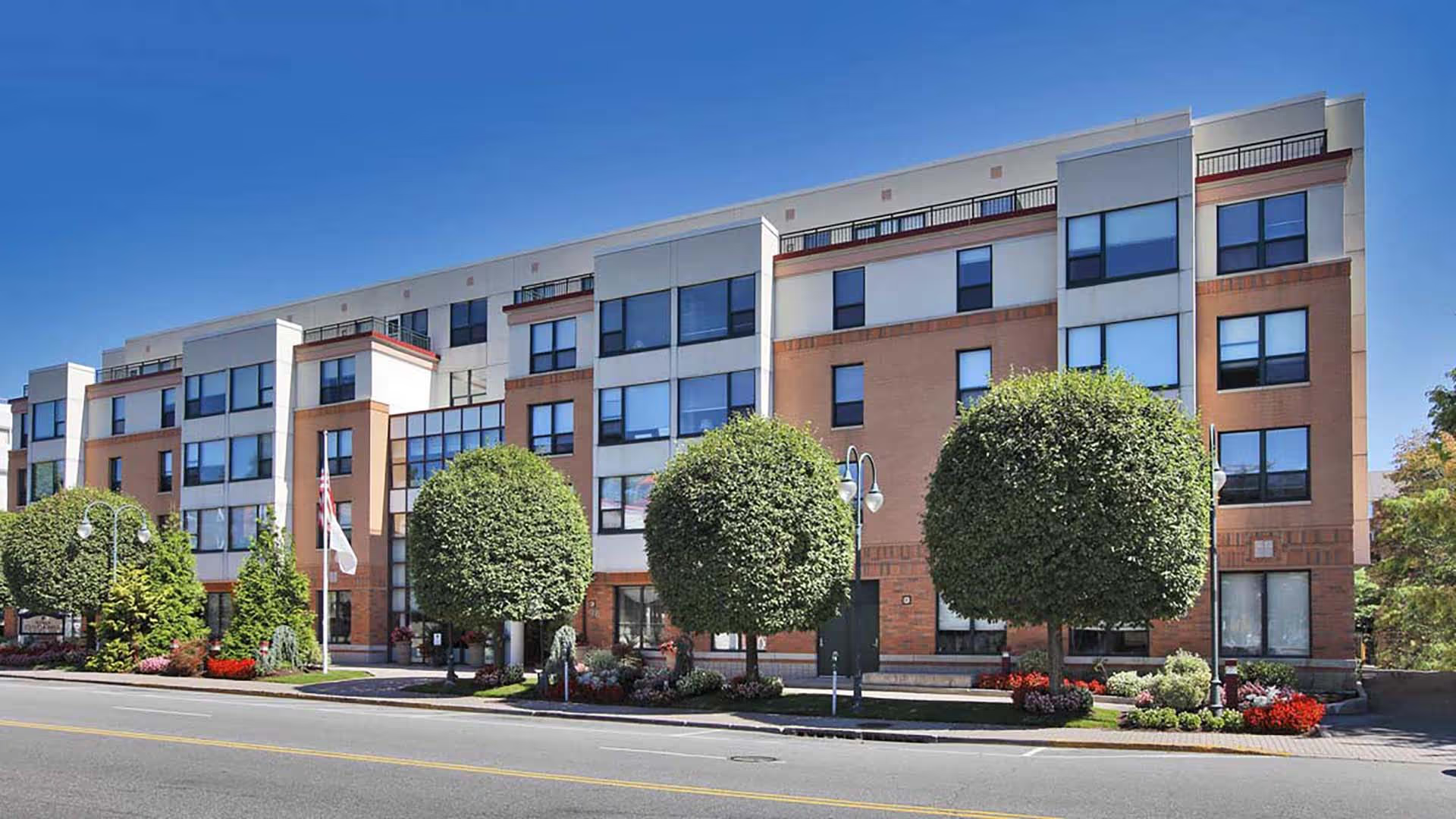
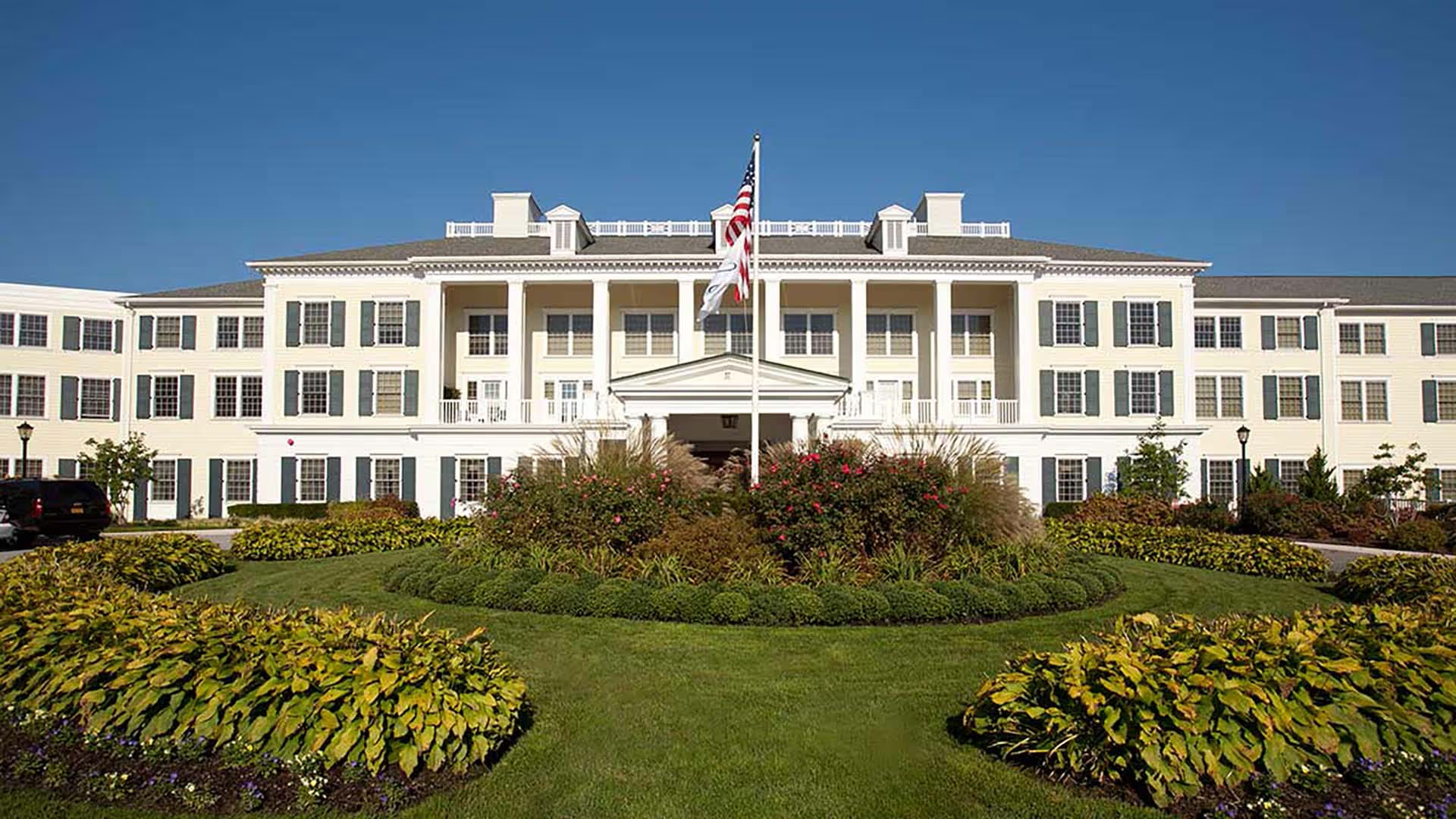
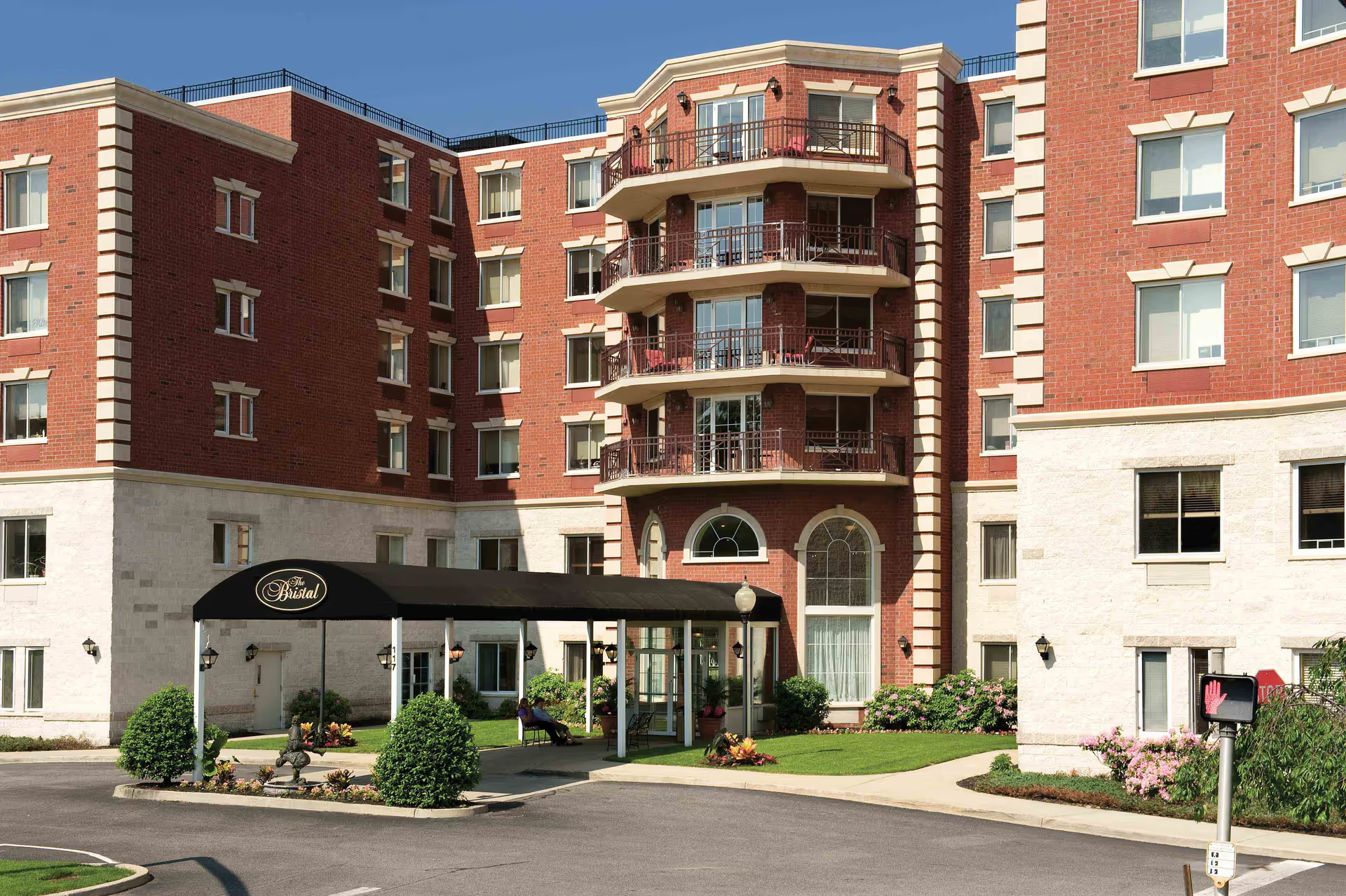
Overall impression: The Bristal at Lake Success presents as a well-appointed, hotel-like assisted living and memory-care community with notable strengths in environment, programming, and interpersonal care. Many families describe the physical plant as bright, spacious, and meticulously maintained; apartments are frequently described as roomy with large windows and thoughtful finishes. The community atmosphere is often characterized as warm and social, with festive events and opportunities for interaction that contribute to resident engagement.
Care and staff: Reviewers commonly highlight compassionate, respectful caregiving and a staff that learns residents' names and preferences. There is considerable praise for memory-care skill sets, on-site nursing and medical oversight, and individualized attention that supports calmer demeanors and increased verbal engagement among residents. At the same time, a recurrent operational concern is staffing stability: reviewers cite high staff turnover and periodic understaffing that can affect continuity of care. Linked to this, several families raised concerns about medication management errors and lapses in clinical processes; these indicate a need to confirm medication-administration controls and clinical oversight during any tour or intake discussion.
Dining and activities: Dining is a consistent strength — meals are described as varied, well-presented, and accommodating of preferences. Programming is another highlight: organized activities such as music programs, cooking classes, dance and strength therapies, and scheduled outings contribute to socialization and engagement. Families credit the recreation staff with motivating residents and creating opportunities for friendships. However, some reviewers noted that advertised outings and transportation options were inconsistent in availability, and occasional paid extras for excursions may not align with expectations set at admission.
Facilities and safety: The community's cleanliness, attractive layout, and dementia-friendly design are frequently praised. Reviewers appreciate the non-institutional, comfortable ambiance. Conversely, there are operational safety concerns raised around certain memory-care practices and transportation protocols; examples include unlocked or inadequately supervised common spaces and irregular driver availability. These point to gaps in day-to-day safety implementation rather than the physical condition of the building itself.
Management and communication: Experiences with management are mixed. Several families describe responsive, communicative administrators and directors who ease transitions and provide reassurance. Others describe difficulties reaching leadership, inconsistent responses from wellness/administration, a lack of reliable voicemail or message systems, and what they perceive as revolving-door leadership. Visitation policy rigidity is another area of family concern; some encounters left relatives feeling restricted or excluded.
Cost and ancillary services: The Bristal is positioned at a higher price point and many reviewers view the cost as justified by the quality of environment, meals, and staff dedication. Nevertheless, some families questioned value where operational inconsistencies exist — particularly around clinical reliability, transportation, and ancillary services such as laundry and the salon, which were described as uneven.
Recommendation for prospective families: The facility demonstrates strong strengths in interpersonal care, memory-care programming, activities, dining, and building upkeep. Prospective residents and families should verify current staffing ratios and leadership stability, ask for details on medication administration and clinical oversight, confirm transportation and amenity availability, and review visitation and communication procedures. Direct questions about how safety protocols are enforced in memory-care areas and how the community handles missed medications or clinical incidents will help assess fit and risk tolerance.