Somerset Gardens presents a mixed but largely favorable profile: many families highlight a warm, family-like culture, numerous on-site amenities, and staff who provide personal attention. The community offers a range of private apartment types with en-suite bathrooms and balconies, a hotel-like dining area, a movie theater, salon, library, and pleasant outdoor courtyards. Housekeeping and interior maintenance are commonly described as thorough, and the community runs a busy activities calendar with outings, bus trips, and a variety of social programs that many residents enjoy.
Care and staffing: Resident care is characterized in many accounts as compassionate and attentive, with particular praise for memory-care leadership and some named cottage coordinators who provide hands-on support and family communication. At the same time, reviewers describe variability in staffing and clinical performance. Nursing and aide coverage can be inconsistent—especially overnight and on weekends—which families link to delays in care, inconsistent clinical monitoring, and occasional incidents related to falls and transfers. There are also repeated concerns about medication-management processes and the timeliness of clinical responses for higher-acuity residents; these issues appear concentrated in particular units or time periods rather than uniformly across the campus.
Staff and management: The admissions team and several cottage-level leaders receive strong positive mention for being welcoming and communicative. Many families credit specific staff members with improving quality of life and providing regular updates. Conversely, administrative weaknesses surface in multiple areas: follow-through on requests is sometimes inconsistent, some families have experienced billing and privacy-process lapses, and there are isolated accounts of unprofessional handling of deposits or paperwork. Communication about COVID-era visitation and operational changes was praised in some cases and described as inconsistent in others.
Dining and activities: Dining is a clear strength in format—restaurant-style service, flexible seating, and multiple entrée choices are noted frequently. Opinions about food quality vary: some residents and families praise the chef and menu options, while others report inconsistent preparation and limited variety over time. The activities program is extensive and includes cognitively appropriate offerings in memory care, outings, and frequent social events; however, some families feel programming can be repetitive, not sufficiently person-centered, or limited for residents with higher levels of cognitive or mobility impairment.
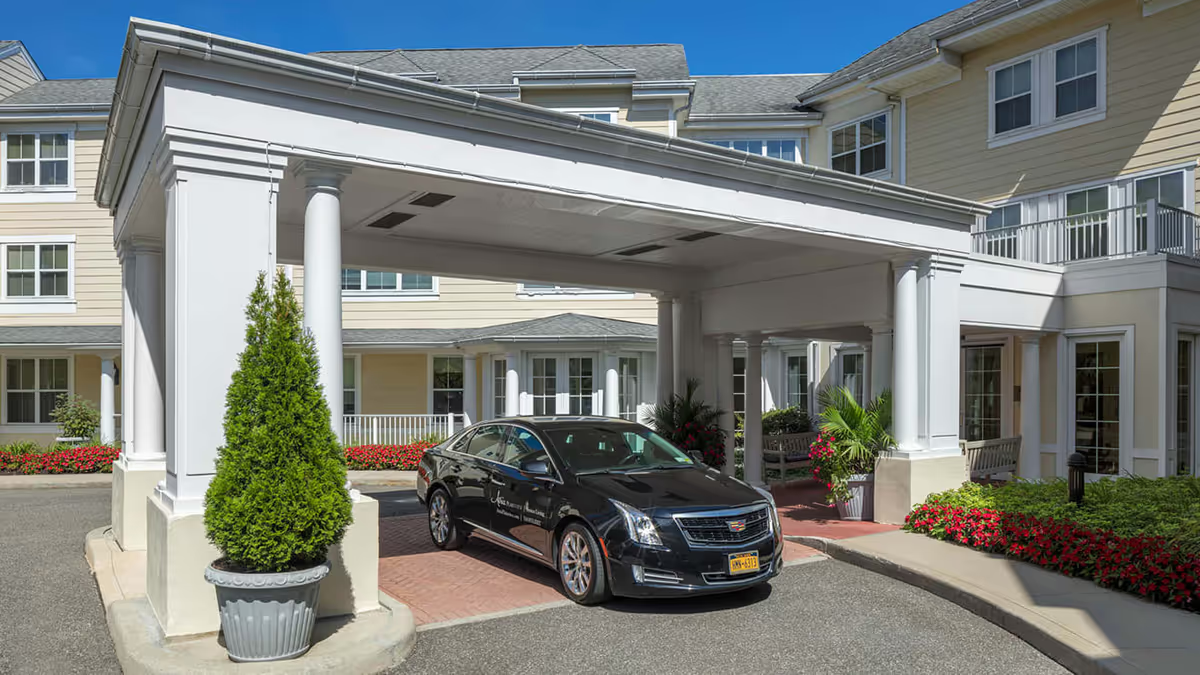
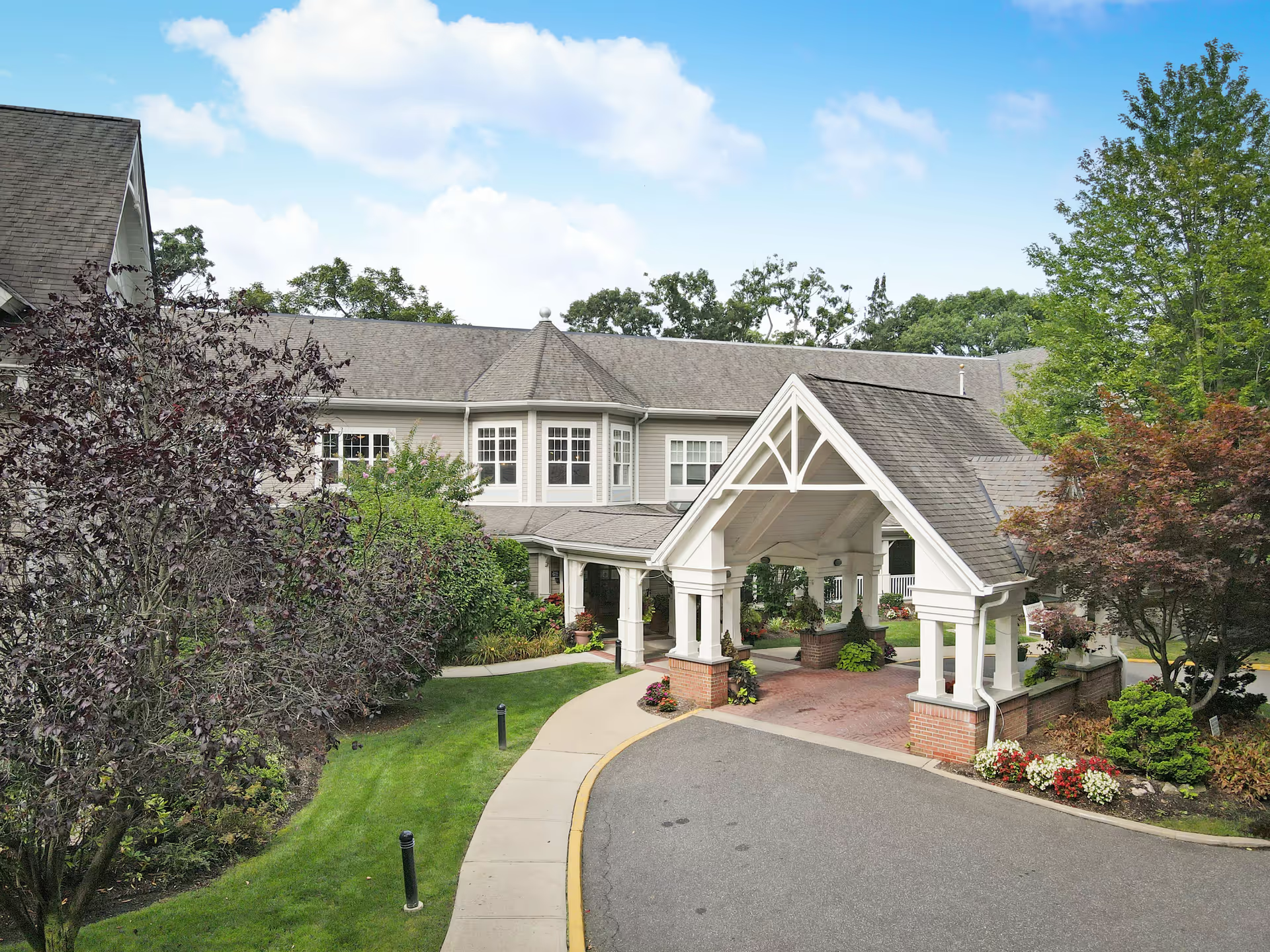
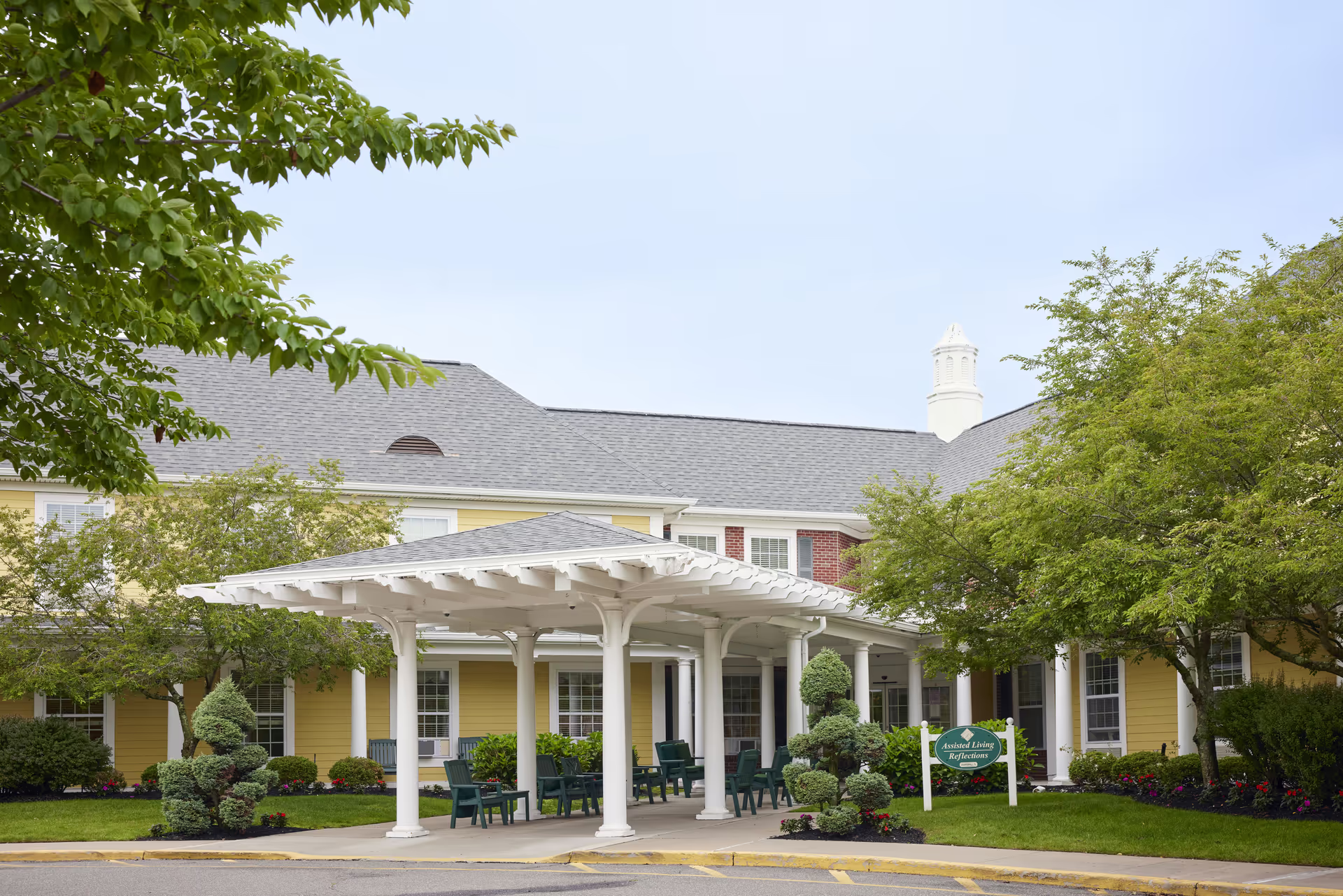
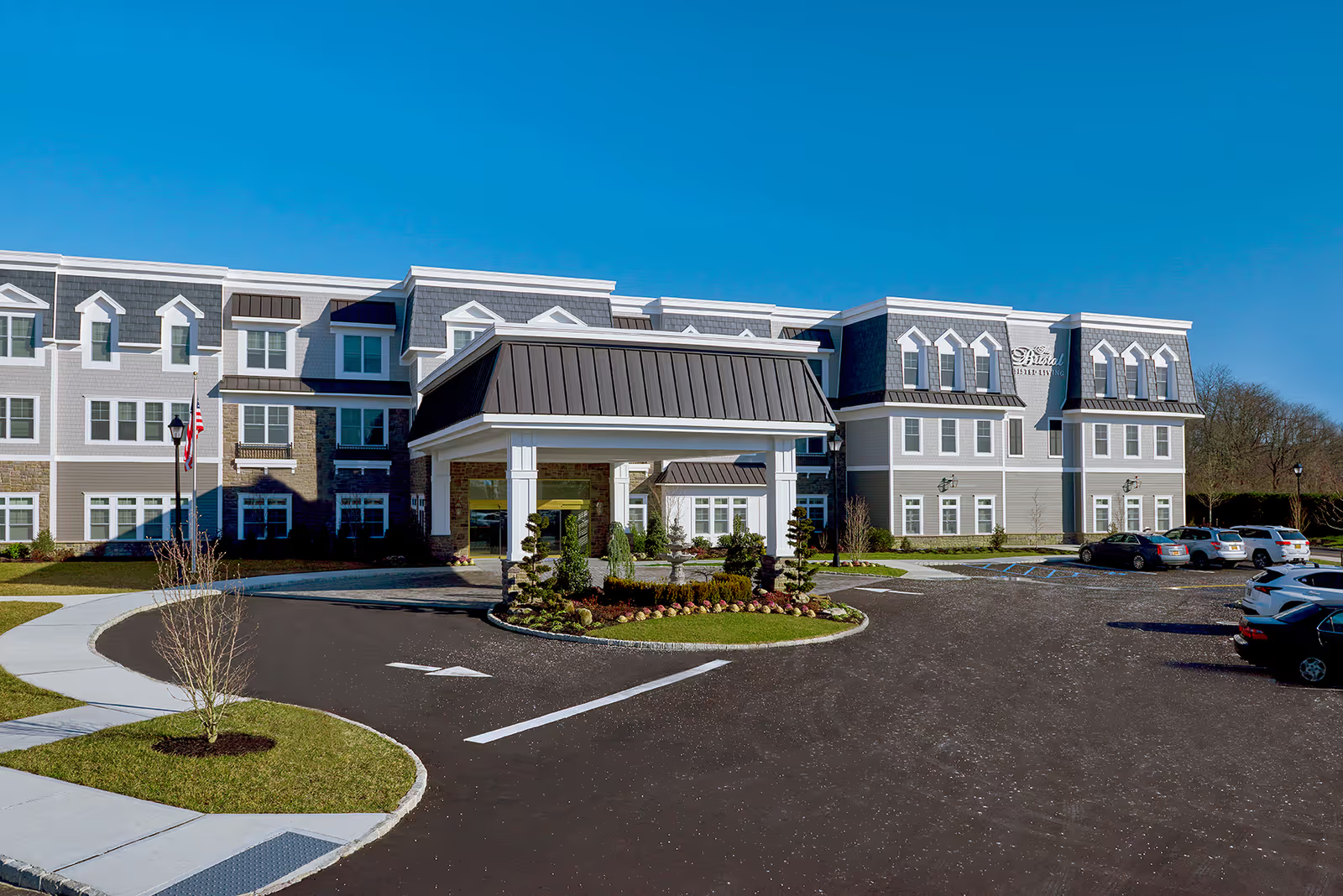
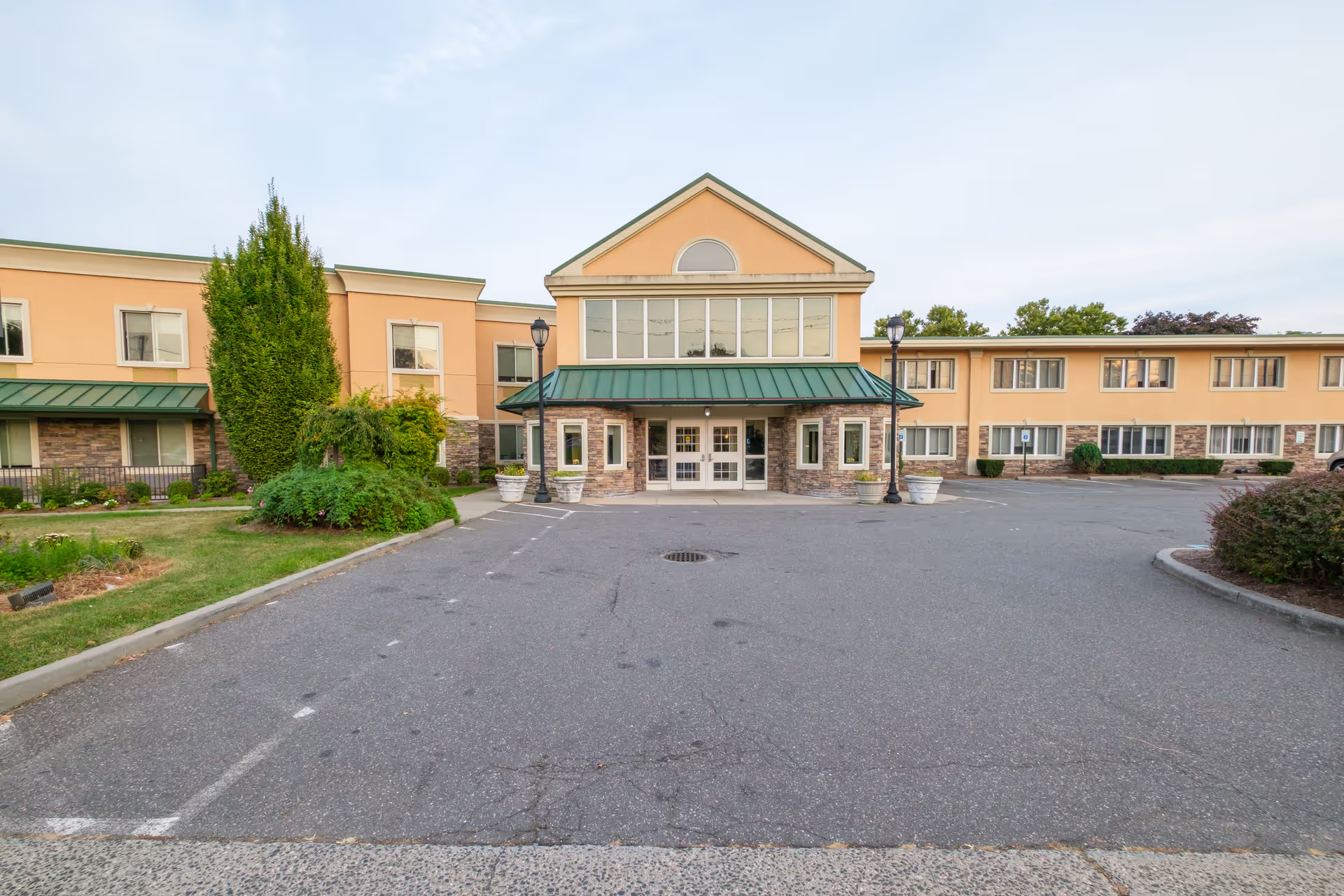
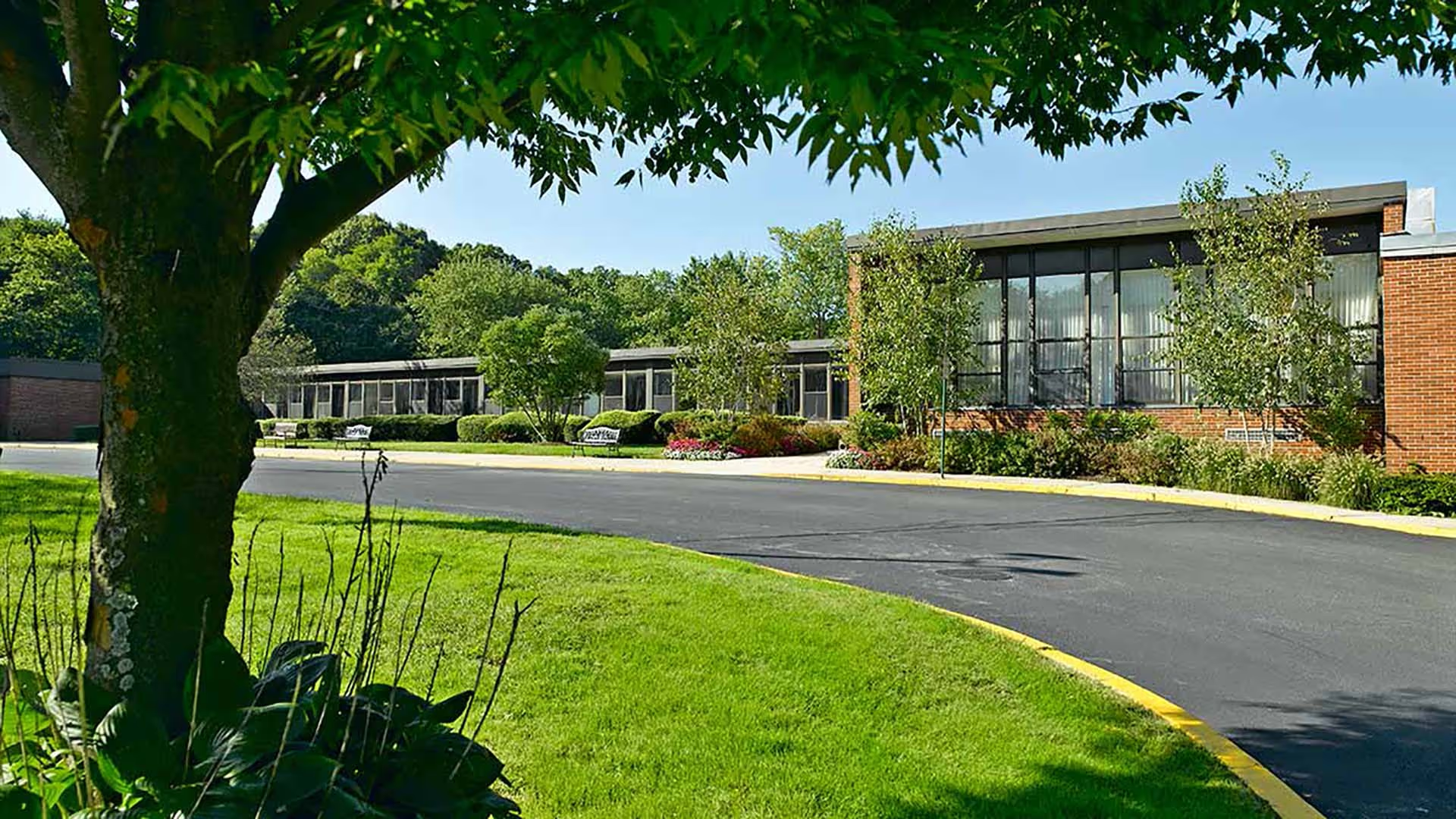
Facilities and logistics: Interior spaces are often described as clean, bright, and well cared-for, with attractive common areas. The campus, however, is a conversion of an older building in places; reviewers mention dated exterior elements, parking limitations, uneven sidewalks, and areas that would benefit from further renovation. The physical layout—long distances between some apartments and communal dining or activity spaces—can present mobility challenges for less-mobile residents. Additional operational notes include occasional extra fees (for certain accessibility needs or services) and variable availability of in-house transportation for medical appointments.
Value and notable patterns: Value perceptions vary. Many families find Somerset Gardens competitively priced for the amenities and memory-care expertise available; others feel costs are high relative to inconsistent care in specific situations. A consistent pattern in the reviews is the contrast between strong personal relationships with specific staff and systemic operational gaps (staffing consistency, clinical-monitoring practices, and administrative processes). Prospective residents and families should weigh the community’s strengths—compassionate staff, active social programming, and convenient amenities—against the potential for variability in clinical responsiveness, dining consistency, and logistical/fee transparency. A recommended next step is an in-person tour during a mealtime and an activity period, with direct questions about staffing ratios, medication oversight, fee details, and fall-prevention protocols before making a placement decision.