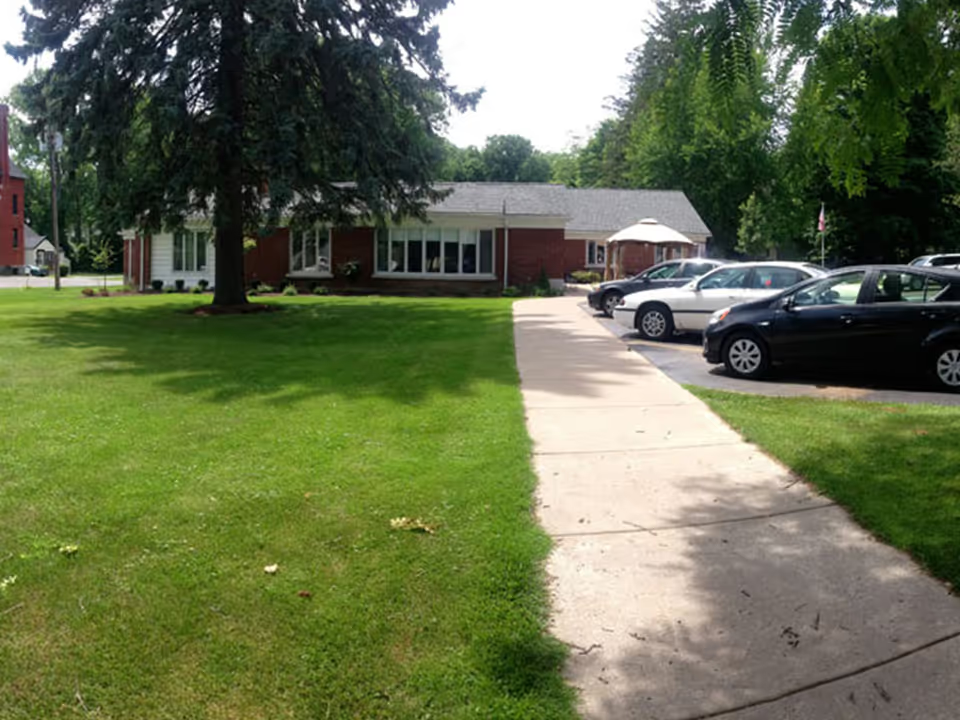
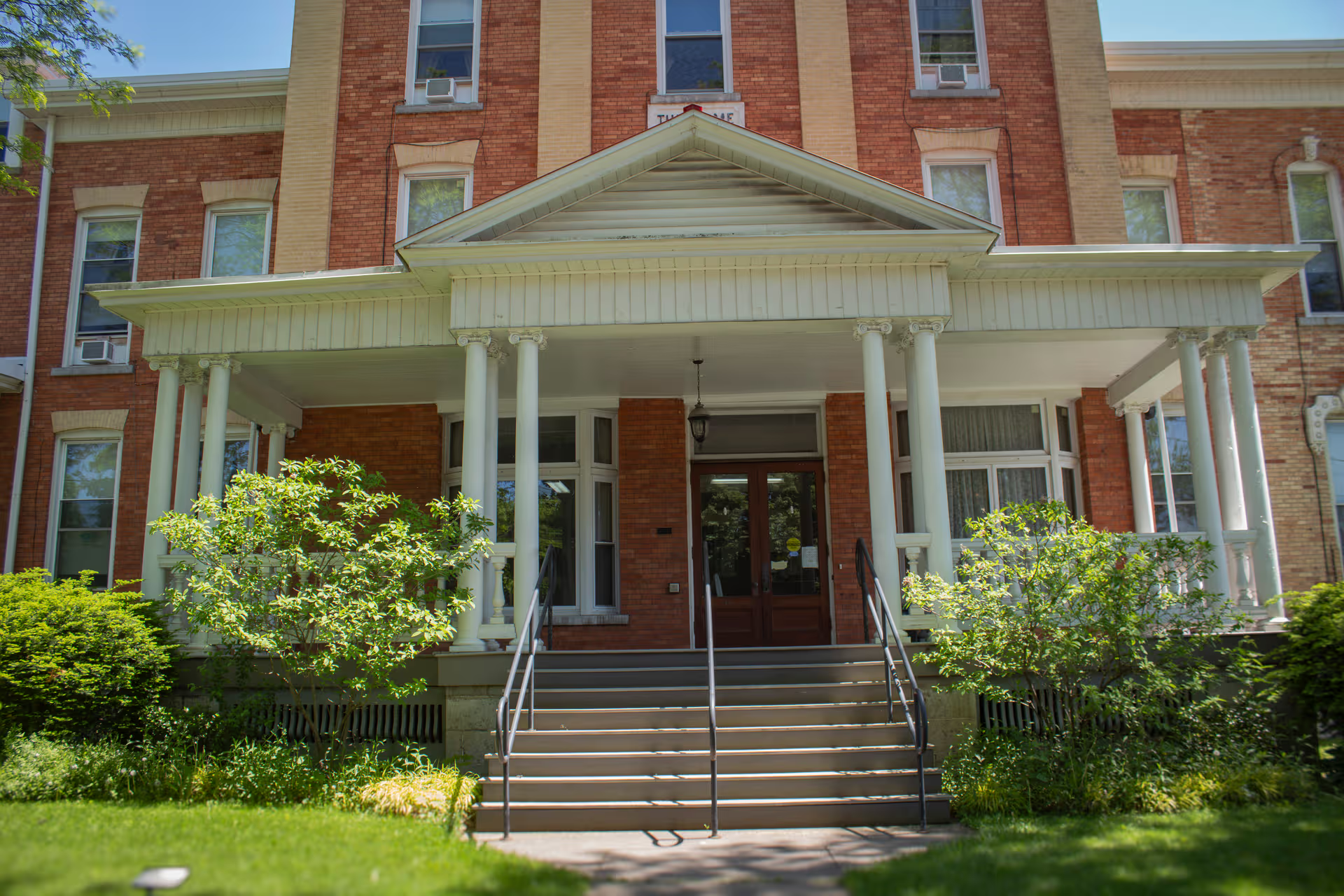
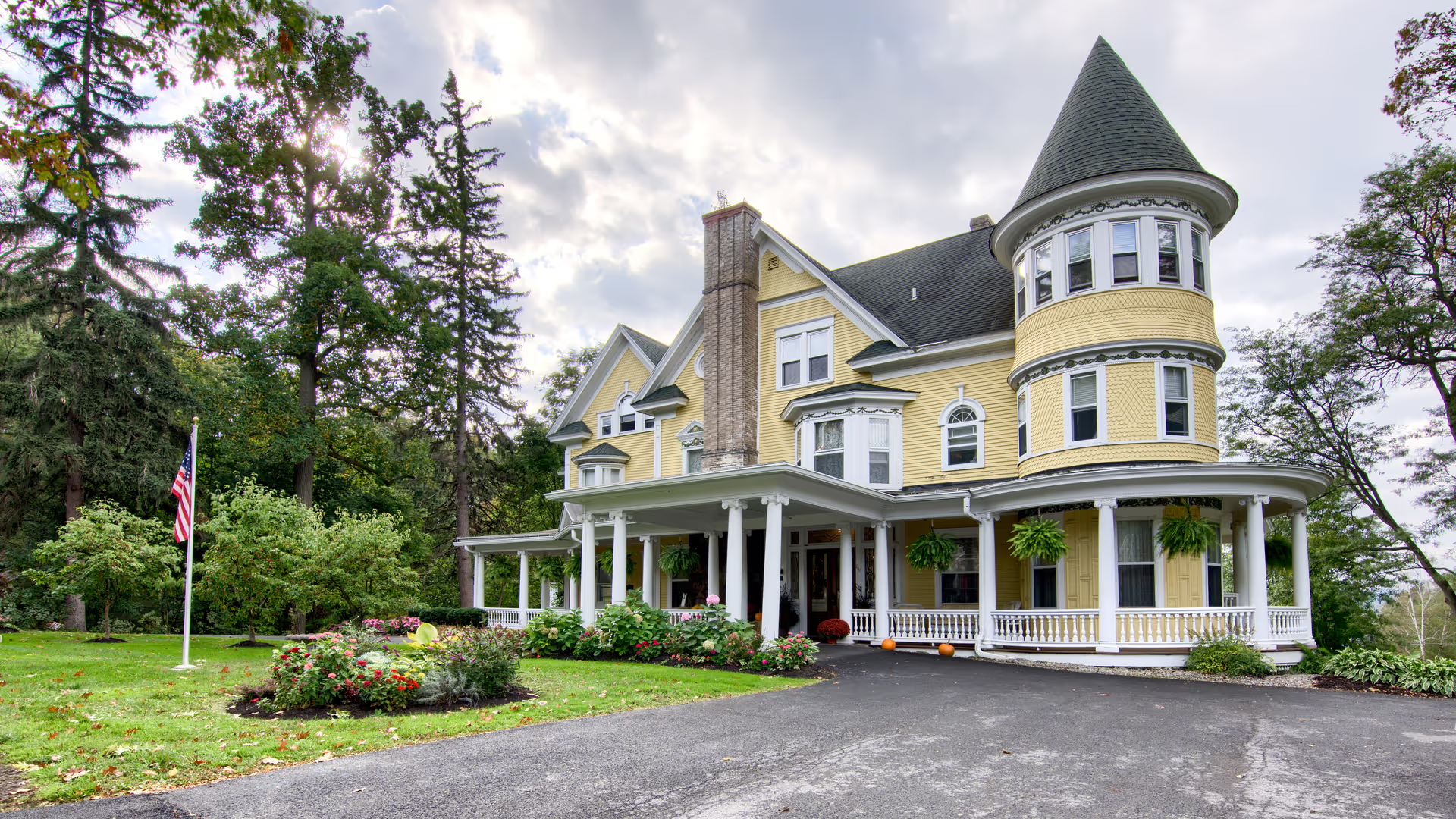
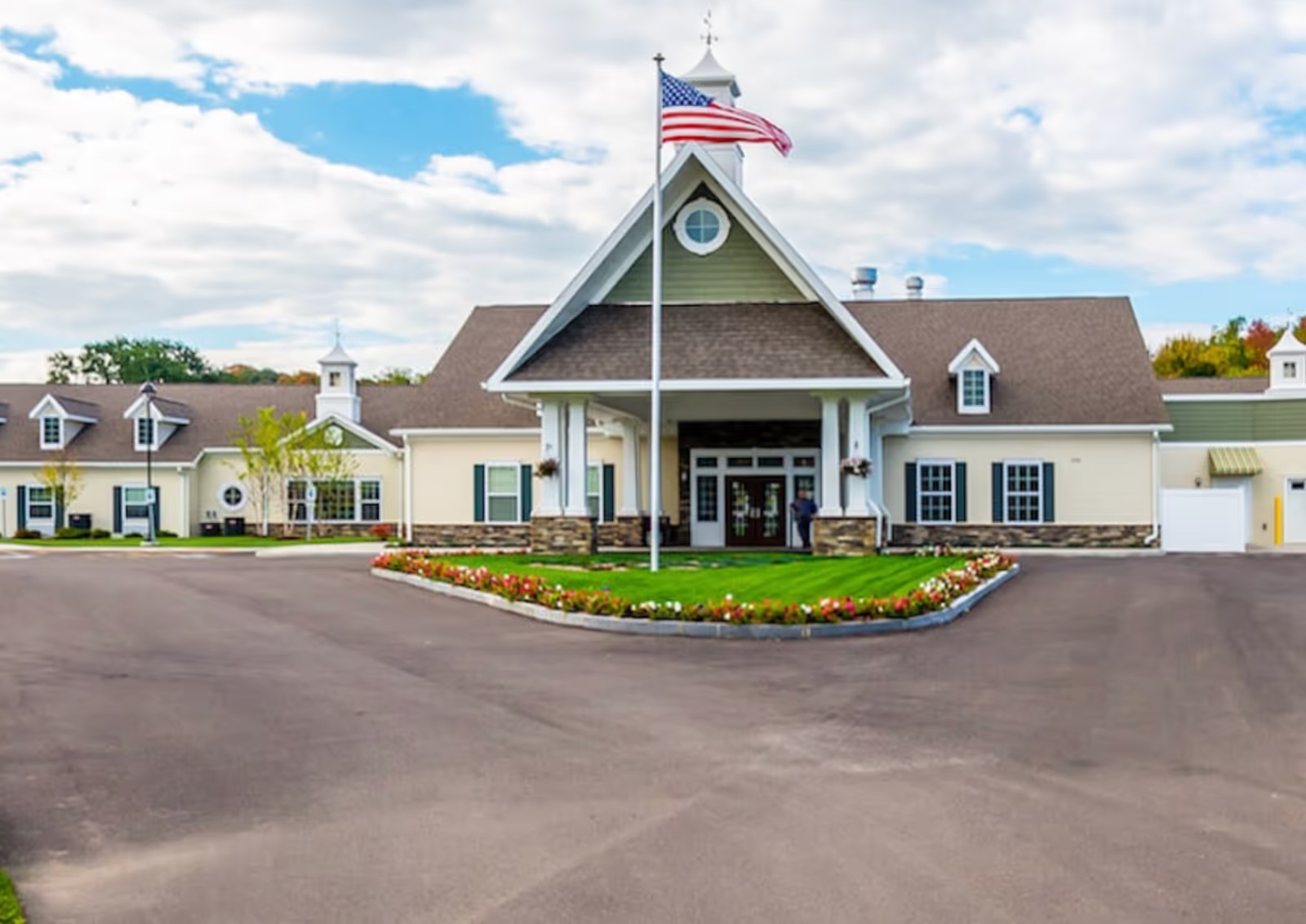
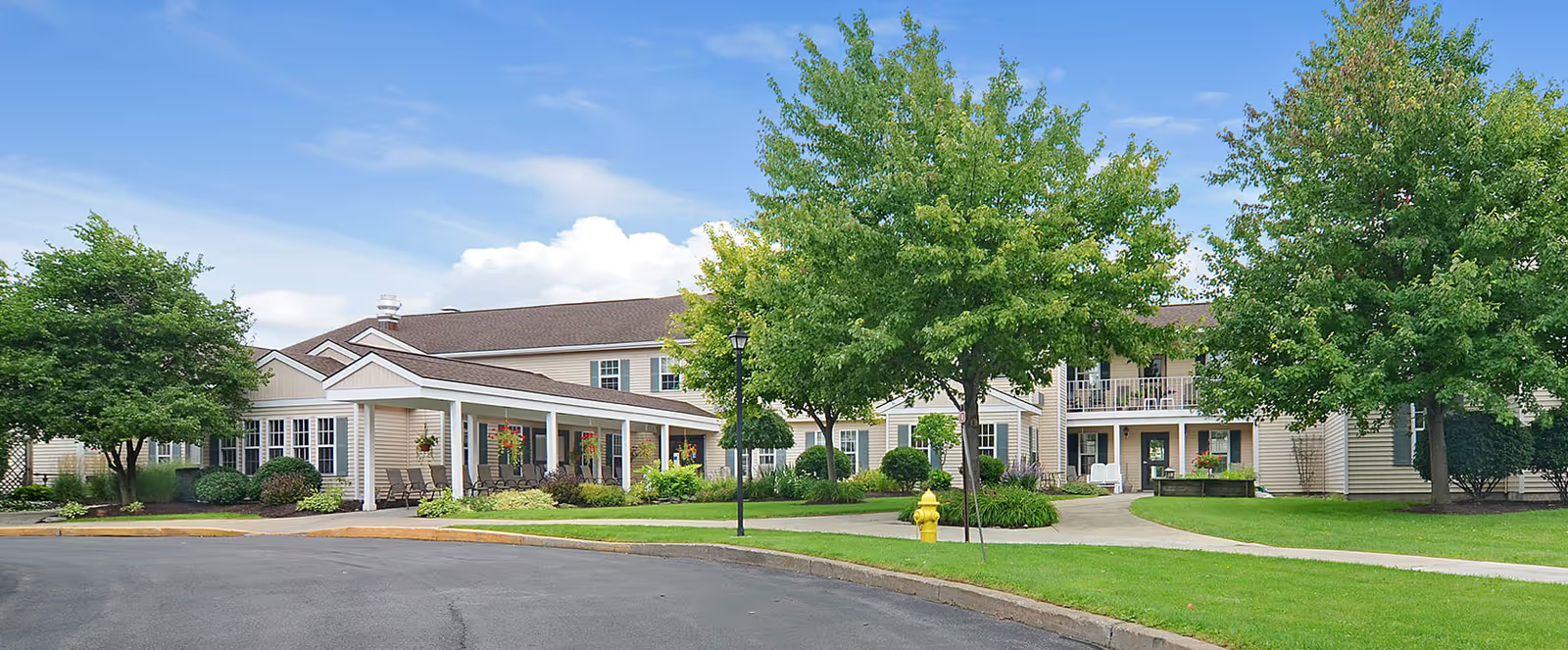
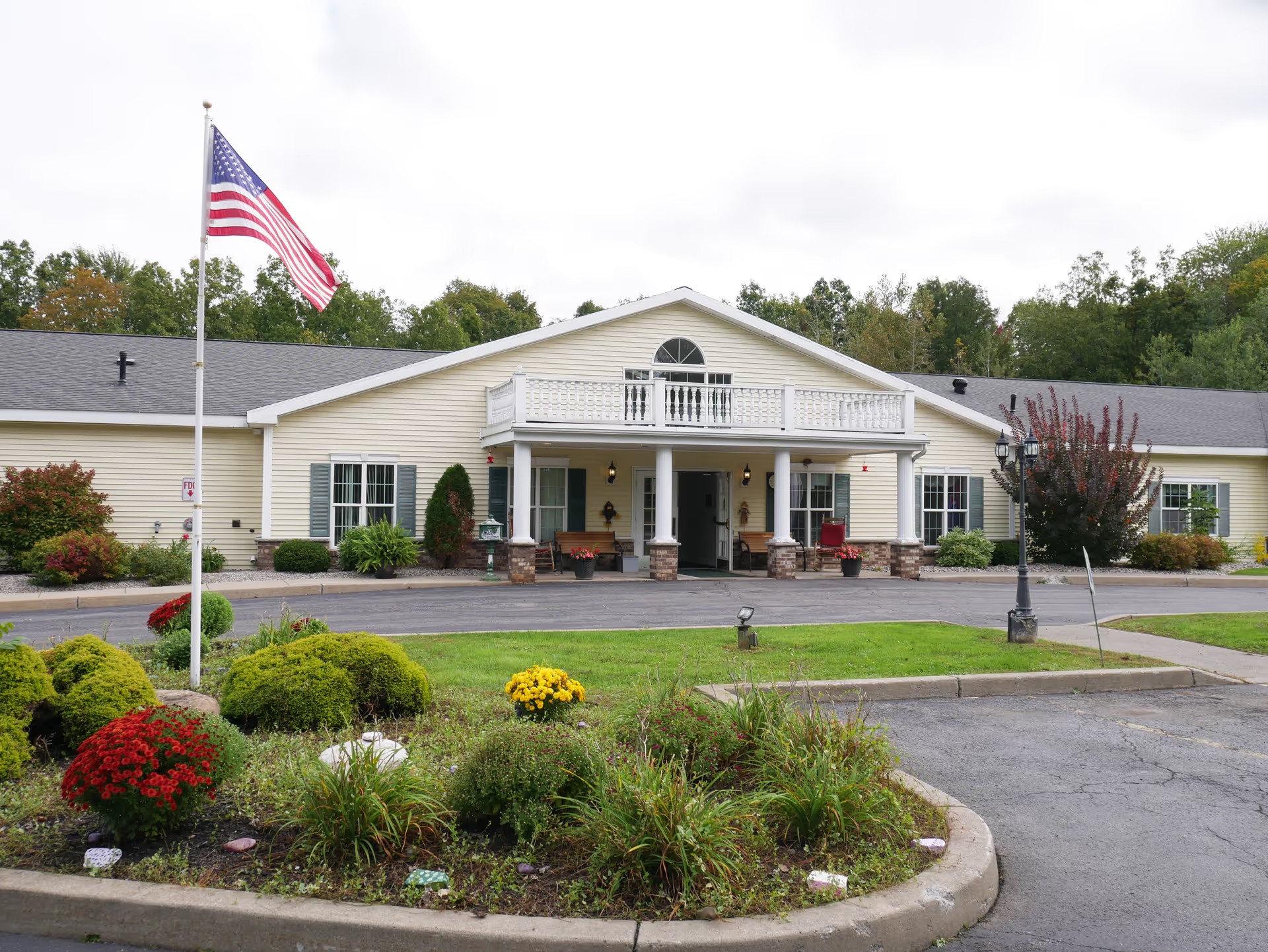
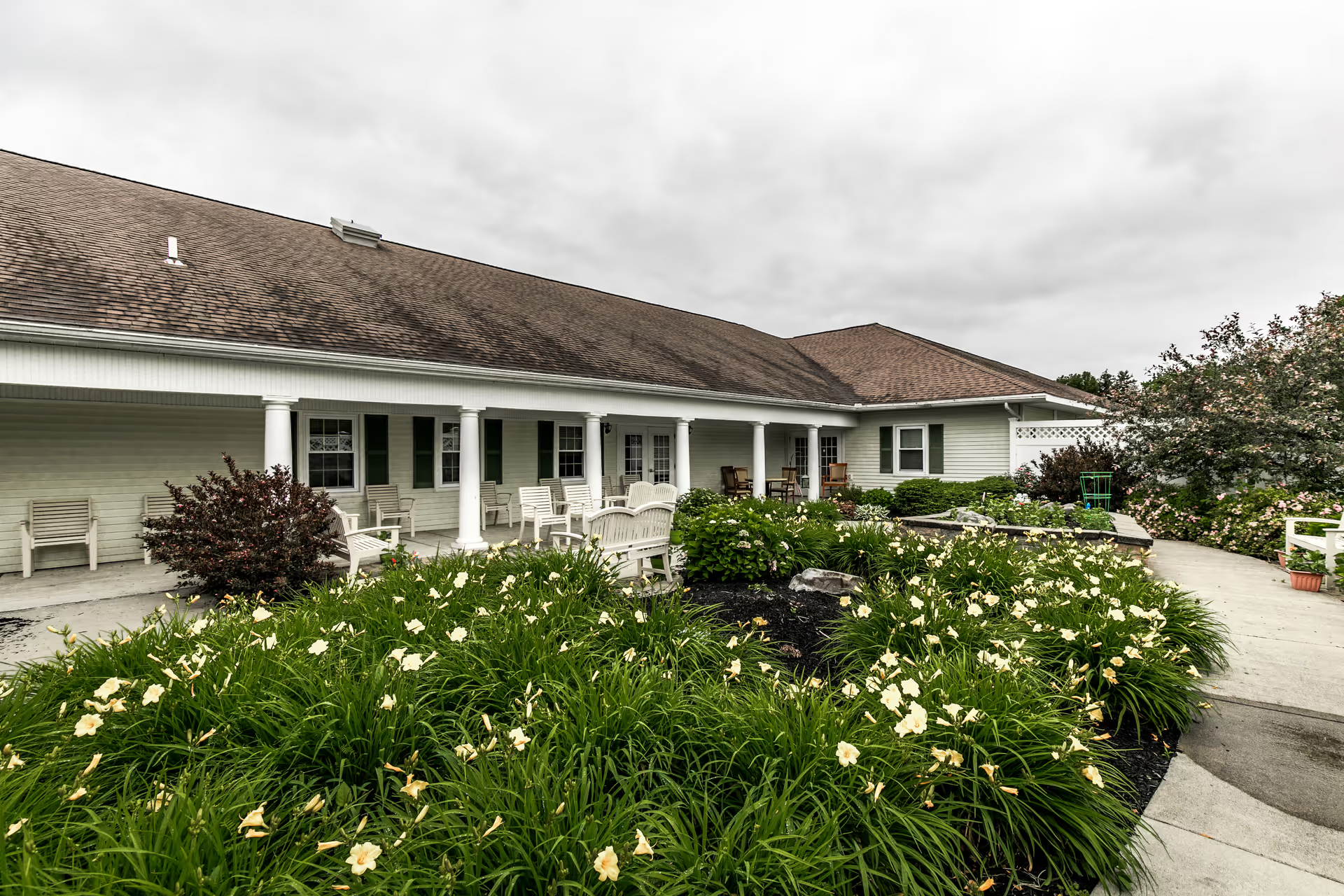
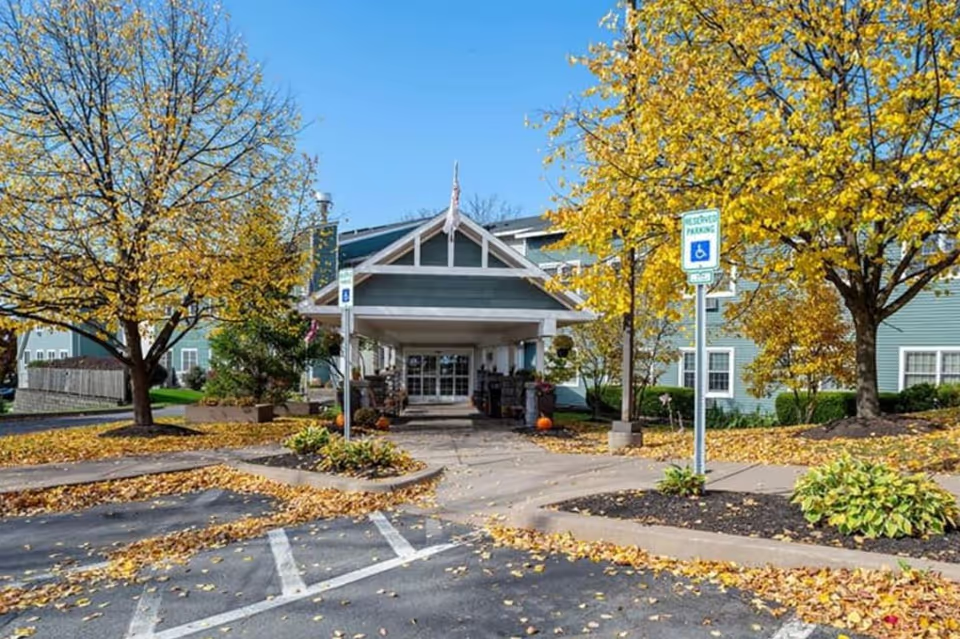
The Commons on St. Anthony elicits a strongly mixed set of impressions. Many reviewers praise the physical plant — a modern, well‑maintained building with inviting rooms and convenient on‑site amenities — and the facility offers a recognizable short‑term rehabilitation program with accessible therapy spaces. At the same time, a substantial number of comments describe persistent operational issues that affect long‑term resident experience and family trust.
Care quality and staffing present a clear pattern: the short‑term rehab floor and therapy teams receive consistent positive feedback for skilled, compassionate physical and occupational therapy and attentive floor staff. Conversely, long‑term care areas are more frequently associated with staffing shortages and longer waits for assistance. Multiple accounts describe slow responses to call bells and delays in attending to resident needs; reviewers characterize these as systemic workload and staffing problems rather than isolated incidents. There are also specific clinical concerns raised about medication handling, allergy and wound‑care processes, and care continuity during unit relocations, which point to gaps in clinical oversight and handoffs.
Dining, housekeeping, and sanitation elicit divergent experiences. Some families note friendly, thorough housekeeping and satisfactory meals, while others report inconsistent meal temperature and limited menu choices, and instances where individualized diet plans were not followed. Separately, sanitation and odor concerns in certain resident‑care areas, as well as incontinence‑care delays, appear frequently enough to be a pattern rather than single occurrences. Pest‑control concerns are mentioned and several reviewers describe dissatisfaction with how such issues were handled and remediated.
Activities and resident engagement are commonly listed as strengths: music programs, movies, visits from volunteers, and personalized attention are described positively and appear to contribute to resident well‑being, particularly on rehabilitative units. The facility also manages a dementia‑specialized unit and is noted by some families as having trained staff and appropriate programming for cognitive impairment.
Management, transparency, and complaint handling are consistent sources of family frustration. Reviews describe slow or absent administrative responses, unclear communication regarding transfers and contracts, and inconsistent follow‑through on complaints. There are also serious allegations concerning admissions practices for certain veteran populations and mishandling of resident belongings and estate matters; these are significant concerns for families and would warrant direct confirmation with the facility and, if appropriate, regulatory inquiry.
Notable patterns for prospective residents and families: the short‑term rehab experience is often rated positively and may be a good fit for post‑surgical recovery; however, long‑term placement experiences appear more variable and are more likely to be affected by staffing and administrative issues. Before making a placement decision, ask to tour both the rehab and long‑term units, confirm current staffing levels and call‑bell response metrics, review pest‑control and infection‑control procedures, request examples of dietary accommodation processes, and obtain written policies on transfers, personal‑property handling, and grievance resolution. These steps will help align expectations with the parts of the facility that are consistently praised and identify operational areas that families commonly flag for follow up.