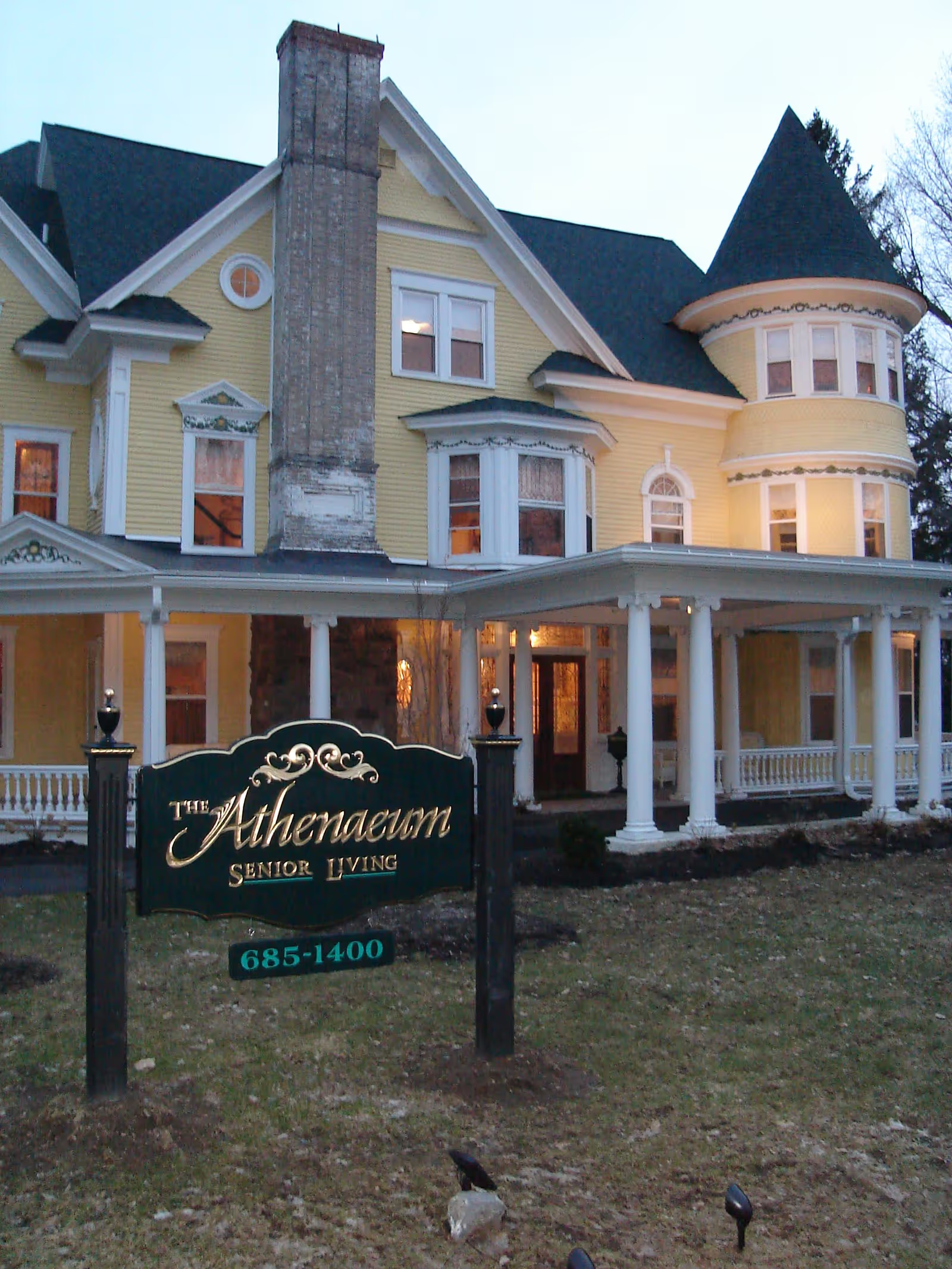
Overall impression: Reviews indicate a facility with strong rehabilitative capabilities and many staff who provide compassionate, recovery-focused care, particularly in physical and occupational therapy. Several accounts describe attentive CNAs and nurses, clean common areas and rooms, active communal spaces where residents socialize, and staff who help coordinate safe discharges home. At the same time, reviewers identify repeated operational weaknesses that affect day-to-day resident experience and safety.
Care quality and clinical operations: Therapy and hands-on care are frequent strengths — many families describe meaningful functional gains and excellent PT/OT engagement. Concurrently, there are consistent concerns about timeliness of basic assistance (slow responses to call bells) and medication administration delays. These operational gaps are associated with elevated safety concerns during transfers and mobility assistance, and with frustration around pain-management timeliness. End-of-life and comfort-care interactions were described positively in several accounts, indicating variability in clinical attention depending on unit or shift.
Staffing, communication, and conduct: Staff are commonly characterized as kind, polite, and professional; multiple reviews single out individual nurses, CNAs, and therapy staff for being caring and persistent. However, staffing levels and staffing consistency appear to be ongoing issues: understaffing is linked to delayed responses and reduced attentiveness. Reviewers also cite inconsistent communication skills (including language barriers) and uneven family notification after incidents. These points suggest variable staff training, supervision, and shift-to-shift continuity.
Dining and activities: The facility offers social activities and communal dining opportunities that many residents enjoy; dining areas are used for games and interaction. Comments about food are mixed: kitchen staff receive praise for effort and service, but many reviewers describe the meals as unappealing or of inconsistent quality. Meal-service continuity and menu quality emerge as areas needing improvement.
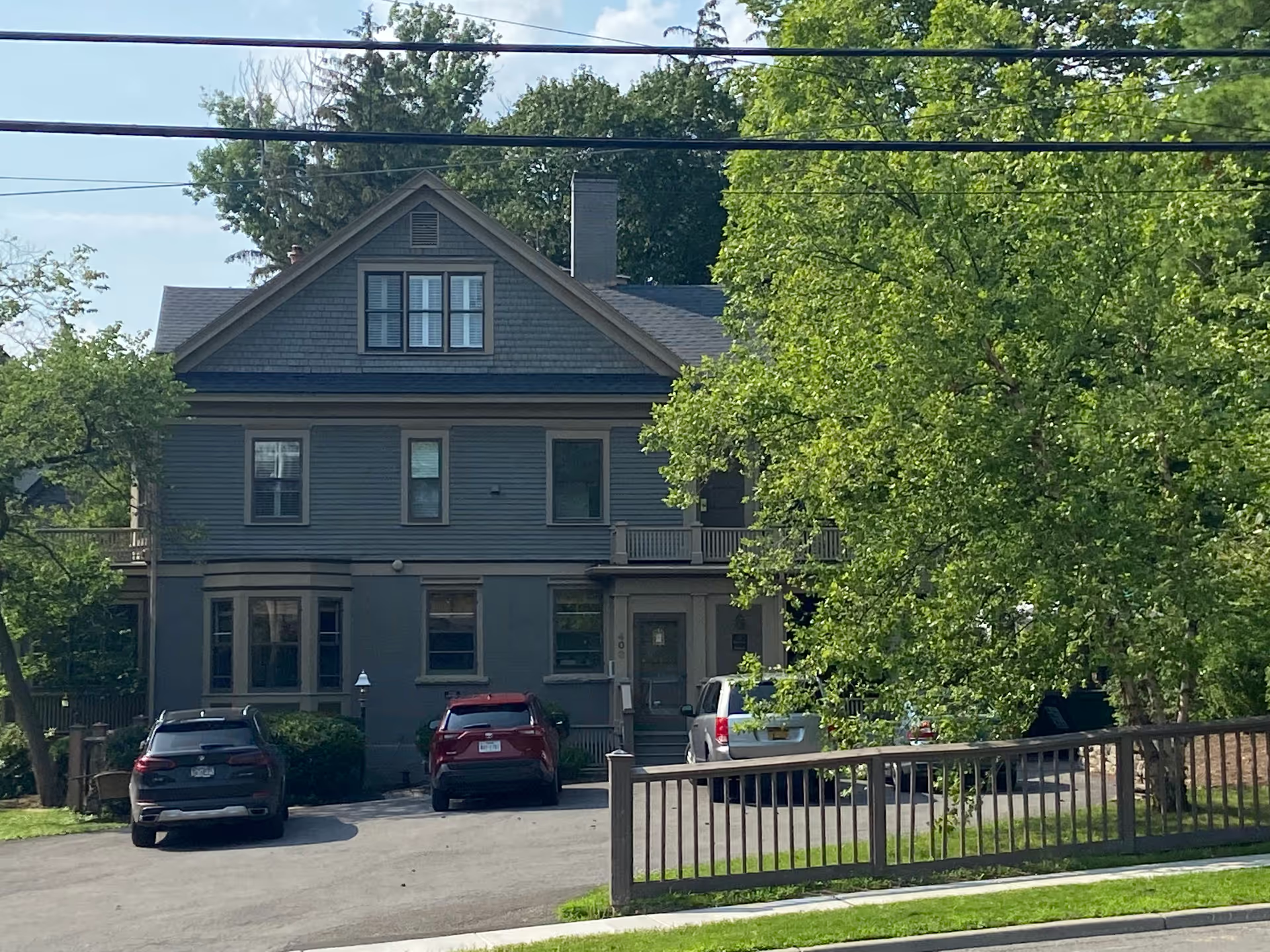
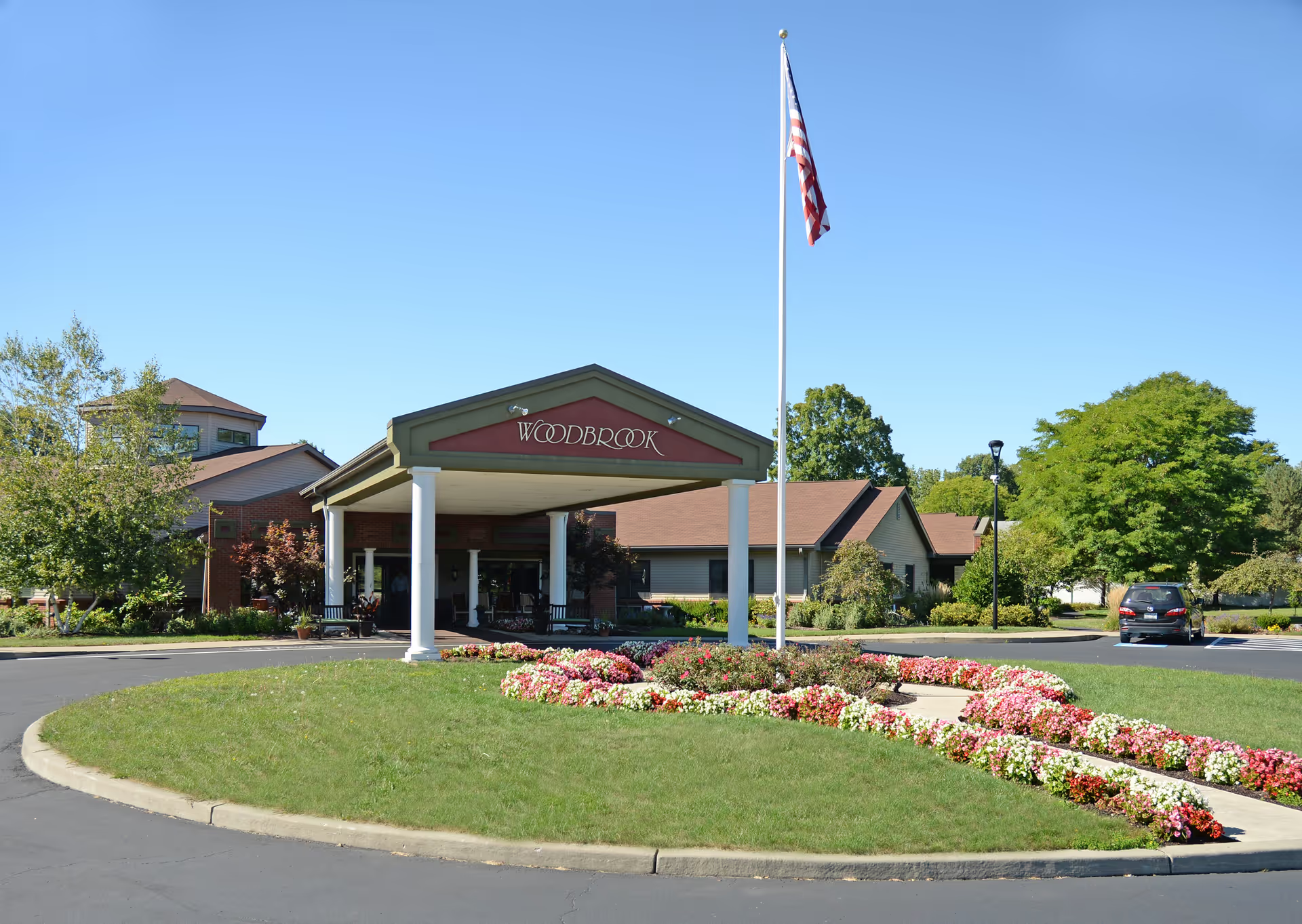
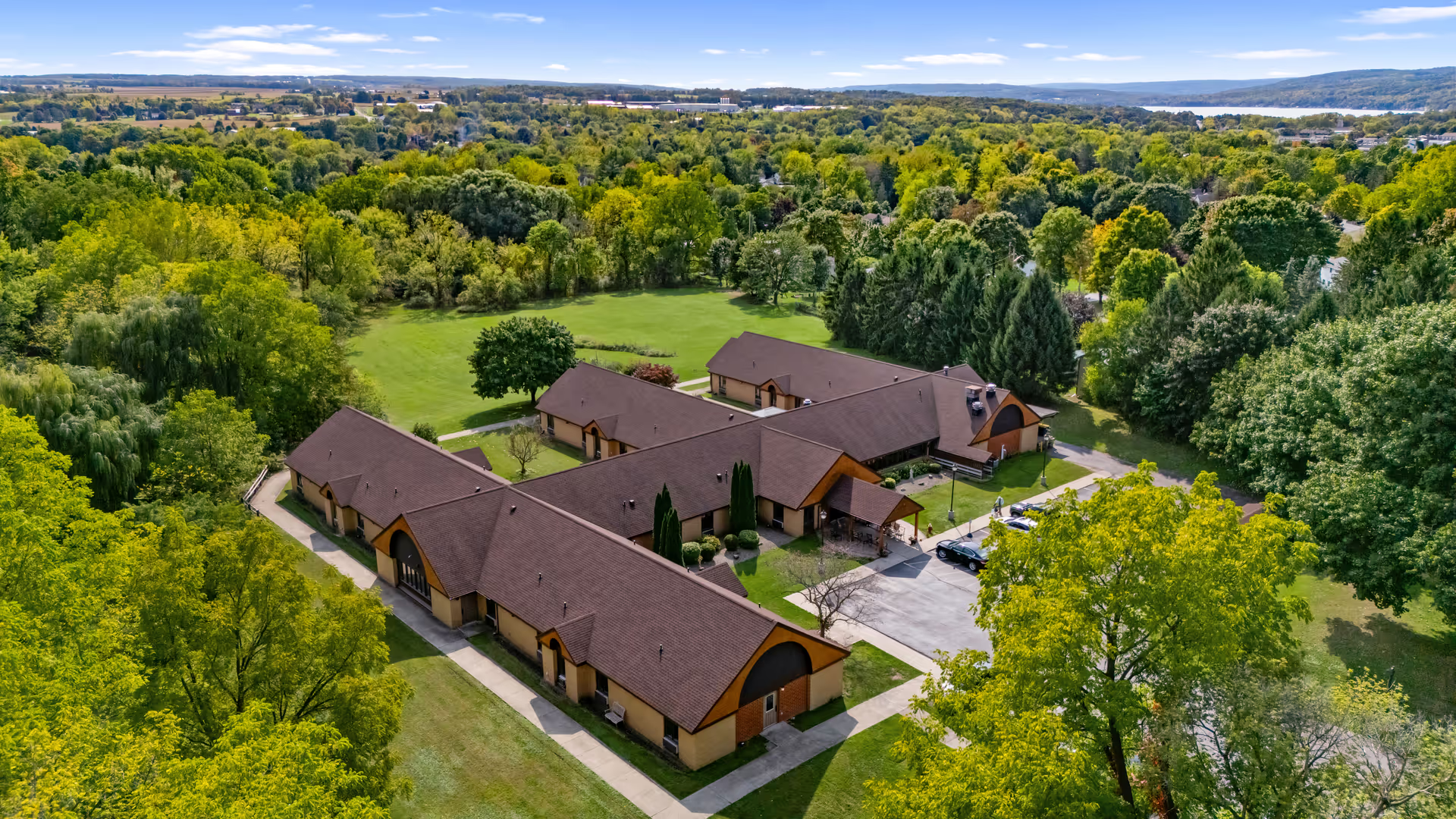
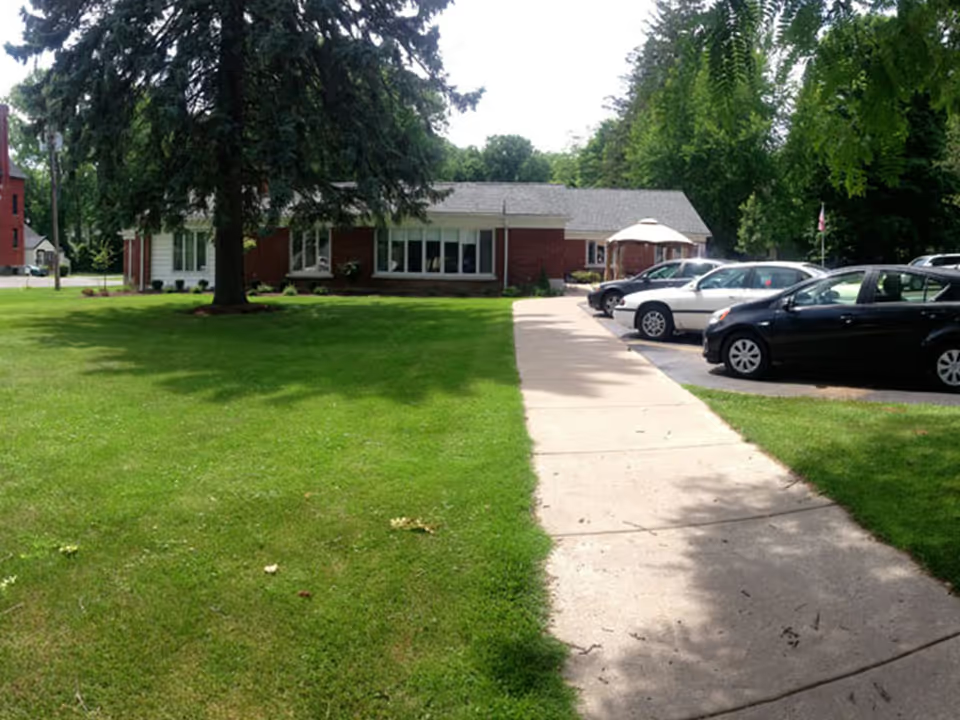
Facilities, equipment, and safety features: Many visitors note a clean, well-maintained environment overall. At the same time, reviewers report recurring maintenance and equipment issues (nonworking room devices, lack of in-room phones, delayed delivery of medical equipment), room size limitations for bariatric equipment, and concerns about inventory controls such as laundry handling. These facility-level problems can compound care challenges when equipment or room layout does not support safe transfers.
Management and administrative operations: Several reviews express dissatisfaction with management and administrative processes, including billing inaccuracies, poor leadership responsiveness, and gaps in incident response or family notification. A number of operational complaints (staffing, billing, inventory control) point to systemic management and oversight shortcomings rather than isolated events.
Patterns and decision guidance: The overall pattern is mixed. Prospective residents and families should weigh the facility’s strong rehabilitation and many positive staff interactions against consistent operational faults — primarily staffing shortfalls, responsiveness delays, variable meal quality, maintenance gaps, and administrative issues. For individuals primarily seeking intensive rehab and therapy with active communal programming, the facility may be a good fit. For those who require highly reliable response times, bariatric accommodations, or consistently timely medication and assisted-care routines, follow-up questions about staffing levels, incident-notification protocols, and room/equipment readiness are advised prior to placement.