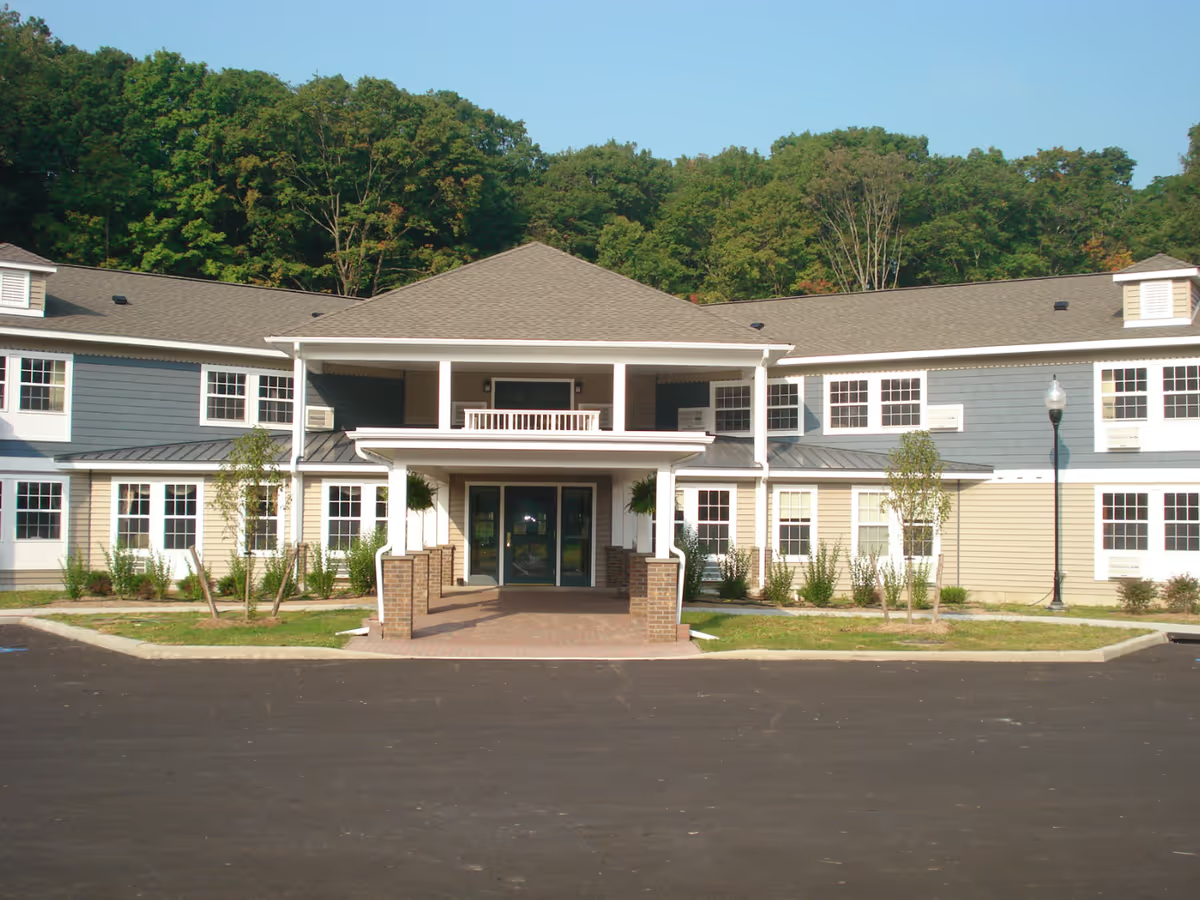
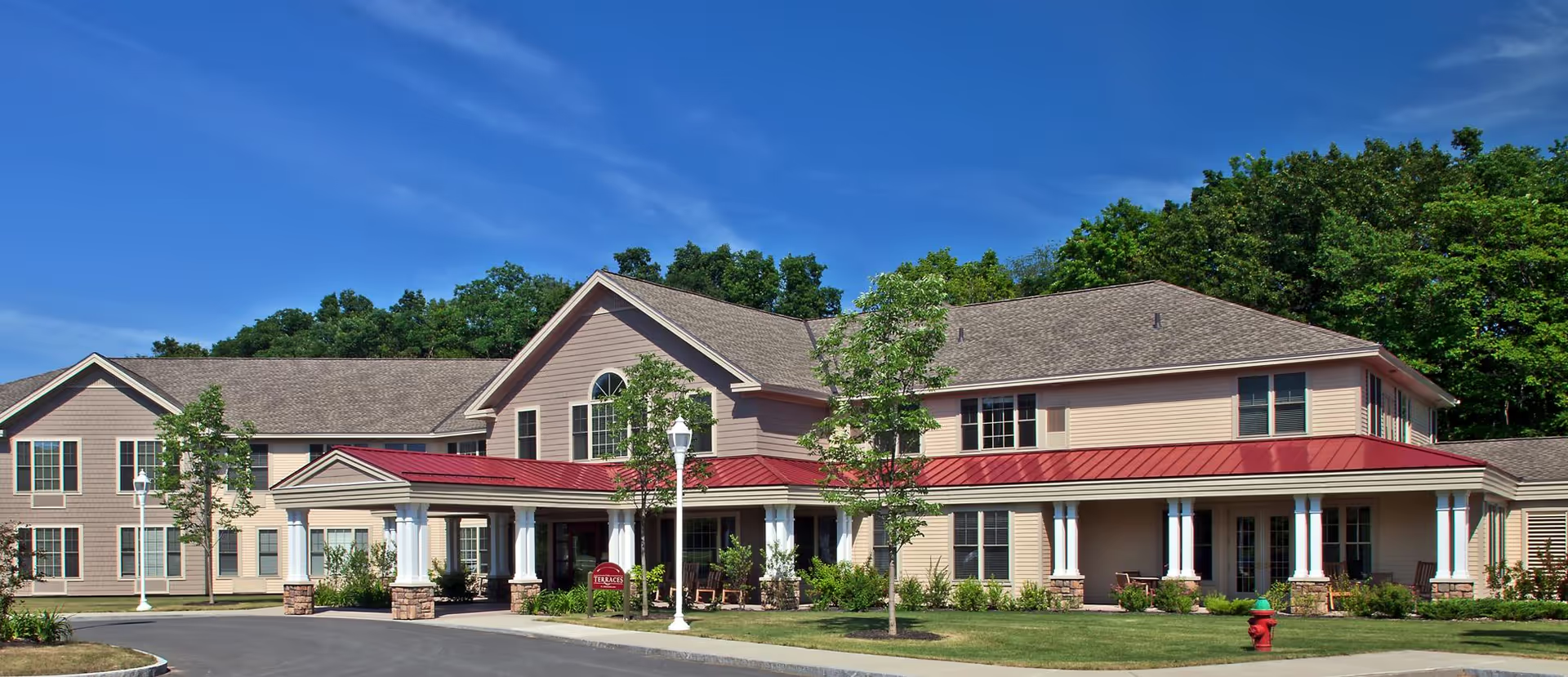
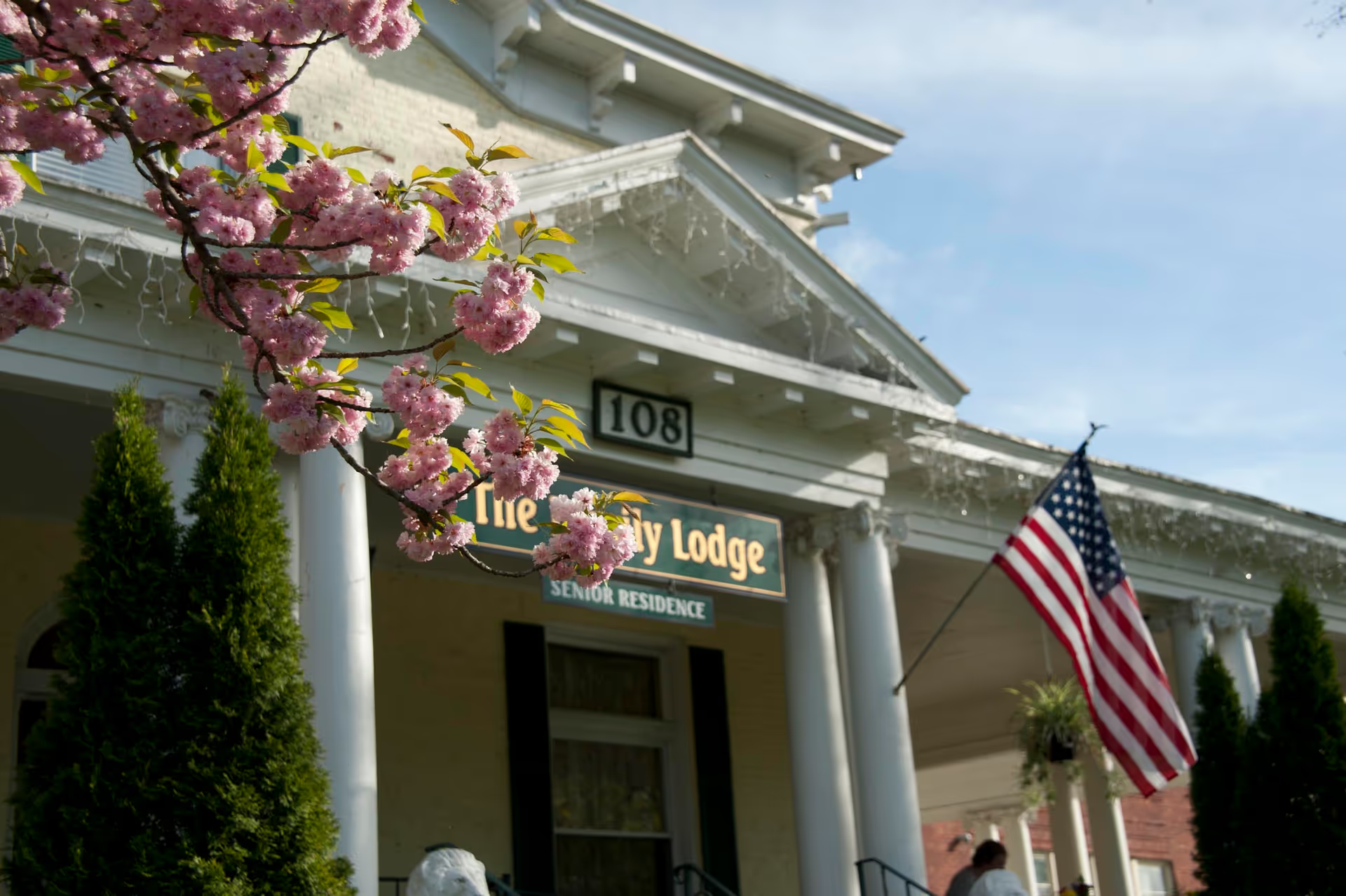
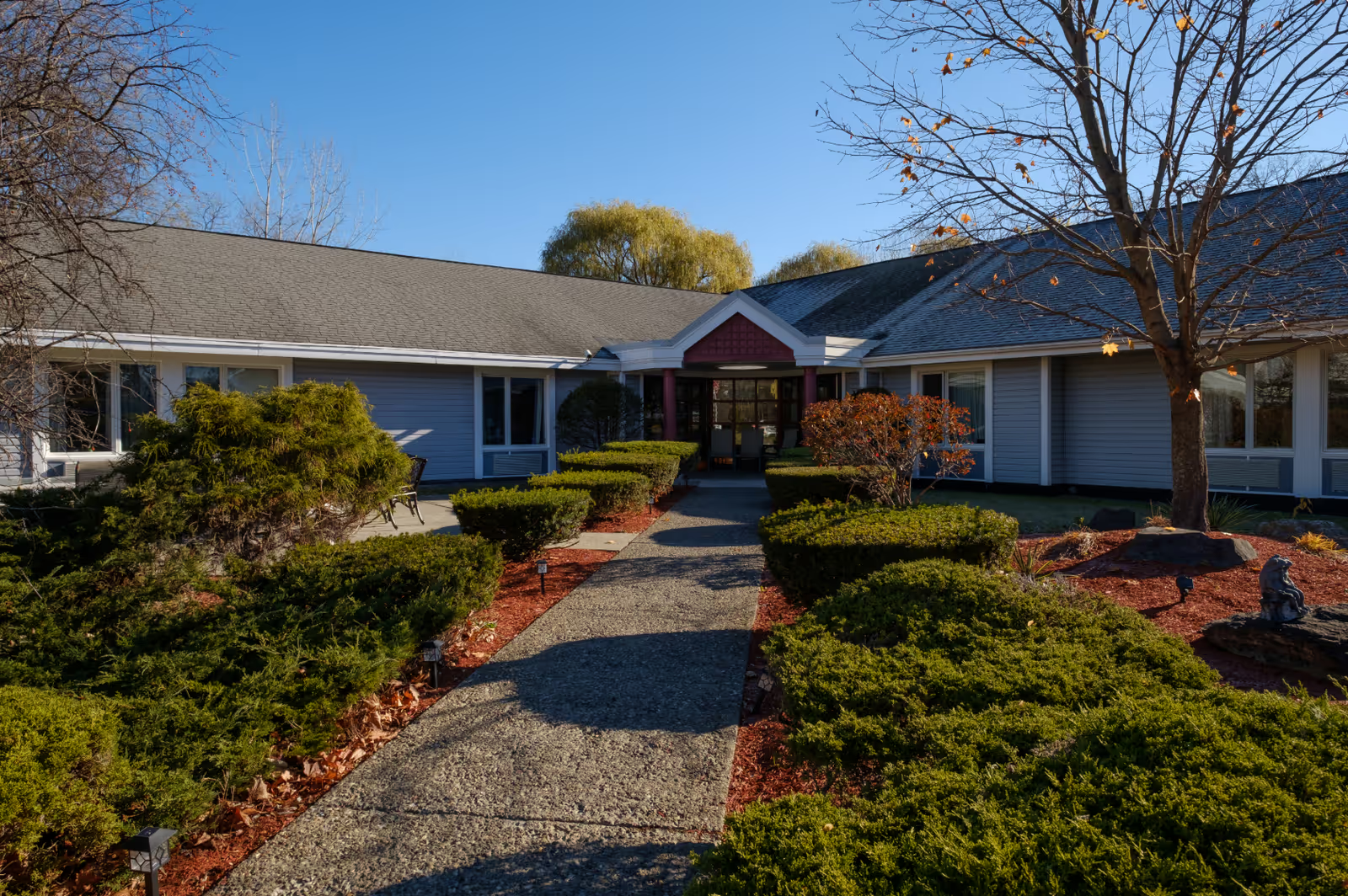
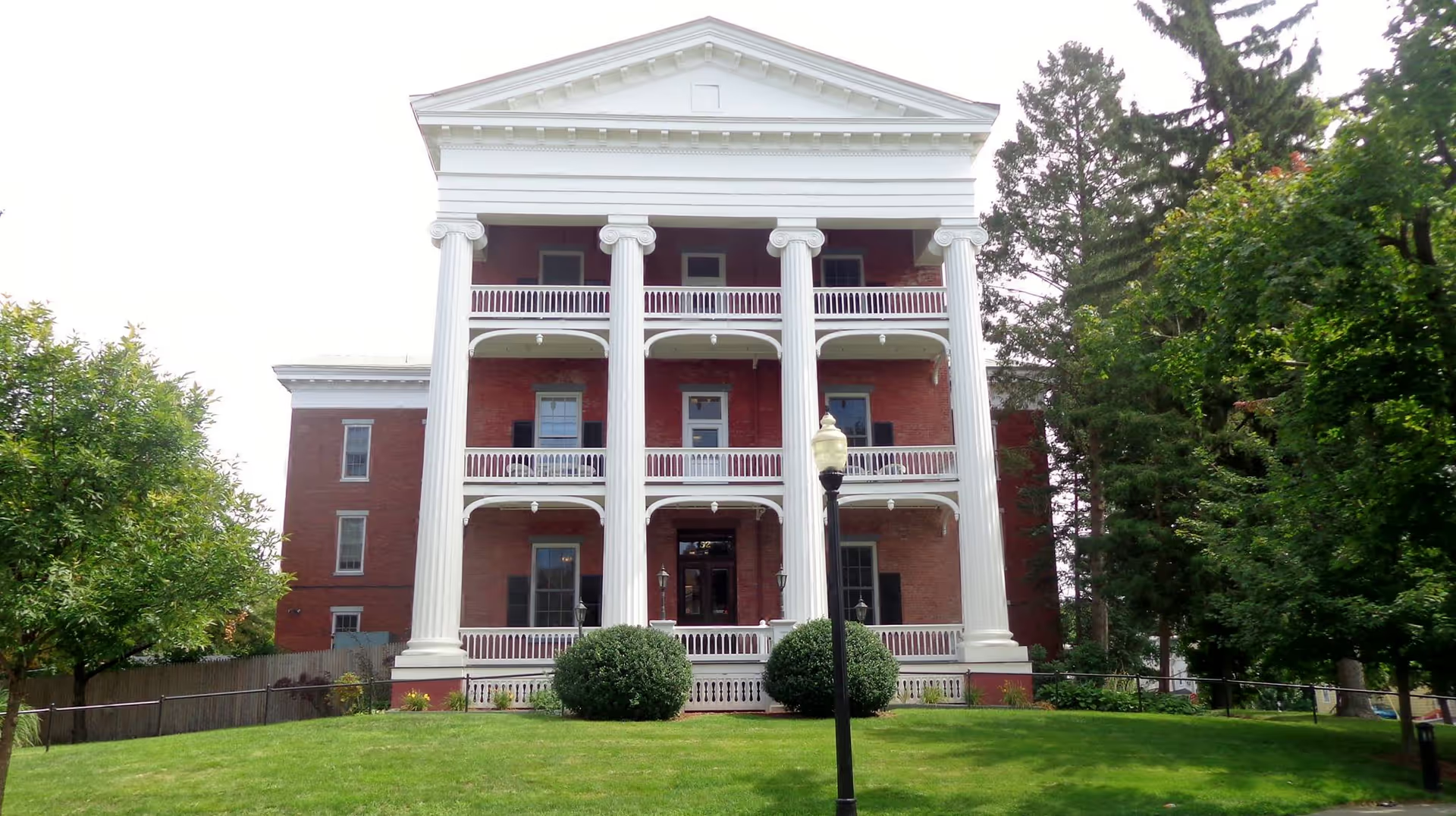
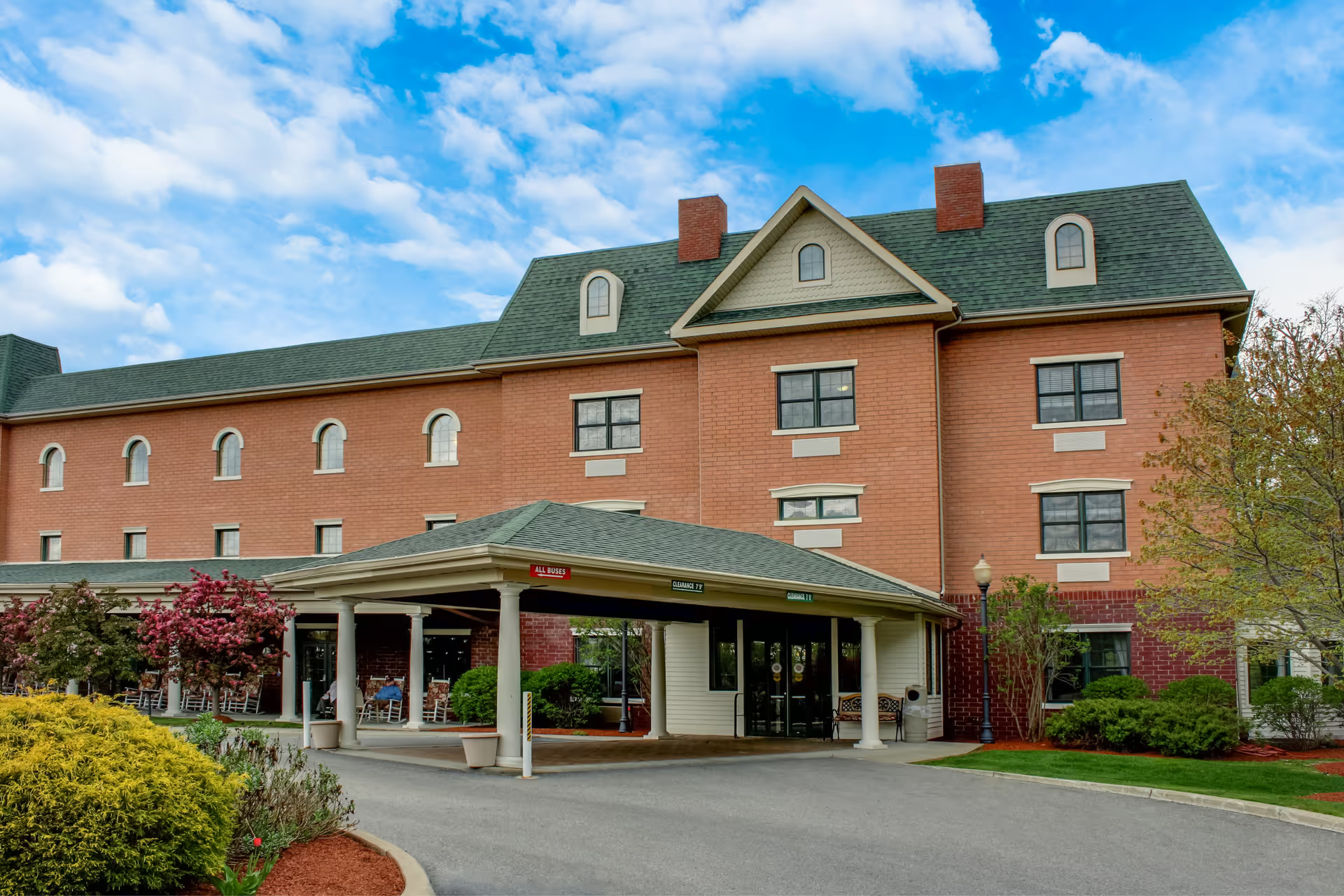
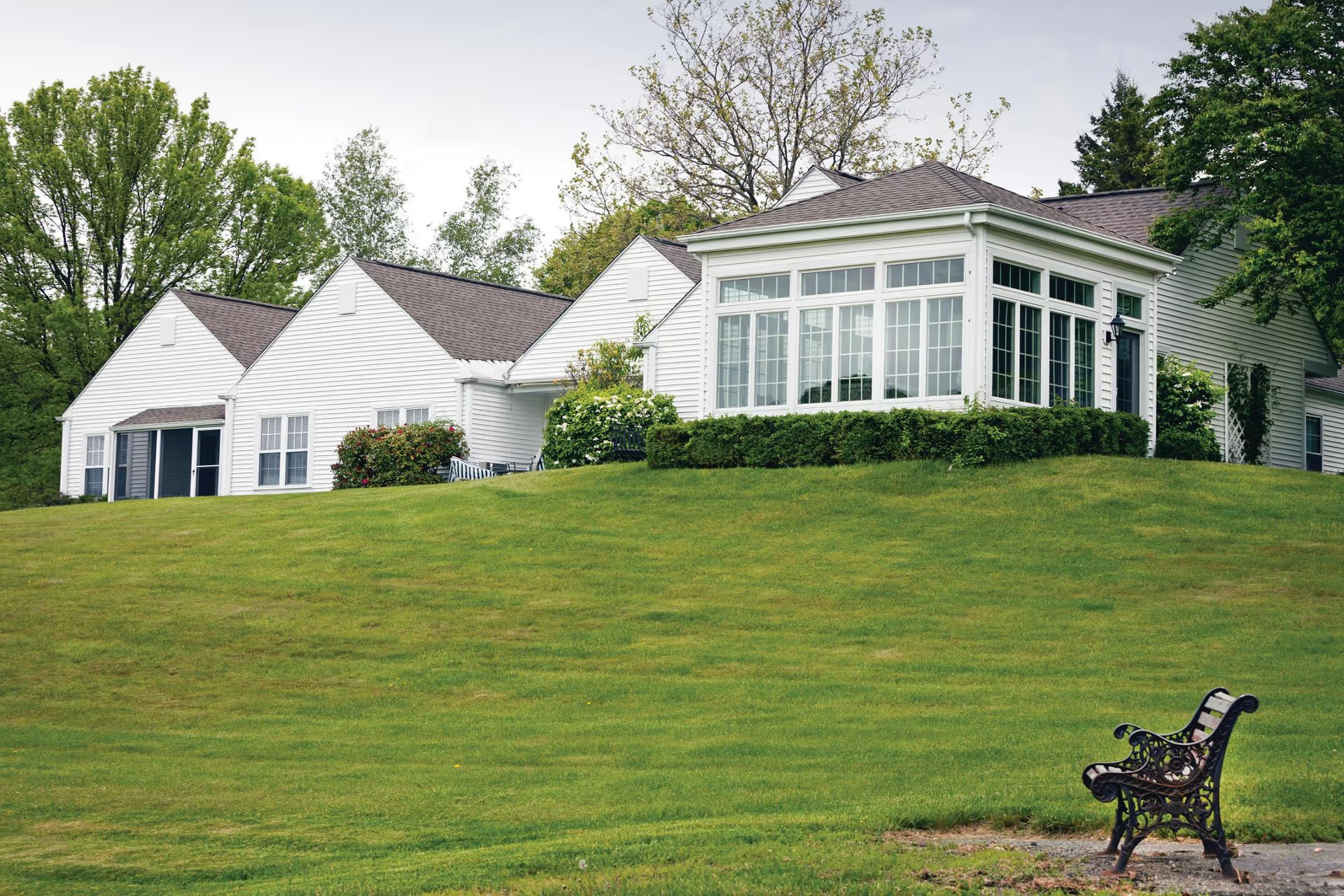
The reviews present a mixed picture. Positive comments focus primarily on rehabilitation strengths and the facility’s physical environment: many families praised specific physical and speech therapists, noted an active activities calendar, and described roomy, well-appointed patient rooms. Non-nursing support staff and some frontline caregivers are frequently described as helpful and accommodating, and the facility’s on-site therapy equipment and gym space are cited as assets for rehabilitation-focused stays.
At the same time, a number of consistent operational concerns emerge. Nursing care and bedside responsiveness are characterized as inconsistent, with delays in assistance and variability in clinical follow-through. Weekend and off-shift understaffing is a repeated theme, which reviewers linked to slower response times and gaps in supervision. Several comments also raise safety-related process issues, including transfer and supervision practices; these suggest the facility would benefit from stronger protocols, staffing alignment, and incident-prevention measures.
Facility maintenance and sanitation are uneven. While portions of the campus are described as clean and presentable, others prompted sanitation and odor concerns and notes about maintenance shortcuts (for example, taped equipment or debris in patient rooms). Food and dining receive mixed feedback: some reviewers found meals unappetizing or inconsistently served, with particular concerns about temperature and variety that point to weaknesses in meal-service continuity and quality control.
Communication and management practices are further areas of concern. Families describe difficulty getting timely callbacks, limited transparency about medical conditions and care plans, and constrained visitation communication during infection-control events. Clinical oversight issues are implied by references to a single physician covering a large census and by accounts of therapy being provided by trainees or with inconsistent therapist continuity. Several reviewers also characterized administrative culture as punitive or opaque, noting staff turnover and HR disputes that may affect morale and continuity of care.
For prospective residents and families: the facility shows strengths in rehabilitation services and certain support-staff interactions, but there are notable operational weaknesses to evaluate in person. Ask for current staffing ratios (including weekend coverage), nurse-to-patient assignments, physician coverage details, infection-control and visitation policies, medication-administration protocols, incident-response procedures, and recent sanitation/maintenance audits. Observe meal service and activity participation during a visit and request copies of recent care plans and therapy schedules to assess continuity. These steps can help determine whether the facility’s rehabilitation strengths align with a prospective resident’s overall medical and supervision needs.