Reviews of ArchCare at Ferncliff describe a facility with clear strengths in clinical rehabilitation and pockets of excellent, person-centered care, alongside recurring operational and consistency issues. The rehabilitation programs (PT/OT) and inpatient rehab teams receive frequent, specific praise for clinical skill, progress monitoring and positive functional outcomes. Memory care, wound care, and hospice resources are also highlighted as strong components by several families. Many reviewers describe individual staff members — aides, nurses, therapists, social workers and liaisons — as compassionate, knowledgeable, and effective advocates.
At the same time, a consistent theme is variability. Experiences appear to differ by unit and by shift: some units are described as bright, cheerful, home-like and activity-rich, while others are characterized as institutional, quieter, and lacking in programming. Staffing inconsistency is the most common operational concern. Reviewers cite short staffing, limited RN coverage (particularly on weekends), and long response times to call lights and requests for assistance. Those staffing patterns are linked in some accounts to delays in basic care tasks and to family perceptions that vigilance and advocacy are required to ensure appropriate attention.
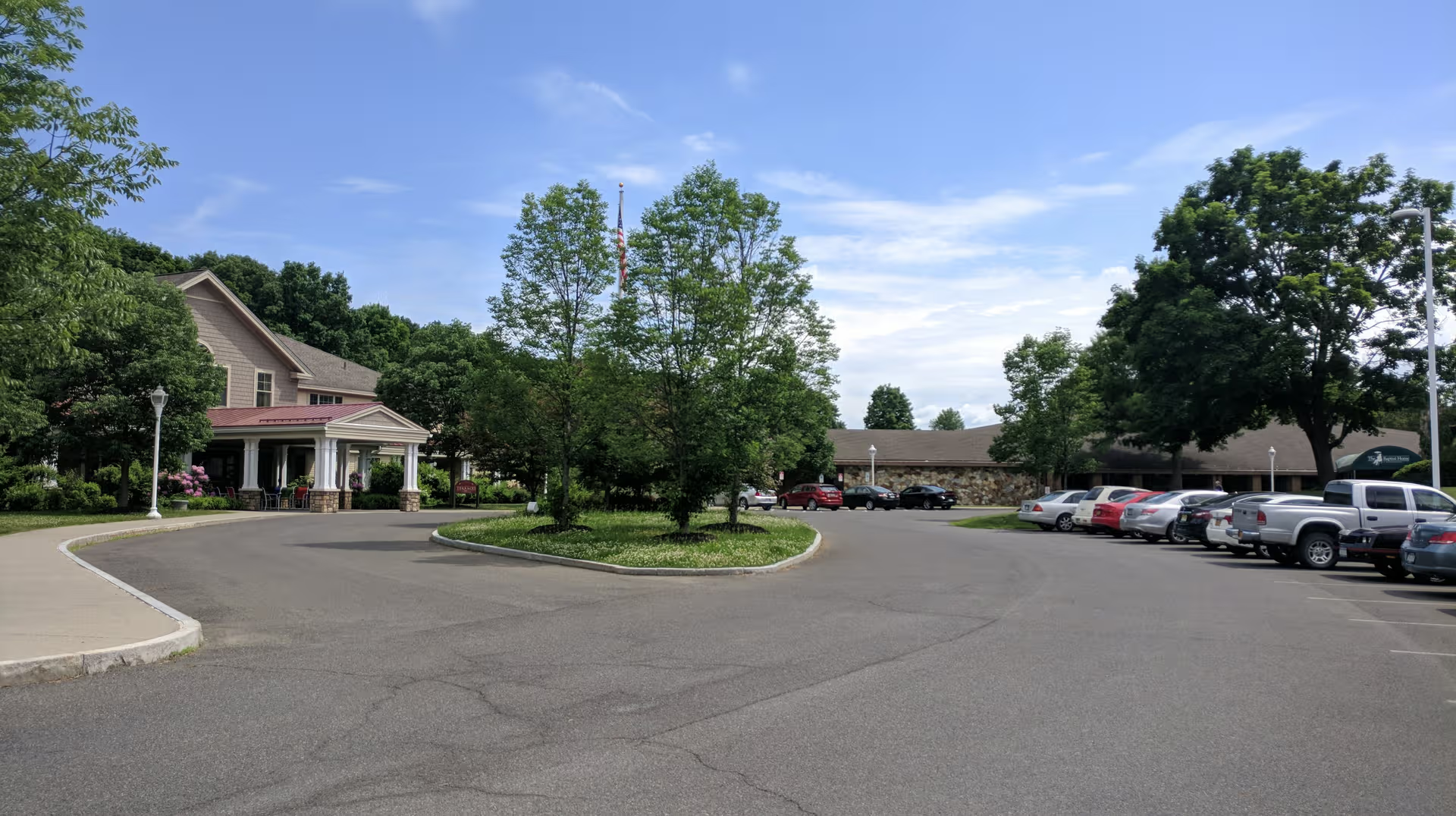
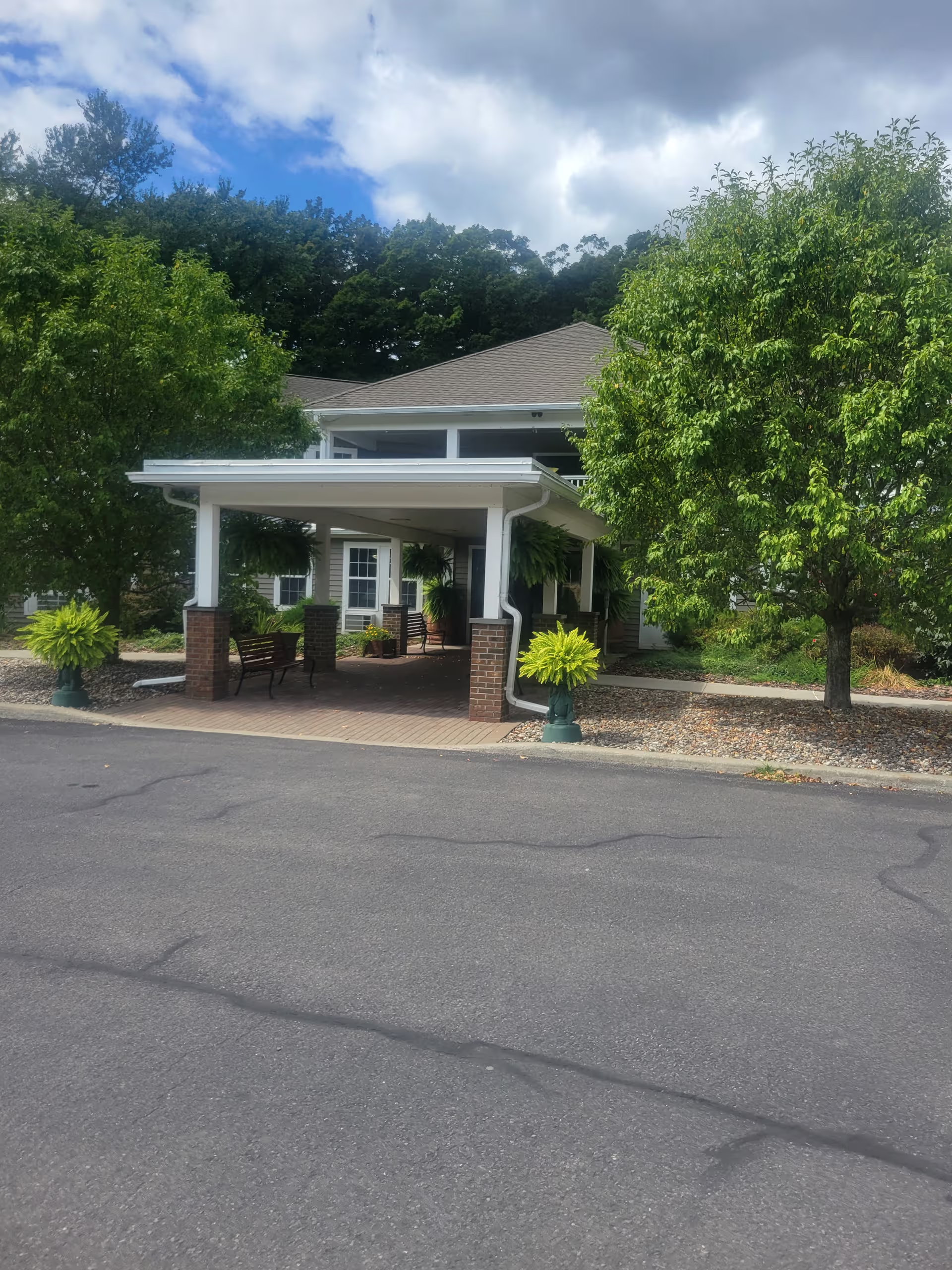
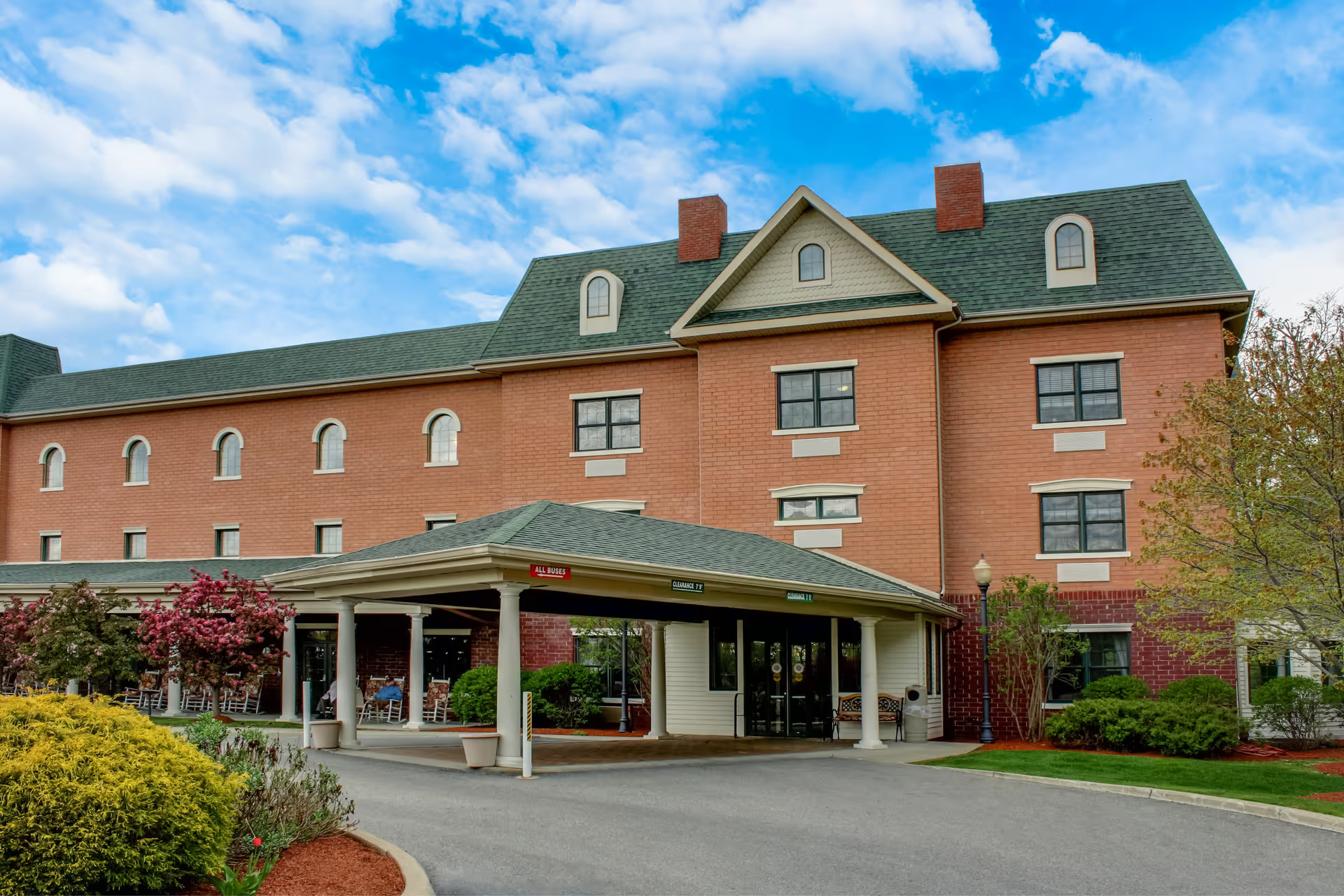
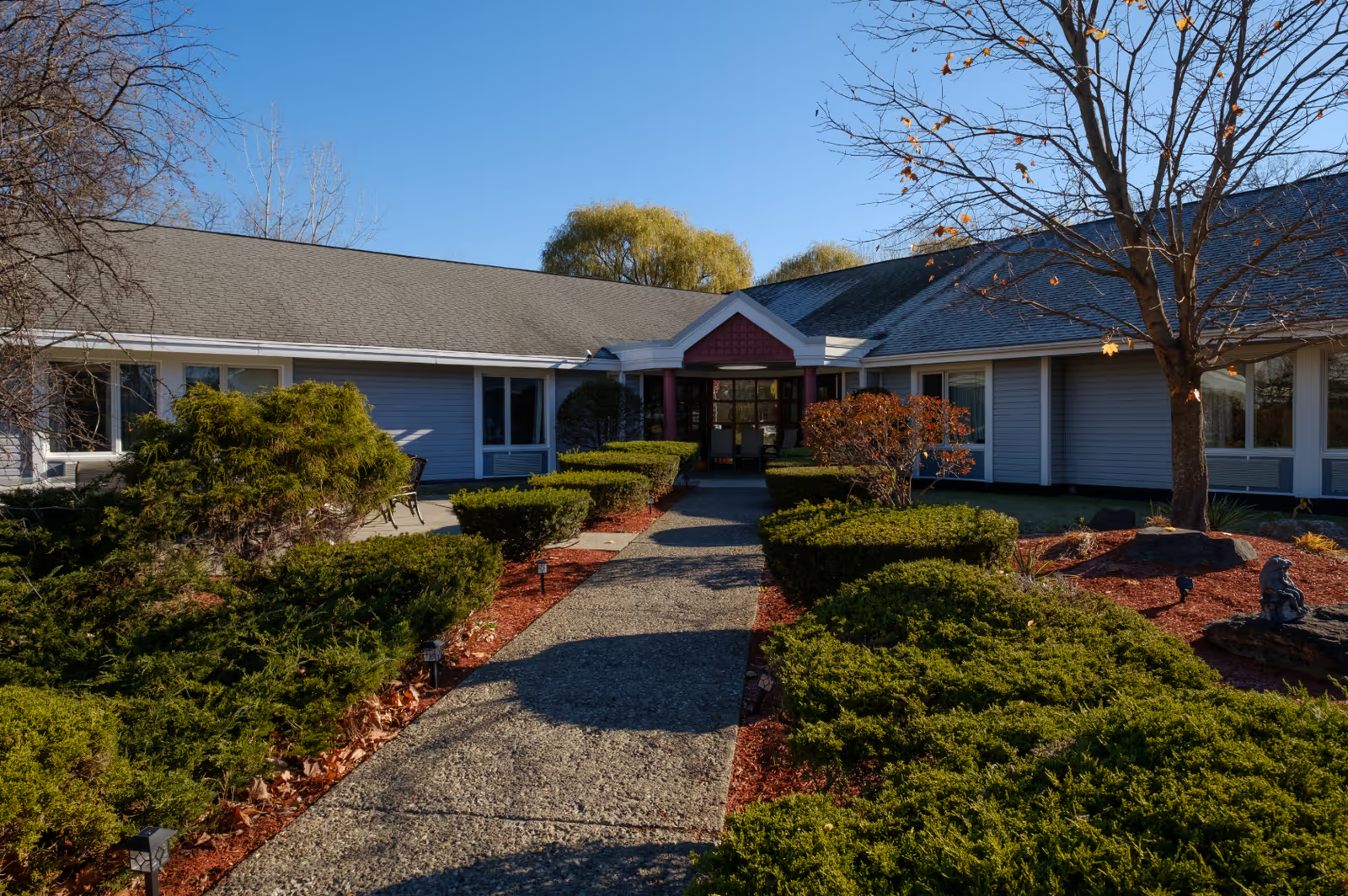
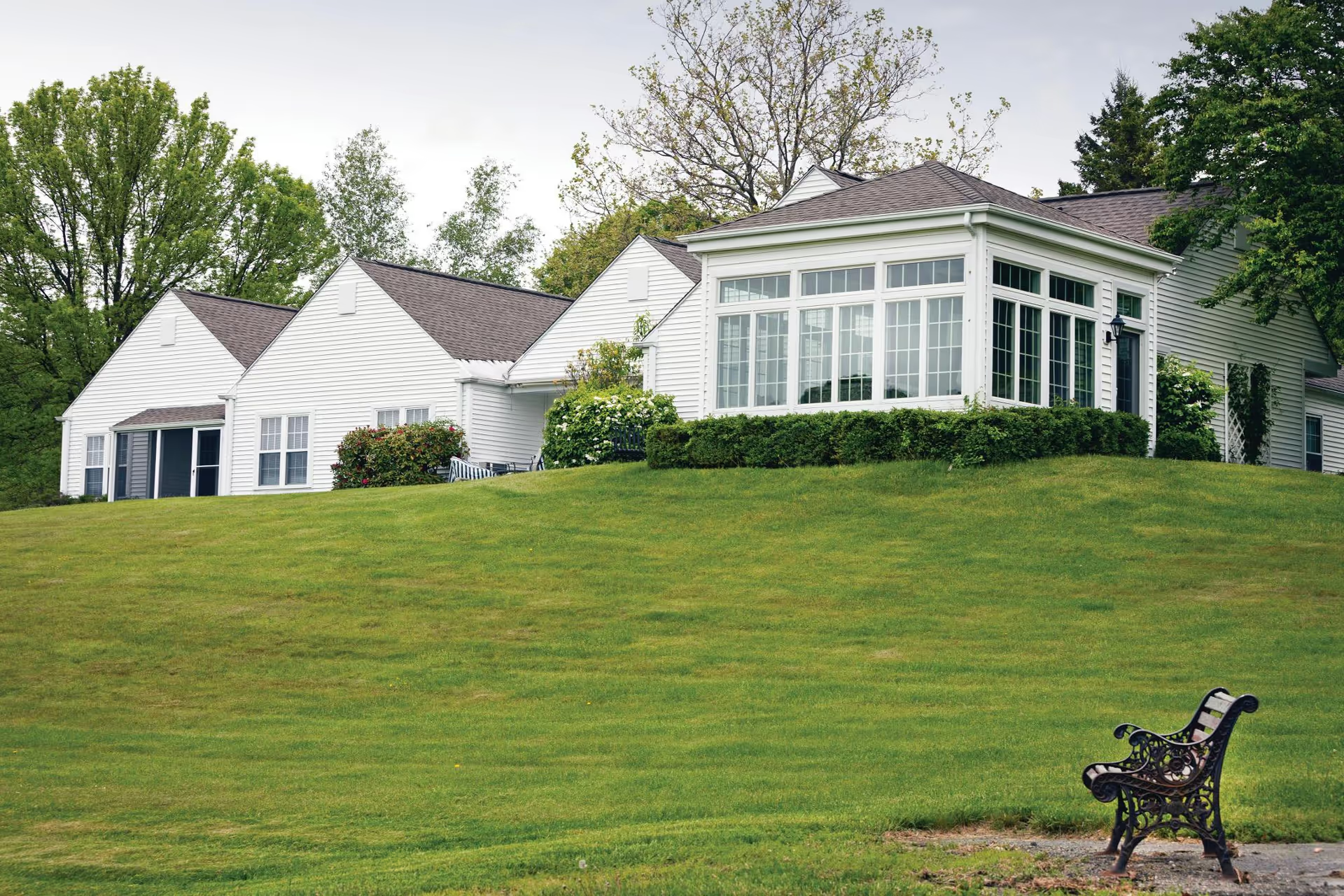
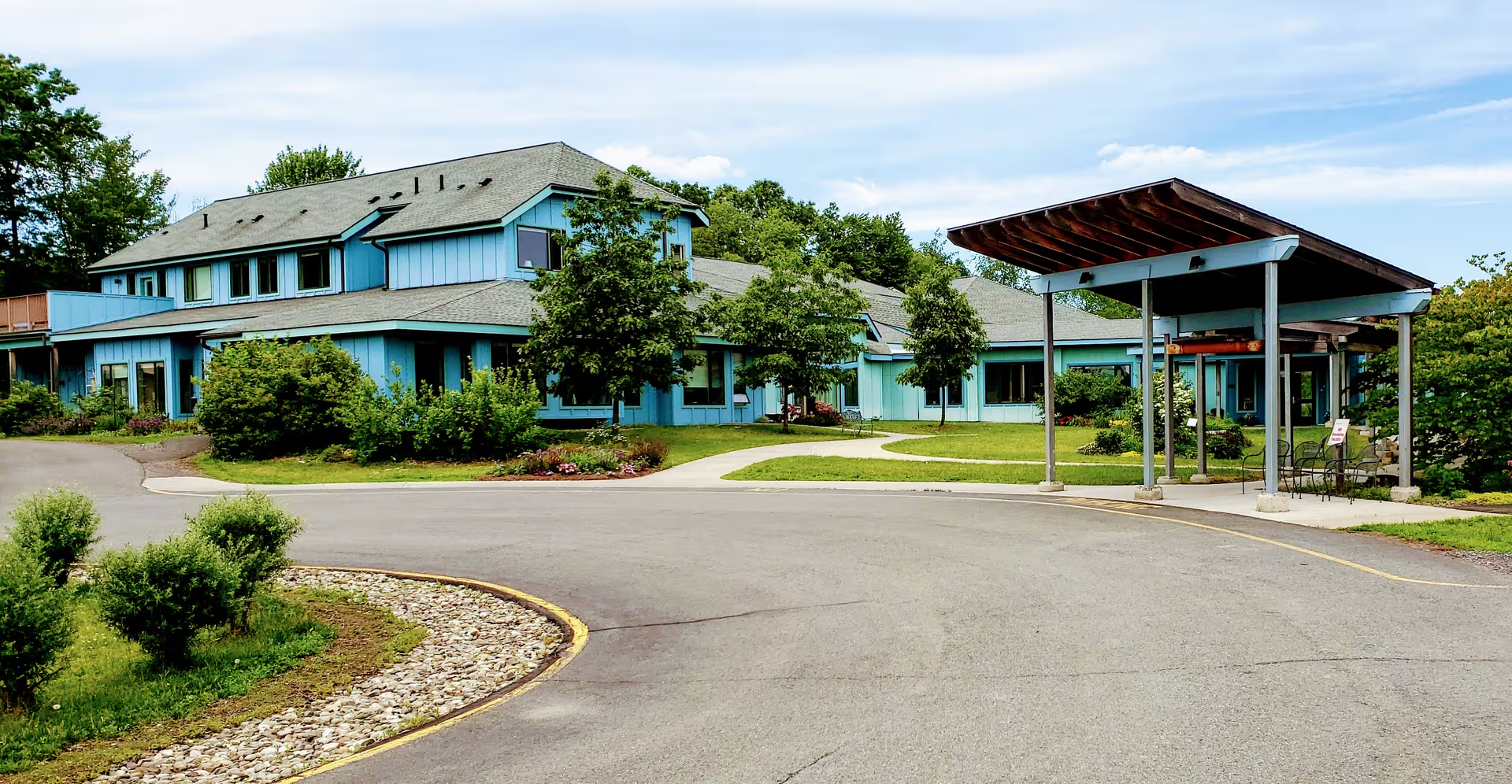
Dining, activities and environmental factors are similarly mixed. The property and grounds are repeatedly praised as attractive and well-maintained, offering a pleasant outdoor setting; several families value the peaceful views and opportunities for outside time. Interior facilities receive more mixed commentary: many rooms and common areas are described as clean and orderly, yet others note odor concerns in particular units and an overall institutional, dated building design. Dining quality is uneven — some residents and families enjoy the meals, while others report frequent errors, menu delays and at least one documented nutritional-administration lapse with clinical consequences.
Management and communication show both positives and gaps. Admissions staff and certain department liaisons are repeatedly commended for warmth and responsiveness, and social workers receive strong praise when they are actively involved. Conversely, reviewers also point to inconsistent administrative presence on units, unanswered phones at the nurses’ station, and variable family communication after clinical incidents or transitions. Several accounts emphasize that problems were resolved when escalated to unit managers or liaisons, suggesting that internal advocacy can be effective but is sometimes necessary.
Safety and conduct concerns appear infrequently but are significant where described. Most concerns are operational — safet y-practice gaps, transfer procedures, and inconsistent supervision — but there are isolated accounts of more serious events that families found unacceptable. These concerns coexist with many reports of safe, attentive care; the pattern indicates variability rather than uniform failure.
Overall impression: ArchCare at Ferncliff provides high-quality rehabilitation and has many dedicated clinical staff and programs that families value, particularly in therapy, memory care and social-work support. However, persistent issues with staffing consistency, responsiveness, unit-level variability in activities and cleanliness, and uneven administrative communication are important considerations for prospective residents and families. Those evaluating the facility should ask about current staffing ratios and RN coverage, activity schedules by unit, recent infection-control and survey results, nutrition and medication-administration safeguards, and the facility’s processes for family communication and incident escalation to better understand how the described variability may affect a specific placement.