The reviews for Wilson Healthcare and Rehabilitation Center present a mixed but informative picture. Many families and former residents praised the clinical and rehabilitation services: physical and occupational therapy teams receive frequent commendation for skill and communication, and wound and specialty nursing are noted as strengths. Frontline caregivers — RNs, CNAs, and aides — are often described as compassionate and personally engaged, providing one-on-one assistance and contributing to positive rehabilitation outcomes and timely discharges. The activities department, social dining, and spiritual support are repeatedly cited as contributors to a family-like atmosphere and resident engagement.
At the same time, a clear set of operational concerns appears across reviews. Staffing consistency and turnover emerge as recurring themes, with reviewers citing both overworked permanent staff and variable performance among temporary or contracted staff. These staffing patterns are linked to gaps in communication and shift handoffs, inconsistent documentation, and lapses in monitoring and medication administration. A number of reviewers described delays in responding to resident needs and specific instances that indicate weaknesses in monitoring and adherence to physician orders; these point to potential process and training opportunities to improve clinical reliability.
Dining and activity impressions are generally positive in terms of socialization and programming, but quality and menu accuracy appear uneven. Several accounts describe enjoyable meals and an engaged dining environment, while others point to instances of menu items not matching delivery or inconsistency in food quality. The activities program — including one-on-one engagement, Bingo, and special events — is a consistent positive and an asset for resident quality of life.
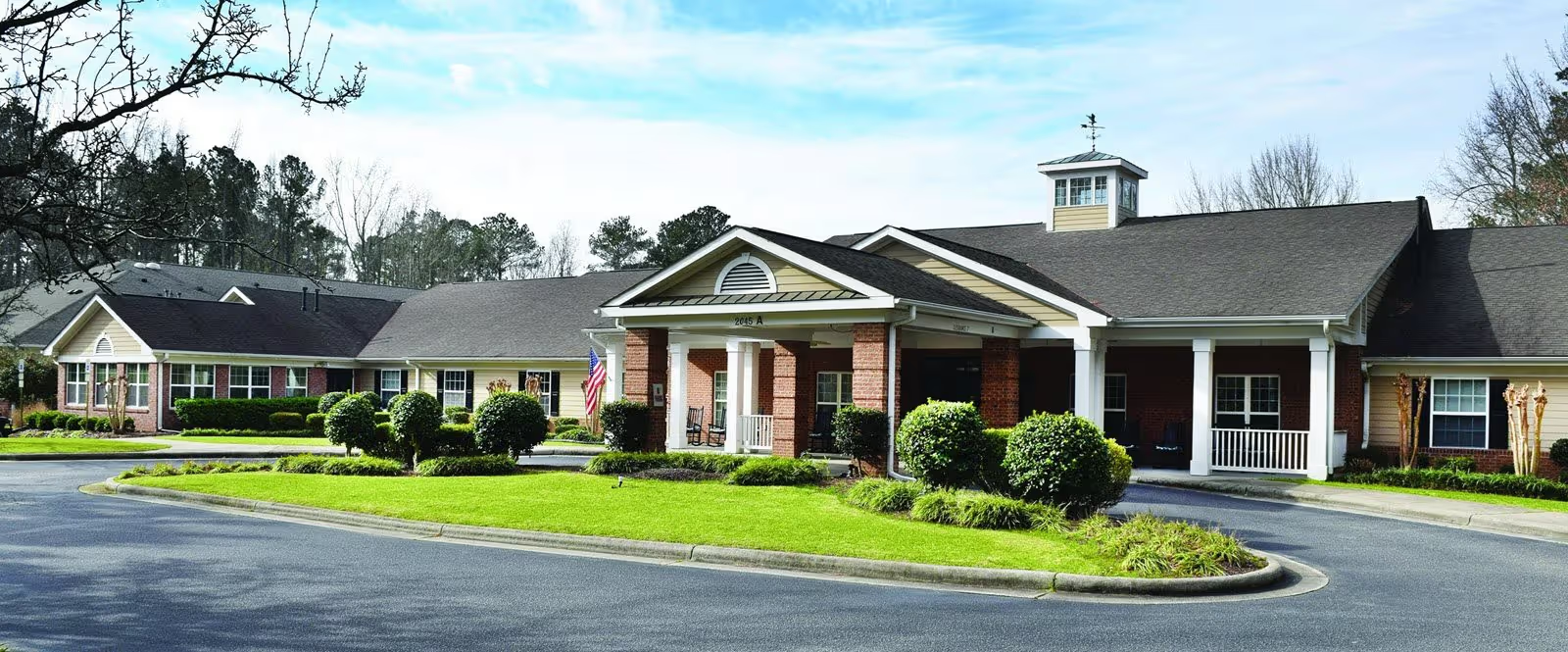
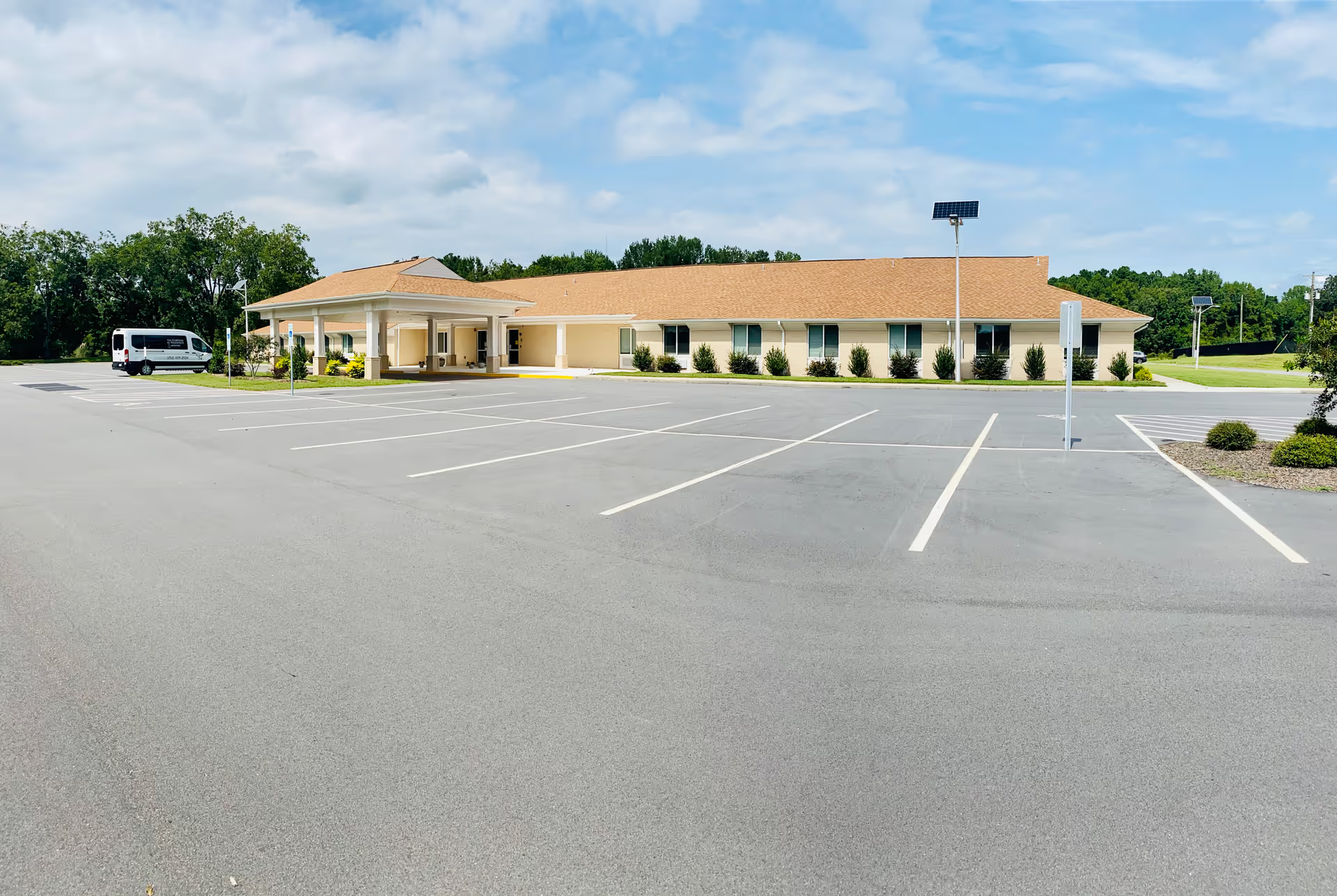
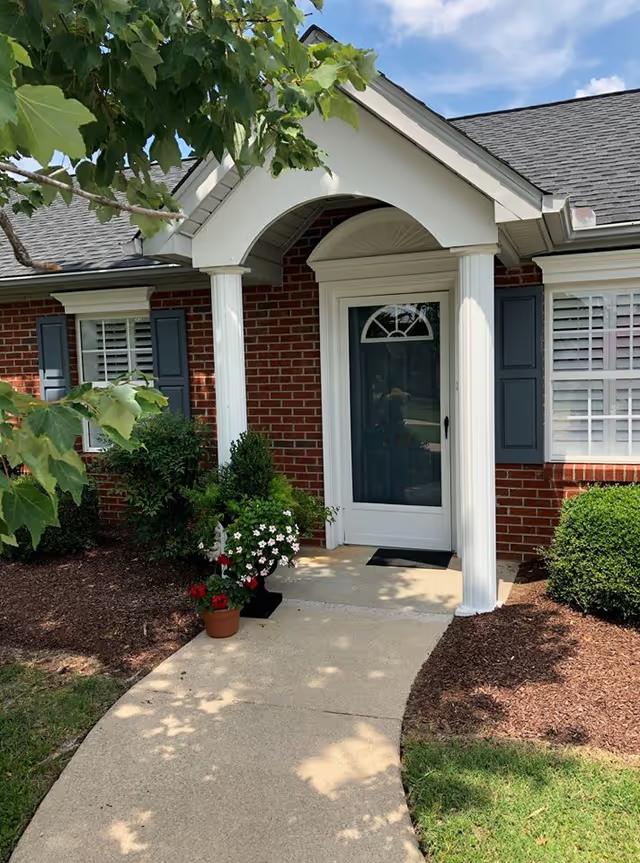
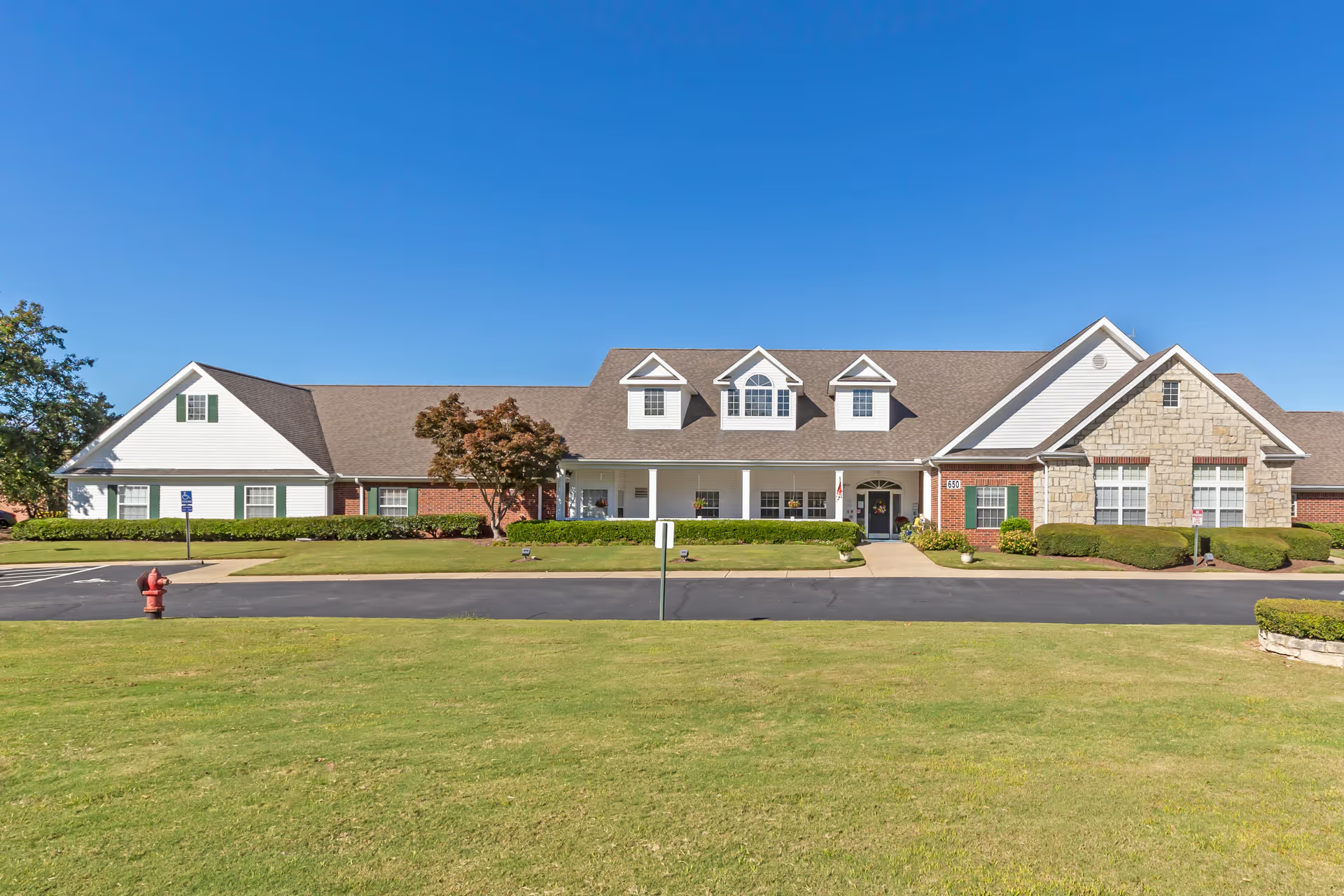
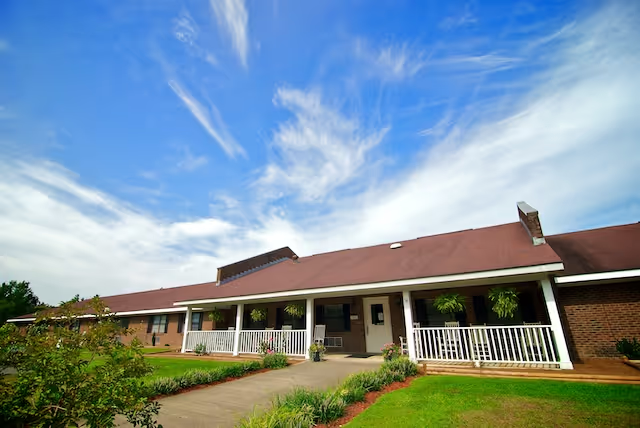
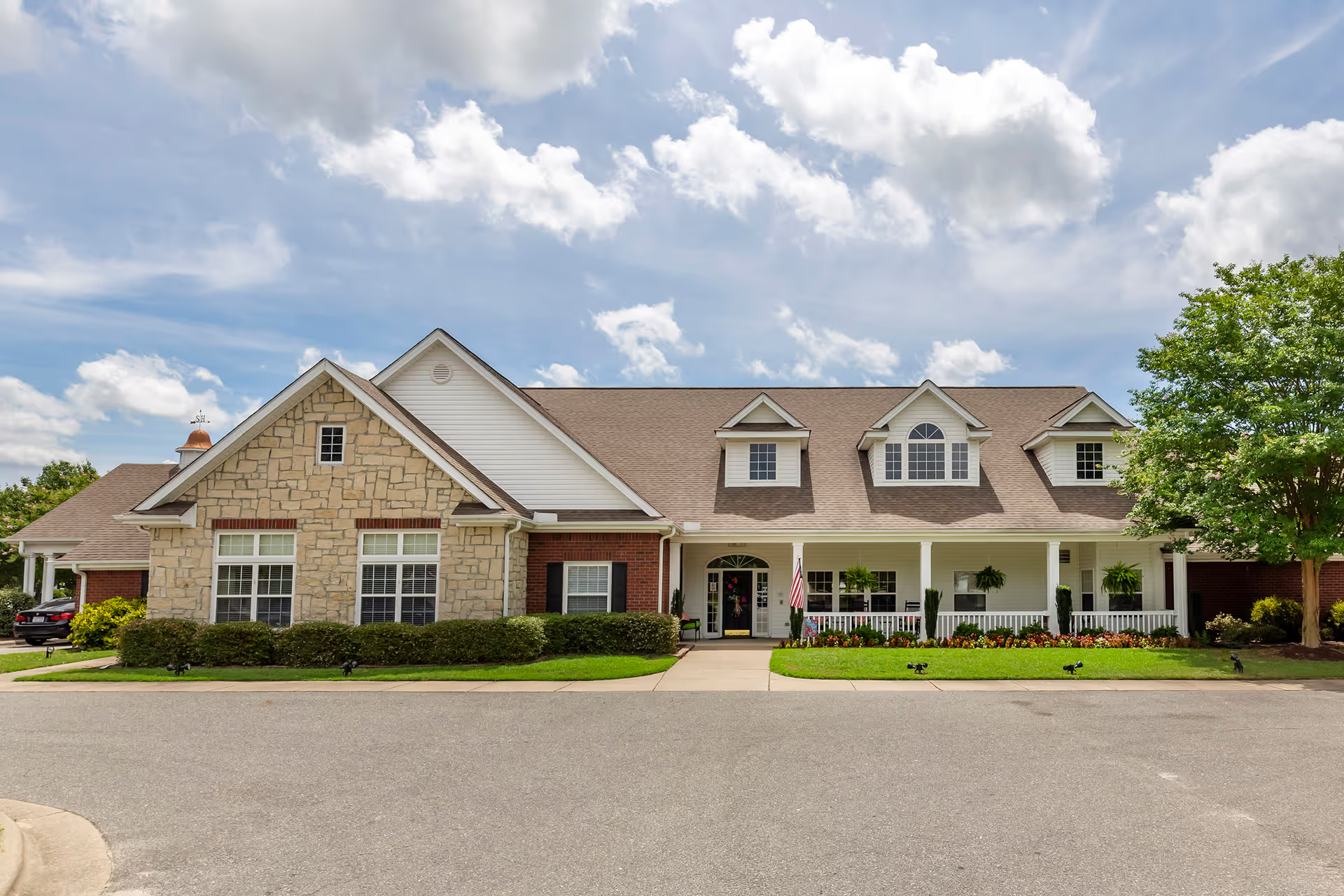
Facility condition is another area of contrast. Many reviewers describe clean, well-maintained, recently remodeled areas and a generally odor-free environment, and note good infection-control practices. Conversely, a number of reviews raised sanitation concerns tied to delayed incontinence care and room-level cleanliness in specific cases. These appear localized rather than facility-wide but are significant because they affect resident comfort and safety.
Management and administrative performance is similarly mixed. Several reviewers singled out engaged leadership and administrators who resolved issues and provided reassurance; others described slow customer-service responses, billing or refund delays, and communication tone problems, including concerns about privacy and interactions with families. A few reviews raised very serious allegations about care outcomes that would warrant investigation by oversight authorities; these are not presented as the facility norm but indicate the importance of thorough vetting.
In summary, Wilson Healthcare and Rehabilitation Center demonstrates notable strengths in rehabilitative care, compassionate frontline staff, activities, and many well-kept areas. At the same time, recurrent operational weaknesses — especially inconsistent staffing, communication and handoff gaps, variability in dining quality, and sanitation/incontinence-care delays — suggest areas for management focus. Prospective residents and families should consider on-site visits, ask about current staffing ratios, medication-monitoring protocols, contract-staff usage, sanitation and incontinence procedures, and recent quality-inspection outcomes to form a balanced decision.