Windsor Rehabilitation and Healthcare Center elicits a mixture of positive and concerning observations. Many accounts highlight effective short-term rehabilitation outcomes, with physical therapy frequently credited for measurable gains in mobility and independence. Reviewers also commonly cite compassionate nursing and CNA staff, a supportive admissions and administrative team, and a welcoming, well-kept interior. Activity programming — including bingo, birthday recognitions, and creative engagement — is a recurring strength; families note that these efforts contribute to a sense of community and resident inclusion.
At the same time, a consistent pattern of operational weaknesses appears across reviews. Staffing levels are described as inconsistent, with notable shortfalls on weekends and during peak times; this correlates with repeated comments about slow call-bell responses and delays in attending to resident needs. Cleanliness and housekeeping are praised in many accounts, yet other reviewers indicate variable sanitation and hygiene practices in certain units. Related clinical-process gaps include inconsistent wound care and vital-sign monitoring, occasional lapses in medication-administration procedures, and delays in incontinence-related care. Several families also described challenges reaching residents by phone or accessing personal communication devices, which has impeded family communication at times.
Staff behavior and facility culture are characterized both positively and negatively. Numerous reviews praise caring, attentive staff, strong leadership from a recently refreshed administrative team, and an admissions director who facilitates family communication and transitions. These changes are credited with a visible turnaround in atmosphere and service orientation. Conversely, some accounts describe concerning staff conduct and communication tone, lapses in staff identification practices, and instances where supervision of nonverbal or immobile residents appeared insufficient. A few reviewers raised allegations of serious clinical failures related to wound care and infection management; these descriptions are serious and stand apart from more routine operational criticisms.
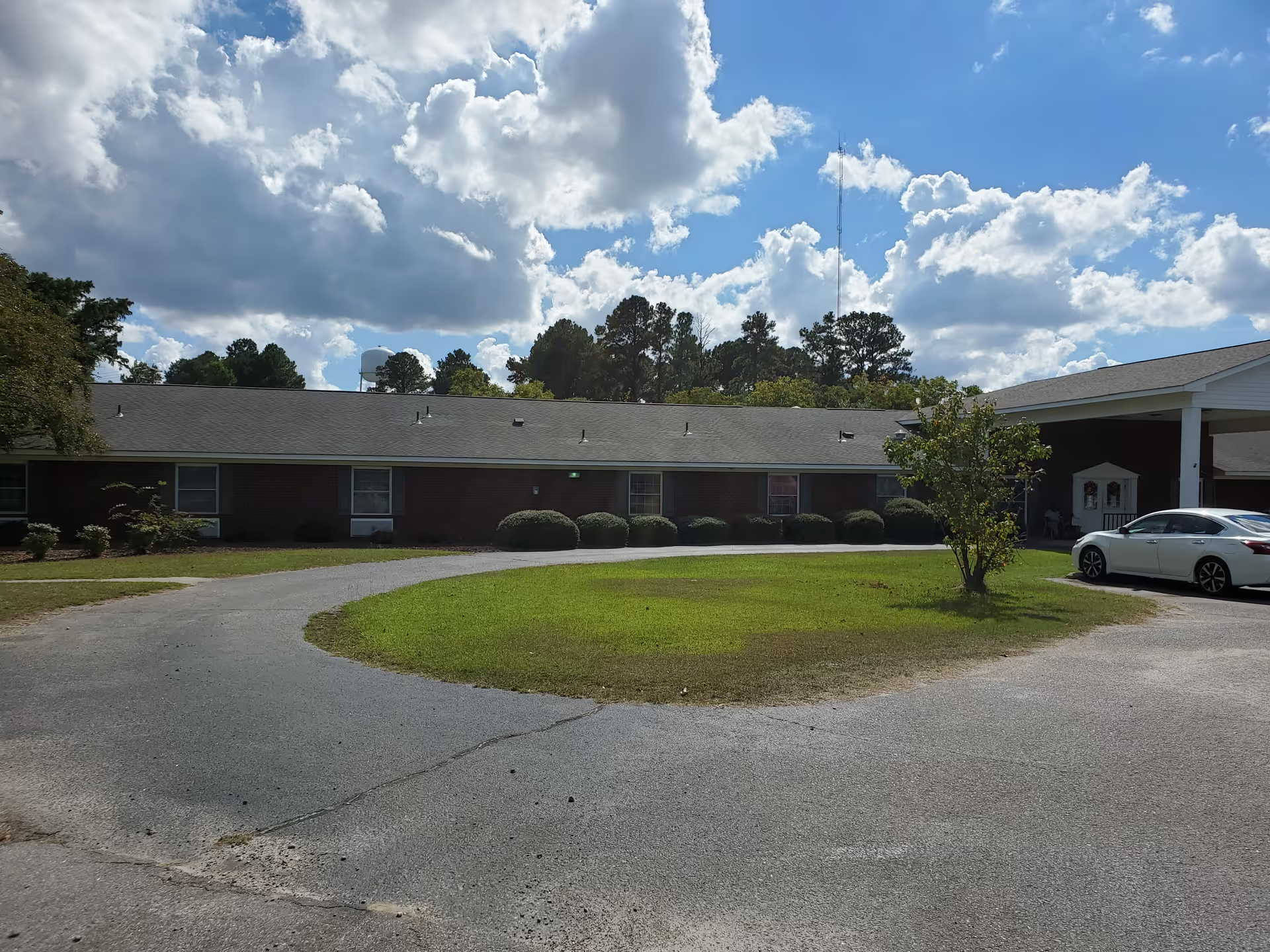
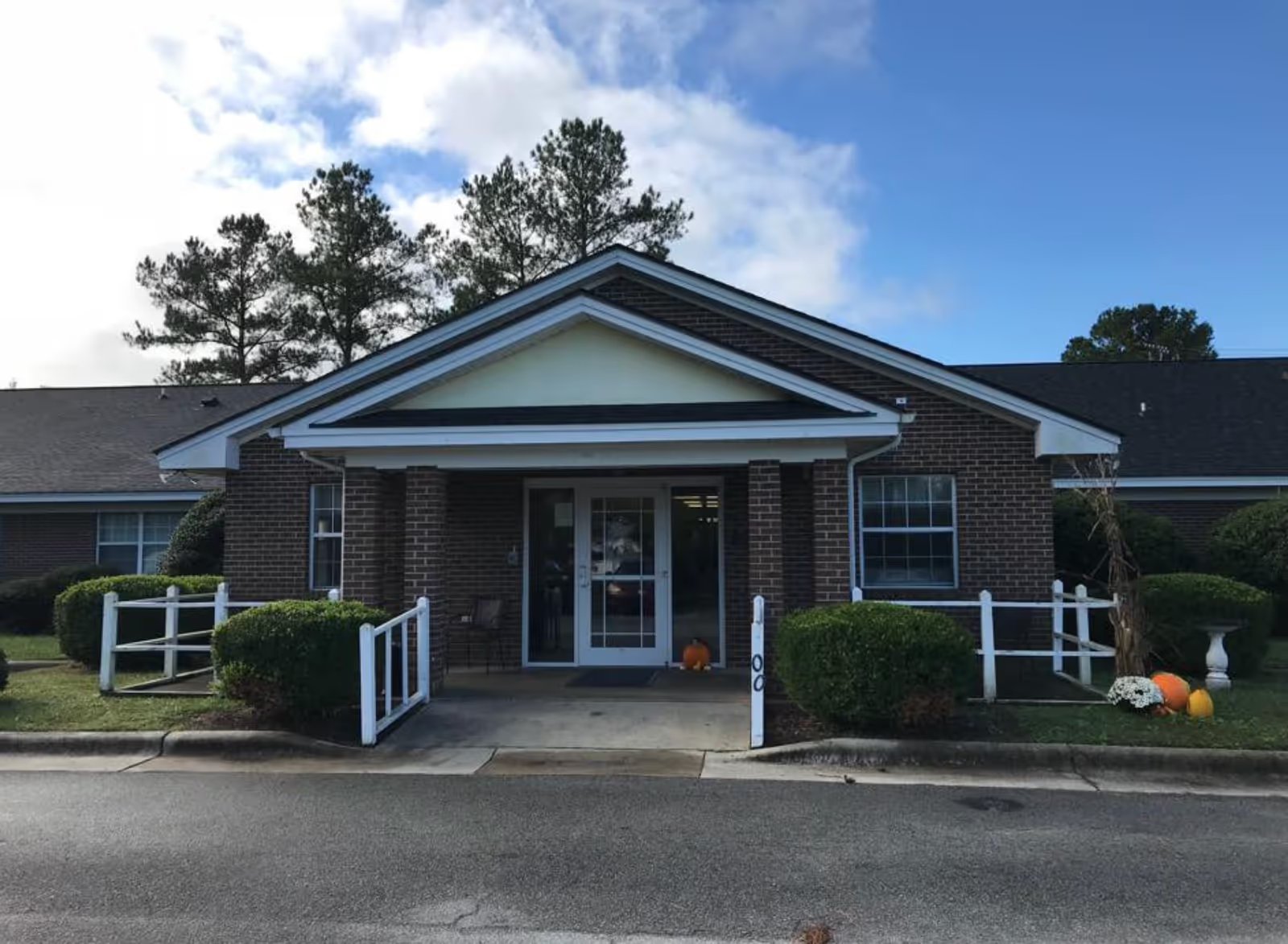
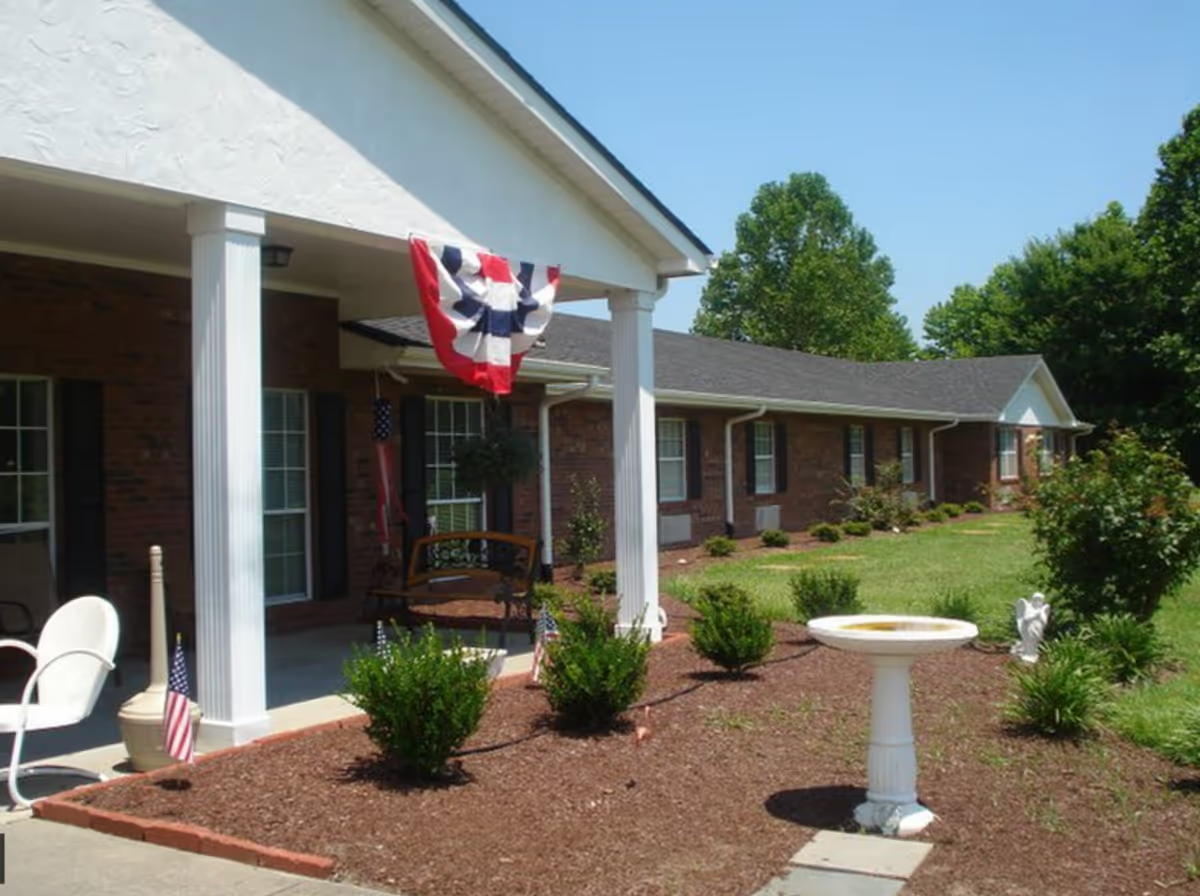
Dining impressions are mixed: some families describe meals and dietary service as outstanding, while others note the need for improvement. Facility features are generally viewed favorably when clean and well-maintained — accessible rooms, outdoor sidewalks, and a homelike environment are cited as positives. The facility is also noted for accommodating higher-acuity needs such as dialysis, IV antibiotics, and respite stays, which may be an important consideration for prospective residents.
For prospective residents and family decision-makers, the pattern suggests that Windsor can provide strong rehabilitative care and an engaging social environment under its current leadership, but that operational variability remains—particularly related to staffing consistency, response times, and certain clinical-care processes. When evaluating the facility in person, consider asking about staffing ratios by shift (weekends versus weekdays), call-response metrics, wound-care and medication-administration protocols, infection-control procedures, and policies for resident communication access. Observing the facility during different shifts and asking for recent quality-improvement initiatives or outcomes data may help clarify whether the positive trends noted by many families are consistently sustained.