The reviews indicate a facility with strong rehabilitative capabilities and a staff base that many families find compassionate and effective. Occupational and physical therapy are frequently highlighted as particular strengths: therapists are described as skilled, motivating, and instrumental in helping residents regain function and return home. Many reviewers also praise the day-to-day caregiving team — including nurses, nursing assistants, aides, social services, and admissions staff — for professionalism, empathy, and practical support such as insurance navigation.
Clinical care quality appears uneven. While several families described attentive nursing care and effective pain management, others identified operational failures in medication administration and delays in delivering pain medications. There are recurring concerns about call-button response times and missed alerts that suggest inconsistent responsiveness on certain shifts. Additionally, reviewers described cases where acute clinical changes were not escalated promptly, raising questions about clinical oversight and protocols for urgent events.
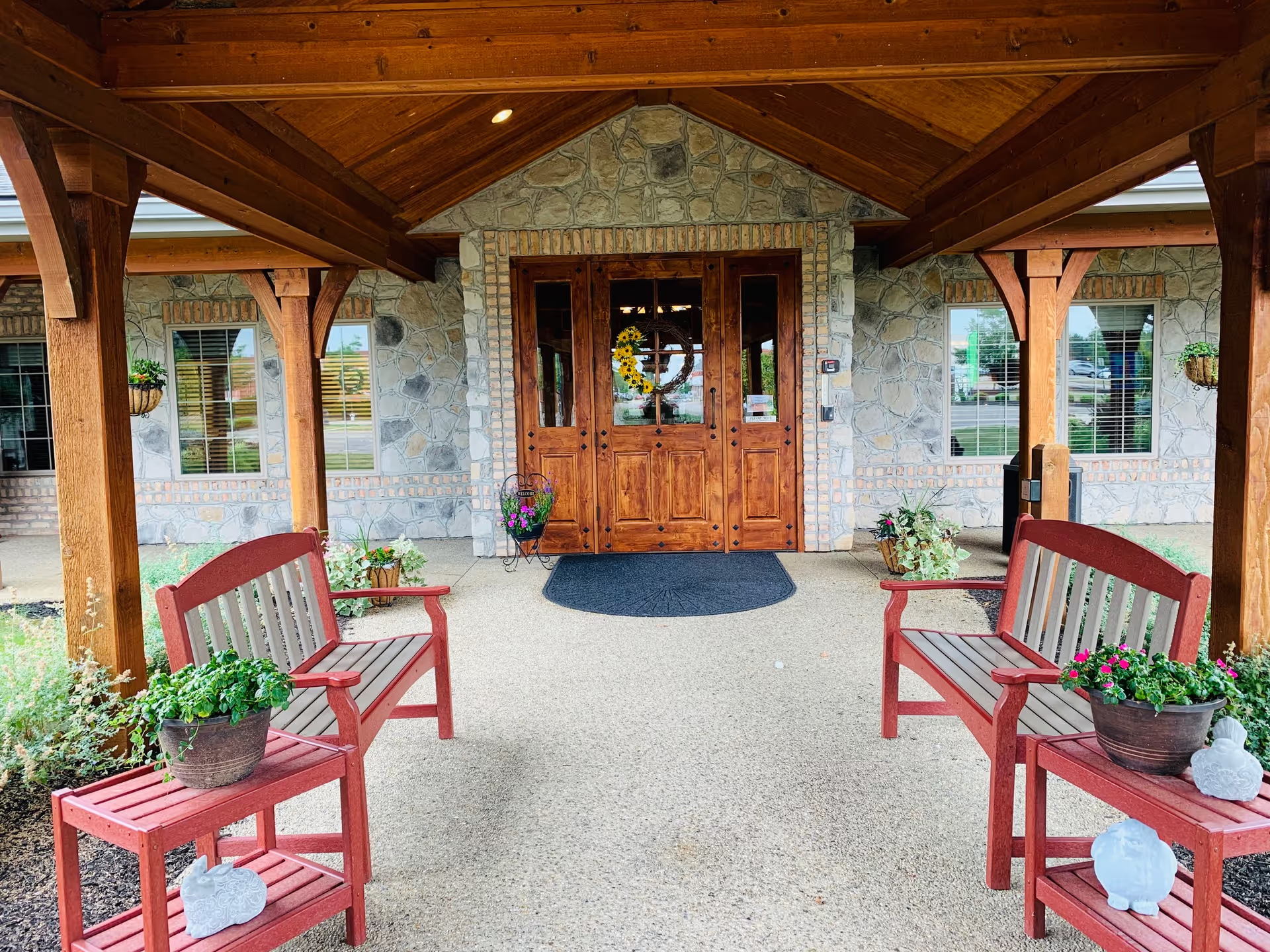
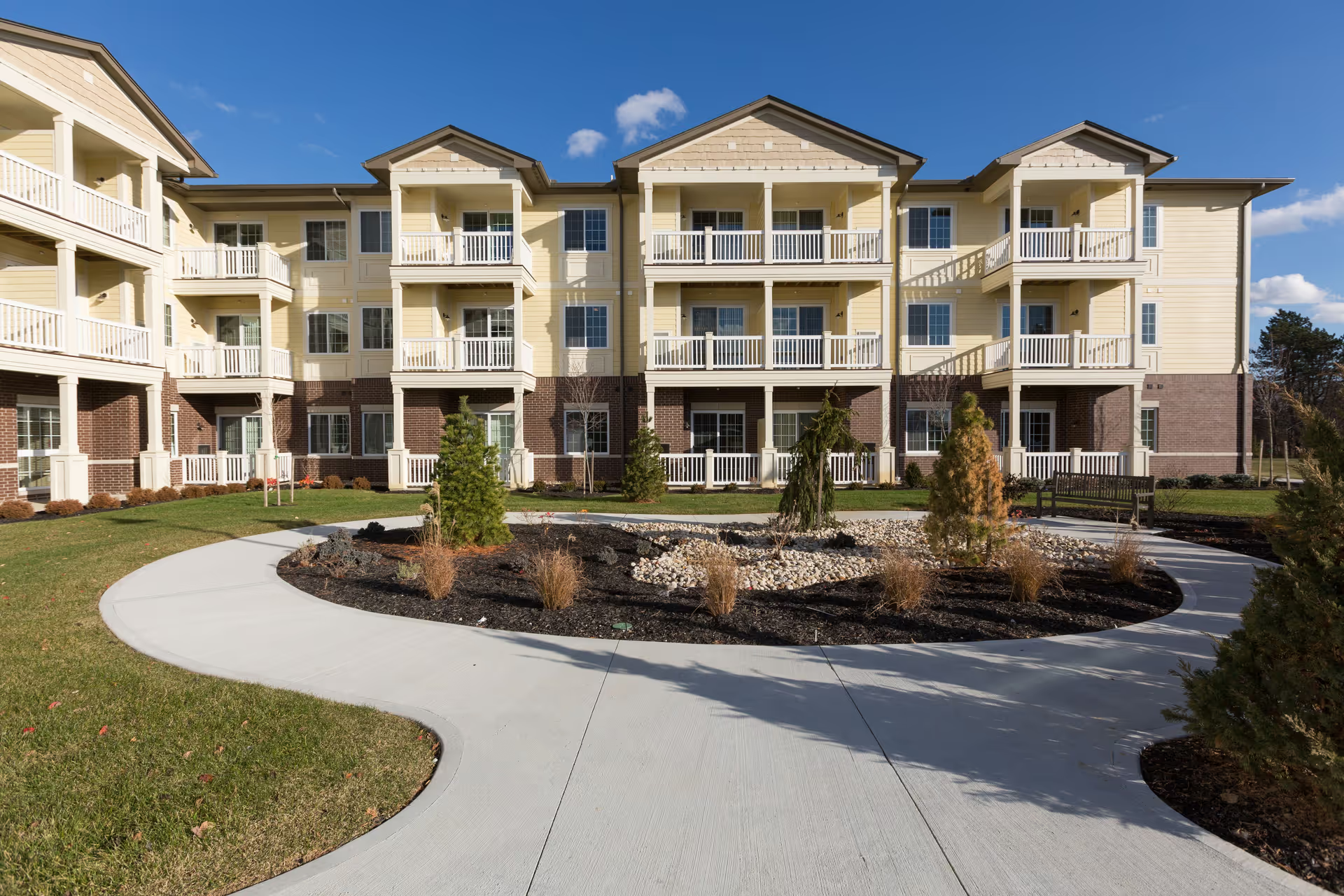
Sanitation and room/environment issues show a mixed picture. Housekeeping and dining receive positive mentions — including generous portions and improving food quality — and many families found communal areas to be clean and well maintained. At the same time, there are repeated notes of odor concerns, incontinence-care lapses, and limited room size or ventilation in some units. These environmental and personal-care inconsistencies merit attention because they affect comfort and infection-control risk.
Communication and administrative processes are another area of variability. Several families appreciated supportive social services and admissions assistance, while others reported inconsistent family updates, difficulties with paperwork, and perceptions that families or decision-makers were not always included in care conversations. There are also concerns about property security and handling of personal belongings; notably, some reviewers raised allegations of theft and dishonesty that should be investigated by oversight authorities or facility management.
Patterns across reviews suggest a rehabilitation-focused culture that can deliver positive outcomes for many residents, particularly when therapy engagement and staffing are strong. However, operational gaps — including medication control, timeliness of responses, hygiene and sanitation consistency, property safeguards, and administrative communication — appear to undermine that care for other residents. Infection-control and staff-health concerns were also raised and should be clarified with facility leadership.
For prospective residents and families: verify medication-administration protocols, call-response metrics, infection-control policies, and property-safeguarding practices during a tour. Ask about typical staffing levels by shift, how the facility communicates clinical changes to families, and what measures are in place to monitor and remediate sanitation and odor issues. These targeted questions can help assess whether the facility’s strong rehabilitation and compassionate staff are paired with reliable operational safeguards for an individual resident’s needs.