The reviews describe a facility with clear strengths in direct resident contact areas and therapy services, combined with recurring operational weaknesses. Families frequently praise the direct-care workforce—CNAs and therapy staff are described as compassionate, attentive, and capable, and the rehabilitation program is highlighted as a particular asset. Several accounts emphasize dignified, supportive end-of-life care and respectful post-passing processes, which are important for families considering long-term placement.
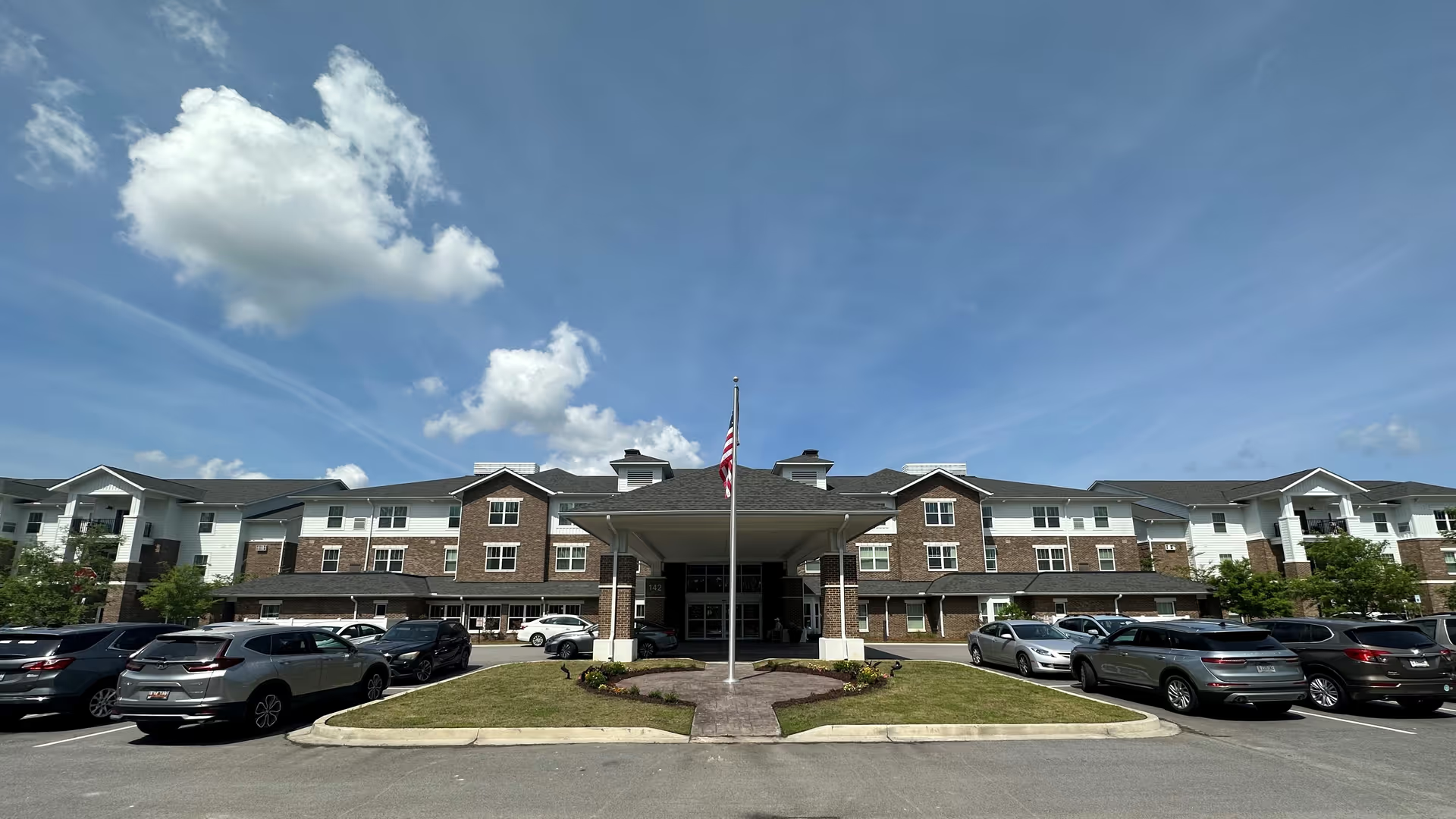
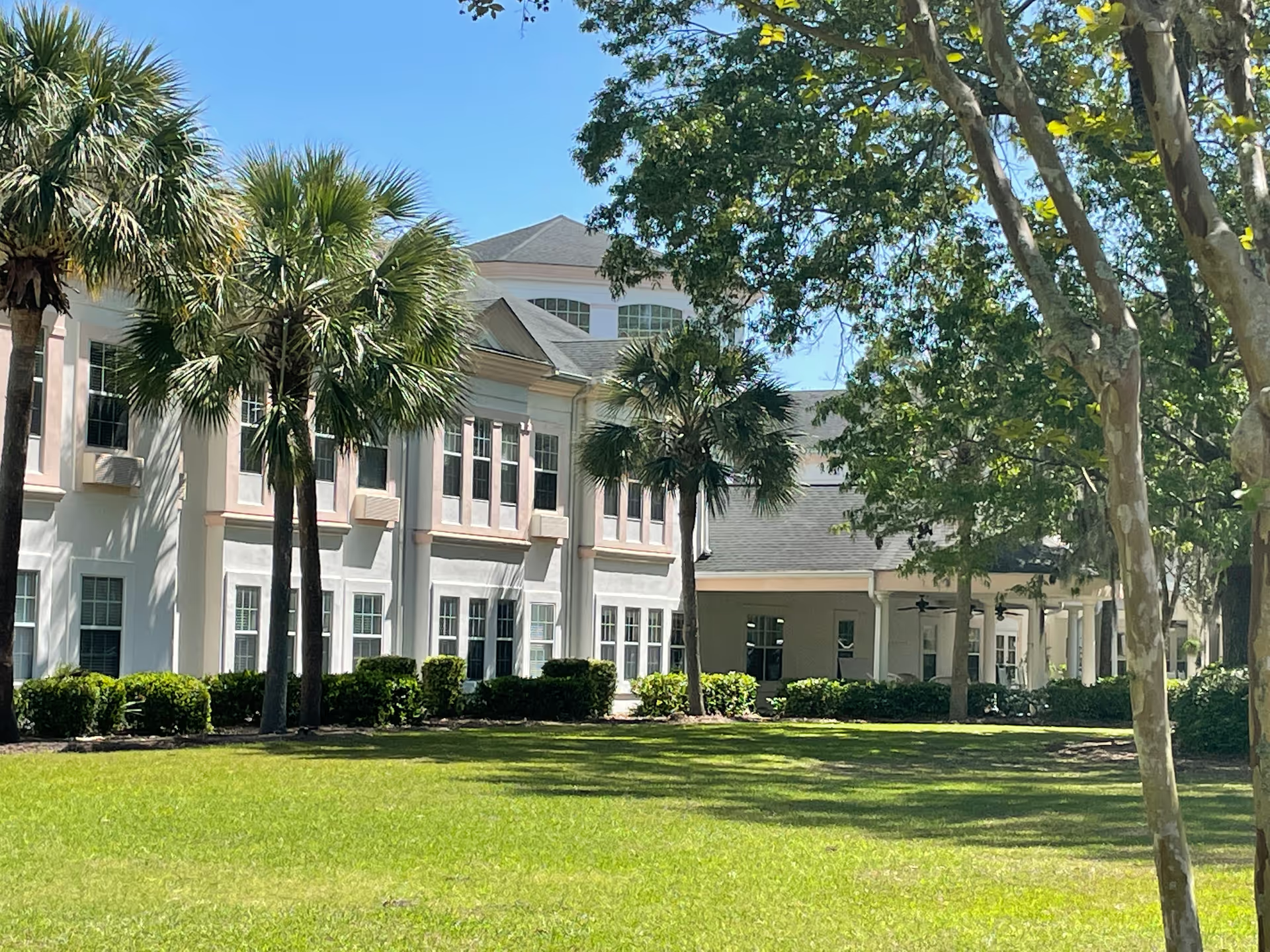
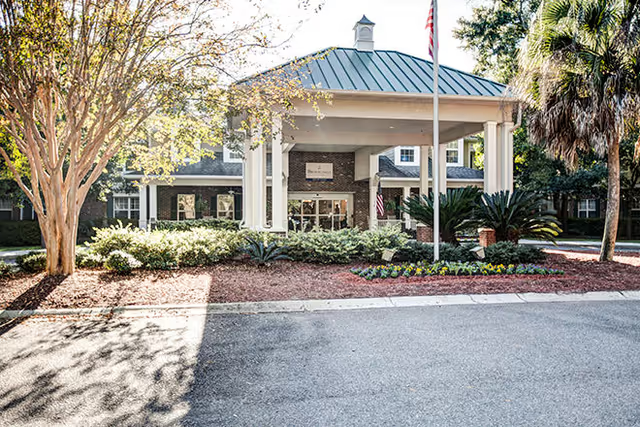
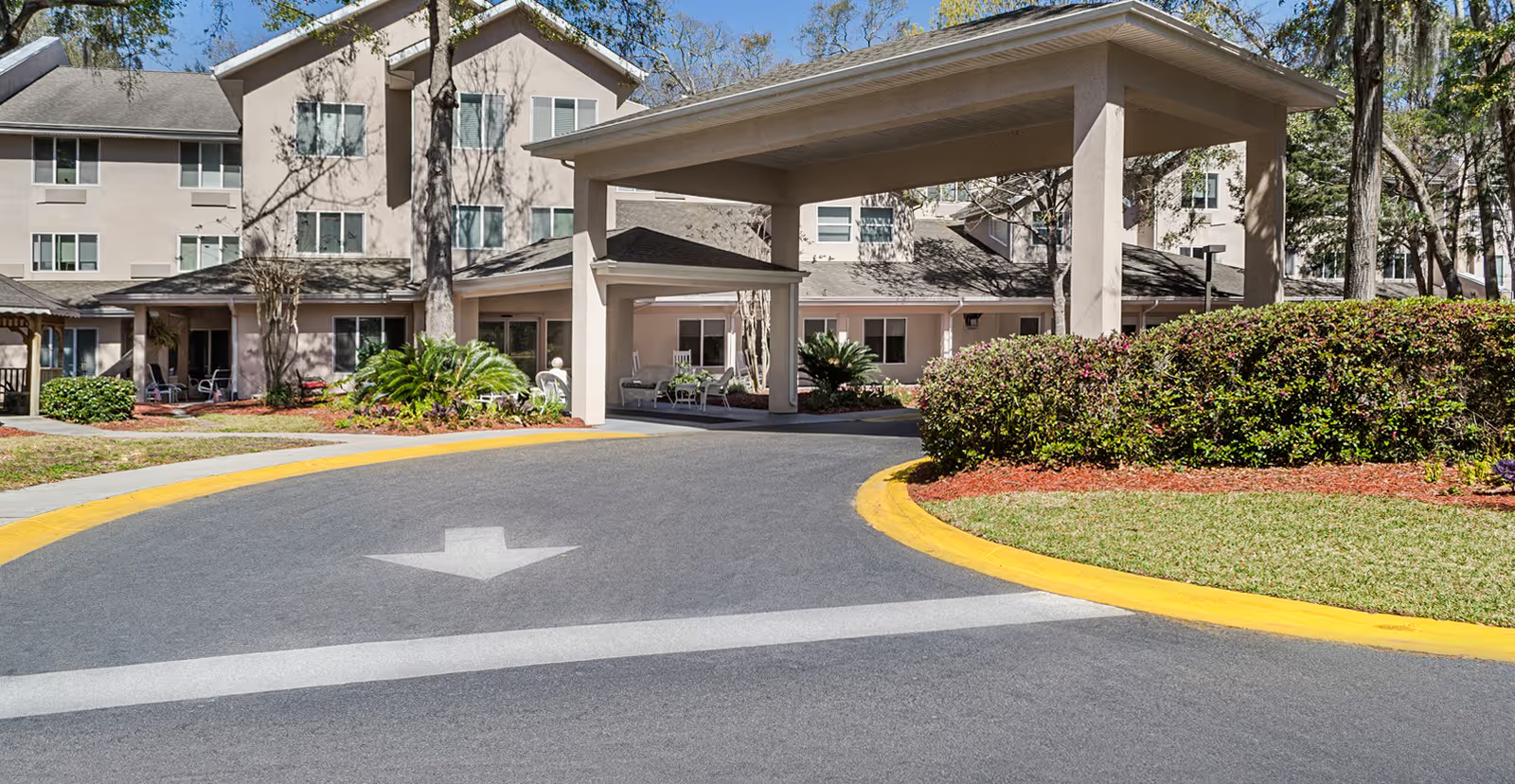
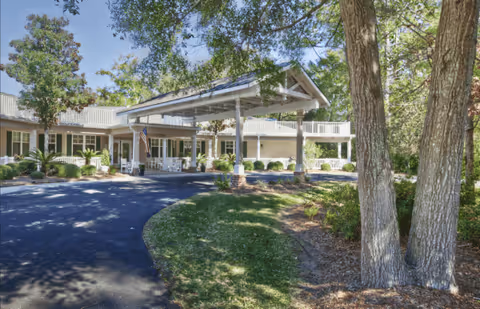
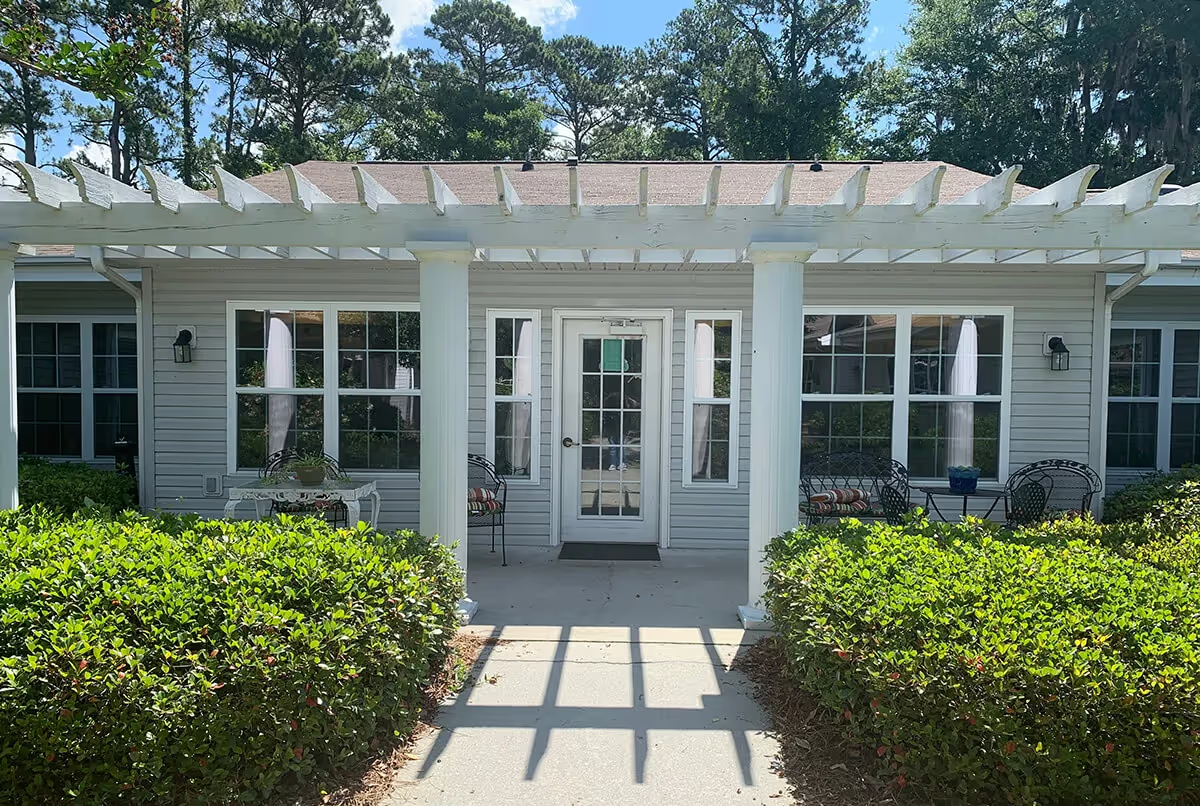
Facility amenities are often noted positively: rooms are described as spacious, modern, and hotel-like, and the building condition is generally perceived as clean and well maintained. Meal selection and presentation receive positive comments from many reviewers, with multiple mentions of varied menu options and appealing entrees; however, meal quality and the facility’s ability to meet specific dietary needs are inconsistent across reports.
Operationally, a number of persistent issues emerge. Staffing levels and responsiveness are a recurrent concern—families cite slow response times, limited weekend coverage, and periods when basic assistance was delayed. Related to staffing, reviewers describe high turnover among both administrative and floor staff, which appears to contribute to variability in clinical competence, supervision, and continuity of care. Medication administration timeliness and medication-management processes are highlighted as inconsistent in some accounts, and there are broader concerns about pain-medication and prescribing practices.
Personal-care operations show mixed performance. While many reviewers note attentive CNAs and regular assistance, there are multiple statements indicating lapses in personal-care routines, laundry handling, and management of residents’ personal property. Communication and transparency from leadership are additional trouble spots: families cite difficulty obtaining timely updates, management responsiveness gaps, and limited clarity around certain administrative matters. There are also mentions of campus-safety and maintenance oversight issues tied to construction activity and grounds management.
Activities programming and social engagement receive varied feedback. When programming is active, activities are described as engaging and beneficial to residents’ mental state; however, activity availability has been curtailed at times due to infection-control measures and other constraints, leaving some families dissatisfied. Dining and dietary accommodation inconsistencies—particularly around food allergies and specialized diets—are important operational risks to verify during a tour.
Given this profile, prospective residents and families should weigh the facility’s strong therapy offerings, welcoming physical environment, and many accounts of compassionate caregiving against documented operational challenges in staffing, clinical consistency, laundry and property management, and leadership transparency. During a visit, consider asking for current staffing ratios, weekend clinical coverage, medication-administration procedures, documentation of dietary-accommodation processes, and examples of how the facility addresses resident property concerns and construction/grounds safety. These targeted questions can help determine whether the facility’s strengths align with an individual resident’s needs and priorities.