Reviewer accounts present a polarized picture of care quality at the facility. Positive experiences emphasize individual staff members and specific programs — particularly music therapy and the intensive outpatient (IOP) program — and multiple reviewers described nurses and therapists who were compassionate, effective, and instrumental in stabilization. When the multidisciplinary team functions well, families described smooth admissions and discharges, helpful advocacy from named staff, and meaningful clinical progress.
However, there is a consistent pattern of operational weaknesses that affect clinical reliability. Medication management and reconciliation at admission and discharge were frequently cited as problematic, along with abrupt medication changes and delays in physician assessment. Several accounts describe brief or delayed physician encounters and limited follow-through on prescribed medications after discharge. These issues combine with reports of understaffing and inconsistent staff presence to produce gaps in timely clinical response and day-to-day care.
Therapeutic offerings appear uneven. Music therapy and some group work received praise, but many reviewers described a lack of substantive psychotherapy or individualized therapeutic engagement during inpatient stays; activities were often characterized as limited or not meaningful. By contrast, the facility’s IOP and some outpatient supports were identified as effective when available.
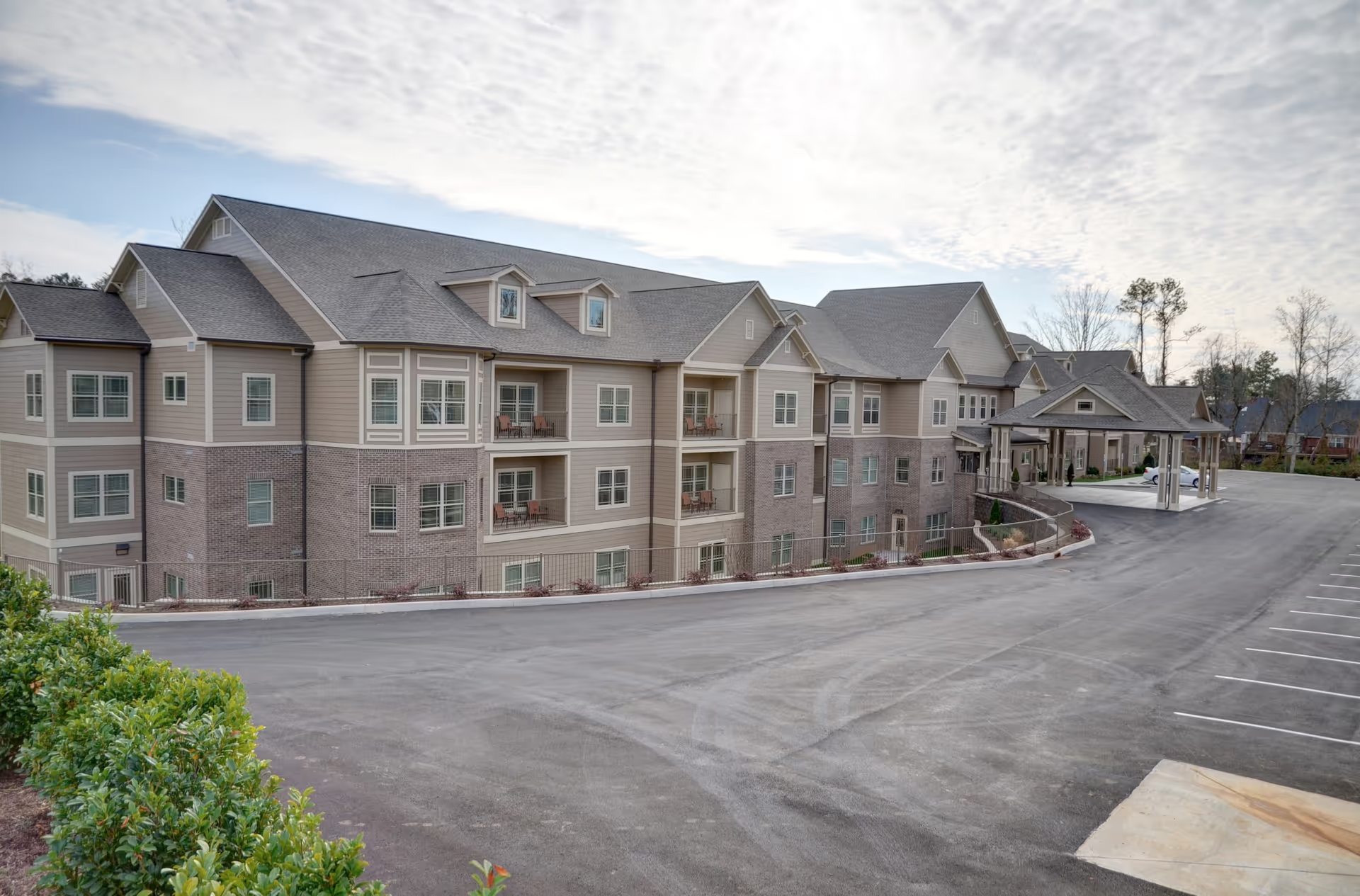
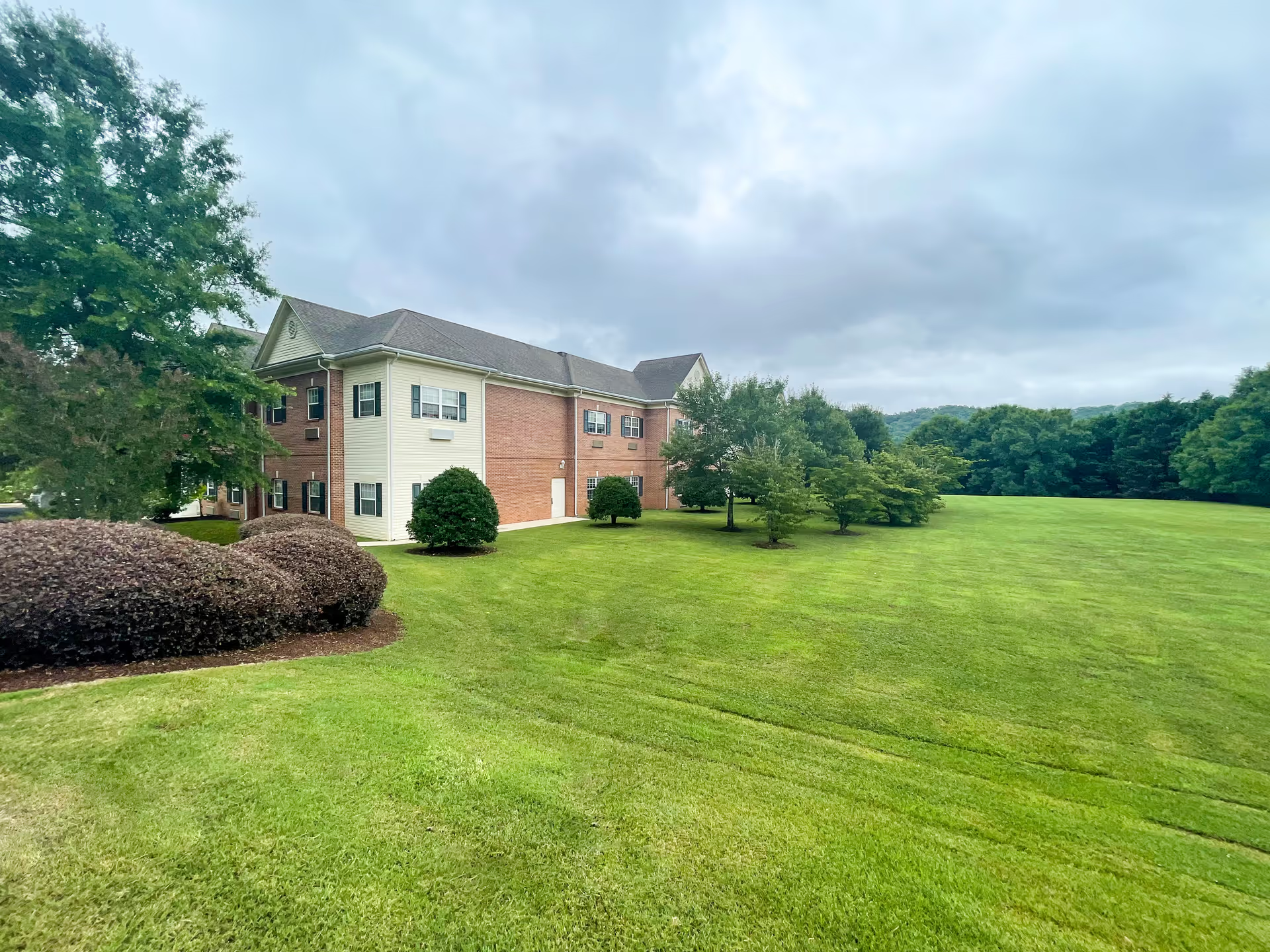
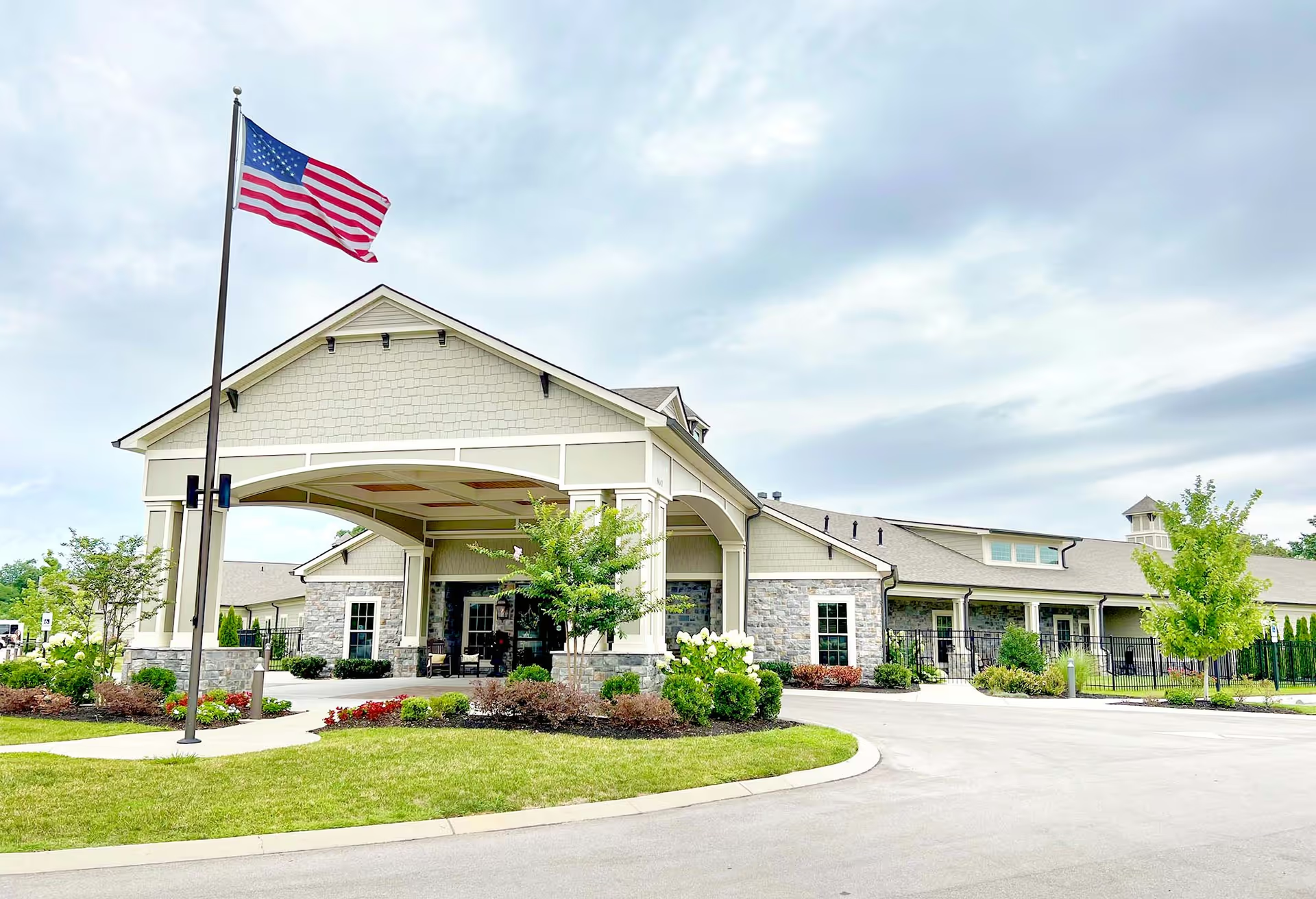
Safety, environment, and facilities are additional recurring concerns. Reviewers raised issues about management of agitated or violent patients and described instances where the clinical environment felt unsafe or chaotic. Environmental and maintenance problems — plumbing leaks, uncomfortable beds and chairs, noise from staff operations, and sanitation/odor concerns in certain areas — were reported alongside dissatisfaction with some aspects of nursing responsiveness (e.g., timeliness of nurse visits, call-button responsiveness).
Communication and management practices drew mixed evaluations. While some families praised individual leaders and noted improved conditions following management involvement, others described inconsistent admission information, unclear visitation policies, poor documentation, and billing or insurance questions including potential conflicts of interest. A small number of serious claims — characterized in reviews as coercive admissions or non-consensual medication practices — were raised and merit careful scrutiny by prospective families and regulators.
Overall, the facility shows meaningful strengths in specific staff relationships and certain programs, but recurring operational issues — notably inconsistent staffing, medication-reconciliation gaps, limited therapy delivery, safety management concerns, and facility maintenance/cleanliness problems — are frequent themes. Prospective residents and families should weigh the positive reports of individual clinicians and programs against the documented variability in day-to-day operations and should clarify care processes (medication reconciliation, therapy schedules, visitation rules, and discharge planning) before admission.