Overall impression: The Waters of Maryville elicits mixed feedback that clusters into two clear themes. Many families and residents praise the day-to-day caregiving teams, therapy services, and the physical environment; concurrently, operational weaknesses — particularly around staffing, dining, and management stability — create inconsistent resident experiences.
Care and staff: Numerous comments highlight compassionate, respectful nursing staff and a strong therapy team led by an engaged medical director. Individual caregivers are frequently described as attentive and willing to go above and beyond, which families say provides comfort and a sense of recovery-focused care. At the same time, pervasive staffing shortages and turnover are repeatedly cited and are associated with inconsistent clinical performance: delays in routine assistance, missed or late medication administration, and variability in help with ADLs such as bathing and oral care. Call-button responsiveness is also raised as a recurring concern linked to staffing levels.
Dining: Dining is an area of notable variability. Several families described inconsistent food temperature, small portions, and occasional omissions (for example, beverages or requested items), which affects perceived value and resident satisfaction. Others did not comment negatively, suggesting that dining quality may shift by shift or by unit.
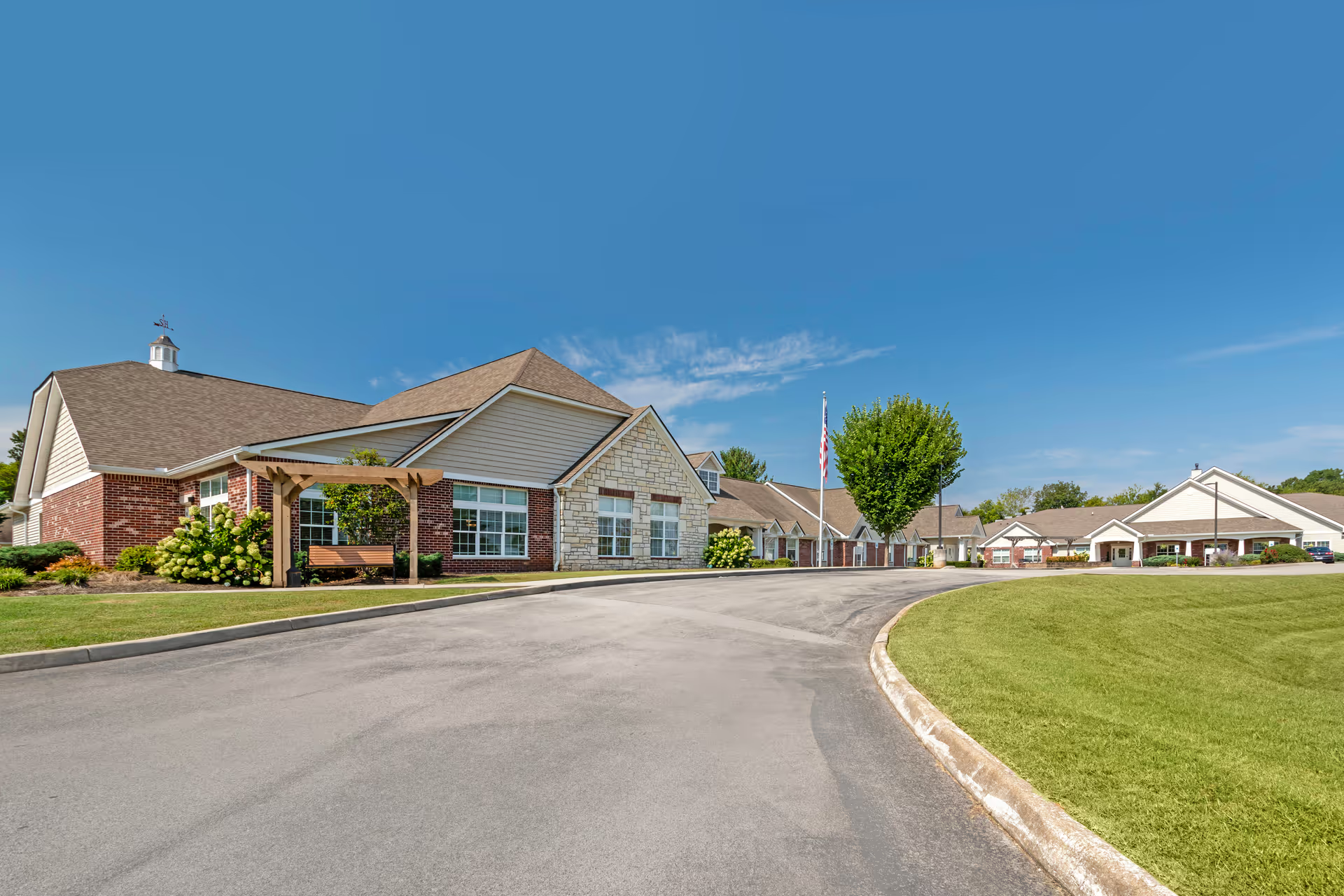
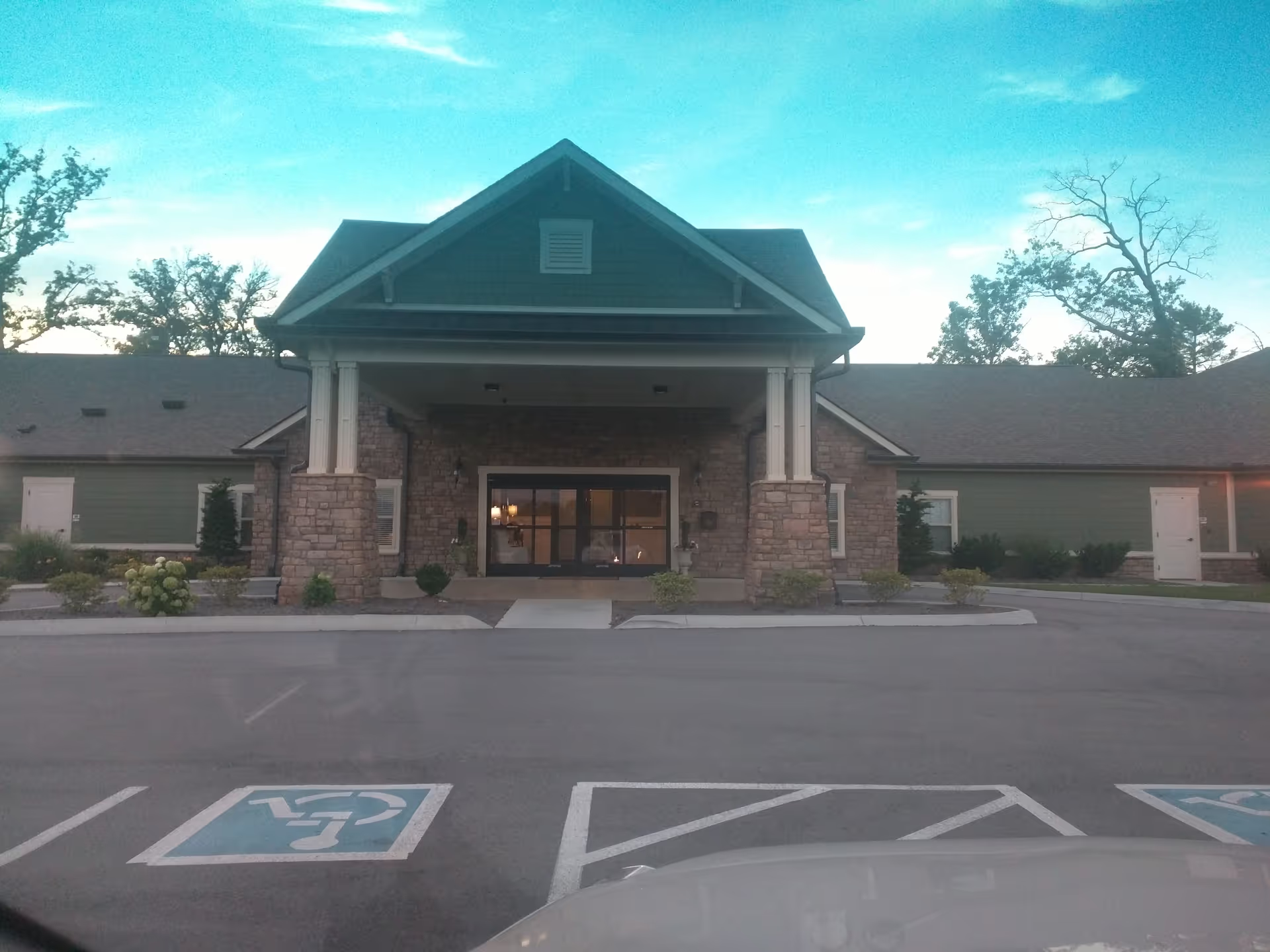
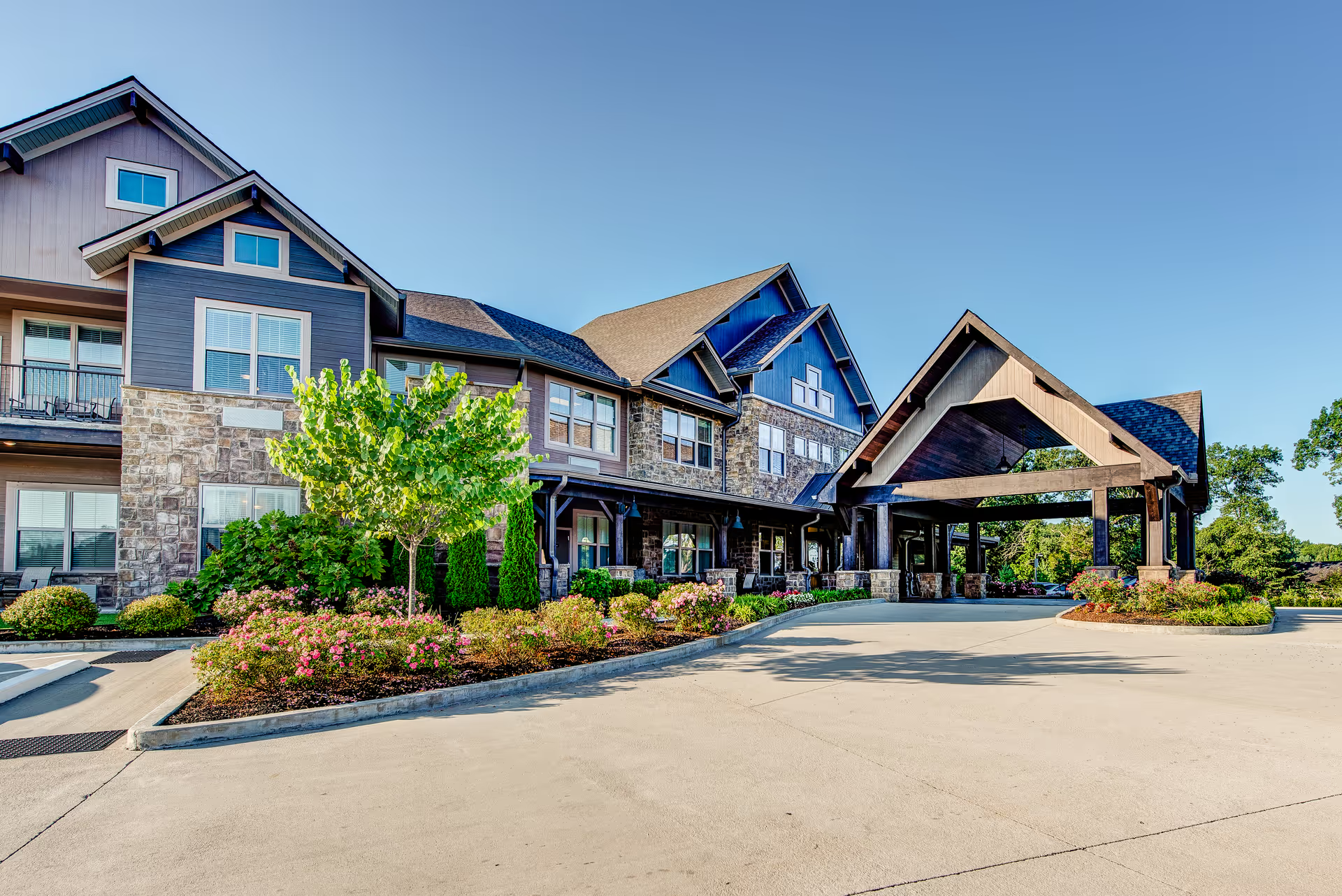
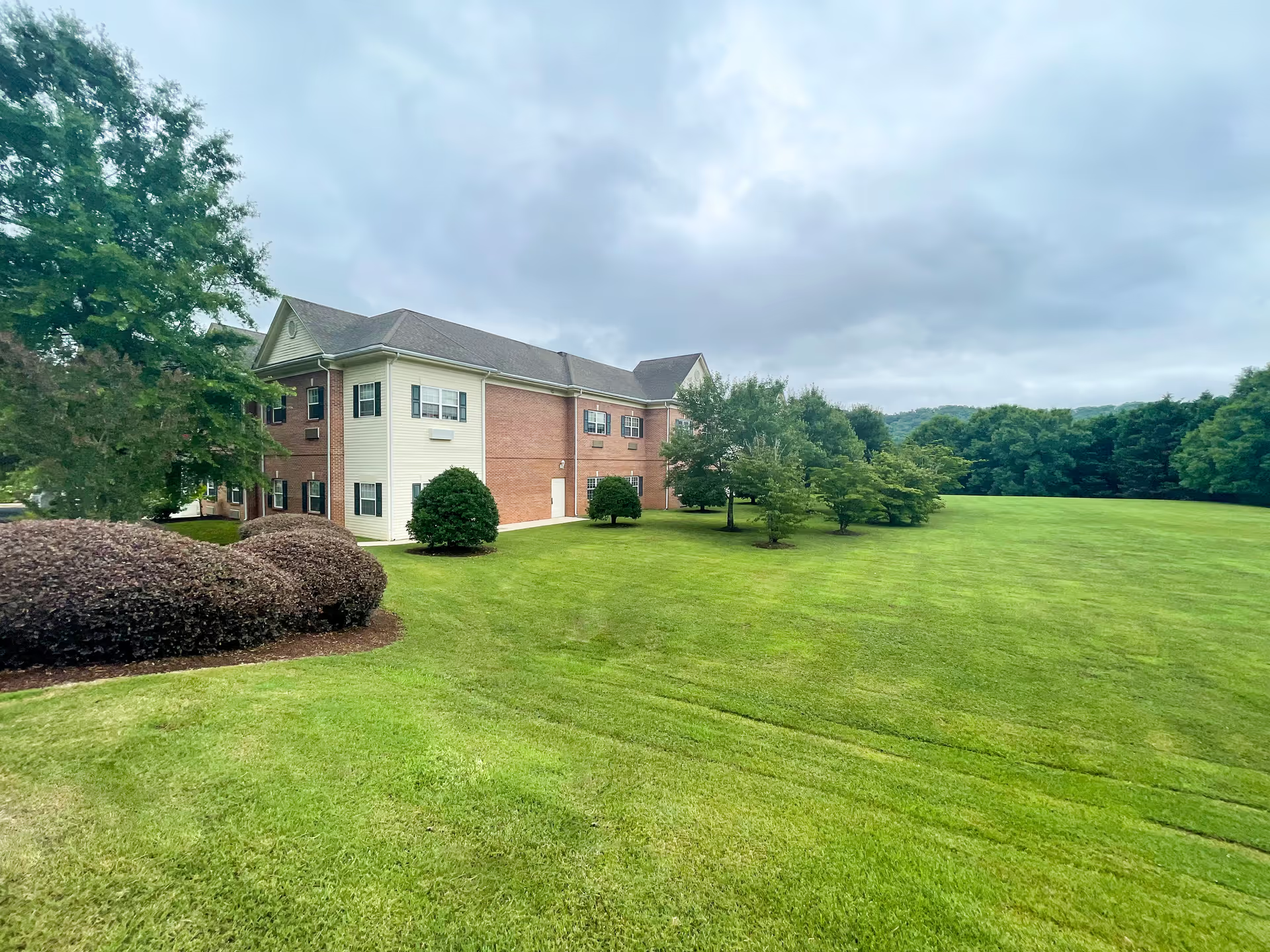
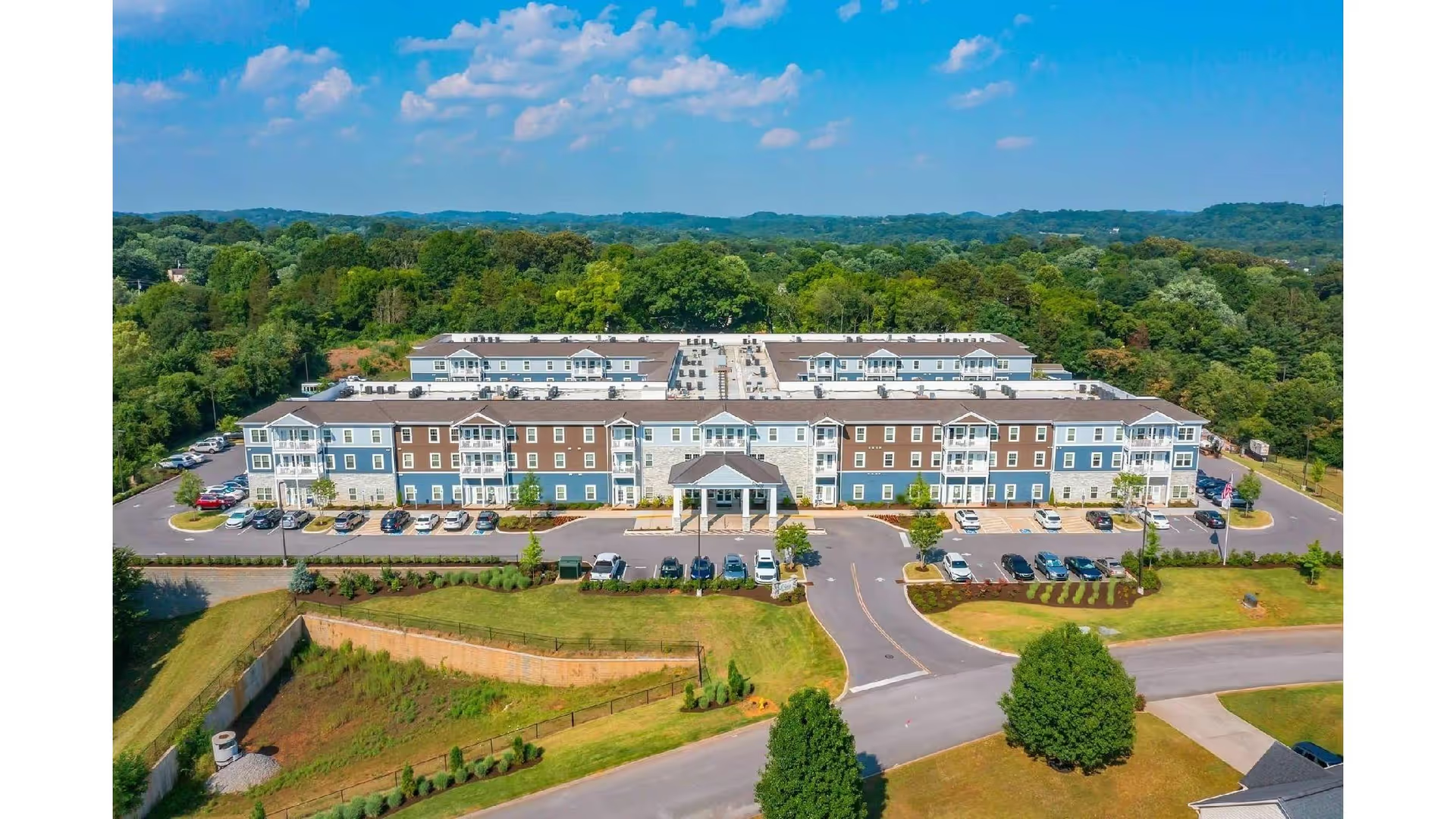
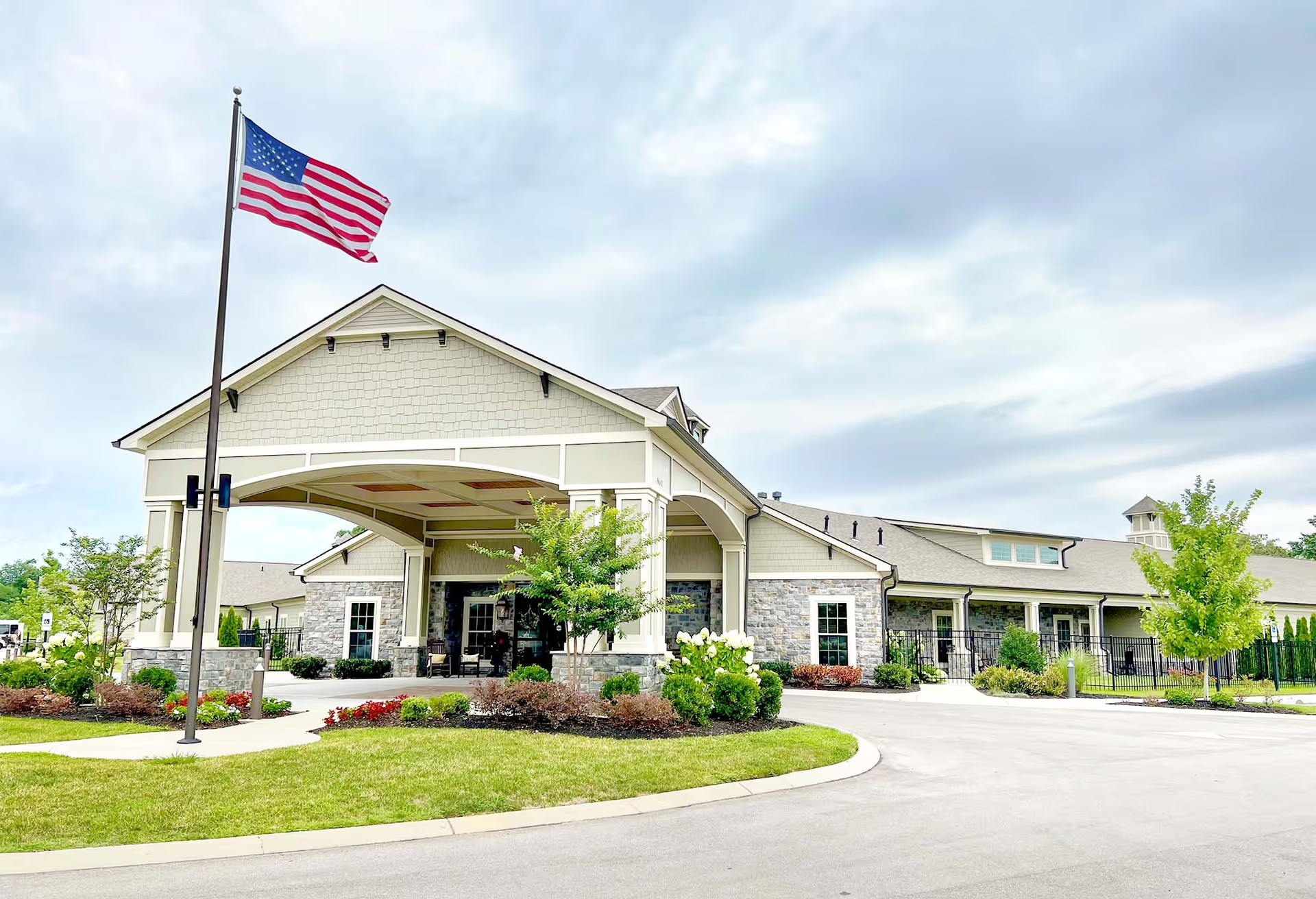
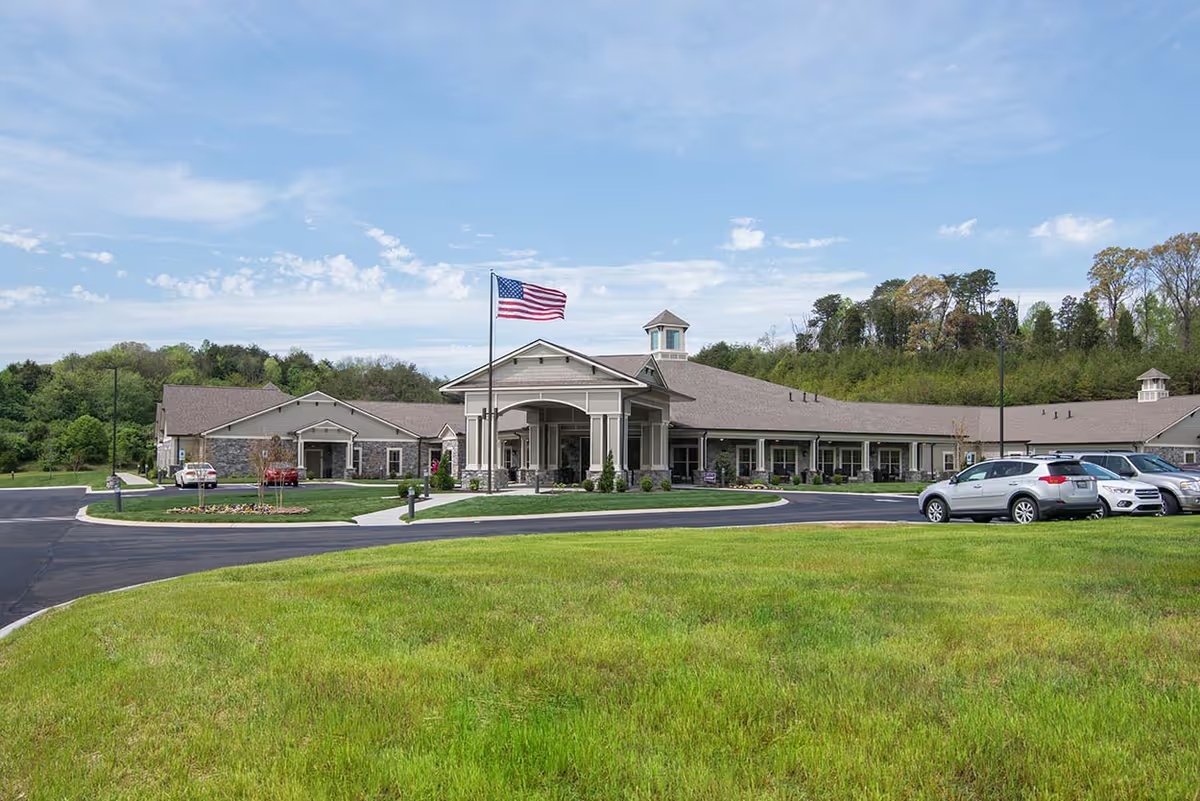
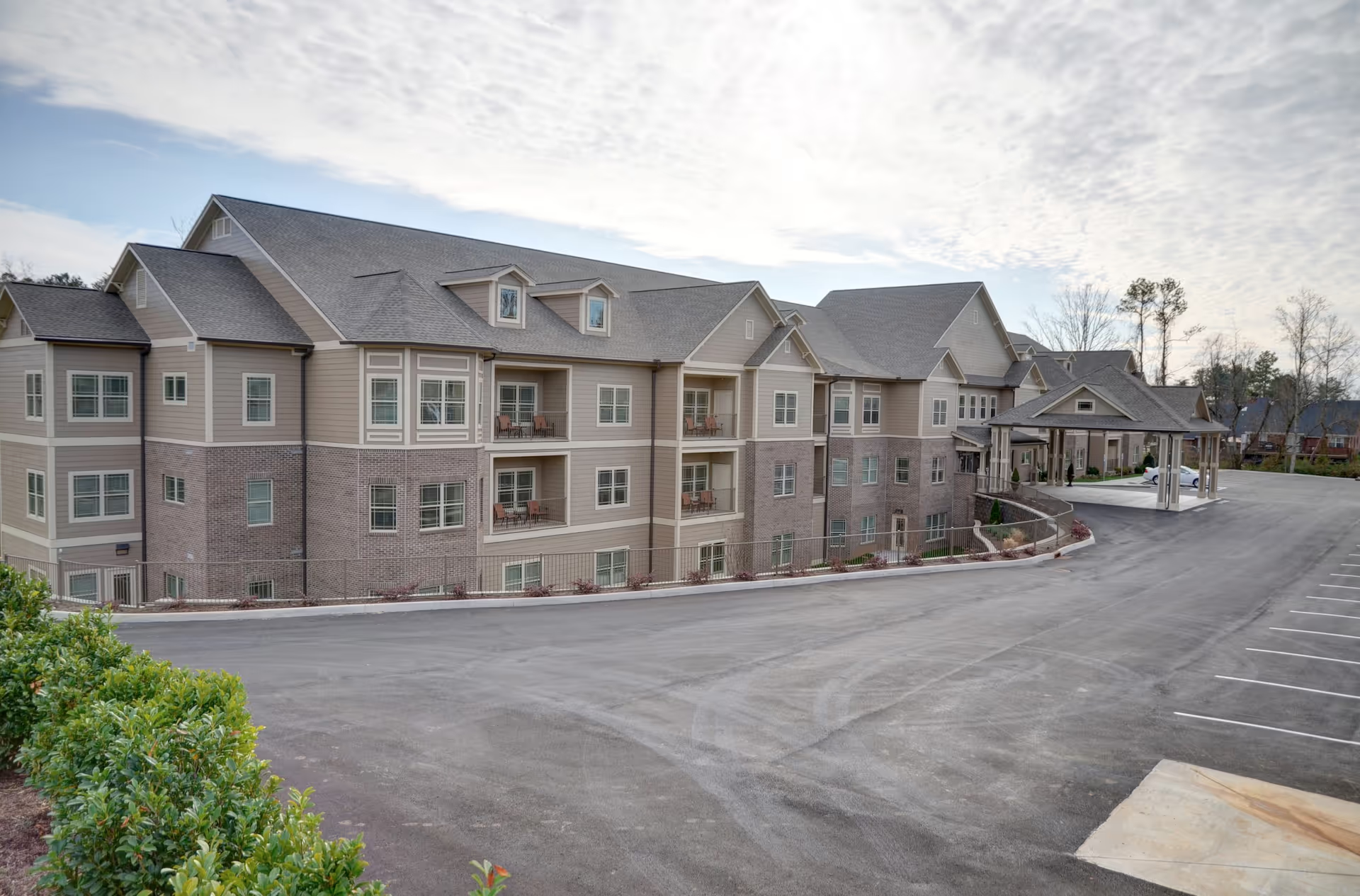
Activities and facilities: The facility’s physical environment is a clear strength for many reviewers — roomy, attractive resident suites with sitting areas and refrigerators, a well-kept campus, and active daily programming. Respite care availability and a friendly community atmosphere are additional positives. However, a subset of reviewers identified cleanliness and condition issues in specific units, indicating variability in housekeeping or maintenance standards across the building.
Management and operations: Multiple comments indicate leadership turnover and unclear operational practices, with some families perceiving a stronger emphasis on financial priorities than on consistent service delivery. Conversely, others note new leadership and targeted improvements, and some named staff members (including a manager) as contributing positively to a change in direction. This suggests the facility may be in a transition phase where management-driven improvements are underway but not yet uniform.
Notable patterns and guidance: The dominant pattern is that individual staff and clinical teams are often reliable and caring, while system-level problems — staffing ratios, medication timing, dining consistency, bathing accommodations for non-ambulatory residents, and uneven cleanliness — create risk for uneven experiences. Prospective residents and families should weigh the facility’s strong therapy capabilities, caring frontline staff, and attractive rooms against operational variability. Recommended evaluation steps before placement include asking about current staffing ratios and recent turnover, medication-administration protocols, bathing options for limited-mobility residents, sample menus or meal observations, housekeeping schedules for specific units, and recent leadership changes or quality-improvement initiatives.