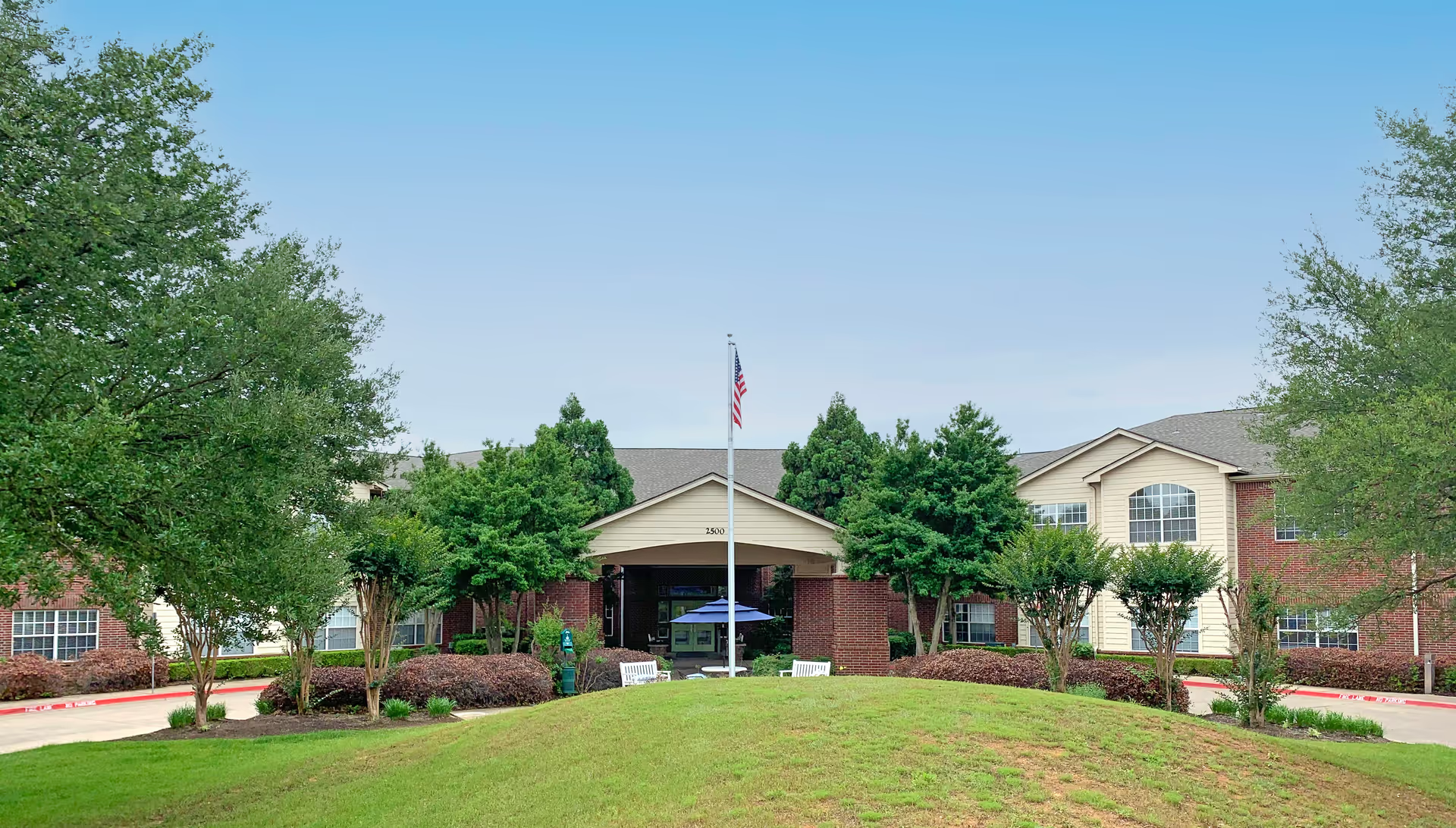
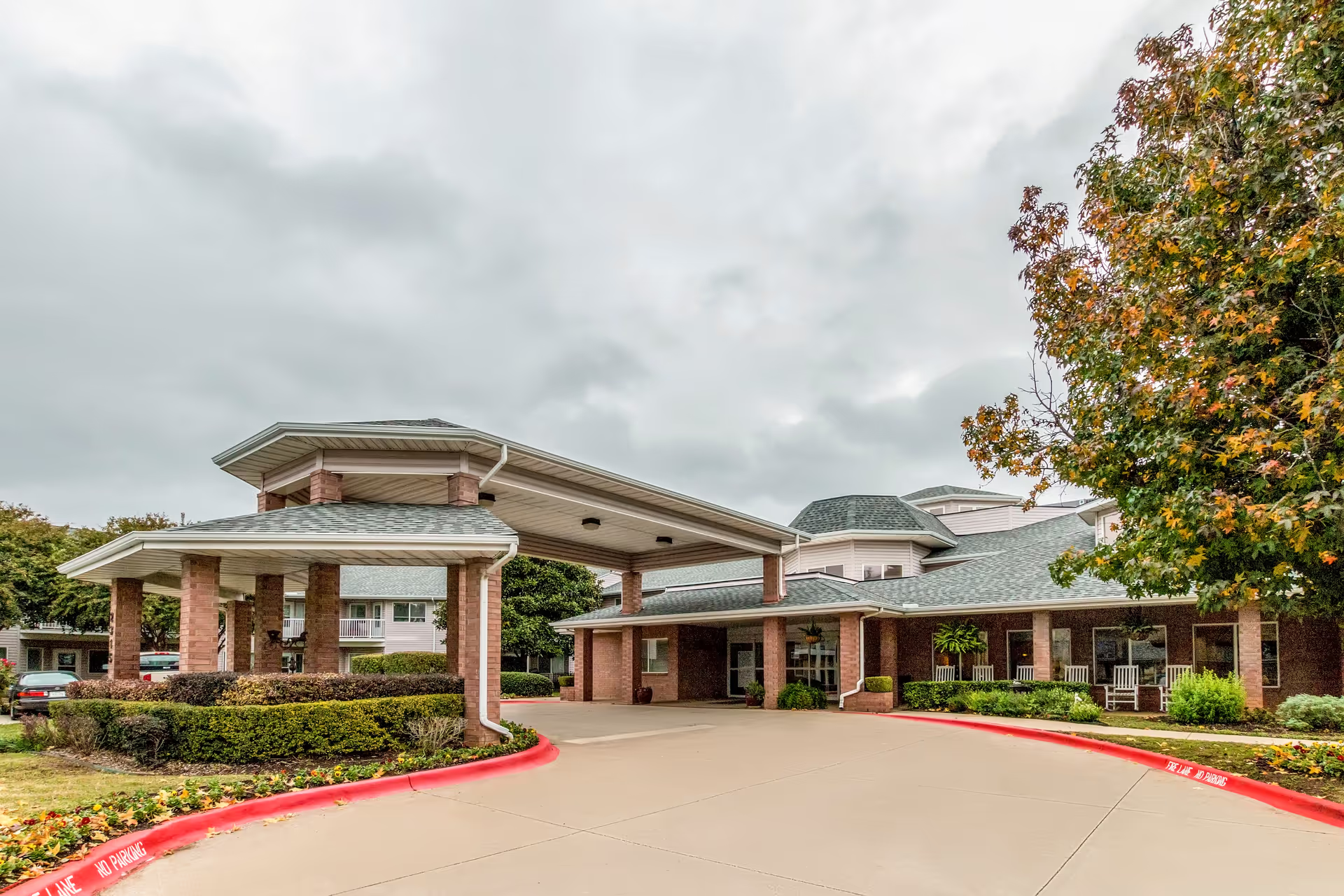
Town Hall Estates Arlington elicits a strongly mixed set of impressions. Many families and residents highlight consistent strengths: a workforce described as compassionate and attentive, visible nursing coverage, proactive social work, and administrators who facilitate care planning and family communication. Rehabilitation and therapy services receive repeated praise, and housekeeping is frequently singled out for timely room maintenance and overall cleanliness. The building’s common areas, including well-lit corridors and maintained courtyards, are often described as pleasant and accessible, and private-room options and a convenient location near a hospital are seen as practical advantages.
Dining and activities are another area of contrast. Several reviewers commend varied menus, frequent menu rotation, on-site hair and beauty services, a robust activities calendar (including church services and social groups), and the availability of snacks around the clock. Others, however, describe inconsistent food quality, repetitive or poorly presented meals, and occasional dining-area cleanliness problems. Prospective residents should expect a generally active program of therapies and social offerings but may encounter variability in meal execution.
Clinical care and operational consistency are the most significant sources of concern. While many accounts describe capable, caring nursing staff and successful wound or rehab outcomes, other reports indicate lapses in clinical oversight, delays in response to care needs, and cases that families perceived as leading to adverse medical outcomes. There are also remarks suggesting gaps in infection-control follow-up after acute events. These divergent reports point to unevenness in medical-management consistency rather than a uniform pattern of performance.
Operational and administrative themes recur in contrasting ways. Positive comments cite clear family communication and individual staff who go above and beyond, but other critiques reference rigid administrative policies, billing and insurance difficulties that affected discharge decisions, and staff perceived as unaccommodating at times. Security and property-management issues are raised as well: reviewers mention missing personal items and problems with laundry handling, which indicate weaknesses in property controls and resident-accountability processes.
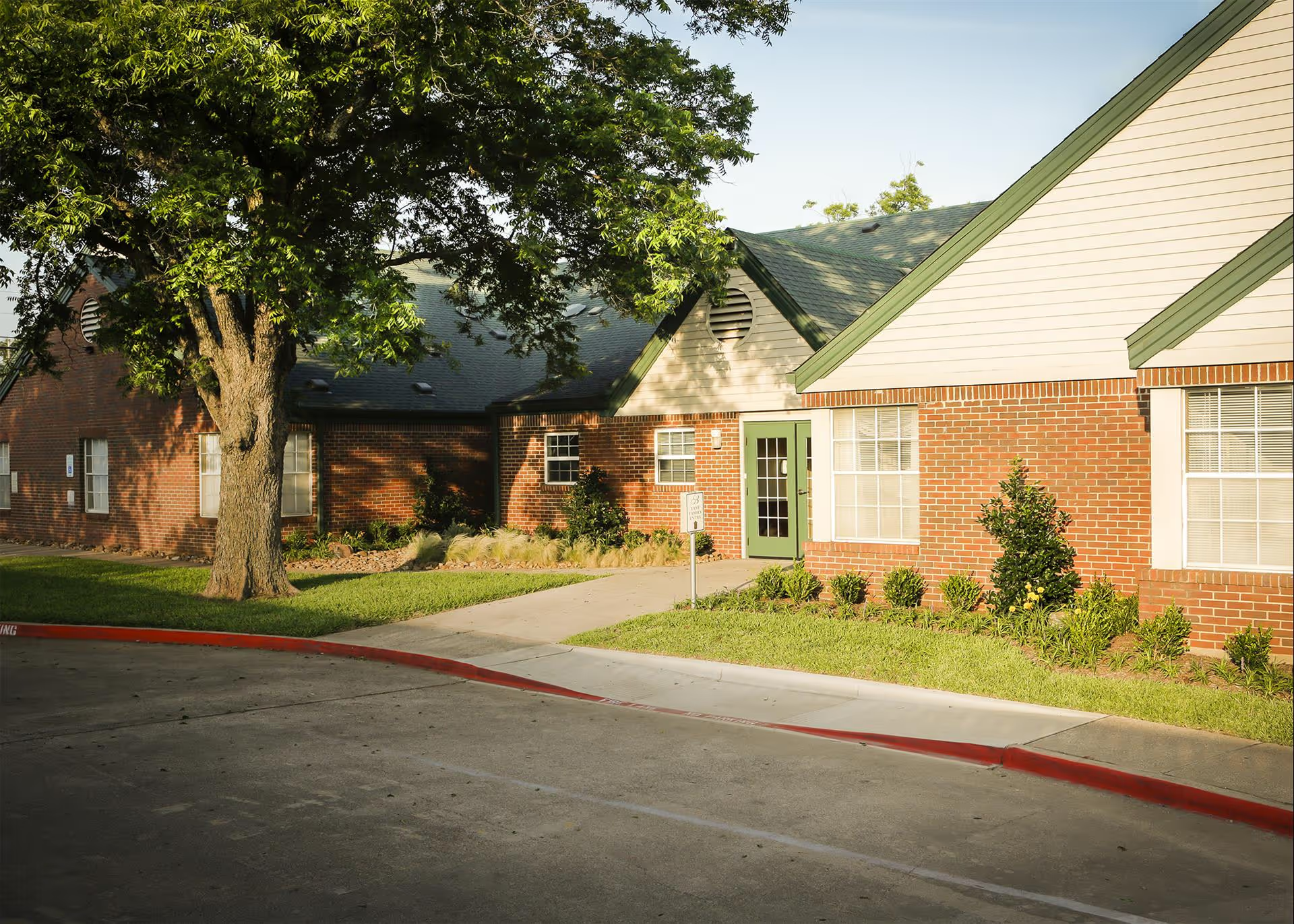
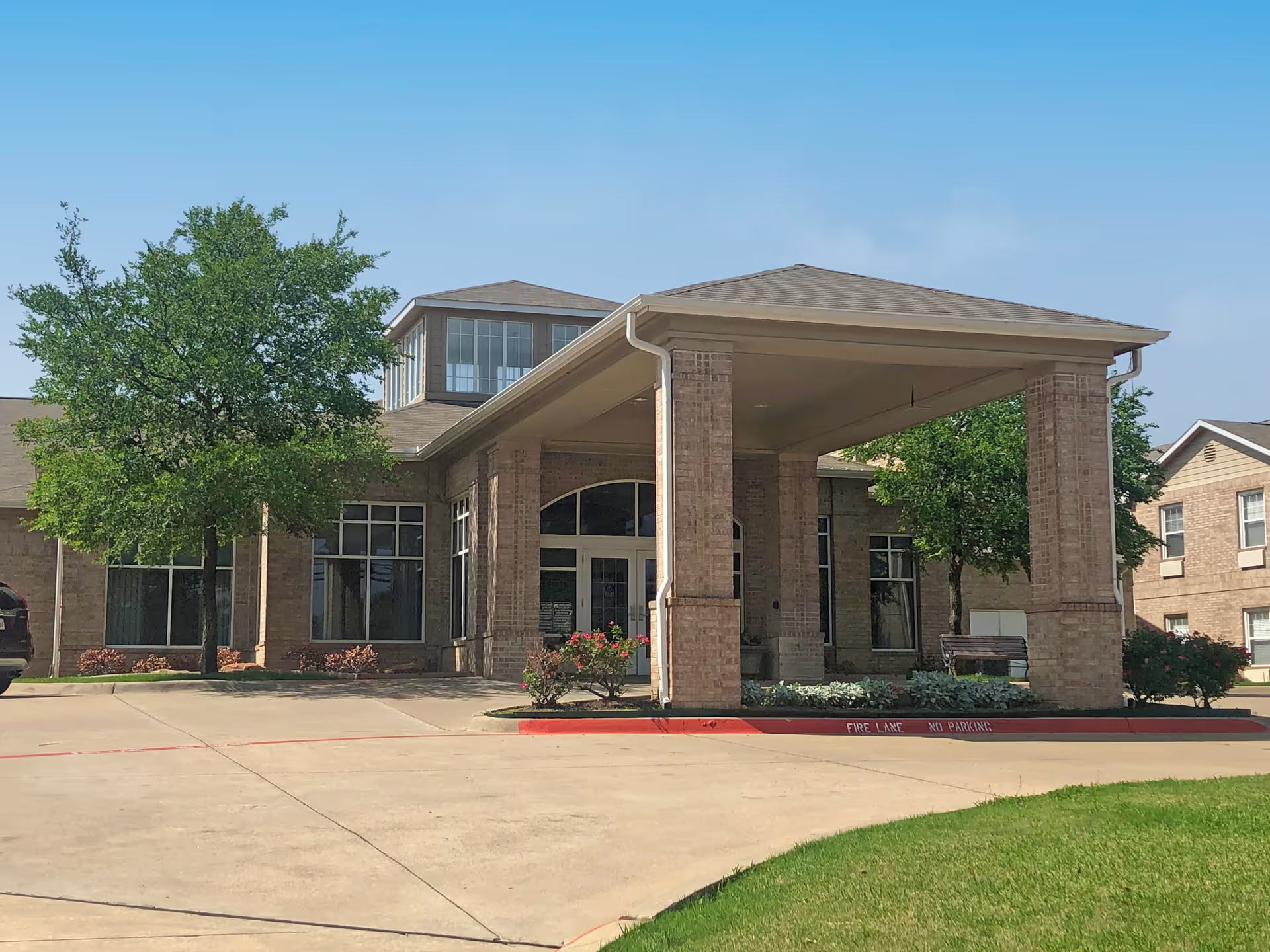
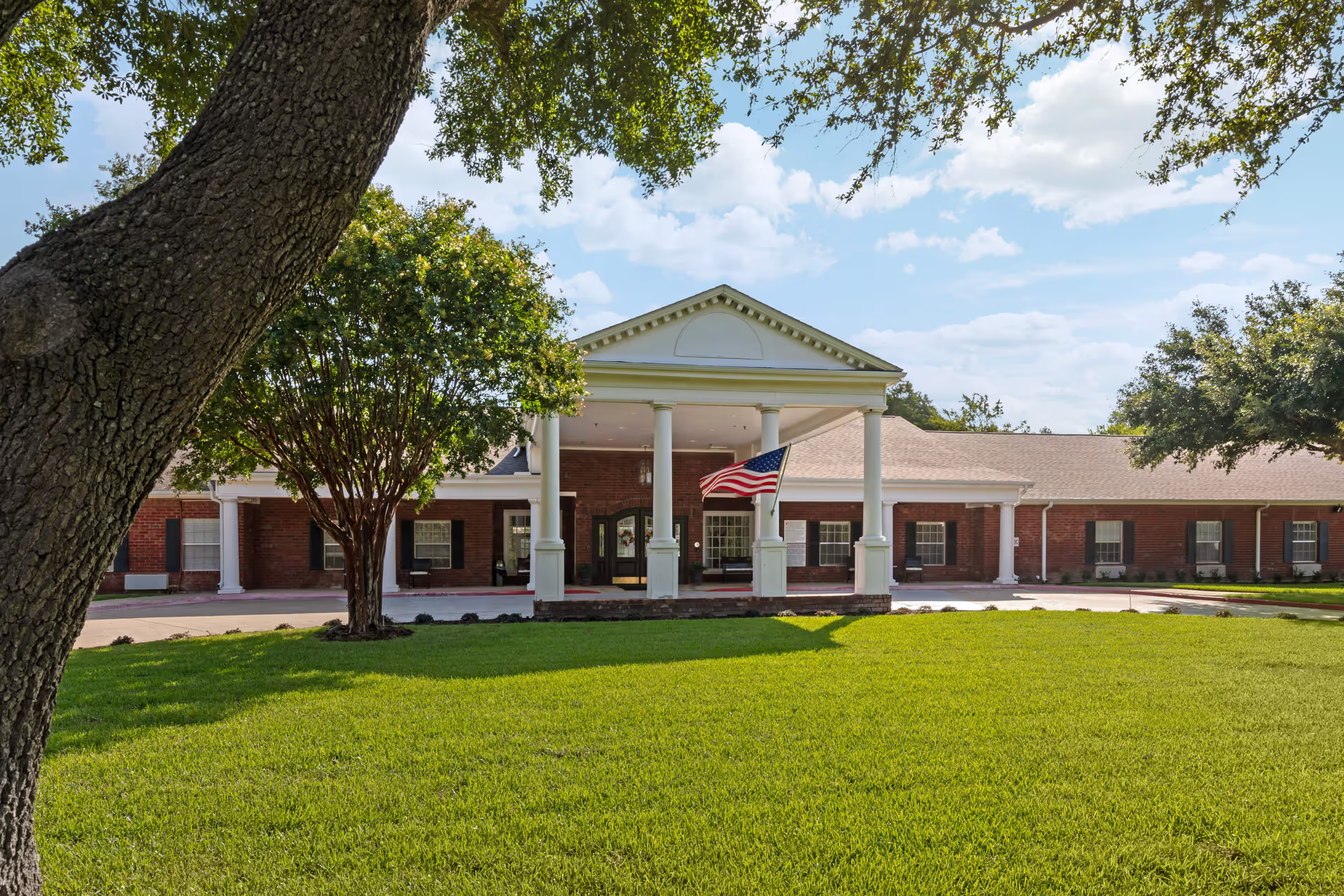
Physical-condition feedback is likewise mixed. Many describe a clean, bright facility with pleasant decor and well-kept outdoor spaces; some note older or sparsely furnished rooms, outdated flooring, and areas where maintenance appears to have declined. A small but notable number of reviewers raised pest-control and sanitation concerns in specific spots, which prospective families should address directly during a tour.
In summary, Town Hall Estates Arlington presents a profile of pronounced strengths in staff compassion, rehab services, housekeeping, and community amenities, balanced against operational inconsistencies in clinical oversight, meal delivery, administrative flexibility, and property/security controls. These mixed patterns suggest that individual experiences can vary substantially depending on unit, staffing, and specific clinical needs. Visitors and prospective families should prioritize direct conversations about clinical oversight, infection-control protocols, property security, and recent staffing patterns to assess how well the facility matches the resident’s needs.