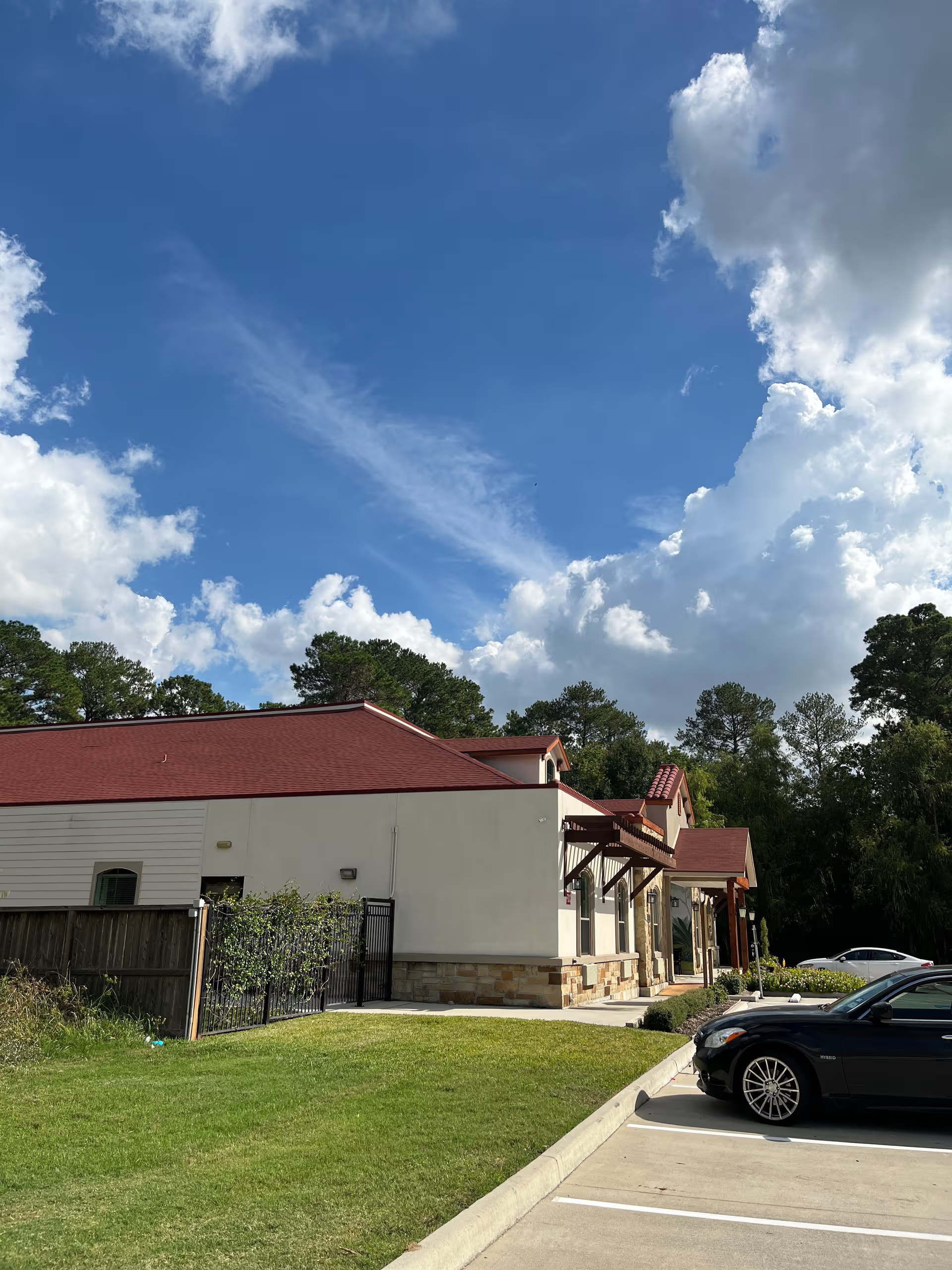
Cypress Creek Rehabilitation & Healthcare Center elicits strongly mixed impressions across reviews. Many accounts describe a modern, clean facility with an inviting, family-like atmosphere and strong rehabilitation services; others raise operational and clinical concerns that prospective residents and families should examine closely. Overall, the facility's physical plant, therapy programming, and activity offerings are clear strengths, while staffing consistency, clinical controls, and certain aspects of day-to-day care are recurring areas of concern.
Care quality appears to be uneven. Numerous families praise the therapy teams and report successful short-term rehab outcomes, citing attentive nurses and CNAs and effective PT/OT collaboration. At the same time, there are repeated references to medication errors or unexplained medication changes, missed or delayed medication administration, and clinical incidents that required hospital transfer. These descriptions indicate gaps in medication-management processes and care-continuity that merit direct inquiry during a tour or admission discussion.
Staff performance is a prominent and polarized theme. Many reviewers highlight compassionate, responsive caregivers, engaged nursing staff, and hands-on administrative leaders who resolve issues promptly. Conversely, others describe inconsistent staff availability, slow responses to calls (particularly overnight), and concerns about communication tone from certain employees. Staffing variability appears tied to service fluctuations; understaffing correlates in several accounts with delayed personal care, infrequent bathing/diapering schedules, and slower nursing attention.
Dining and activities are similarly mixed. The facility receives frequent praise for its activity programming, holiday events, and social engagement efforts, with staff-led initiatives and a lively calendar noted as strengths. Meal quality reports vary: some families commend appealing meals and improved menus, while others cite limited dietary accommodations (notably renal-friendly options), uneven food quality, and a preference for different evening selections.
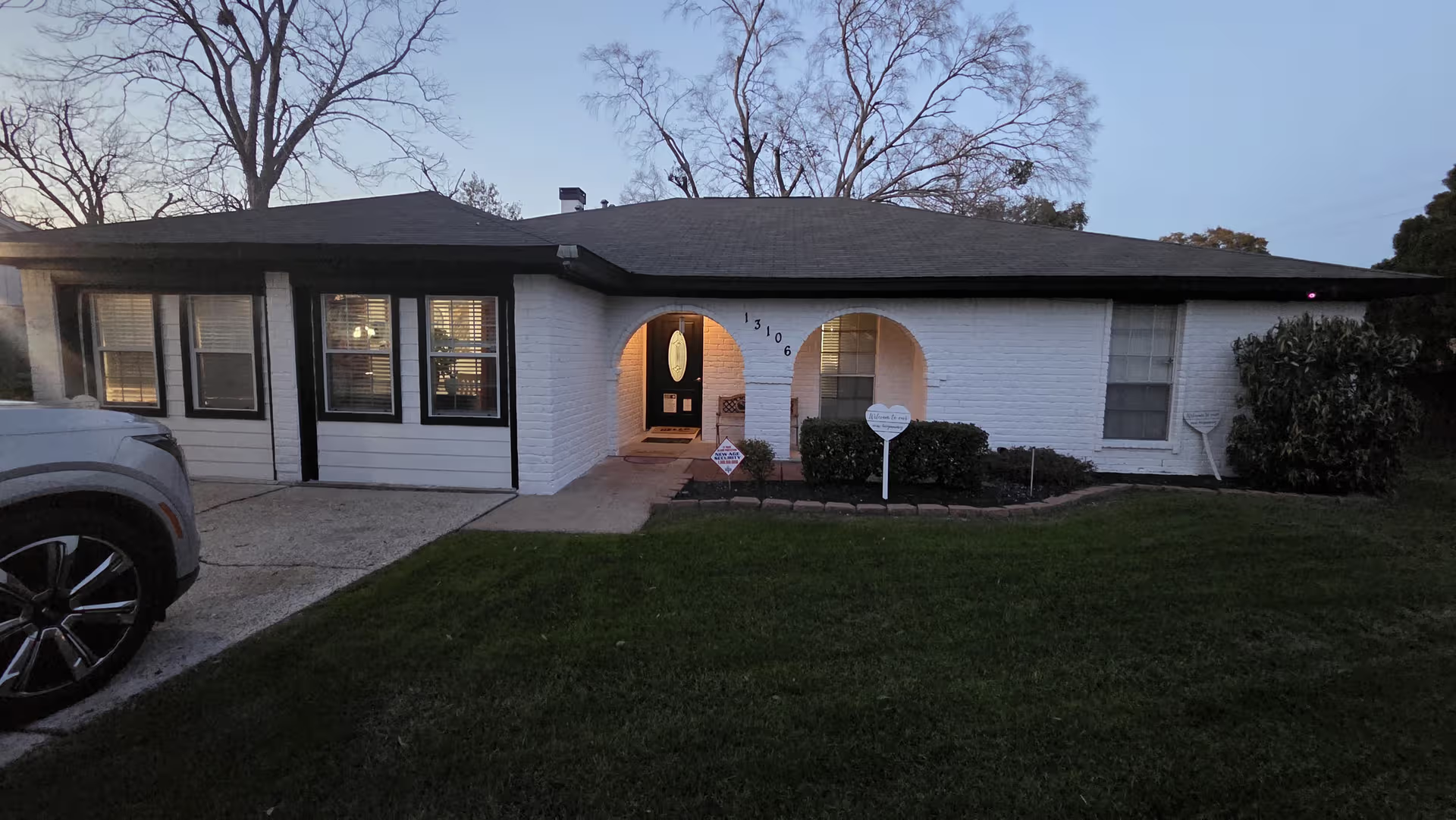
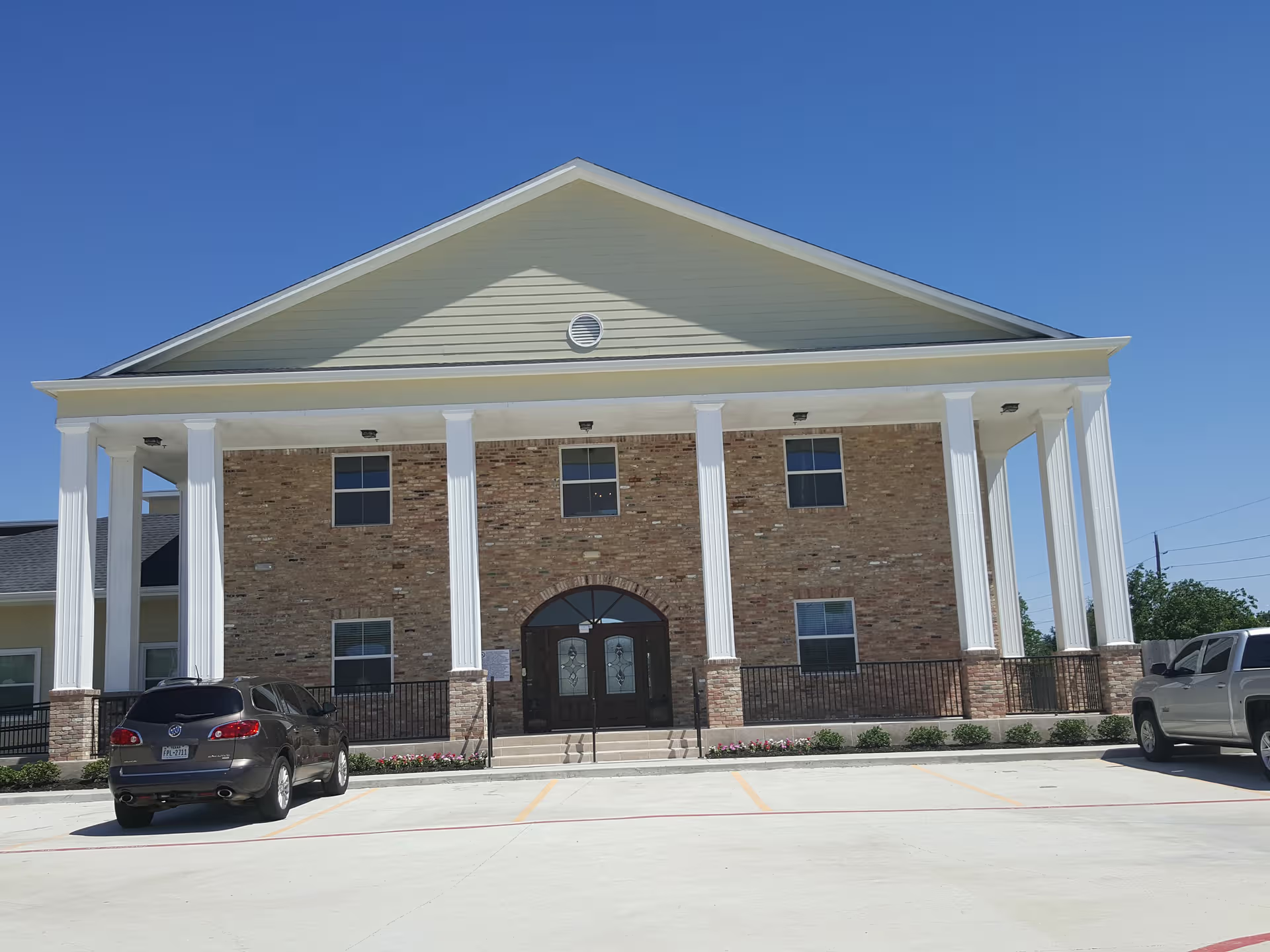
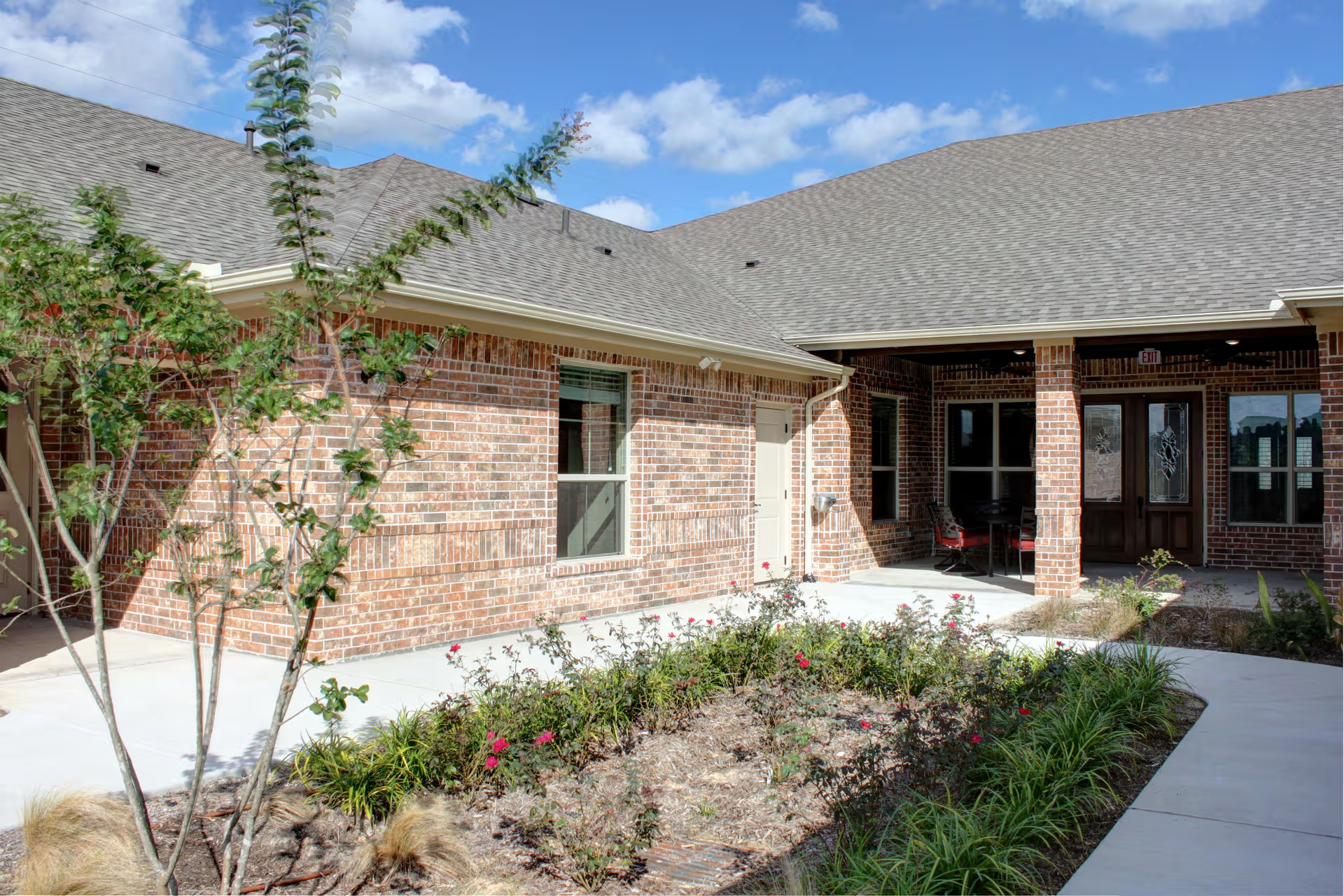
The facility environment and logistics present both positives and weaknesses. The building is repeatedly described as bright, new, and well-maintained, with good housekeeping and security procedures such as streamlined check-in. Nevertheless, sanitation and odor concerns in some areas, inconsistent housekeeping in particular units, and isolated reports of lost belongings or theft undermine confidence in property management controls. Transportation and discharge coordination have been flagged as unreliable in multiple accounts, and there are mentions of administrative disorganization or slow corporate responsiveness when families escalate concerns.
Notable patterns for prospective families: the site can provide excellent rehabilitation and compassionate bedside care when staffing and clinical controls are functioning well, but there is a discernible variability in operational reliability. Key topics to address when evaluating Cypress Creek include current staffing ratios (especially overnight), medication administration and documentation practices, fall-prevention protocols and response times to call lights, dietary accommodations for special needs, property/laundry controls, and the facility's processes for family communication and incident follow-up. Asking for recent quality metrics, care-plan examples, and references from recent discharges can help clarify whether the aspects important to you are consistently in place.