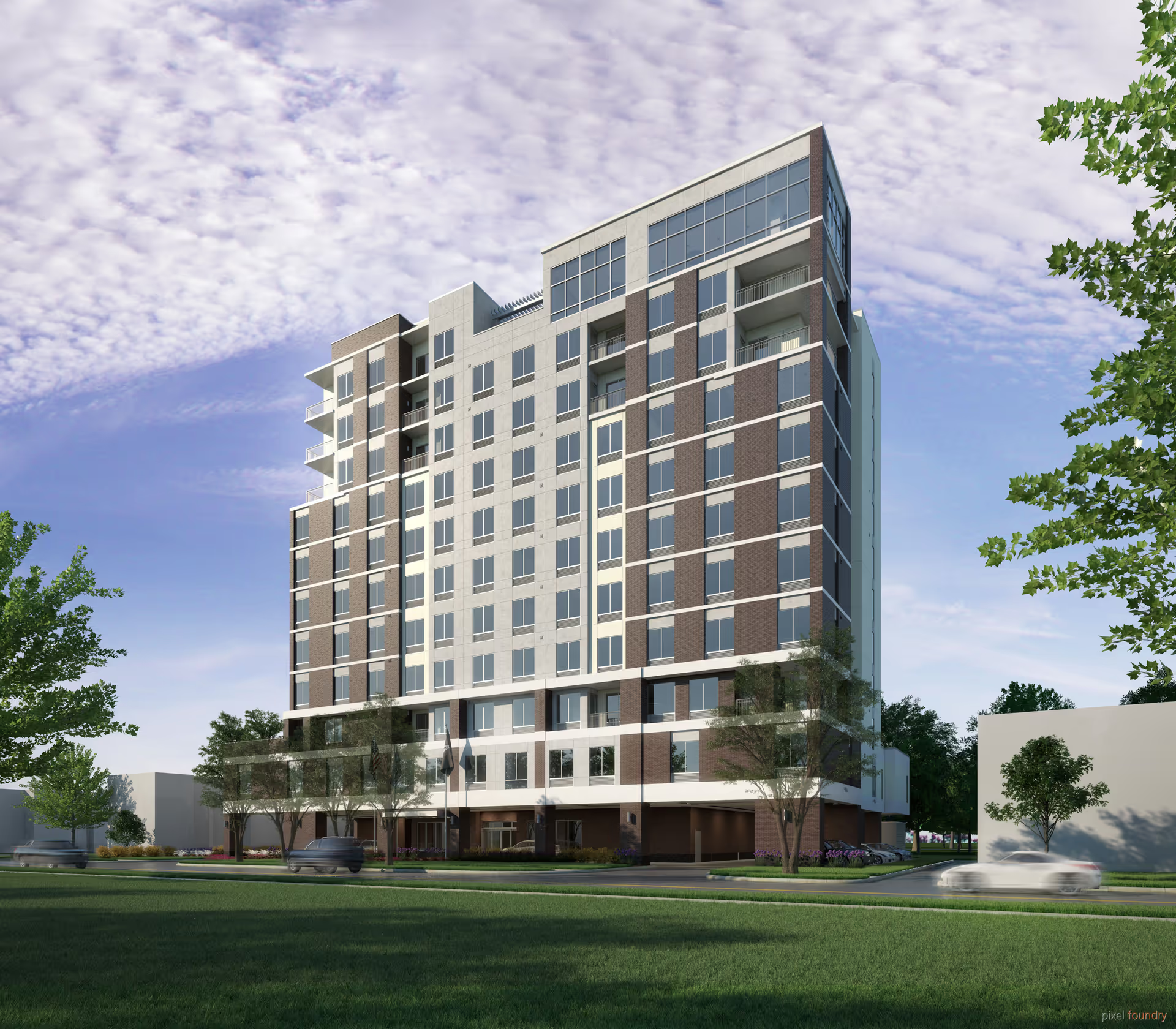
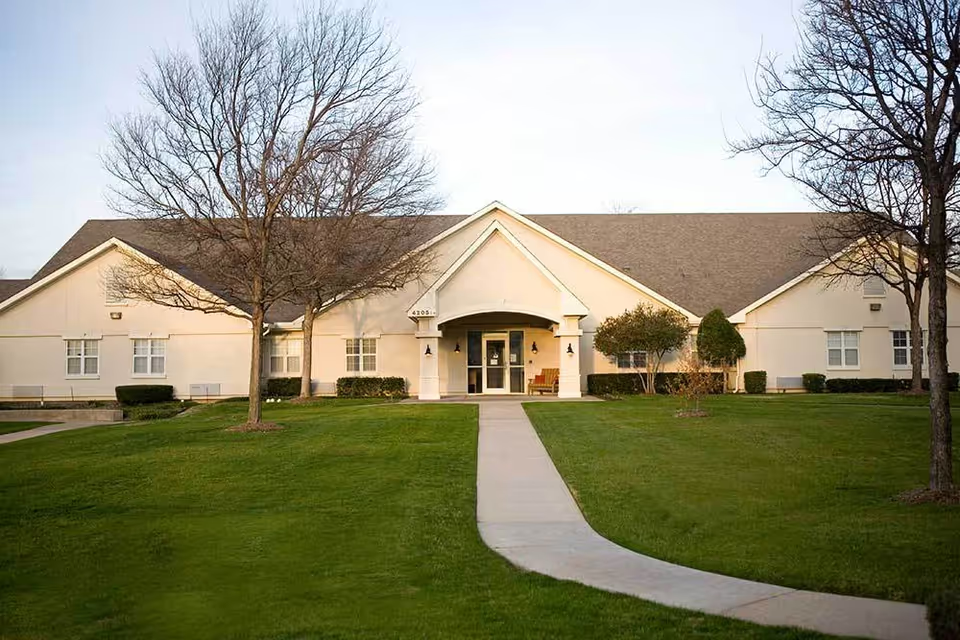
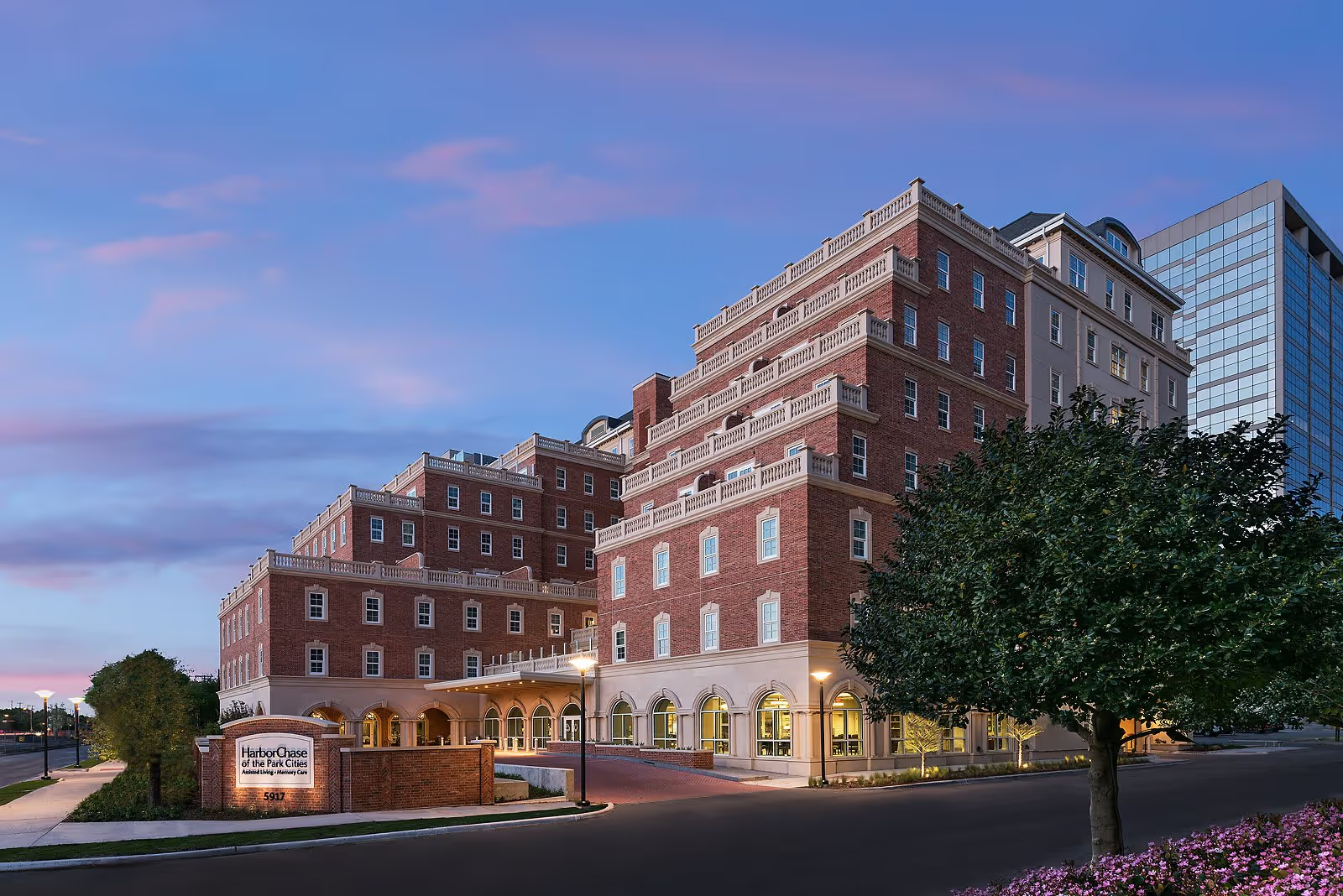
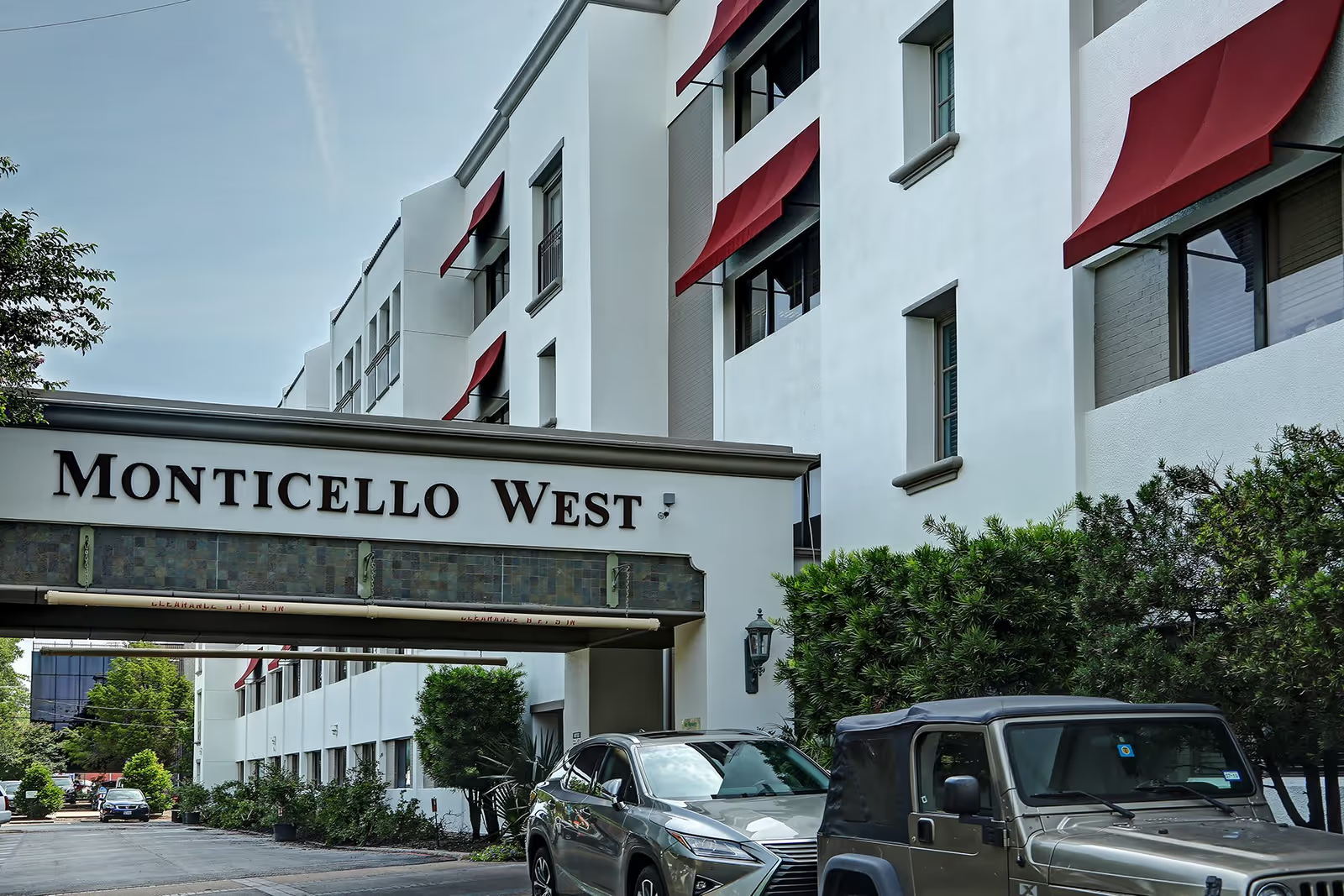
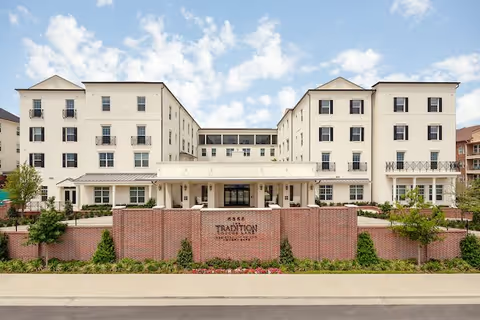
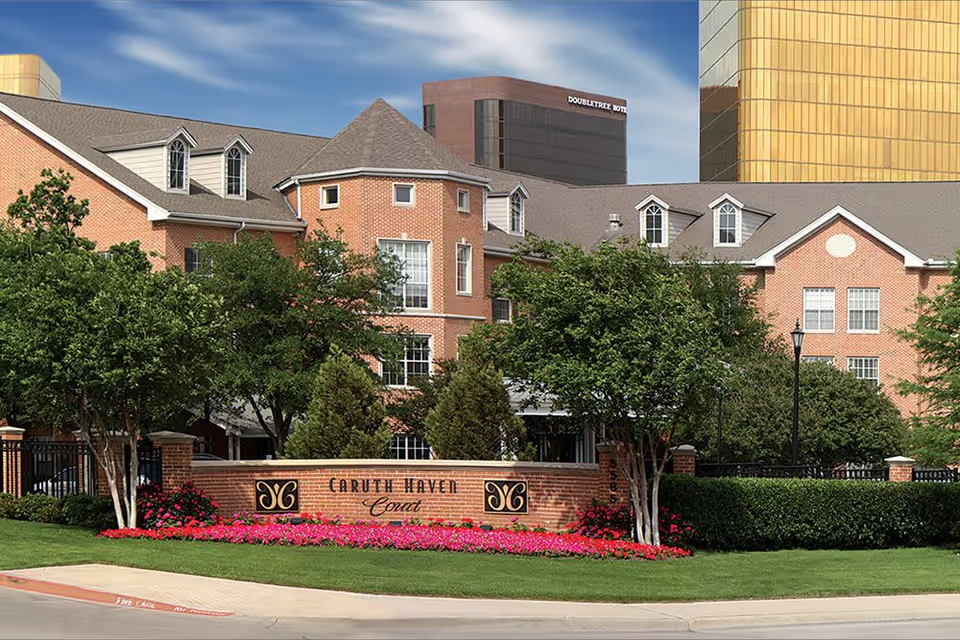
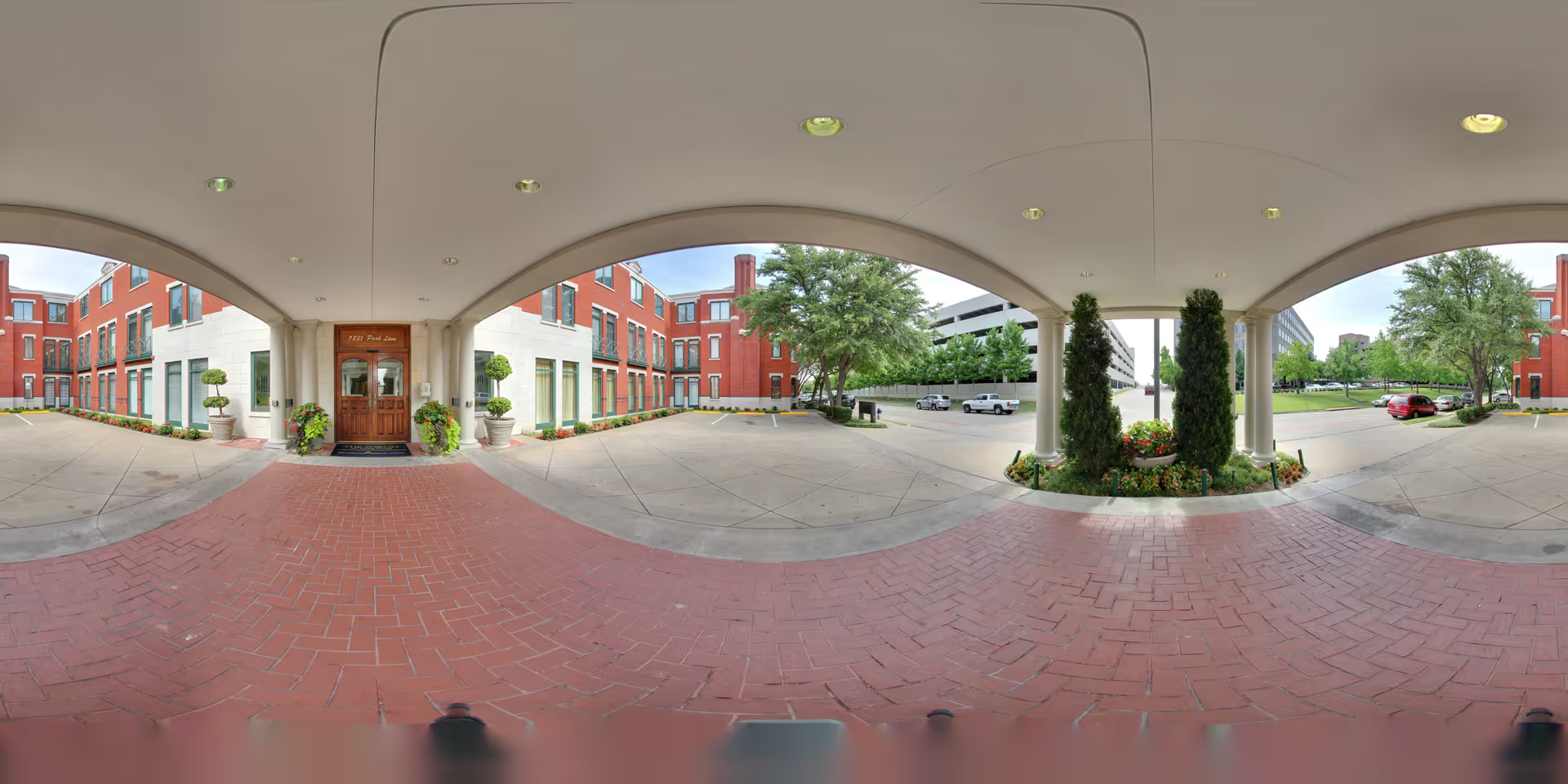
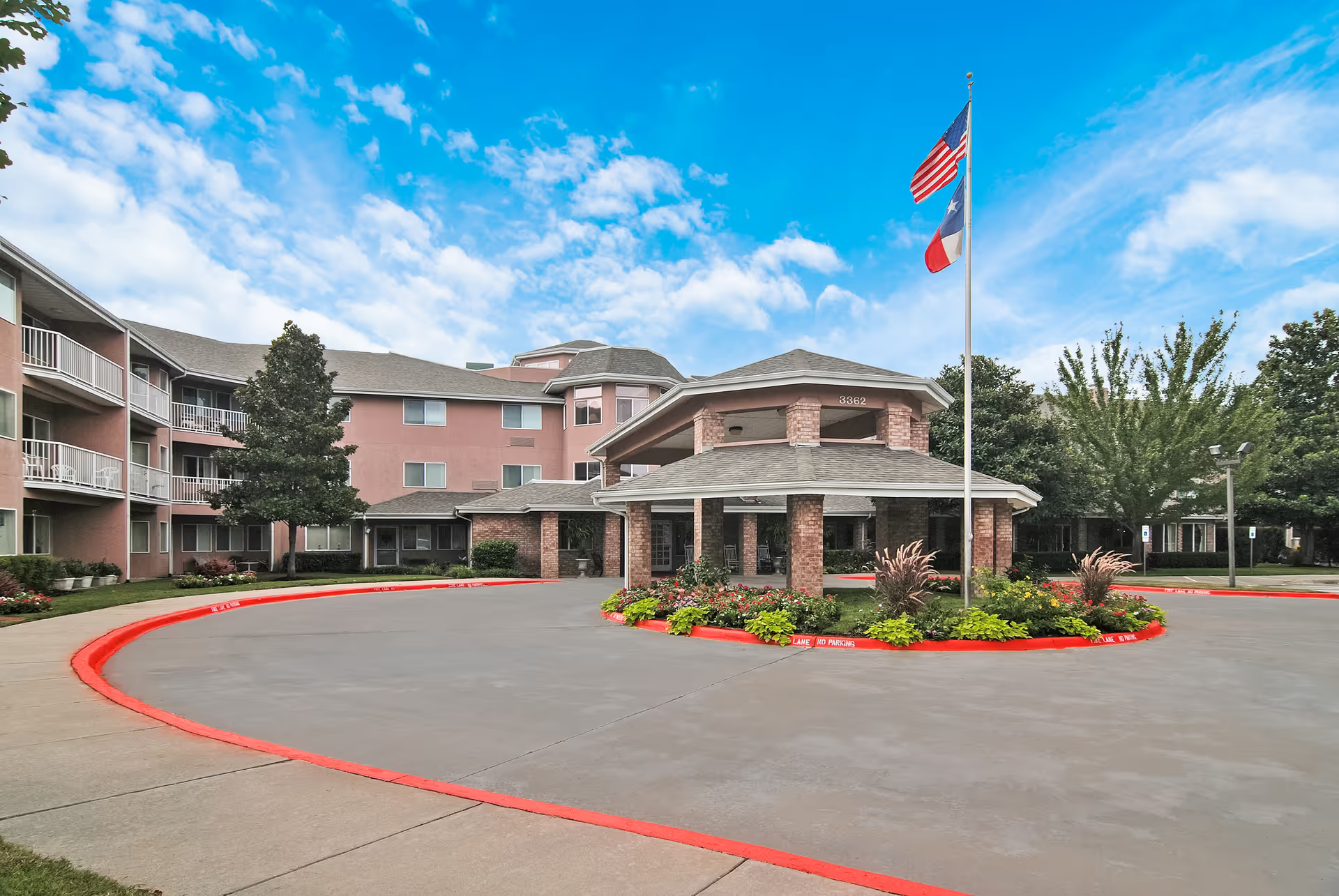
The reviews describe a facility with a mixture of clear strengths and notable operational weaknesses. Strengths repeatedly cited include an attractive exterior and welcoming lobby, a generally clean and home-like interior in common areas, and a number of staff members who are courteous, helpful, and skilled—particularly therapy personnel. Many families praised the meals as well-seasoned and palatable, and several accounts highlight staff who accommodate individual meal requests and encourage participation in activities. Where communication is timely and coordinated at the room level, families report feeling well informed about hospital transfers and clinical actions.
Care quality perceptions are mixed. Therapy services and certain nursing staff are frequently commended for clinical competence and bedside manner. However, concerns about staffing consistency and responsiveness are recurrent. Reviewers describe slow responses to call lights, occasional delays in bathing or incontinence-related care, and perceived buck-passing among staff. High turnover and weekend or off-shift slowdowns are cited as contributors to uneven continuity of care and variable resident experiences.
Dining and activities present a similarly mixed picture. Many residents appear to enjoy the food, while others find options limited or bland and note inadequate accommodations for denture wearers or special diets. Activity programming exists and can be engaging—bingo and group events are mentioned—but is characterized by limited variety and frequency, which may not meet every resident's social needs.
Facility infrastructure and housekeeping show contrast between public areas and operational gaps. The exterior and lobby are strengths, yet parts of the facility are described as outdated or compact, and sanitation concerns are raised for bathrooms and some hallways. Reviewers also reported intermittent issues with hot water, phone/internet availability, and housekeeping frequency. Availability of assistive bathing equipment (for example shower chairs) and consistent safety practices during transfers are noted as uneven, creating potential risks for mobility-impaired residents.
Management and administration are a recurring source of dissatisfaction for some families. Common themes include limited administrative communication, closed office accessibility, on-call phone gaps, and a perception that documentation or regulatory preparedness is prioritized over day-to-day resident experience. A few accounts reference regulatory inspection activity. Conversely, other reports indicate improvements after families raised concerns, suggesting the facility may respond to escalation in at least some situations.
Overall pattern: experiences vary across residents, shifts, and units. Prospective residents and families should weigh the facility's strong therapy program, pleasant public spaces, and generally favorable meal experiences against operational weaknesses such as inconsistent staffing, responsiveness, sanitation practices, and certain infrastructure limitations. If considering this facility, families may wish to clarify staffing ratios and weekend coverage, ask about assistive equipment policies, review how special-diet and denture needs are handled, and establish preferred communication pathways with administration to monitor responsiveness and care continuity.