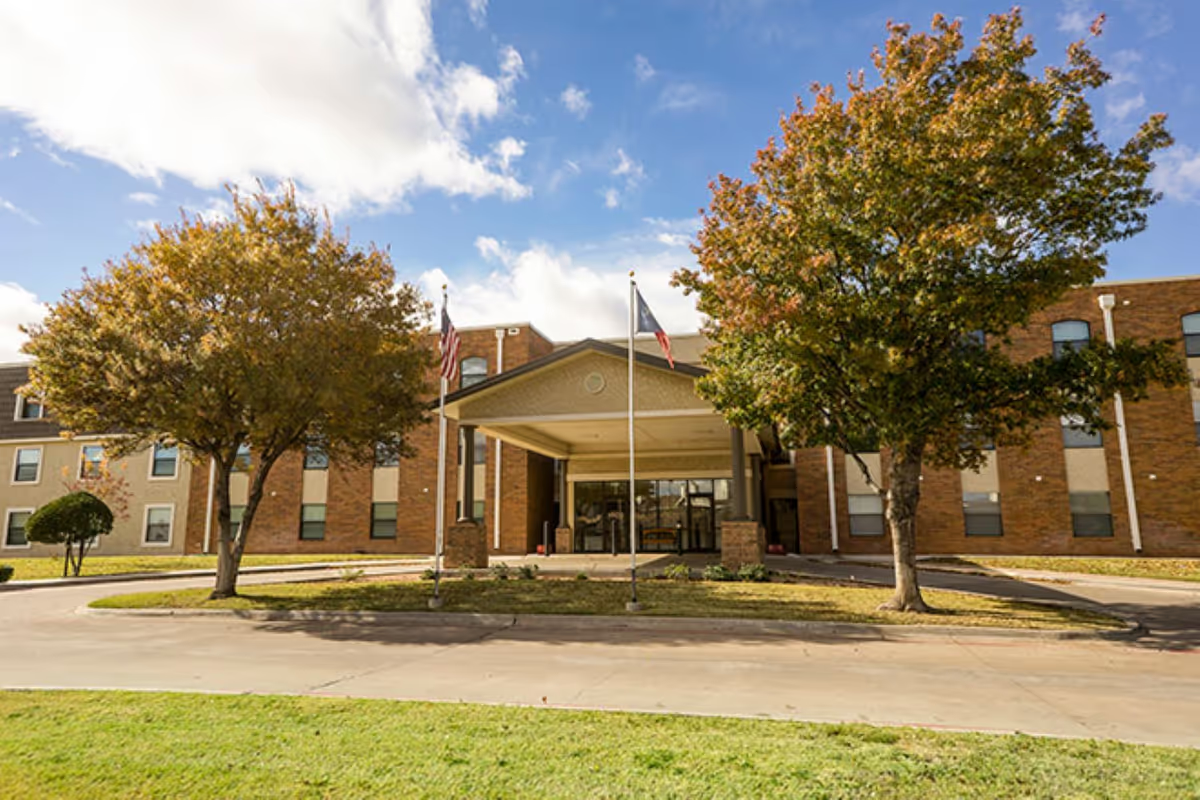
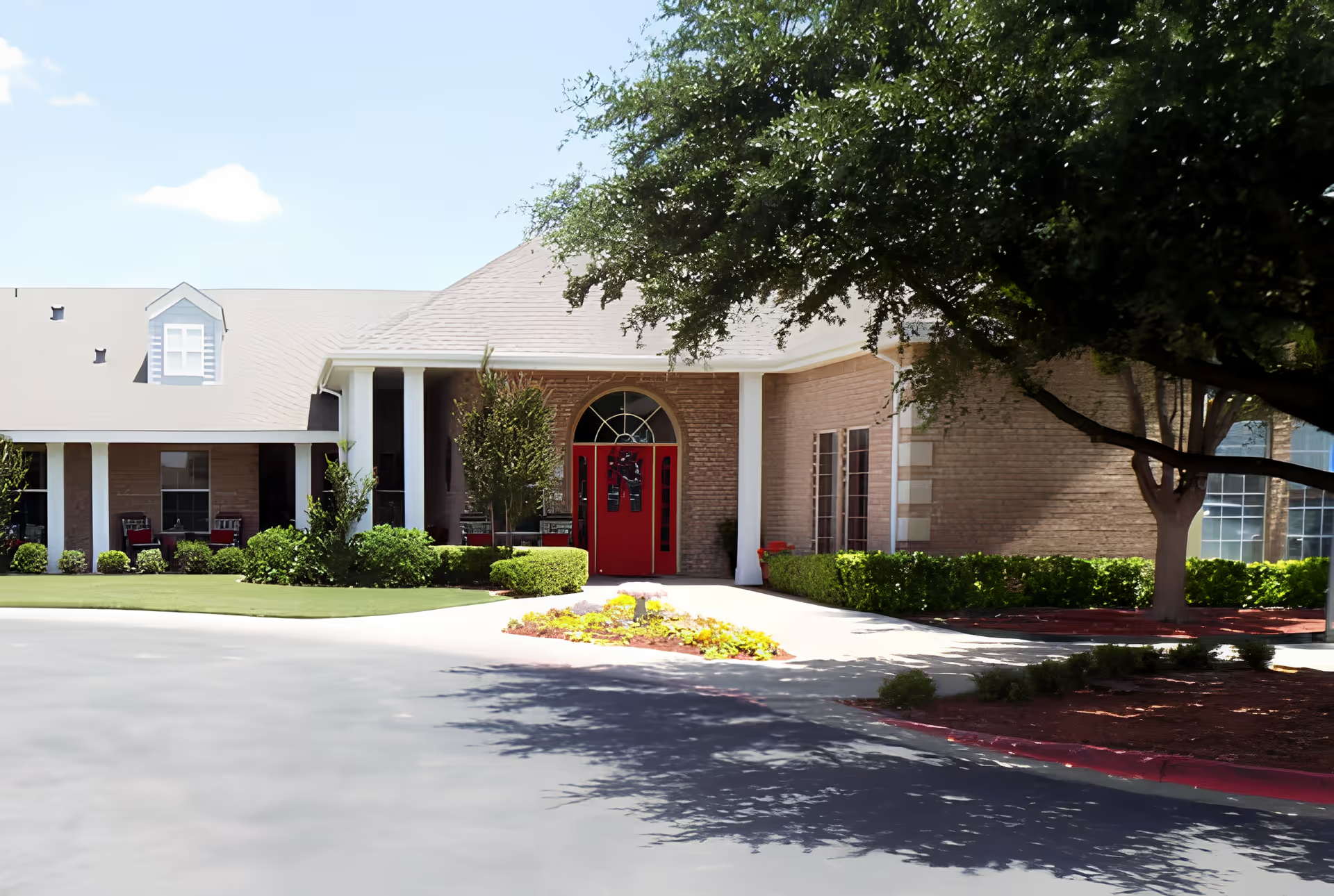
The Garrison Geriatric Education and Care Center elicits a mixed set of impressions. Many reviewers highlight clinical strengths: a well-regarded rehabilitation program, strong physical and occupational therapy services, knowledgeable nursing input in many cases, and coordinated discharge planning including hospice support. Administrative capabilities around benefits and placement — notably a dedicated Medicaid liaison and staff who assist with paperwork — are a consistent positive. Several families described warm, compassionate interactions with front-line caregivers and cited a welcoming, well-lit building with private and semi-private room options separated by solid partitions rather than curtains.
Despite these positives, a number of operational concerns recur across feedback. Cleanliness and sanitation appear inconsistent between units and over time, and some reviewers described delays in responding to resident calls and assistance requests. Related clinical risks are implied through comments about wound-care and skin-integrity issues, and reviewers pointed to instances where attention during transfers or toileting was inadequate. Staffing levels and shift coverage were frequently mentioned as contributing to variability in care and responsiveness.
Management and administrative performance is similarly mixed. Several reviewers praised responsive administrators, case workers, and specific leaders (including the Director of Nursing), and noted effective discharge planning and Medicaid assistance. Conversely, others identified problems with billing accuracy, double-charging, front-desk communication, and delays in supplying promised durable medical equipment (wheelchairs, shower chairs, hospital beds). There were remarks about uneven staff professionalism and a need for improved training and oversight to ensure consistent standards.
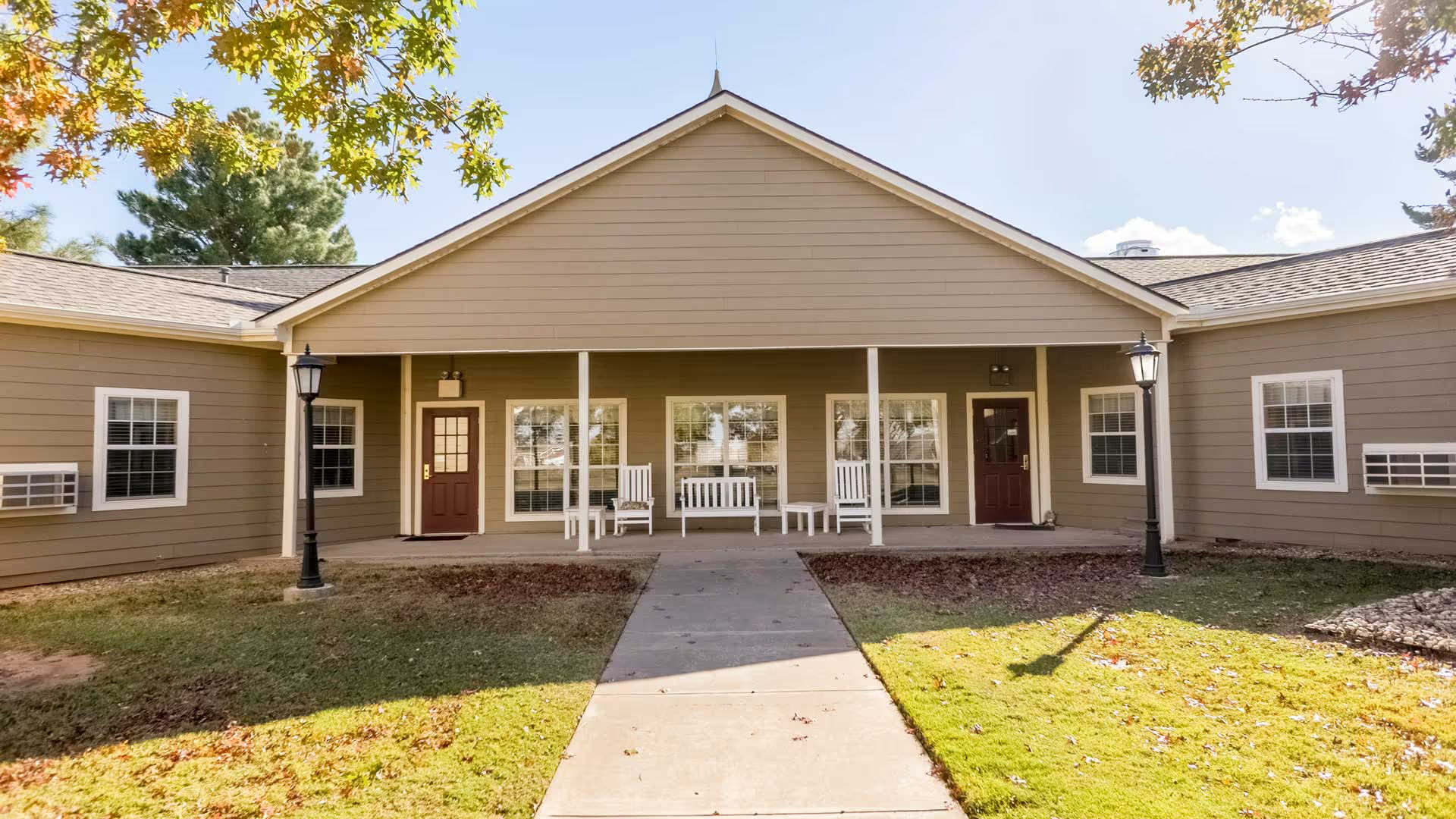
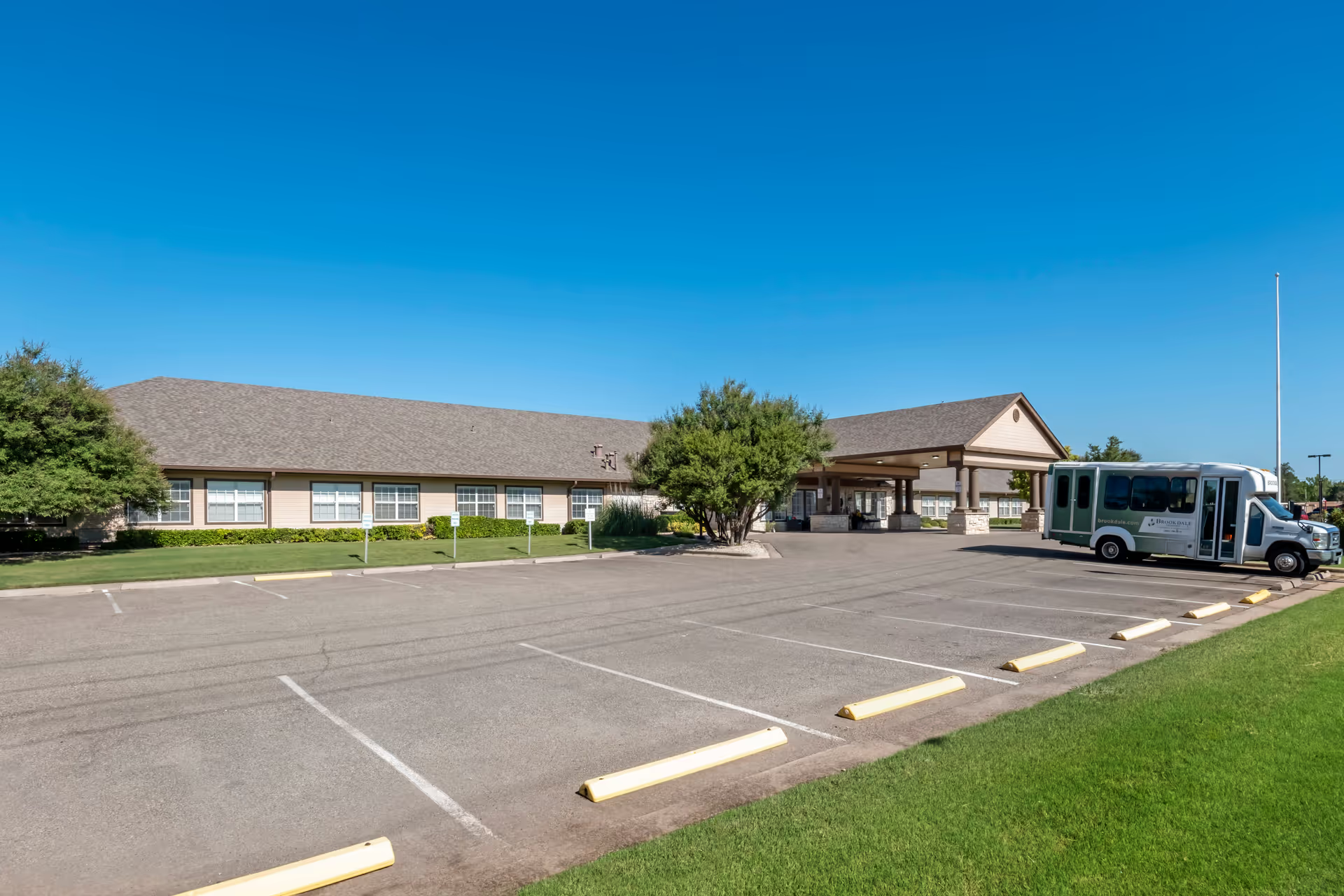
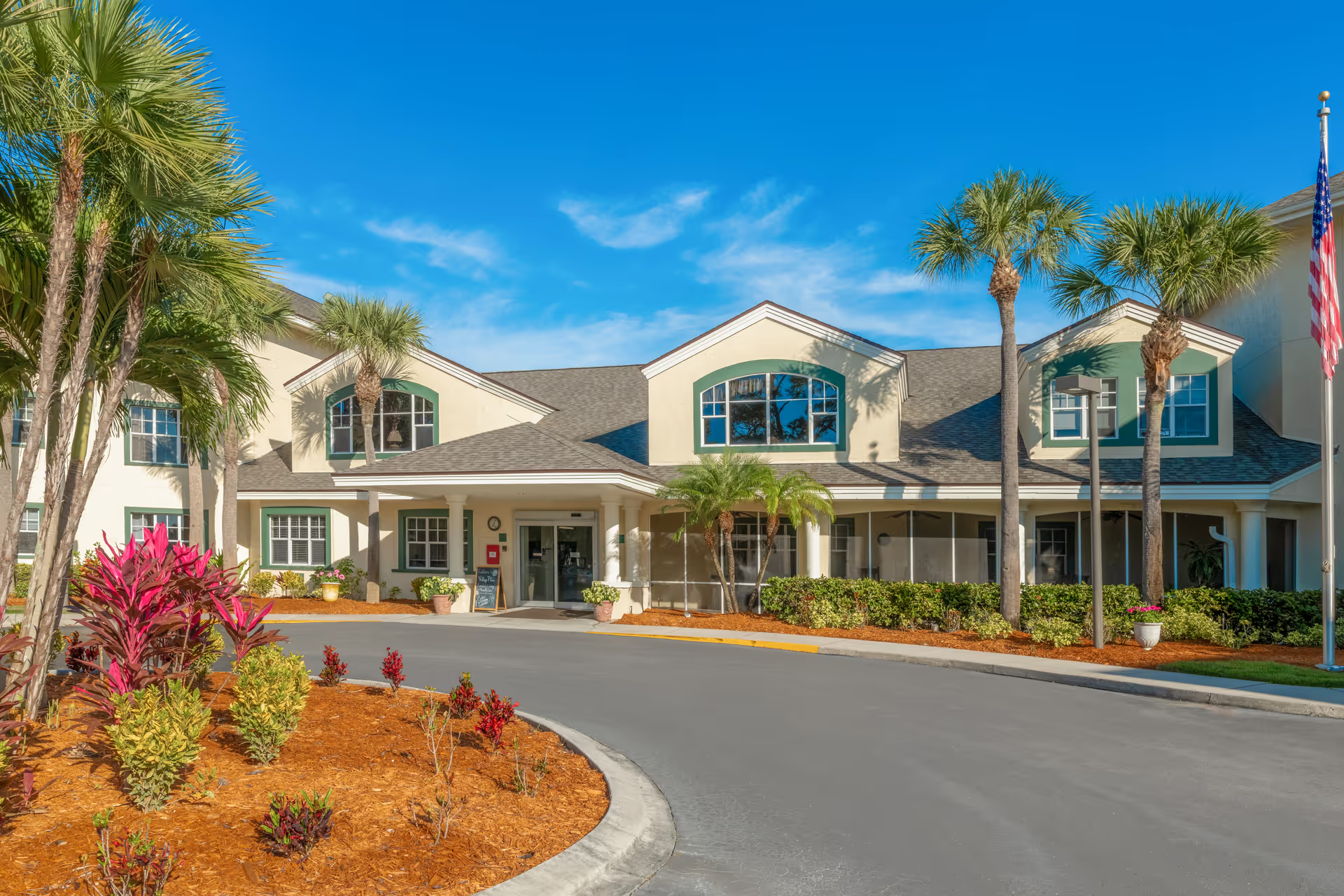
Day-to-day living elements also drew varied feedback. The activities program, salon services, and secure entry were commonly appreciated and seen as contributing to resident engagement and safety. Dining impressions were split: some residents enjoyed the meals, while others found the food quality inconsistent. Room environments were generally described as comfortable and bright, though some reviewers felt parts of the building could benefit from updating.
In summary, the facility shows clear strengths for short-term rehabilitation and therapy-centered stays, with helpful administrative support for benefits and discharge planning. Prospective residents and families should weigh those strengths against noted operational weaknesses — particularly inconsistent cleanliness, staffing variability, wound-care oversight, and administrative/billing reliability. For families considering placement, recommended due diligence includes asking about current staffing ratios, wound-care protocols, how discharge equipment is provided, recent cleanliness audits, and how billing and communication issues are handled.