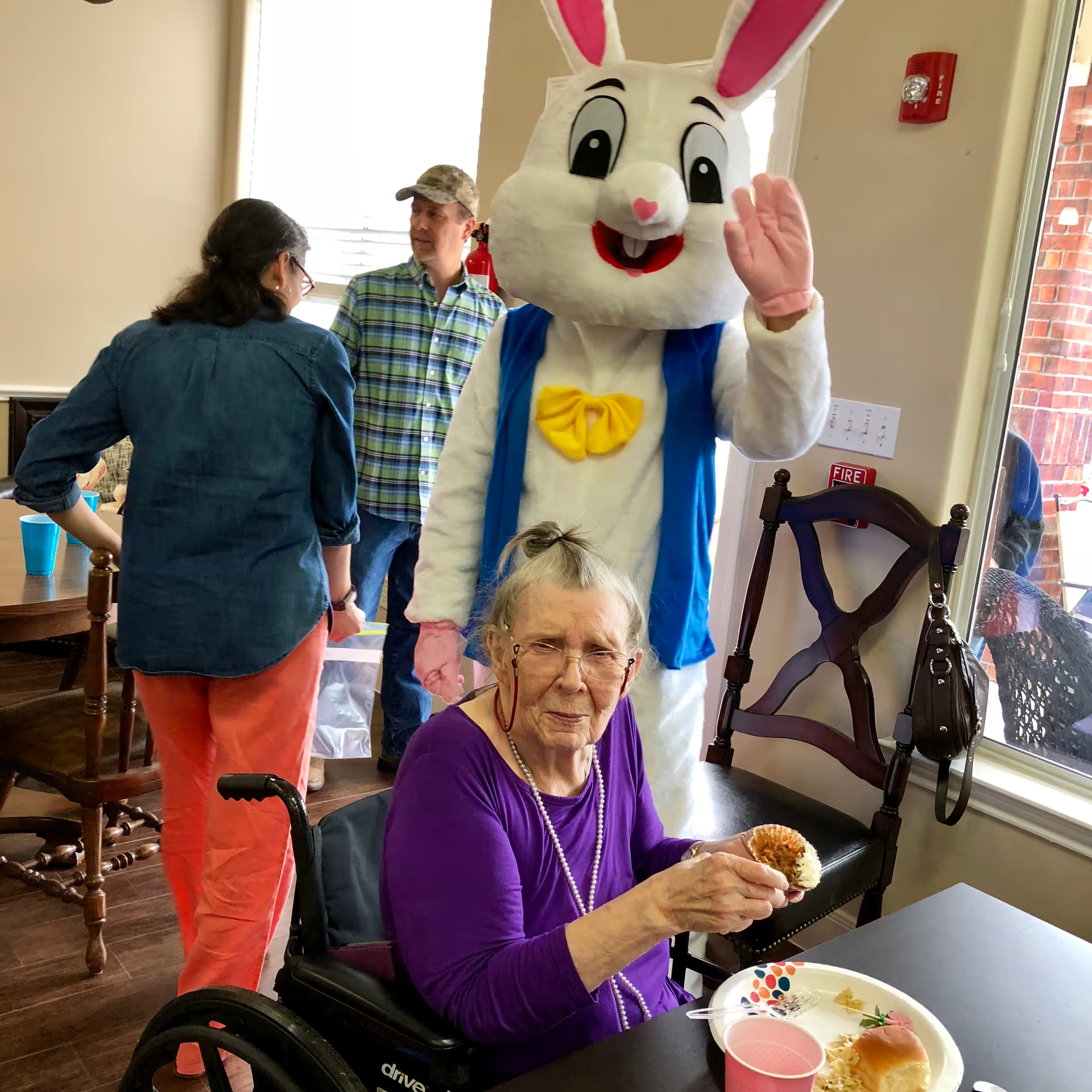
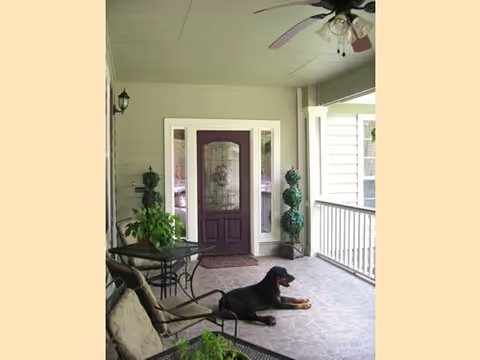
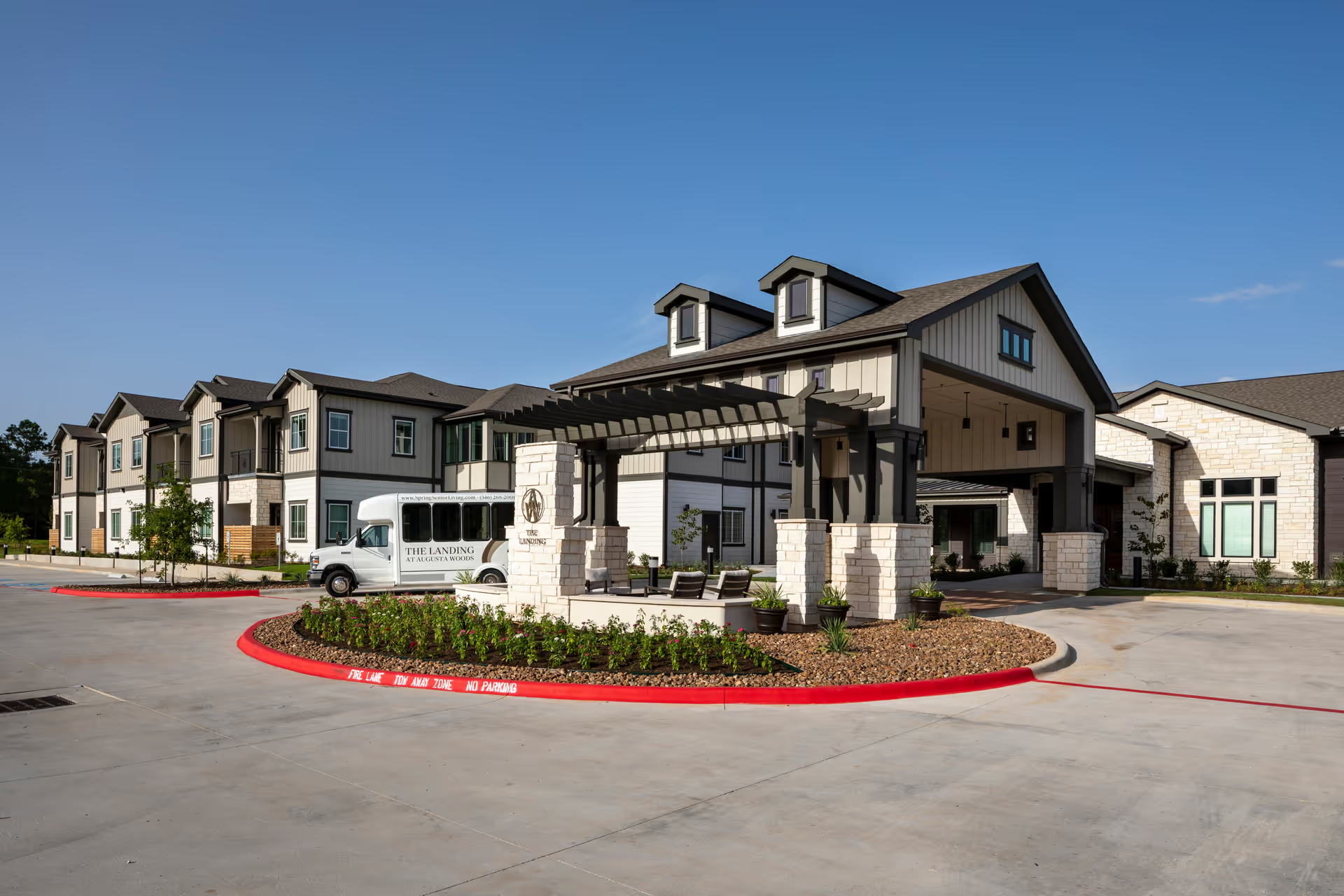
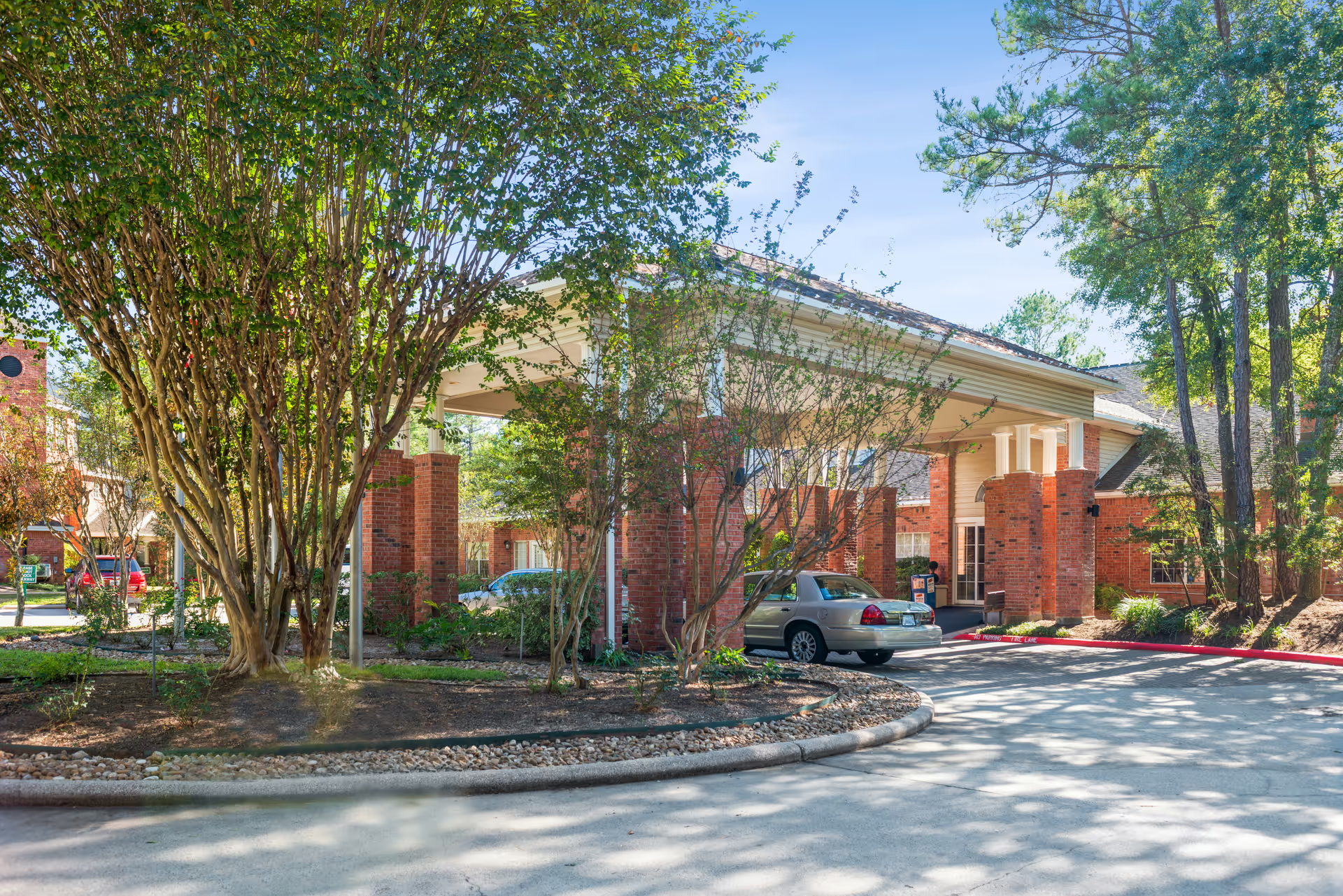
Overall impression The Heights of Magnolia is frequently described as a clean, attractive, recently built facility with spacious rooms and well-appointed common areas. Many accounts highlight an inviting, home-like atmosphere and strong elements of hospitality, including a helpful reception team, accessible amenities, and a generator for power outages. Families and residents often praise the rehabilitation program, therapy staff, and case-management/social-work support, and several comments describe seamless admissions or transitions into the community.
Care and staff Staff behavior is a clear strength in many narratives: reviewers often use terms such as compassionate, attentive, and professional. Nurses, therapists, social workers, and some named staff members receive specific praise for clinical competence and family support during difficult care episodes. At the same time, a recurring pattern involves operational gaps that affect care consistency. Reviewers describe delayed or missed medication administration, slow responses to call-buttons, and occasional lapses in timely assistance. These items suggest systemic workforce and workflow pressures rather than isolated interpersonal issues. In a few instances reviewers raised serious concerns about medication management and conduct; these appear less frequent but are significant when reported and warrant further inquiry.
Dining and activities Meal service receives generally positive comments about taste and homestyle preparation, with several reviewers calling out fresh, appealing meals and friendly dining spaces. However, there are consistent notes about inconsistent adherence to individualized dietary requirements, occasional slow kitchen service, and requests for more beverage options and condiments. Activity programming is less explicitly detailed in the summaries provided; when mentioned, communal and social spaces (including a chapel and inviting dining room) are viewed positively and supportive of social engagement.
Facilities and housekeeping The physical plant is widely regarded as a strength: reviewers describe a beautiful, new, and well-kept building with attractive interiors, good equipment, and quiet environments conducive to recovery. Nevertheless, a subset of comments identify intermittent housekeeping and supply-availability issues, and occasional sanitation concerns in specific areas. These characterizations suggest generally high facility standards with episodic lapses in environmental services or supplies.
Management and communication Communication and administrative responsiveness emerge as mixed. Multiple reviewers praise helpful administrators and specific staff who are responsive and informative. Conversely, a distinct set of accounts describes poor communication, slow administrative follow-up, and frustration when raising care concerns. Staffing levels and scheduling appear connected to several operational problems, and management responsiveness to those workforce challenges is a recurring theme. Given the mix of positive leadership experiences and communication gaps, prospective families may benefit from direct conversations with management about staffing ratios, medication protocols, and escalation pathways.
Notable patterns and guidance for families The overall picture is of a high-quality physical environment with many compassionate caregivers and strong therapy/rehab supports, tempered by operational weaknesses tied to staffing, medication timing, call-response times, dietary adherence, and episodic housekeeping issues. Prospective residents and families who value facility quality and therapy services should weigh those strengths against the potential for variable day-to-day responsiveness. Recommended due diligence includes asking the facility about current staffing ratios, medication-administration safeguards, call-button response metrics, dietary accommodation procedures, and how management addresses family concerns and adverse events.