Ranch Lake Assisted Living is presented consistently as a small, family‑run facility that emphasizes dignified, compassionate, and personalized care. Reviewers describe a home‑like environment with hands‑on owners who have clinical backgrounds; this management style appears to produce steady staffing, attentive caregivers, and a culture where staff routinely go beyond baseline expectations. Families commonly cite trust in the team, positive end‑of‑life and hospice coordination, and effective communication with hospitals and other medical providers.
Staff quality and management are the facility’s strongest themes. Caregivers are characterized as patient, loving, and responsive, and reviewers highlight staff consistency as a notable strength compared with larger or corporate facilities. Ownership is described as proactive and accessible; reviewers reference specific examples of prompt medical intervention, coordination of care during recovery, and clear COVID‑period communication. These elements contribute to families’ reported peace of mind and confidence in daily and clinical care.
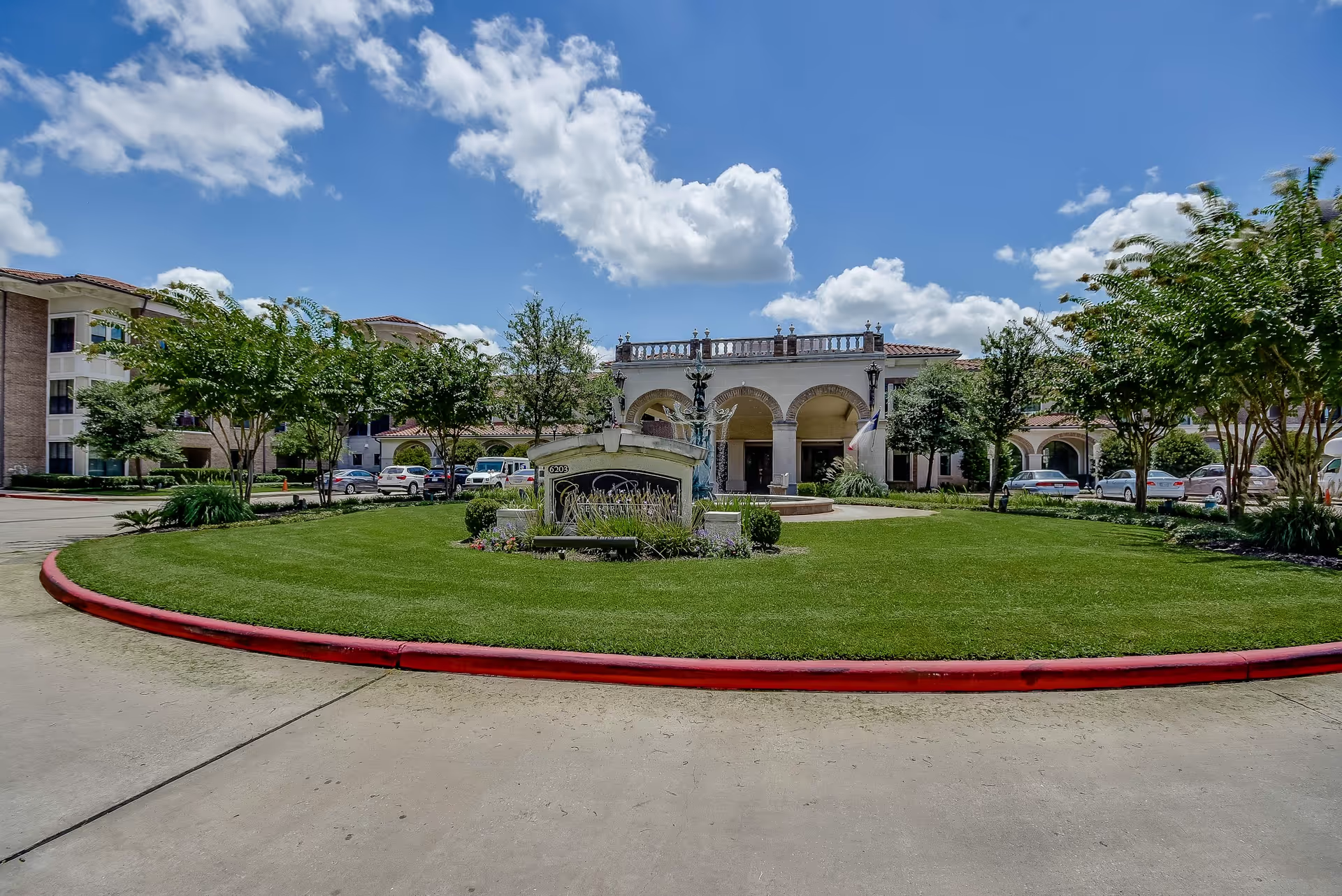
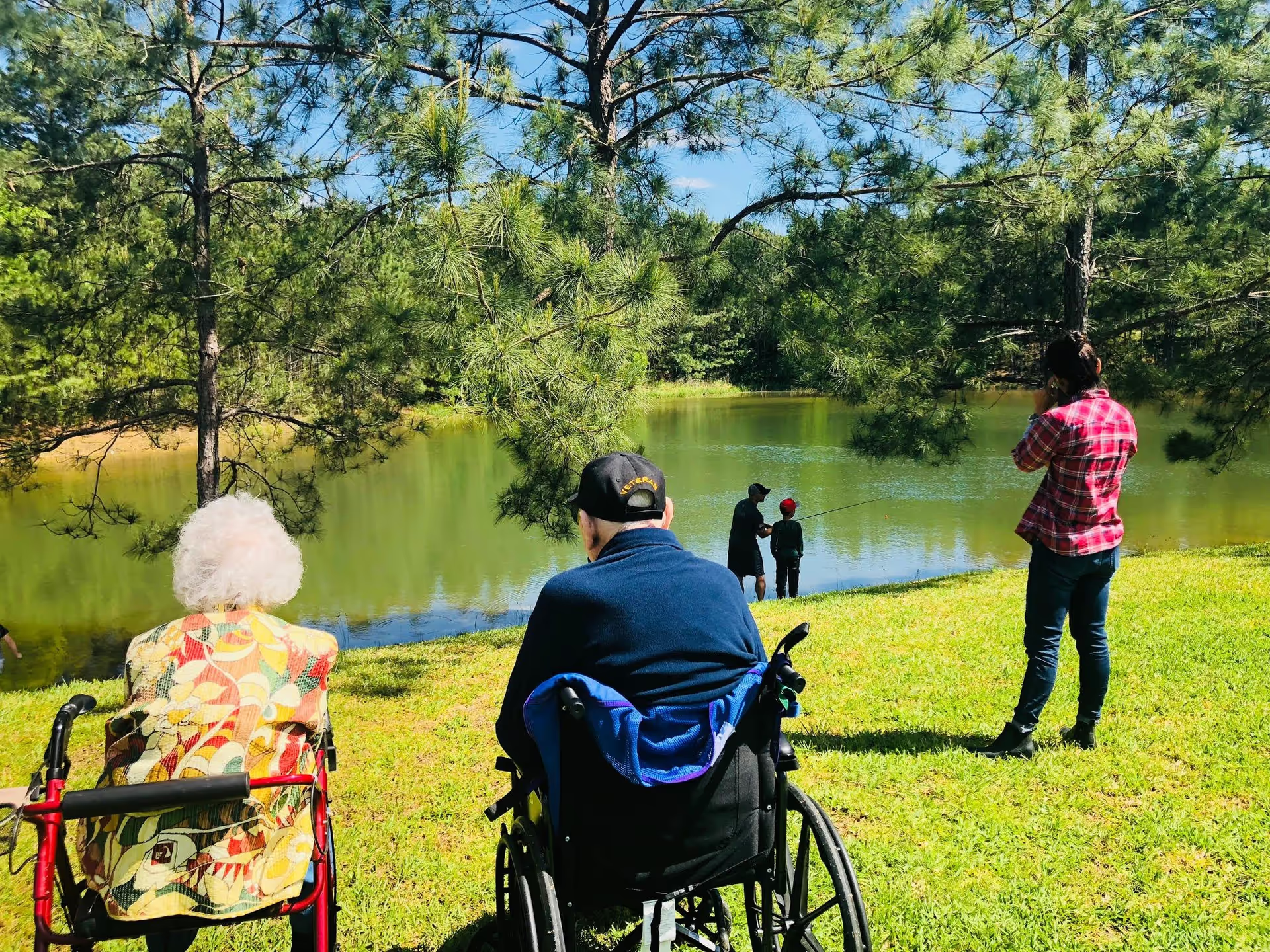
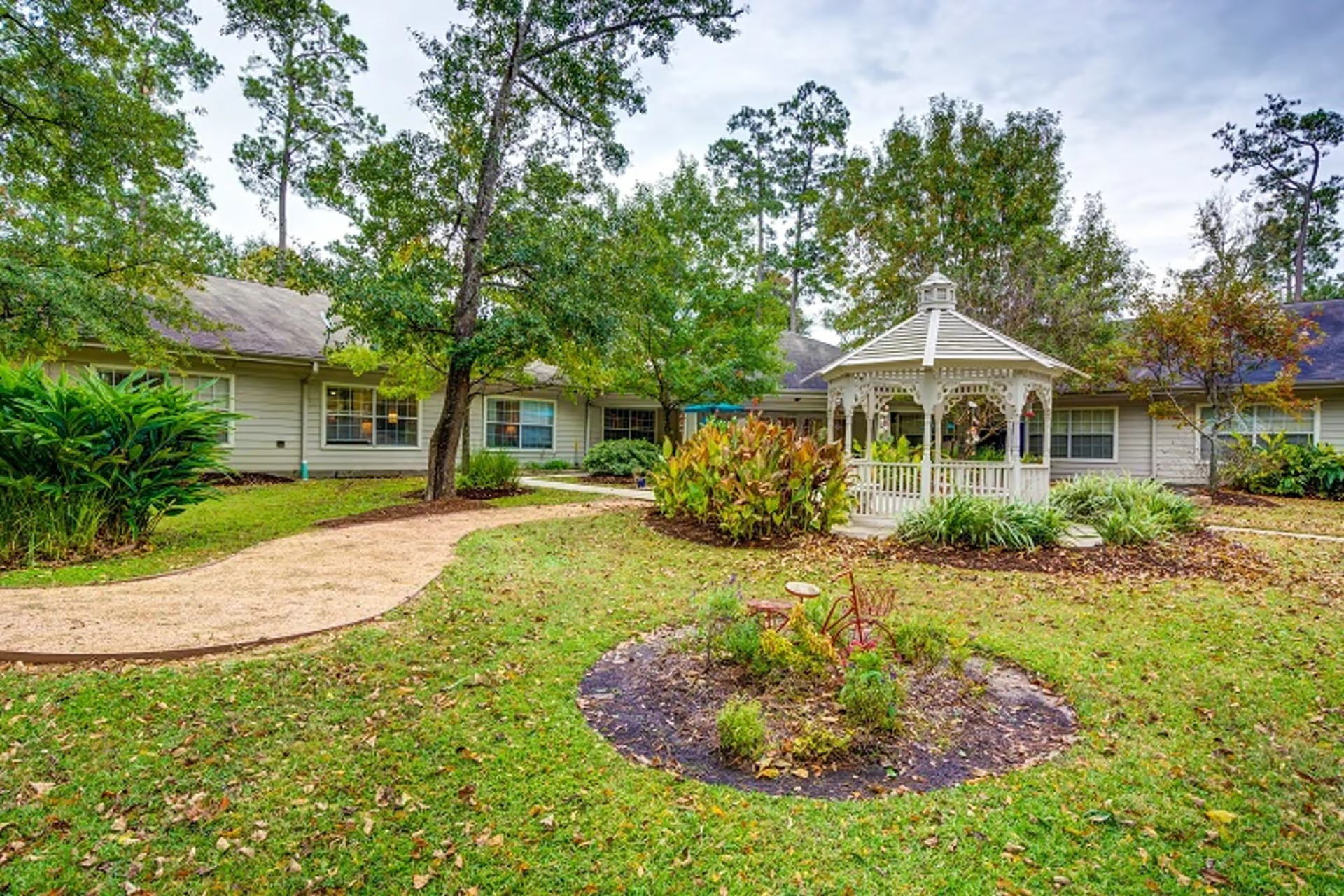
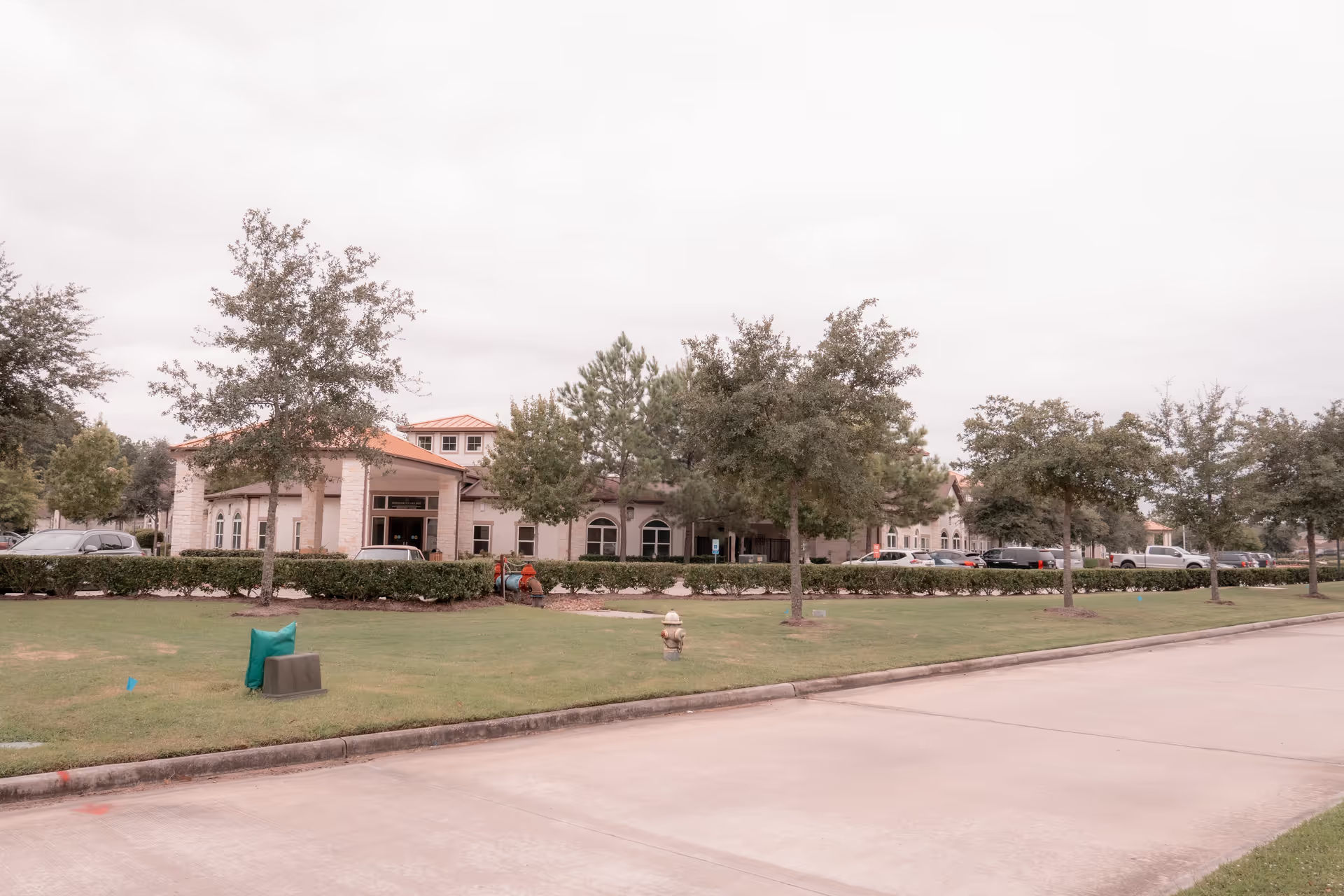
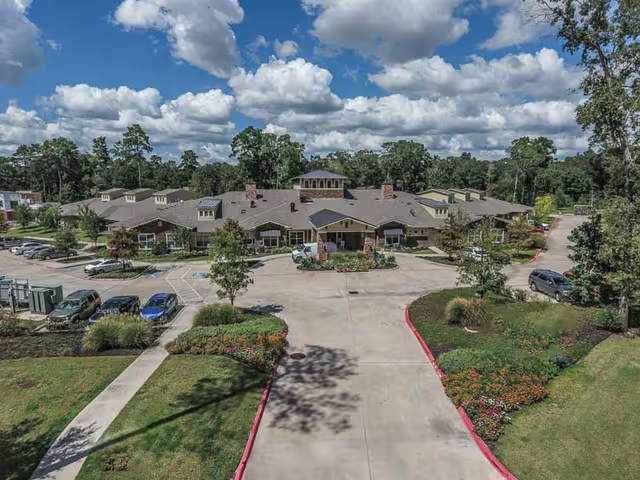
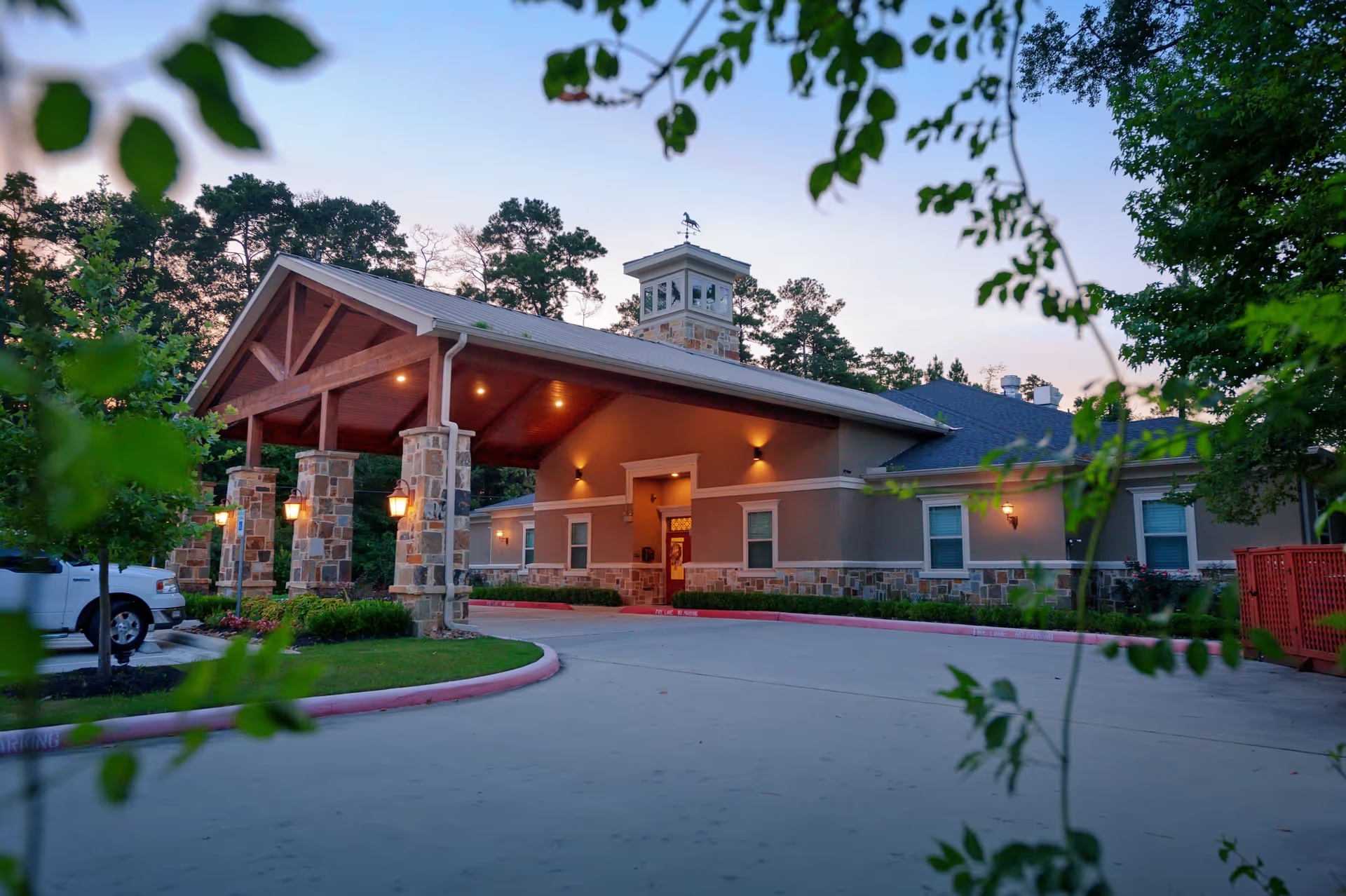
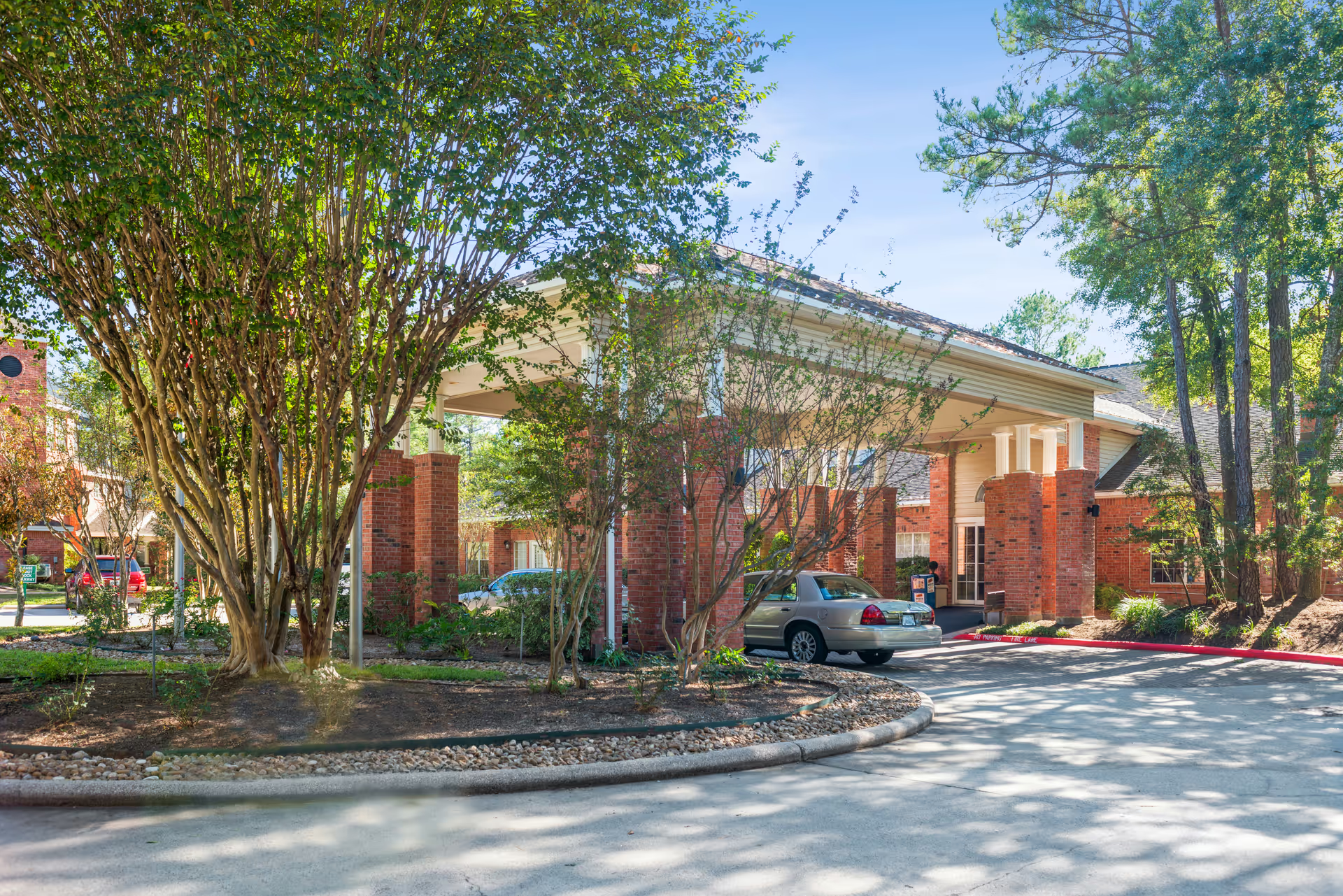
Dining, housekeeping, and the physical environment receive frequent praise. Meals are described as home‑cooked, balanced, and adaptable to resident preferences, with occasional outdoor grilling and family‑style service. Housekeeping and sanitation are regularly commended, and rooms — including large handicapped‑accessible units — are described as clean and well‑kept. The property’s rural, wooded setting, patios, and open lawn space are repeatedly noted as positive features for visits, outdoor time, and a quiet atmosphere.
Programming and scale are where tradeoffs appear. Activity offerings are characterized as modest: music, light physical activity, and social time are available, but craft and enrichment options are limited. The facility’s small size supports individualized attention but also limits the breadth of on‑site amenities and social variety that larger communities may offer. The rural location reinforces a peaceful environment but may make access to some external services or transportation less convenient.
A small number of operational concerns emerge as patterns to monitor during a tour or intake discussion. Reviewers indicate occasional lapses in item tracking and laundry management as well as gaps in hydration monitoring and related oversight; in other accounts those issues were addressed by staff and management. Prospective families should assess current protocols for personal‑item management, hydration and clinical monitoring, activity scheduling, and transportation options to determine fit relative to the resident’s needs.
Overall, Ranch Lake appears well suited to families seeking a family‑oriented, clinically aware, and highly attentive assisted‑living setting with a homelike atmosphere and strong staff continuity. The principal compromises are limited programming/amenities and the operational constraints that can accompany a small, rural community — considerations that are important to weigh against the facility’s strengths in personalized care and management responsiveness.