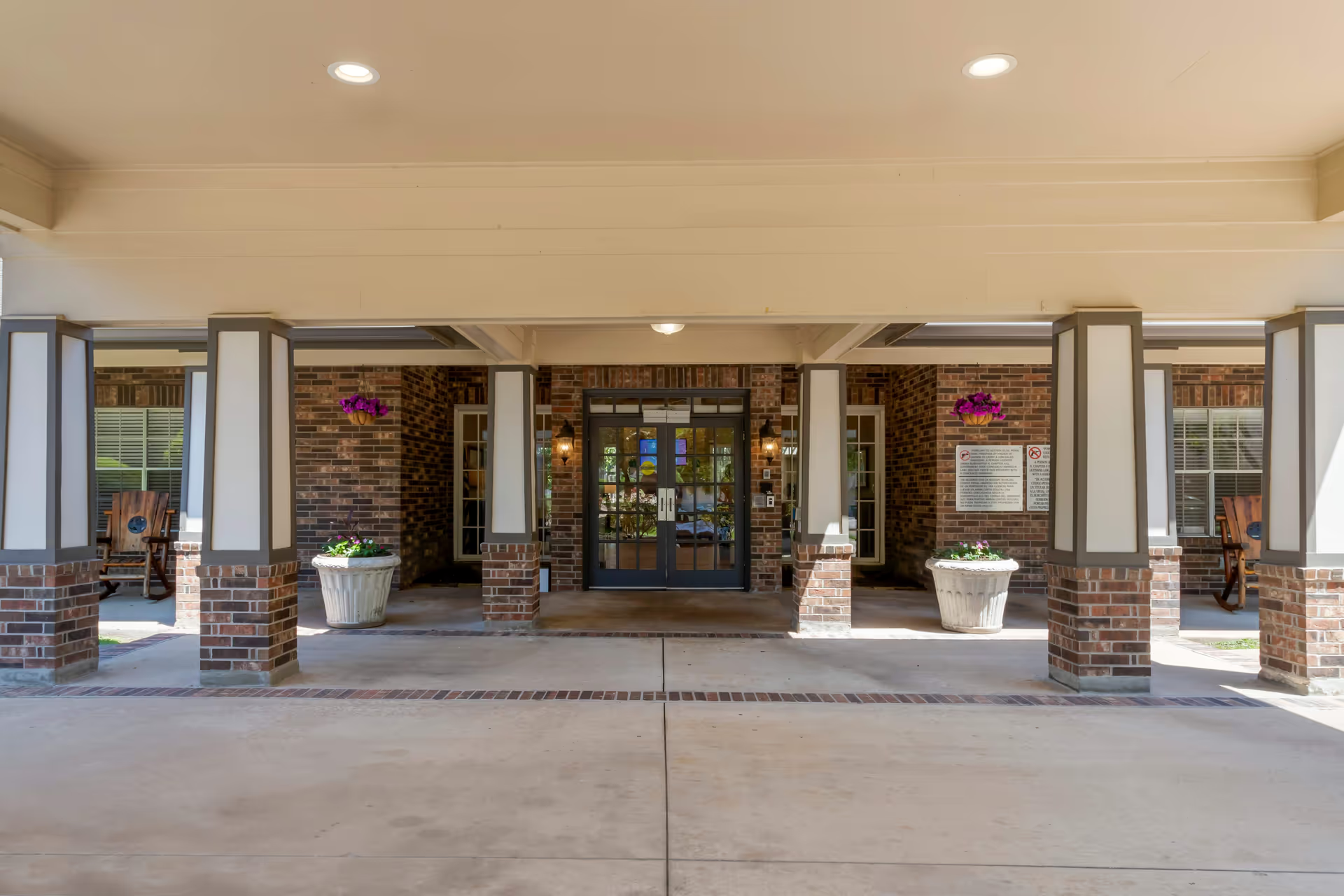
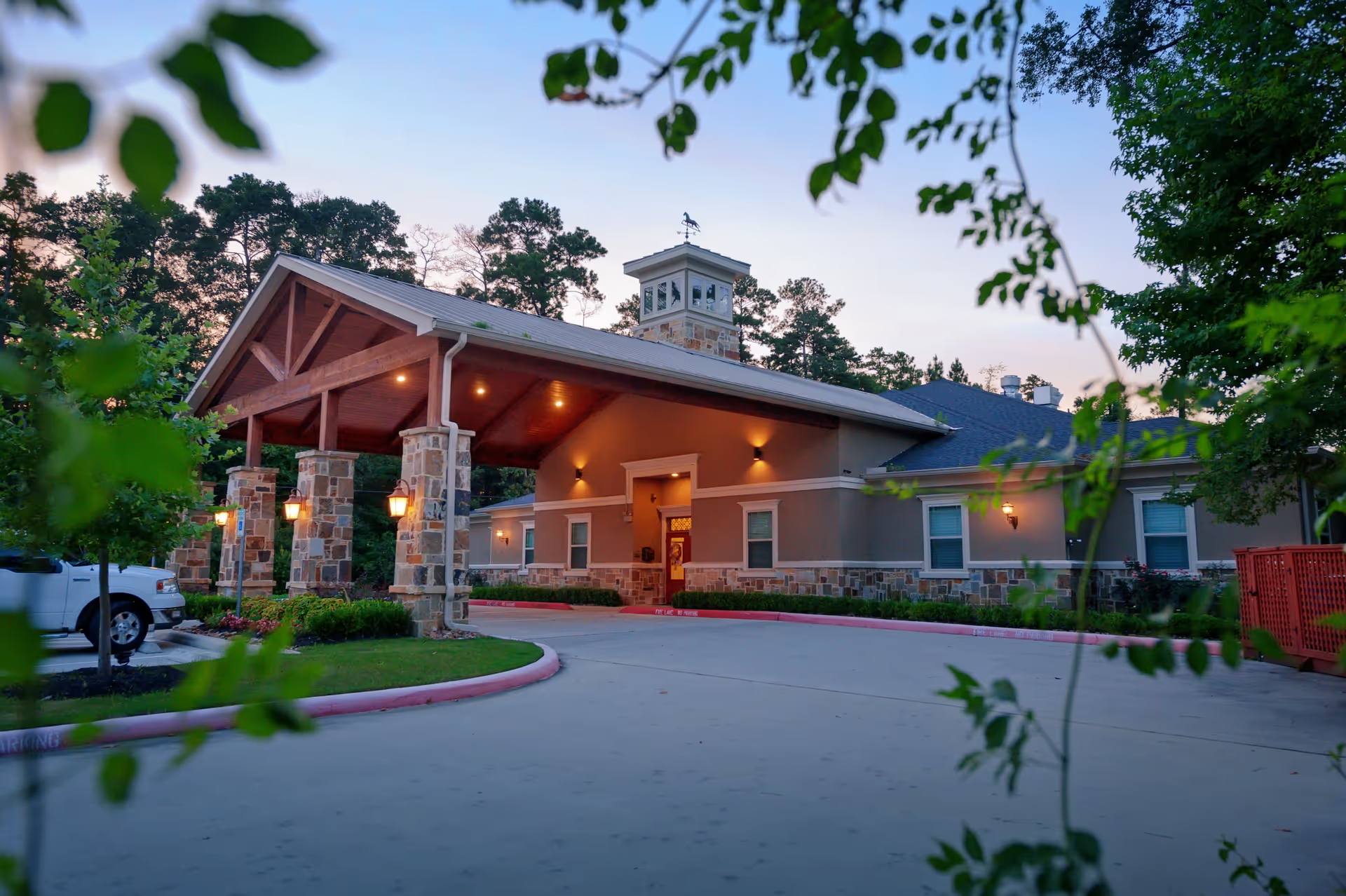
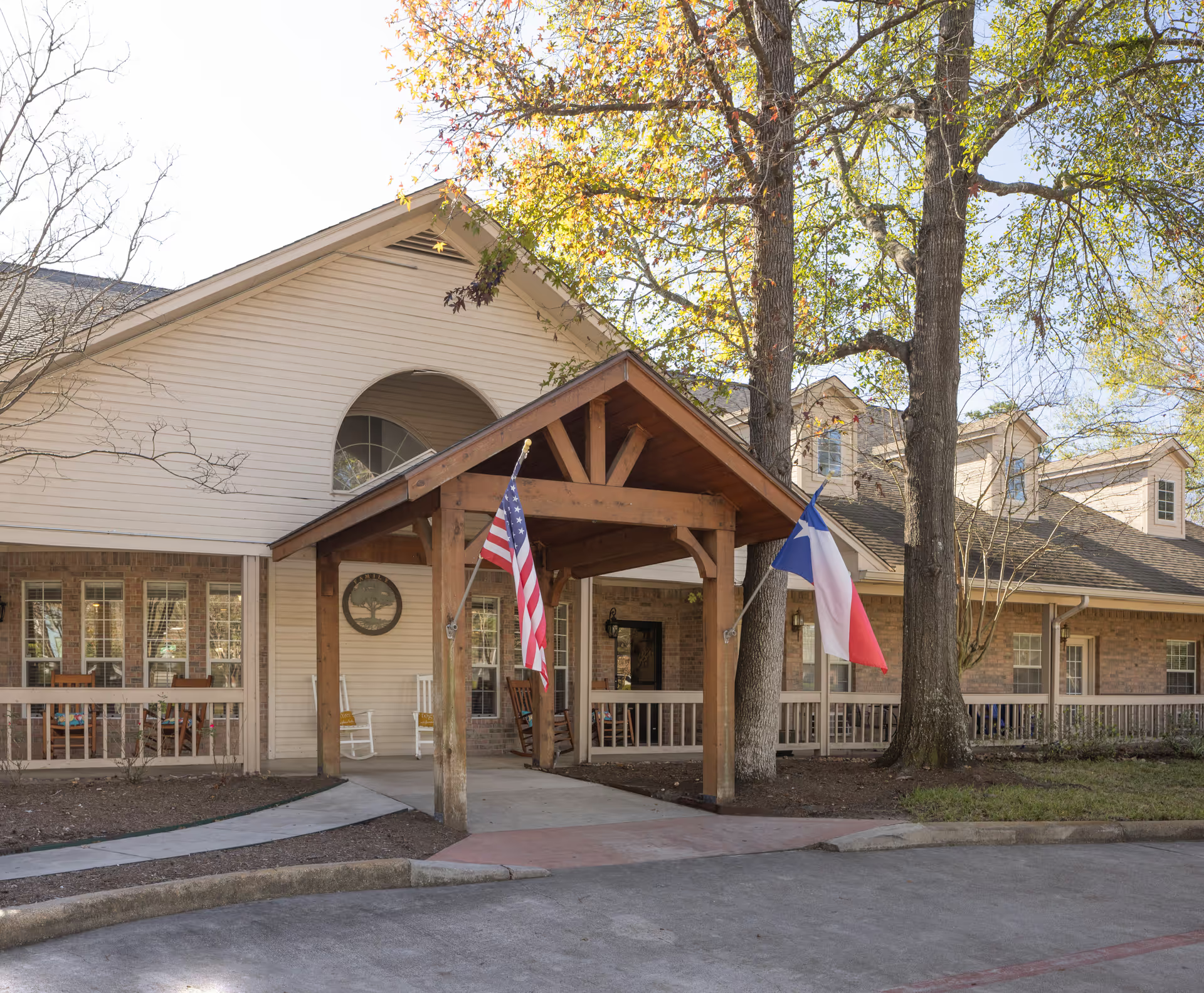
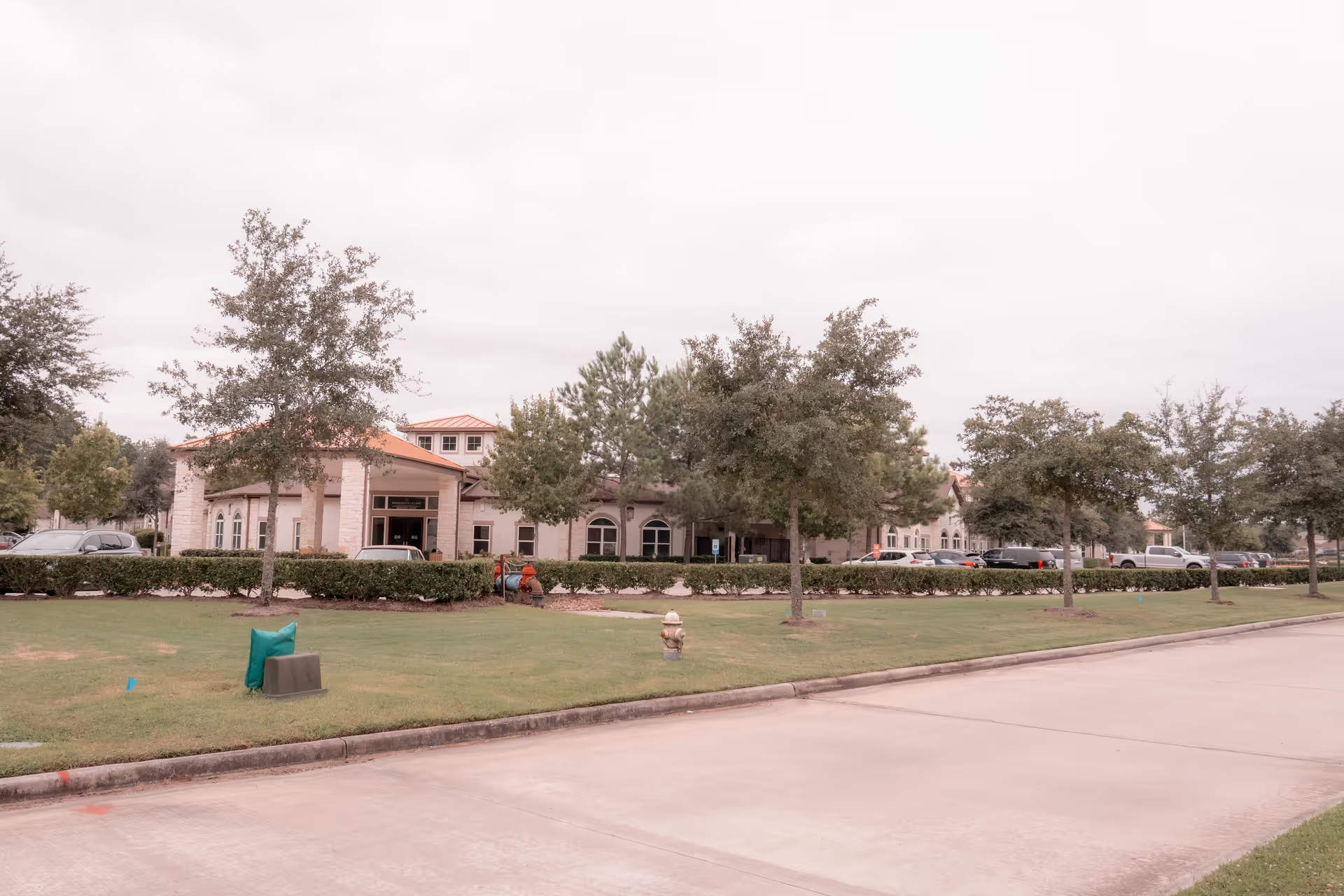
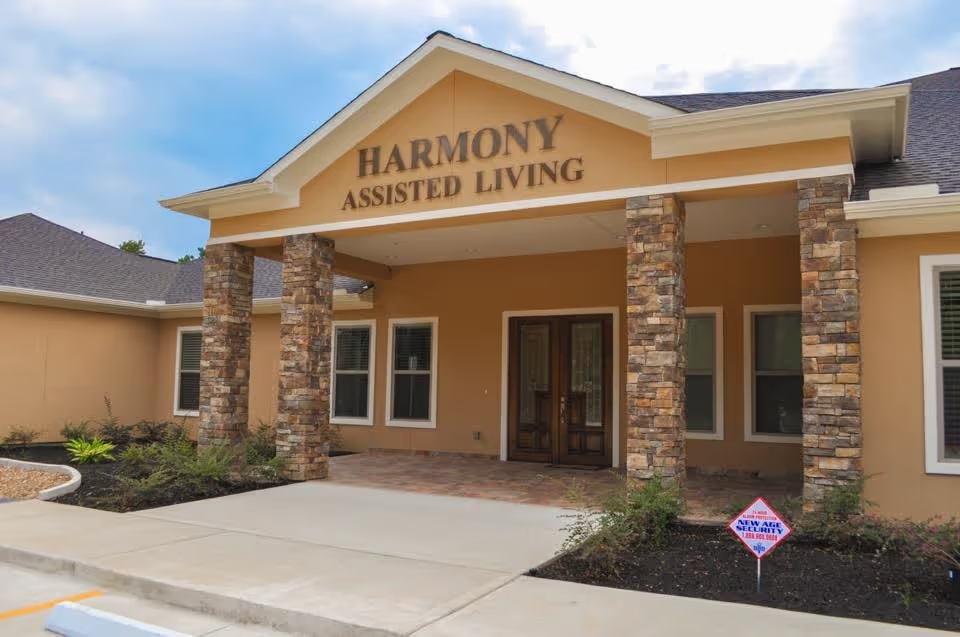
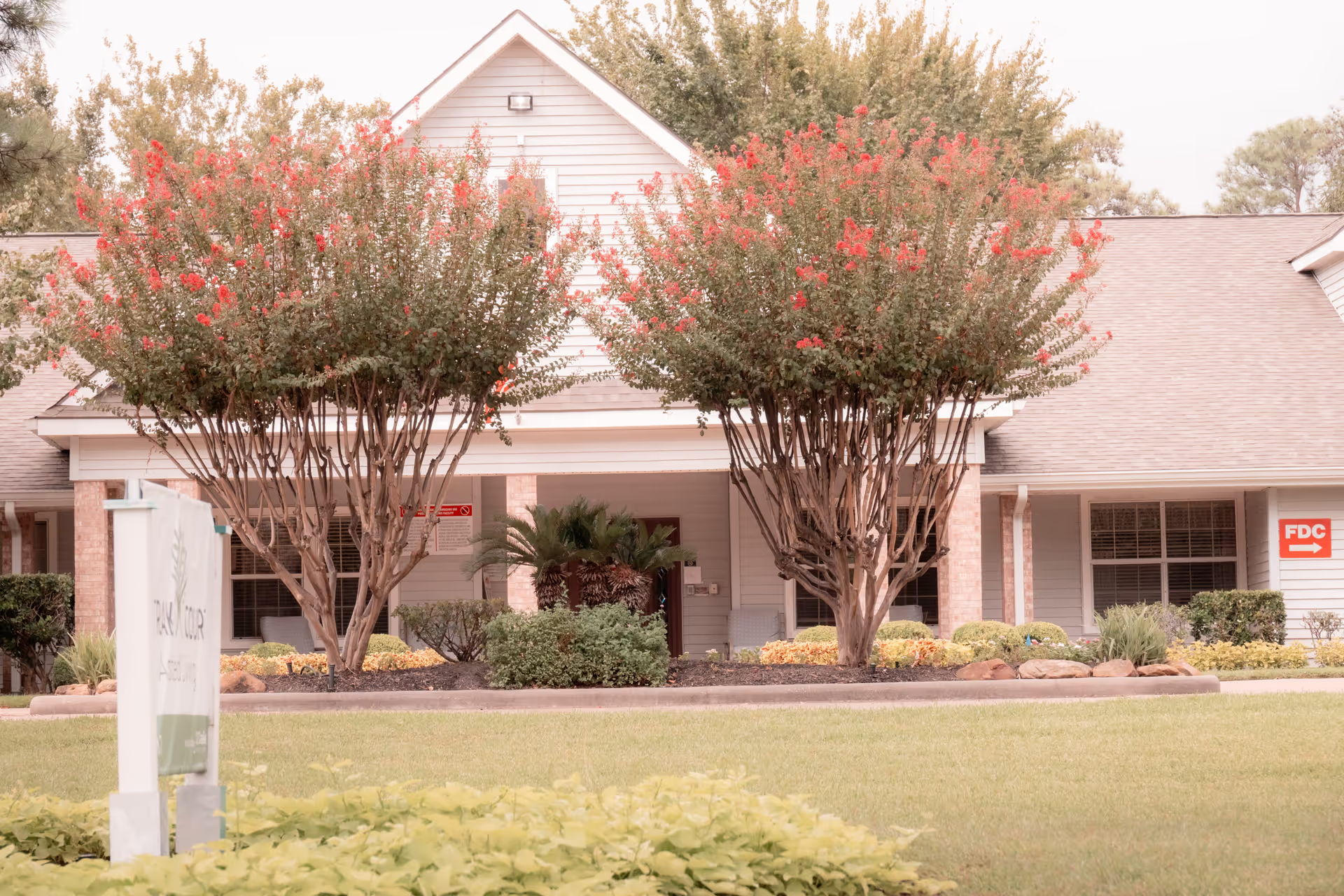
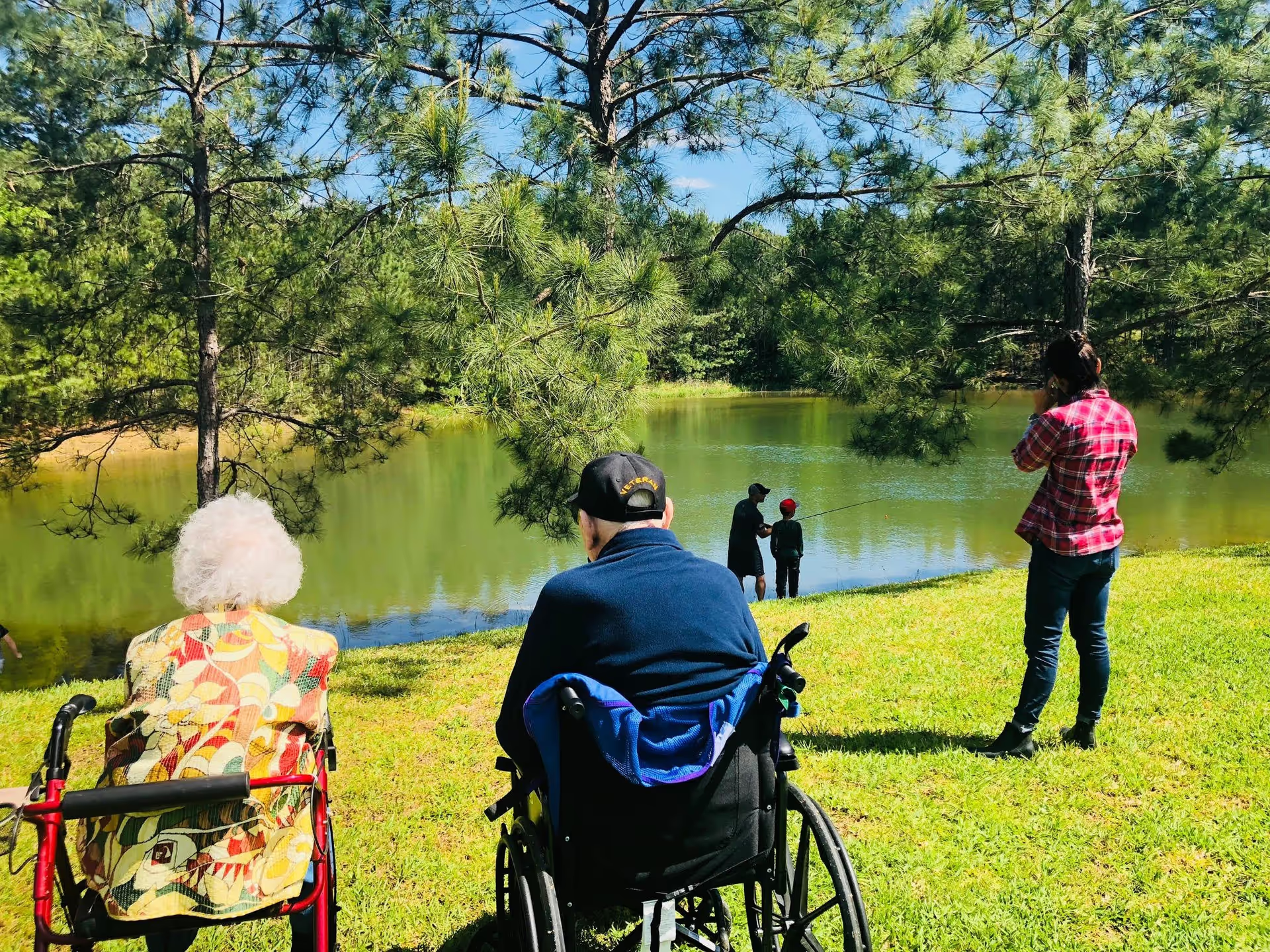
The reviews present a facility with many operational strengths alongside recurring operational weaknesses. Strengths most consistently described are the people and the physical environment: staff are frequently characterized as caring, patient-centered, and engaging; activity staff and program directors receive particular praise for creative, Montessori-influenced programming, music, arts, outings and small-group engagement. The building and grounds are repeatedly described as clean, new, and well appointed, with multiple on-site amenities (movie theater, salon/barber, soda shop, potting room, screened porches, courtyards and garden features) and a variety of apartment sizes that support a homelike atmosphere. Dining is often highlighted as a positive element, with restaurant-style service, visual presentation, varied menu choices and favored desserts.
Care quality descriptions are mixed. Many families describe attentive caregiving, personalized attention, dementia-friendly approaches and 24-hour support; these accounts emphasize residents’ social engagement and improved alertness after arrival. However, a set of reviews raise operational concerns about clinical oversight: missed or delayed medication administration, inconsistent feeding or meal delivery for some residents, transfer-safety issues, and instances where supervision or response to clinical needs was inadequate. One allegation described a serious safety and sanitation incident resulting in hospitalization, which reviewers used to underline broader concerns about incident response and clinical oversight. These concerns suggest variability in hands-on clinical practices and the need for robust, consistently applied protocols.
Staffing, leadership and communication emerge as a central pattern. Positive commentary notes warm, welcoming front-desk and caregiving teams and effective activity leaders. Counterbalancing that are repeated comments about high staff turnover, uneven professionalism among specific employees, and difficulty reaching or getting timely information from management or nursing staff. Several reviewers described billing or contract transparency issues (unexpected charges or unclear contractual terms) and inconsistent responsiveness from maintenance and administration. Management style and leadership transitions were also highlighted as destabilizing in some accounts, with a perceived decline in morale or clarity following leadership changes.
Activities and resident life are prominent strengths when well supported. The facility offers a broad menu of programming (music, bingo, painting, gardening, outings, Montessori-based sessions and community events) that many families find energizing for residents. At the same time, a subset of reviews describes periods of downtime, limited activity availability, or variability in the activity calendar—issues reportedly being addressed by new or proactive activity leadership. Transportation and scheduling for outings and appointments are available but limited in frequency, which families noted as a practical constraint.
In summary, Bristol Park at Conroe appears to deliver a high-quality hospitality environment with strong programmatic offerings and many compassionate caregivers, creating a home-like setting for many residents. The principal operational risks to weigh are inconsistent staffing levels and turnover, variable clinical oversight and medication practices, sporadic cleanliness issues in resident rooms, communication and billing transparency concerns, and uneven management responsiveness. Prospective residents and families should validate current staffing ratios, clinical protocols, contract terms and incident-response procedures during a tour and ask for recent examples of how leadership has addressed the operational concerns raised in these reviews.