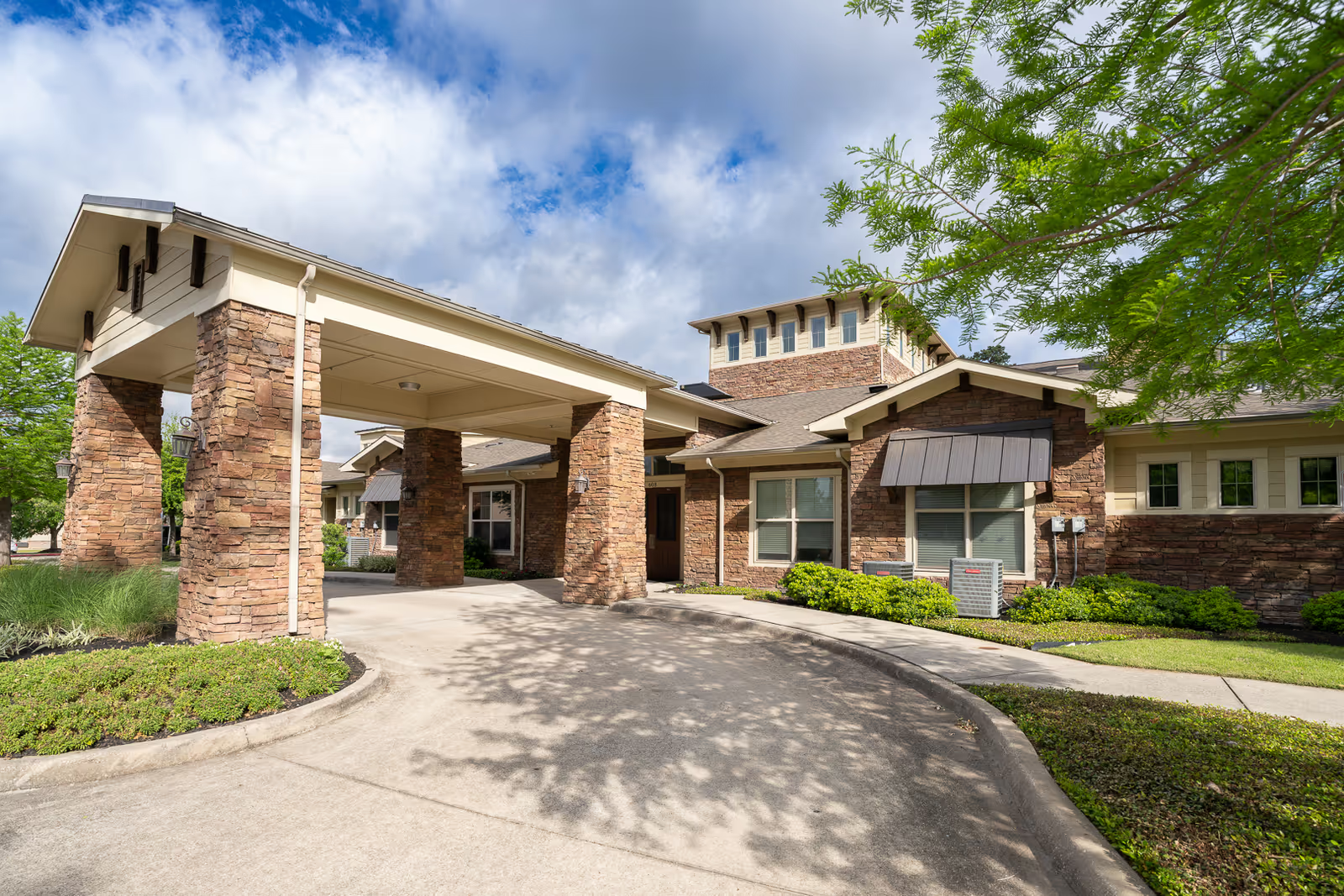
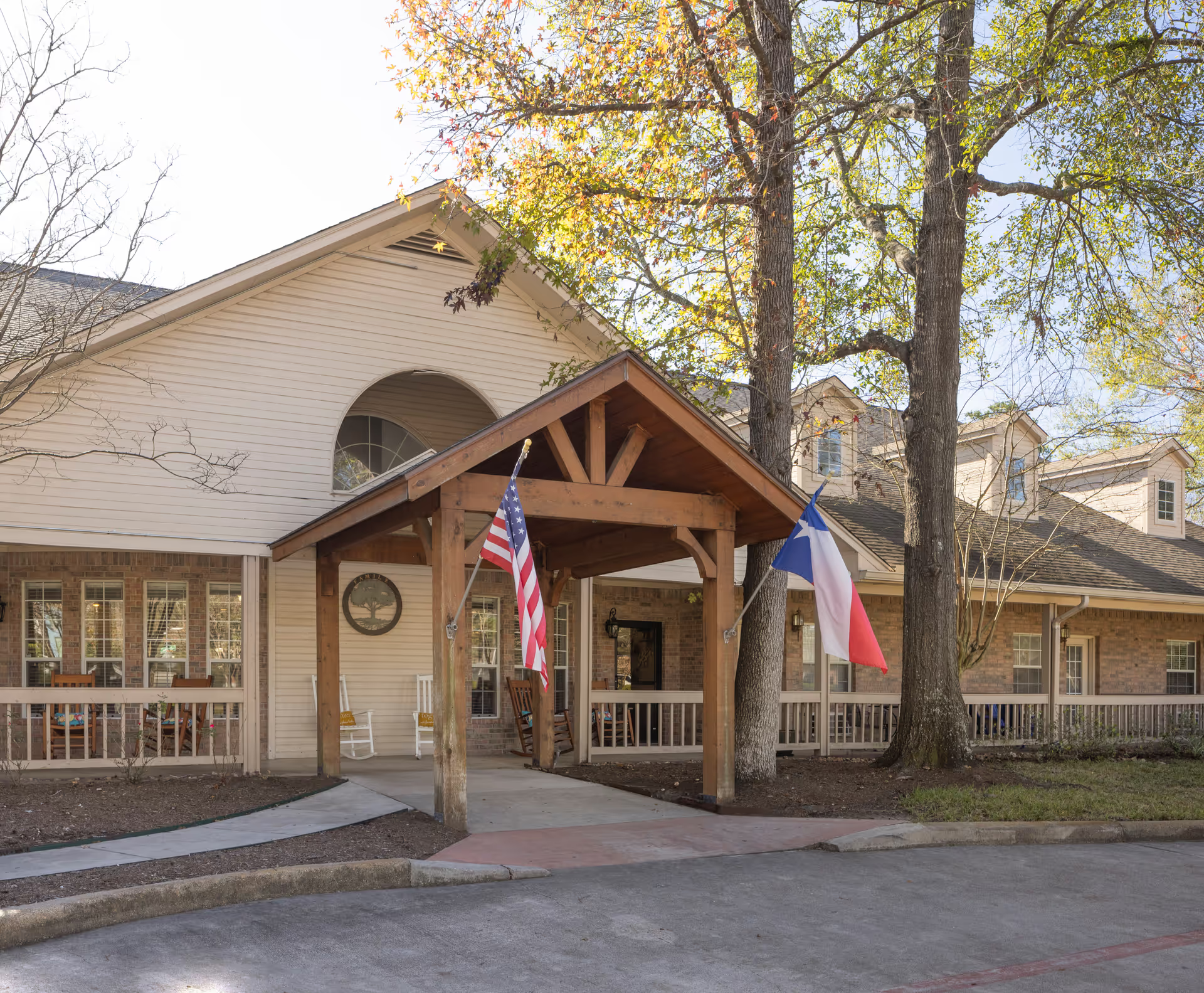
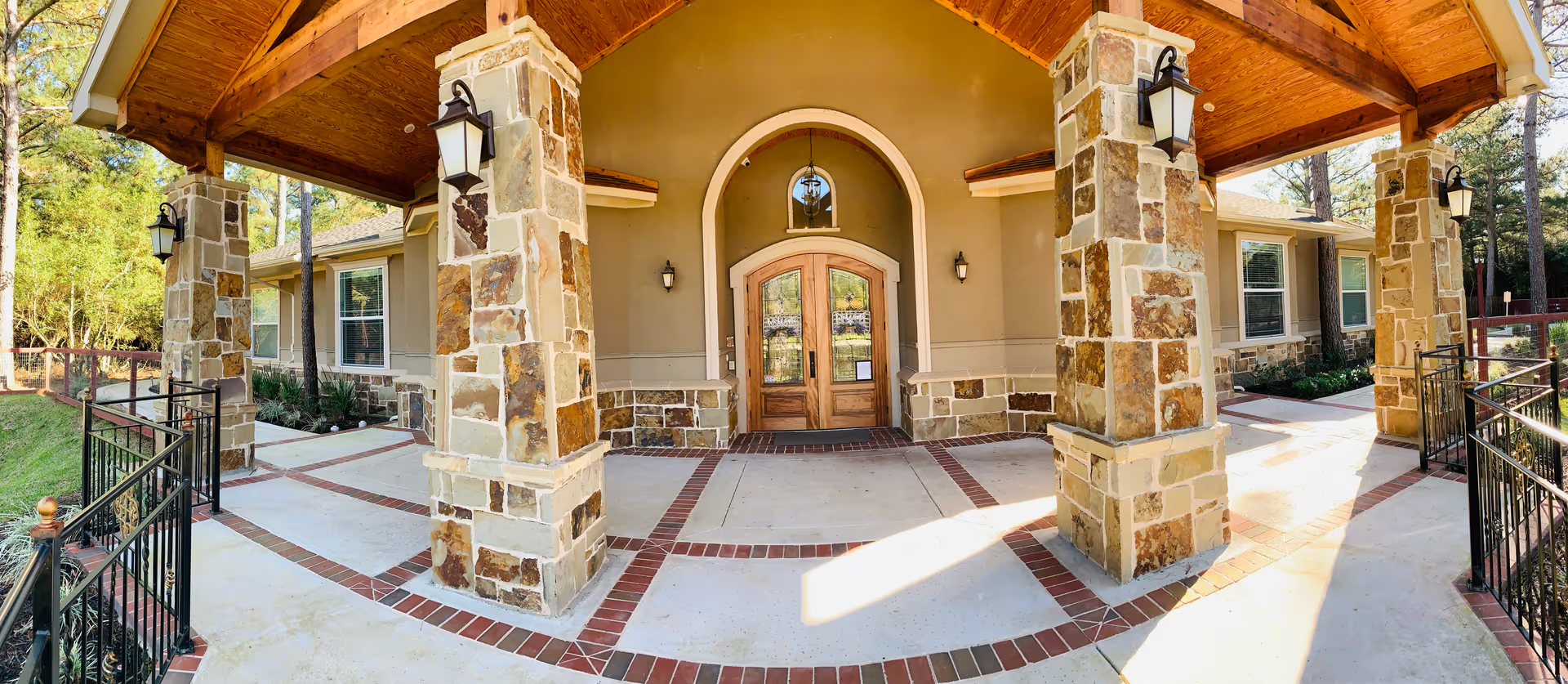
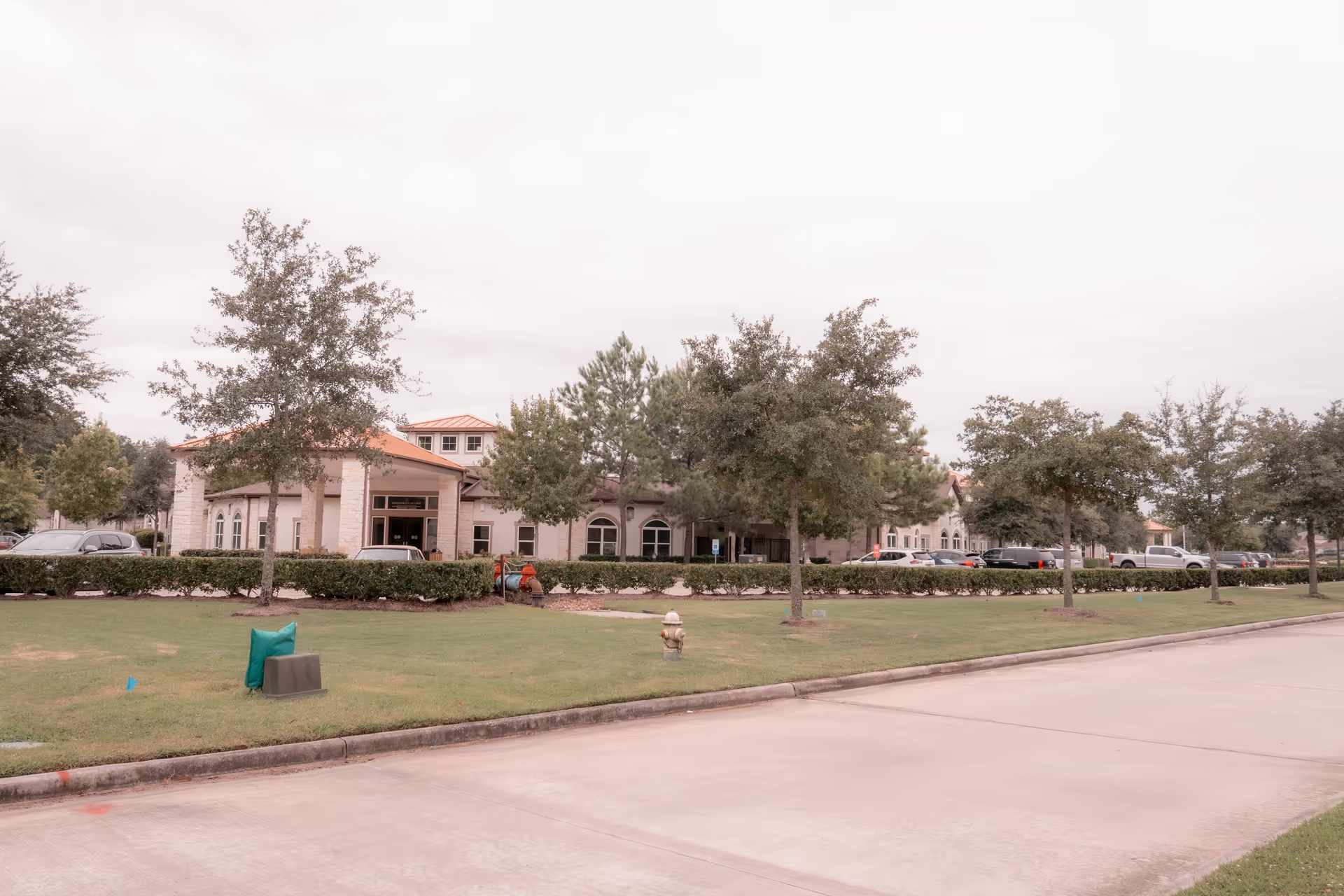
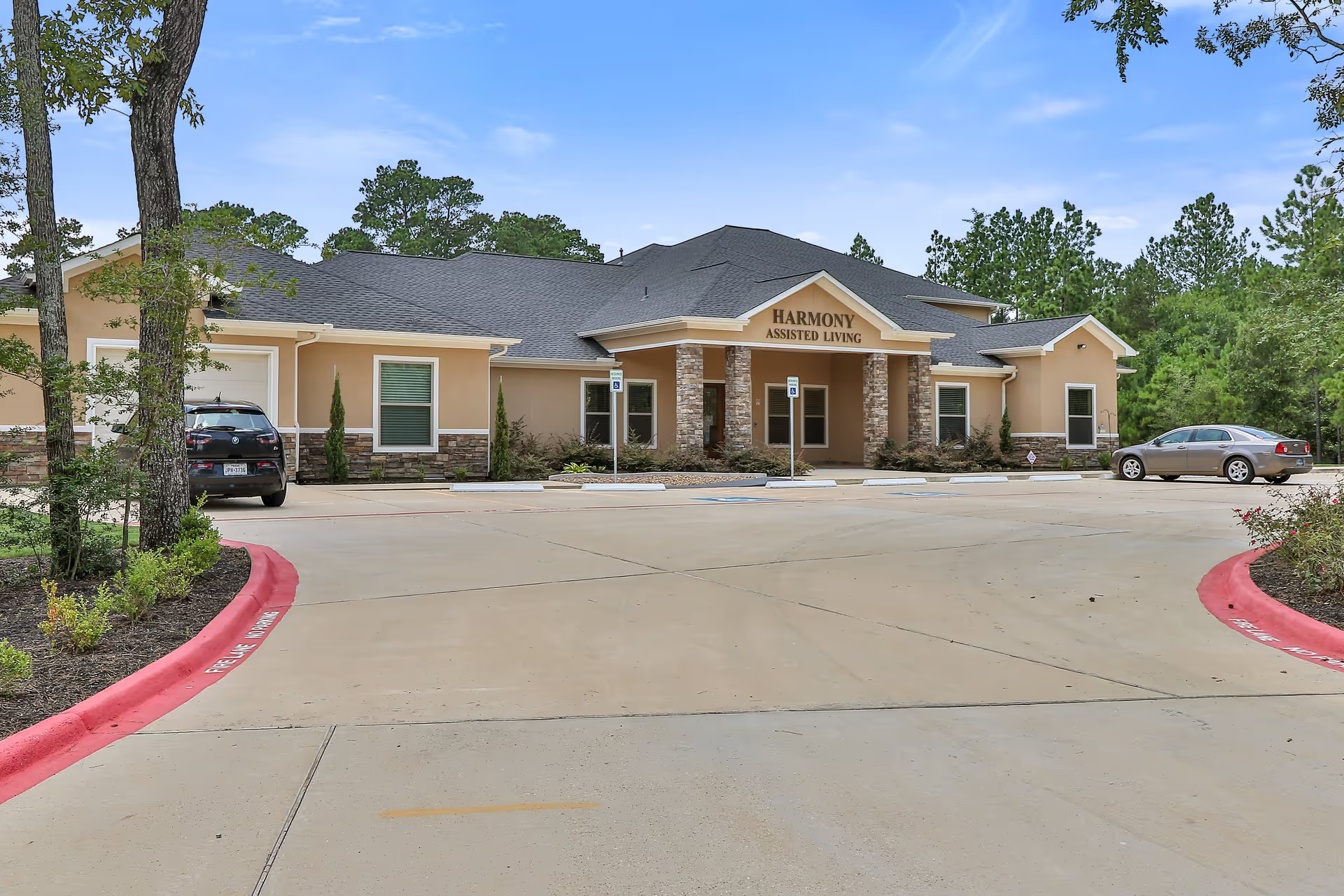
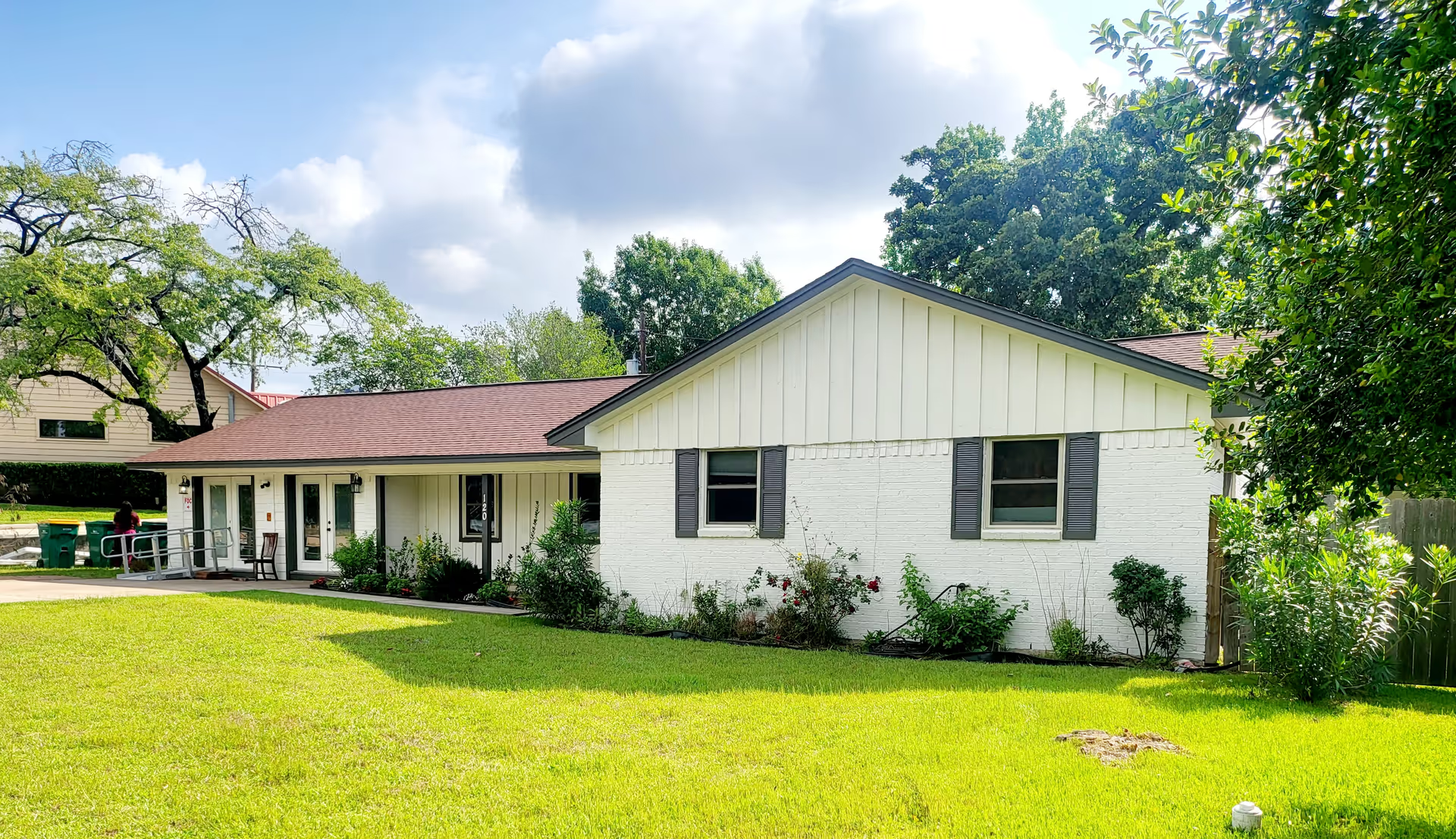
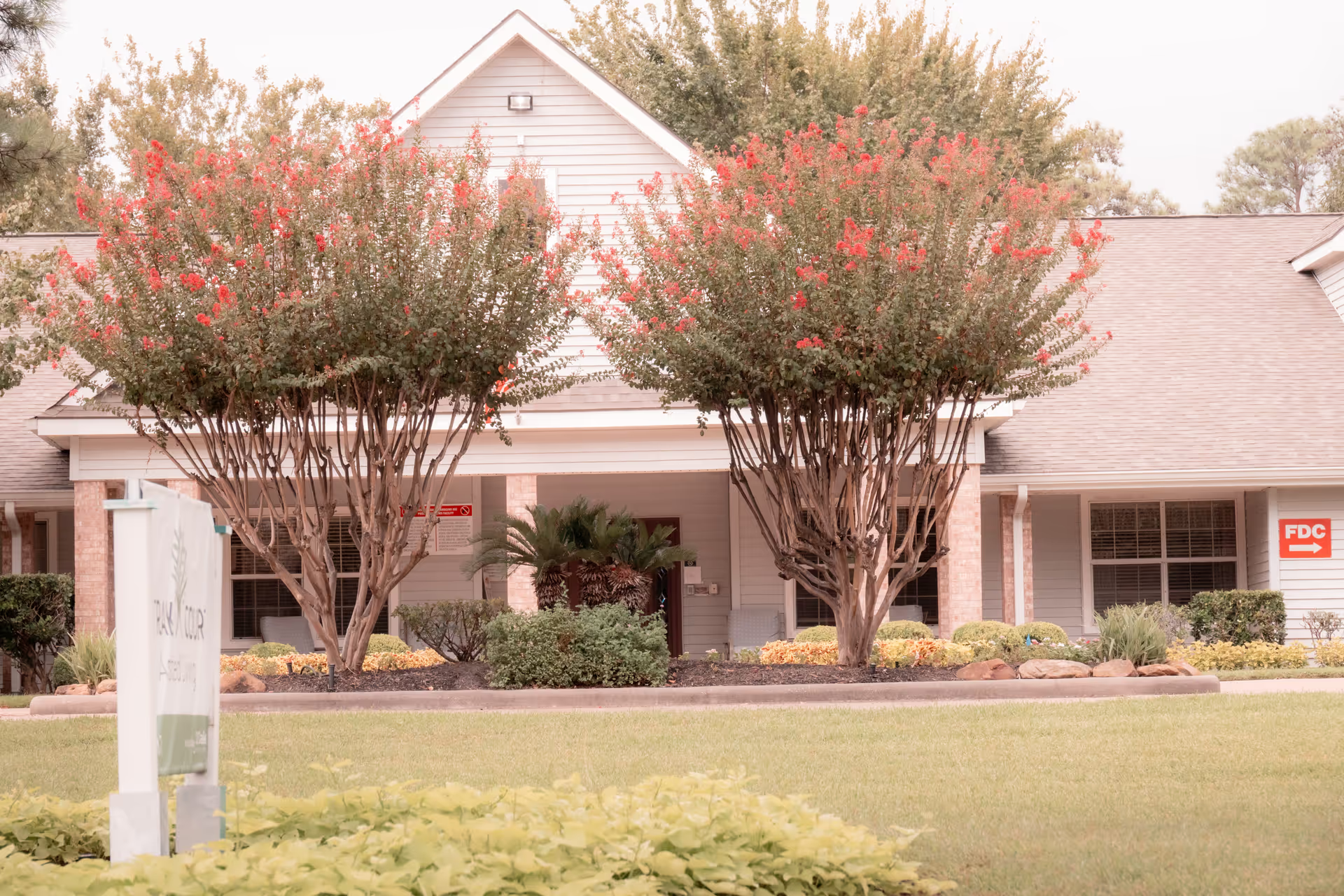
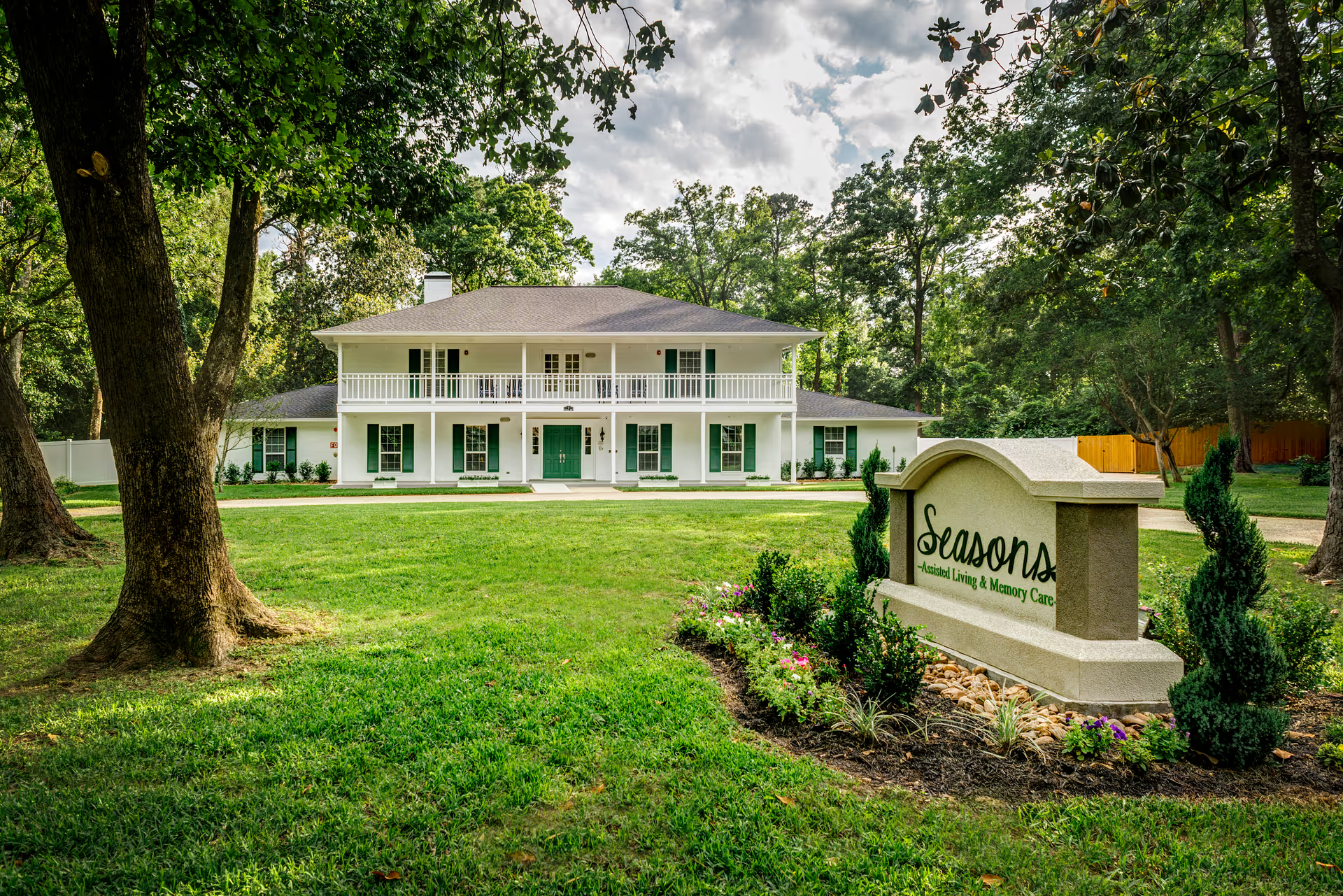
Lewis Park Estates presents a largely positive assisted-living and memory-care environment for many families, with recurring strengths in staff-resident relationships, cleanliness, and an active social program. Reviewers frequently highlight warm, compassionate caregivers, attentive nurses, and a home-like atmosphere accentuated by seasonal decorations and communal spaces. The facility's single-level design, private studio units with in-room conveniences, and proximity to medical services are practical advantages for residents with mobility needs.
Dining and activities are notable assets for numerous residents. A chef-driven kitchen and several highly praised dishes were cited, and the community offers a broad activity calendar — from bingo, crafts and faith services to mall/grocery trips and live entertainment. Many families report that the programming supports social engagement and improves emotional well-being. At the same time, dining experiences are inconsistent across accounts: while some praise restaurant-style service and memorable entrees, others describe limited variety, cafeteria-style delivery, or occasional meal shortages. Prospective families should view dining as a variable element that may change with kitchen staffing and leadership.
Care quality descriptions are mixed and appear closely tied to staffing stability and leadership continuity. Positive reports emphasize long-tenured caregivers, responsive nurses, and involved memory-care directors who provide individualized attention. Conversely, several reviewers describe periods of high staff turnover, unresponsive call-button responses, and delays attending to resident needs; these operational weaknesses have been associated with safety concerns in some accounts. Memory-care leadership has been specifically singled out as a decisive factor — when a consistent director and nurse team are present, families describe smooth transitions and proactive care; when leadership and staff change frequently, families report the opposite.
Facility condition and logistics are generally favorable but inconsistent. Many visitors note clean hallways, remodeled units, and pleasant common areas, while other accounts cite unfinished renovations, occasional odor concerns in some areas, and small unit footprints. Practical limitations include constrained guest parking, limited availability of private-suite memory-care units at times, and smaller dining or social spaces compared with larger campuses.
Management and administrative issues recur as an area of concern. Ownership and management transitions are repeatedly associated with changes in billing practices, rent increases, contract disputes, and perceived lapses in communication. Several reviews describe billing errors, unexpected charges, or slow financial follow-up; others report improvements after a subsequent management change. Infection-control policies and visitation restrictions have varied over time, producing both positive and negative experiences depending on timing and enforcement.
Overall pattern: many families report a positive, family-like community with caring staff, good food at times, and meaningful activities. However, there is a clear pattern linking negative experiences to staffing instability and management turnover, which in turn affect responsiveness, dining consistency, and administrative reliability. Prospective residents and their families should weigh the facility's evident strengths against these operational variability points. Recommended due diligence includes asking about current staff turnover and ratios, call-response times, recent management changes, billing procedures and contract terms, memory-care staffing and programming, and observing a current activity period and meal service during a visit.