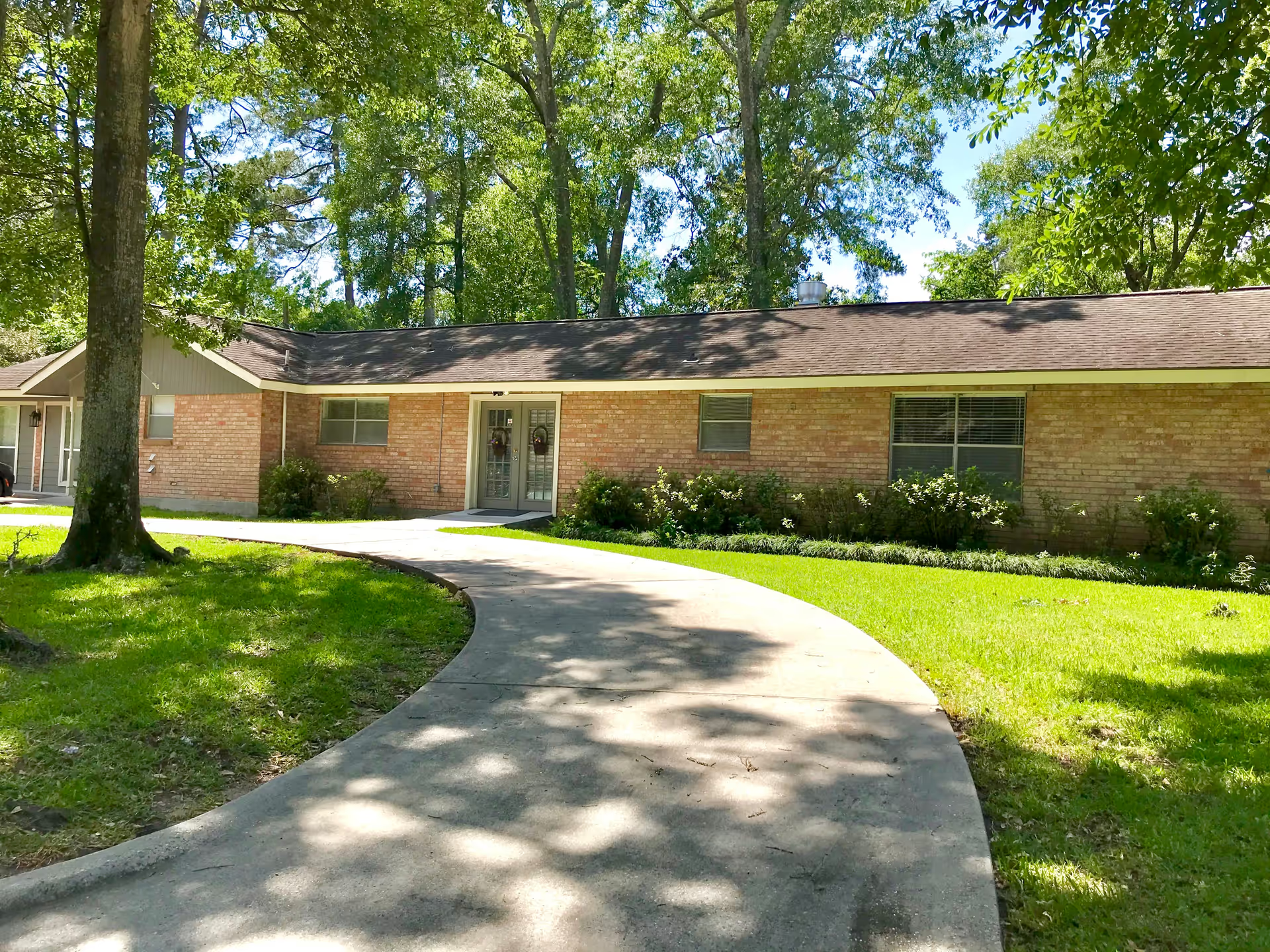
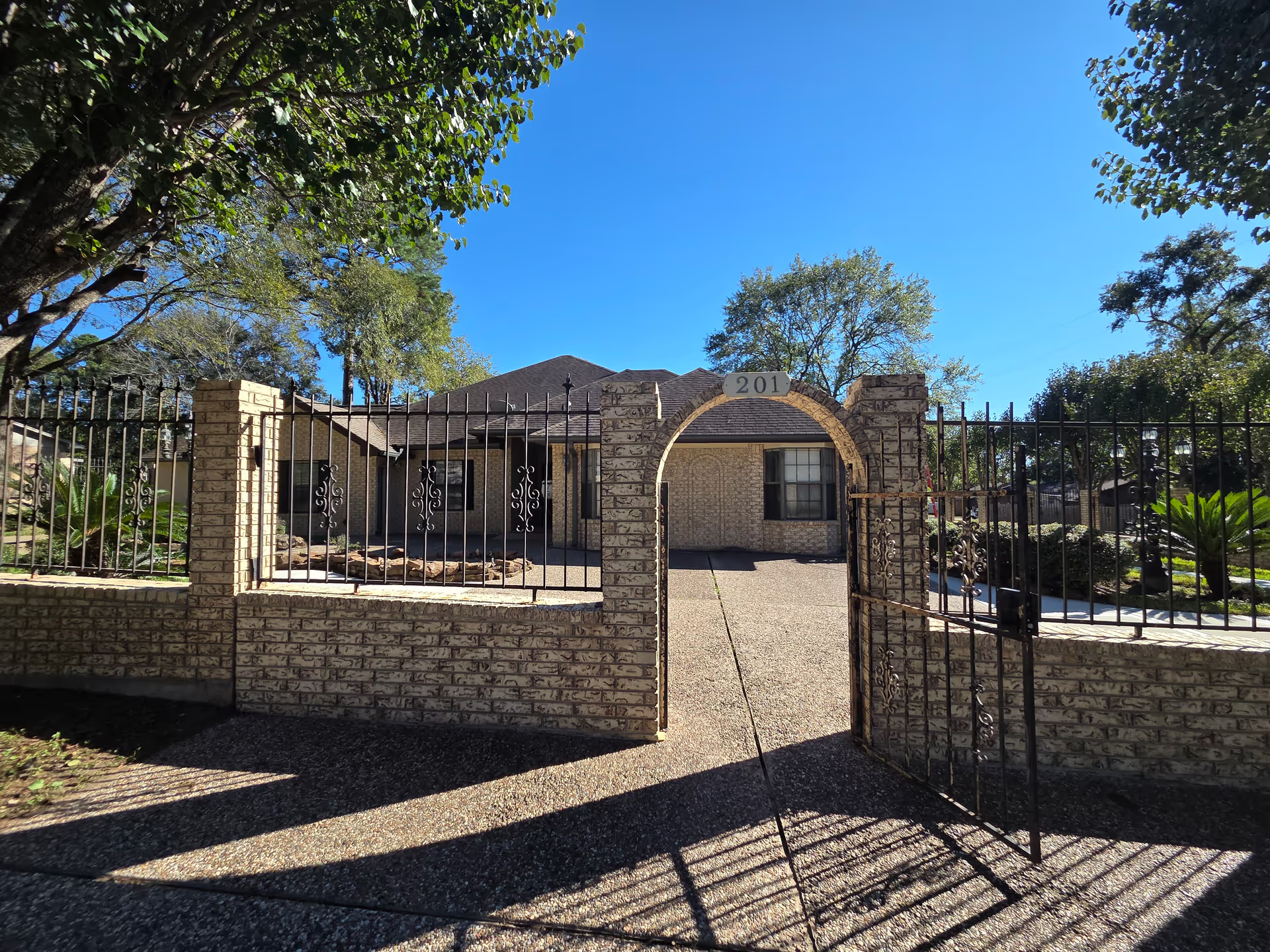
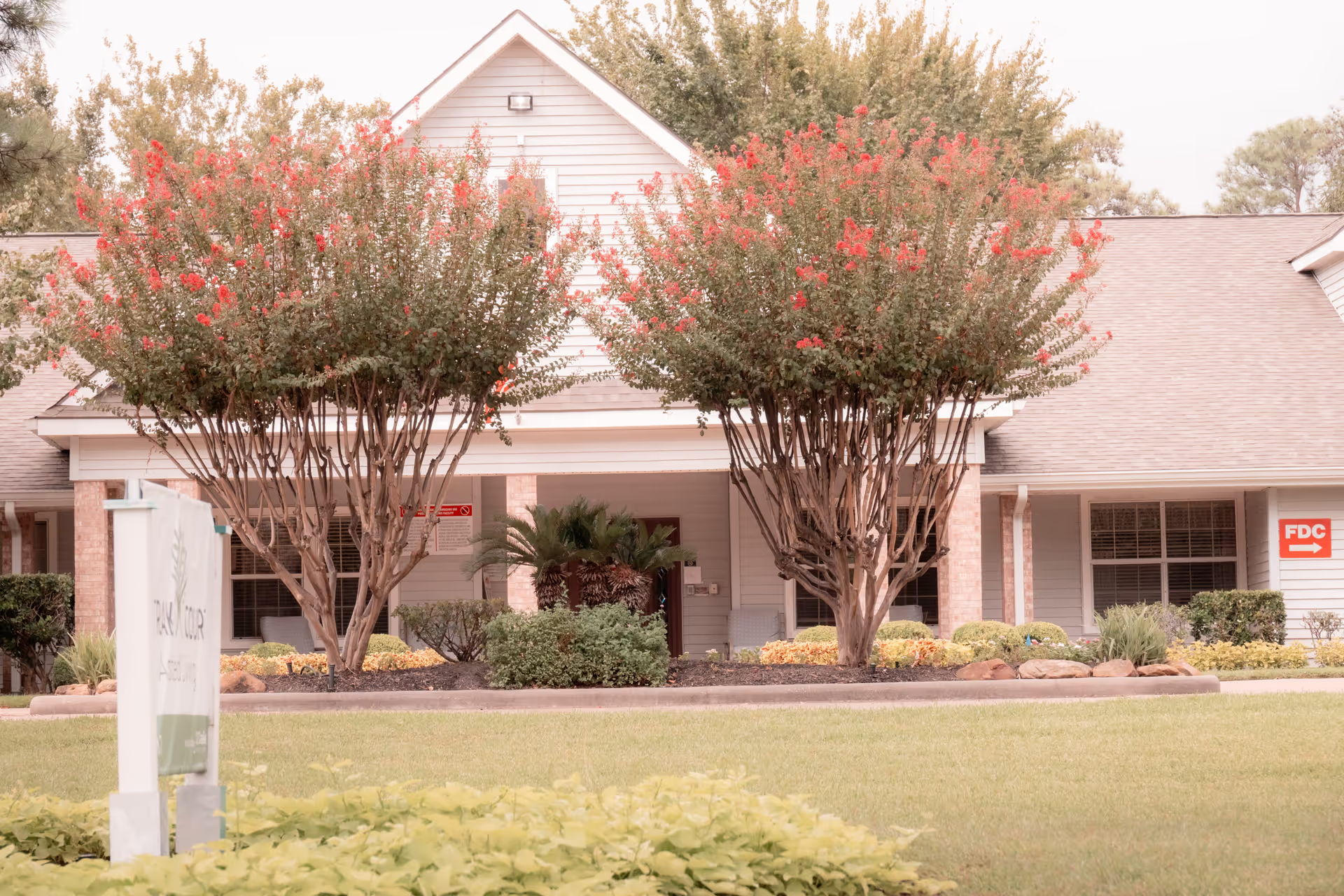
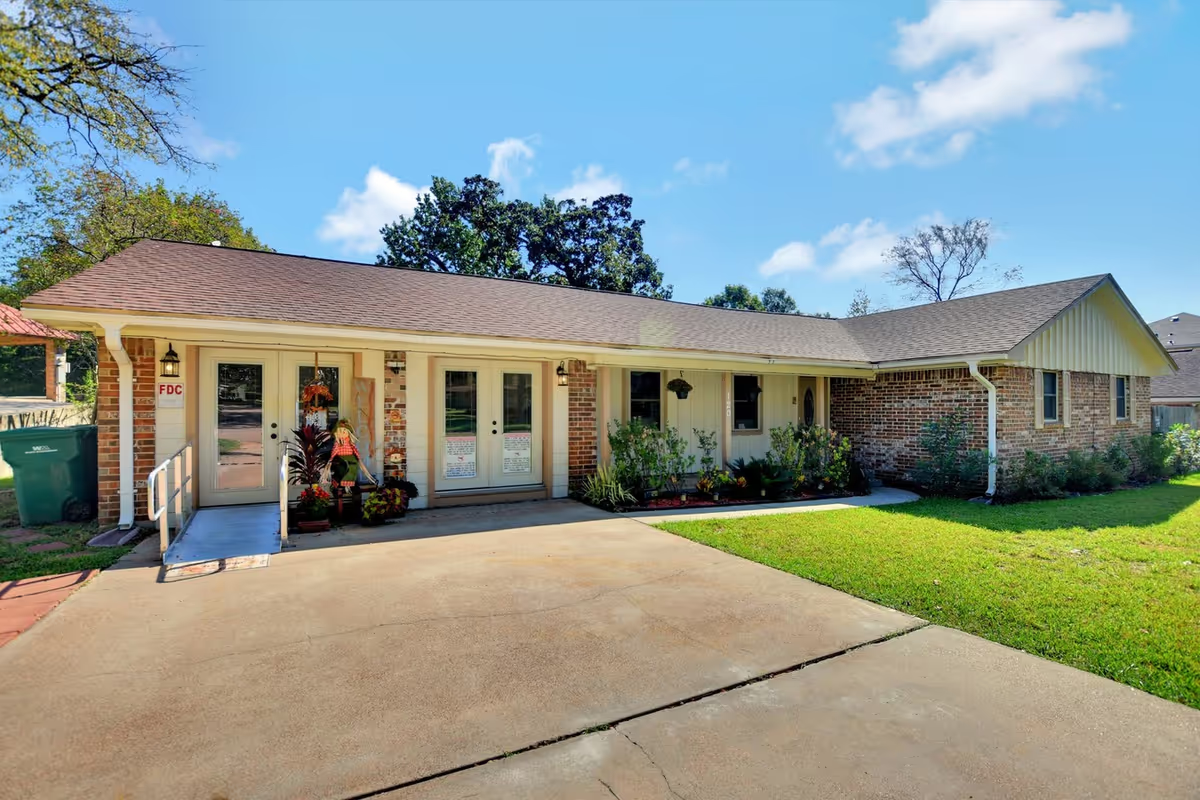
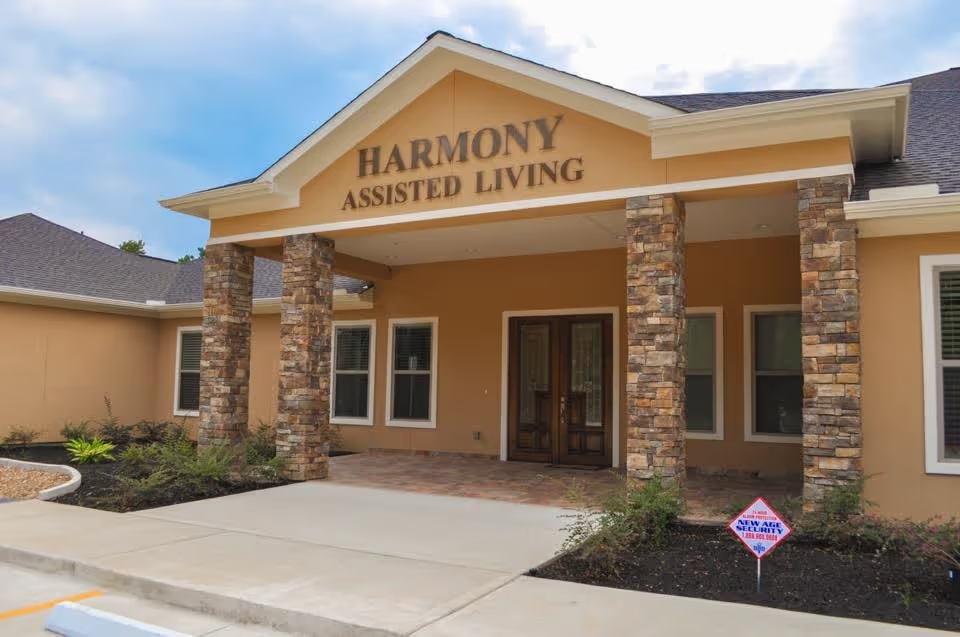
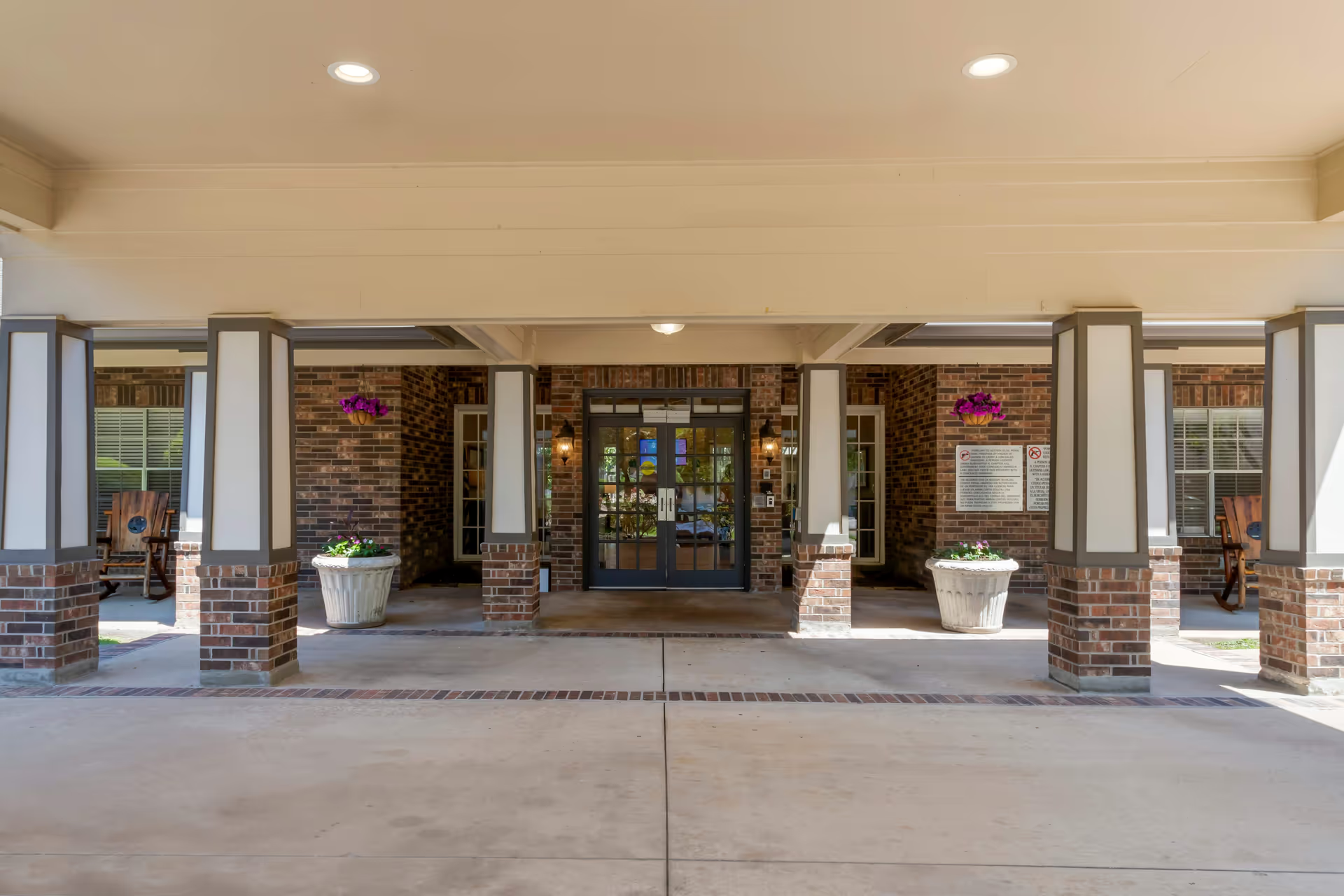
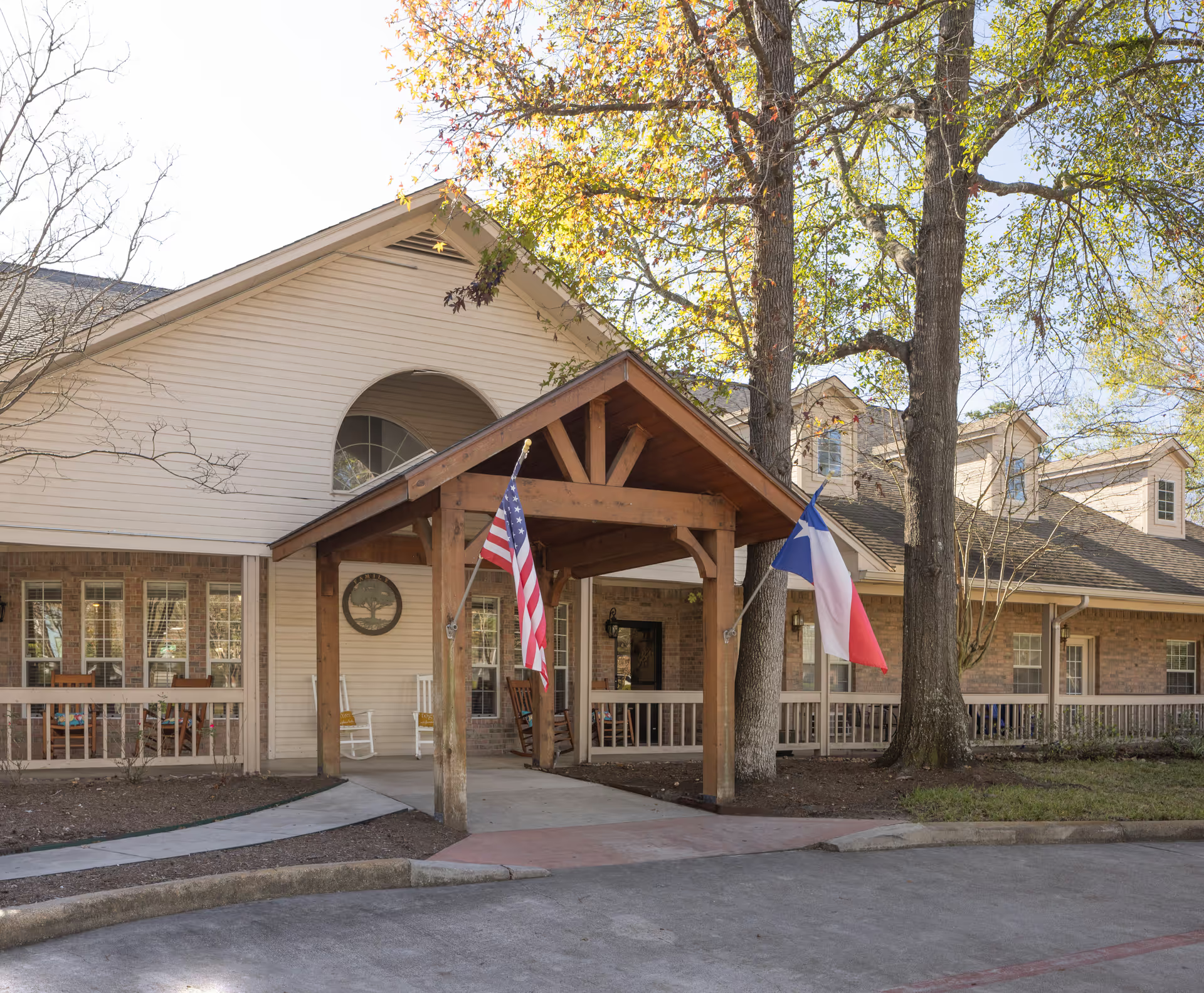
Seasons Assisted Living & Memory Care is consistently described as a residential, small-capacity facility that emphasizes a home-like atmosphere and personalized attention. Many families highlight the compassionate nature of caregiving staff, experienced memory-care capability, and a hands-on leadership style. The facility’s physical environment receives strong praise: renovated, clean interiors; spacious, accessible bedrooms and bathrooms; attractive dining and living areas; and outdoor walking space. Technology and workflow supports such as point-of-care systems, in-room monitoring, and secure access are noted as modern features that complement resident care.
Dining and daily life are repeatedly mentioned as strengths. Reviewers describe home-cooked meals with appealing aromas, well-equipped kitchen facilities, and a variety of activities. Staff frequently share photos and updates with families, and the small size of the home is credited with enabling individualized care, frequent family communication, and close staff–resident relationships. Several accounts specifically commend the facility’s capacity to coordinate transitions from hospital and hospice care and to provide a peaceful, supportive environment at end of life.
Despite these strengths, there are recurring operational concerns that prospective families should weigh. Staffing stability and coverage emerge as the principal issue: accounts indicate periods with limited caregiver presence that can affect attention and timeliness of clinical tasks. Relatedly, delays in medication administration and other time-sensitive care activities have been described, which points to potential gaps in scheduling, staffing allocation, or medication-administration processes. Some reviews also describe lapses in direct supervision and responsiveness, which is consistent with understaffing and oversight challenges.
Management and staff-conduct patterns are mixed. Many reviewers praise hands-on leadership and proactive communication, while others describe inconsistent follow-up after adverse events and concerns about the tone or conduct of particular staff members or managers. There are also comments suggesting workforce morale or staff-management relations issues; these items signal the need to assess day-to-day supervisory practices and training. The facility’s small size contributes to its personalized care but may also produce operational vulnerability during staffing shortfalls or when a higher-acuity need arises.
Overall, Seasons presents as a well-maintained, intimate assisted living and memory-care option with strong strengths in environment, personalized attention, and household-style services. The primary liabilities identified across accounts are operational: staffing consistency, medication-timing reliability, supervisory oversight, and occasional lapses in management responsiveness. Families considering the facility should balance the clear advantages in atmosphere and relationship-based care with inquiries about current staffing ratios, medication administration protocols, supervision practices, and how management handles incident communication and follow-up.