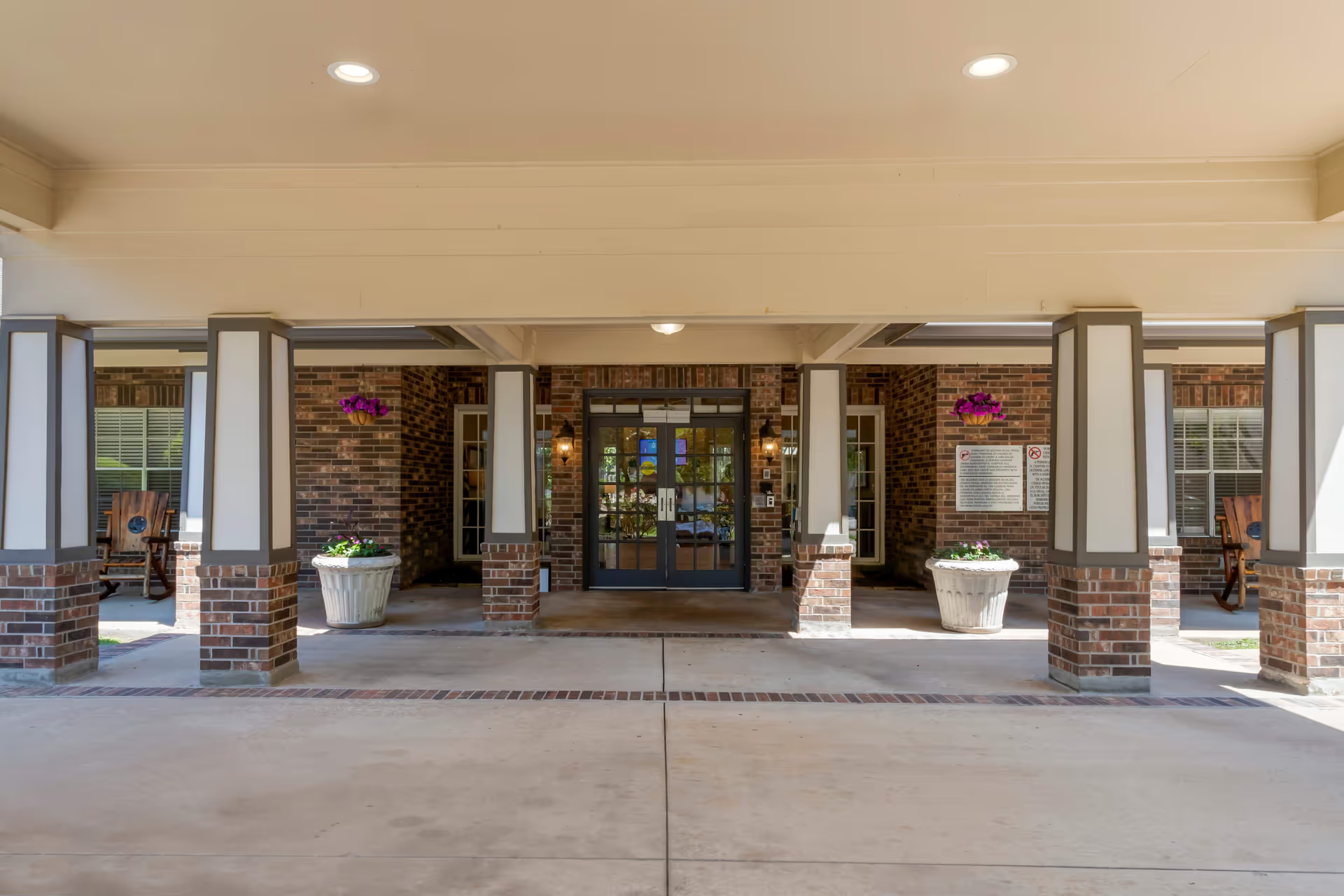
Strake Court elicits a mixed but instructive set of impressions. Many families and residents highlight consistently positive interpersonal experiences: front-line caregivers, CNAs, and activity staff are frequently described as warm, attentive, and compassionate, and several accounts emphasize staff willingness to go beyond routine duties. The facility's interior spaces are commonly praised as clean, inviting, and thoughtfully arranged; common areas are described as home-like and the courtyard-centric layout is appreciated for socializing and outdoor time. Apartment sizes, on-site amenities (salon, mailboxes, visiting dental/medical services), pet-friendly policies, and a range of activities and outings contribute to an overall sense of community for a large number of residents.
Care quality perceptions are mixed. Numerous reports describe attentive nursing, effective hospice coordination, helpful clinical responses, and smooth move‑ins that provided families with reassurance. However, there are also reports indicating variability in clinical oversight, medication handling, and routine personal-care monitoring. These accounts suggest that care consistency can depend on staffing levels and individual caregiver experience. Several families advised verifying the facility's ability to meet higher-acuity needs or specialized dementia care before committing, as the community appears better suited to residents requiring standard assisted-living support than those needing advanced clinical management.
Dining and activities are strengths for many residents but not uniformly so. Positive comments reference enjoyable meals, a pleasant dining environment, abundant social meals, coffee service, and a broad mix of activities — happy hours, outings, manicures, movies, and volunteer-led events. At the same time, other families noted uneven food quality, occasional substitutions, and kitchen-hygiene concerns. Activity programming is diverse and expanding under an active social director, but there are occasional gaps between marketing and delivery (for example, limits on group transportation or canceled outings), so confirming specific activity and transportation plans is advisable.
Facility upkeep shows a similar split. Inside the building most reviewers find units and common rooms clean and well maintained; outside, however, there are recurring notes about courtyard and exterior maintenance issues, patio cleanliness, and doors or pathways that can be difficult for mobility devices to use. These items point to operational maintenance priorities that may need attention. Financial transparency also emerged as a frequent concern: some families found fees and charge disclosures unclear, emphasizing the importance of reviewing contracts, community fees, and refund policies carefully during touring and admission.
Overall, Strake Court appears to offer a warm, community-oriented assisted living environment with many strengths in staff engagement, amenities, and social programming. The most consistent cautions concern staffing stability, clinical consistency for higher-acuity needs, outdoor maintenance and accessibility, meal consistency, and fee transparency. Prospective residents and families would be well served by in-person tours, direct conversations about staffing ratios and clinical capabilities, review of written fee schedules and care agreements, and observation of outdoor accessibility and maintenance during a visit.