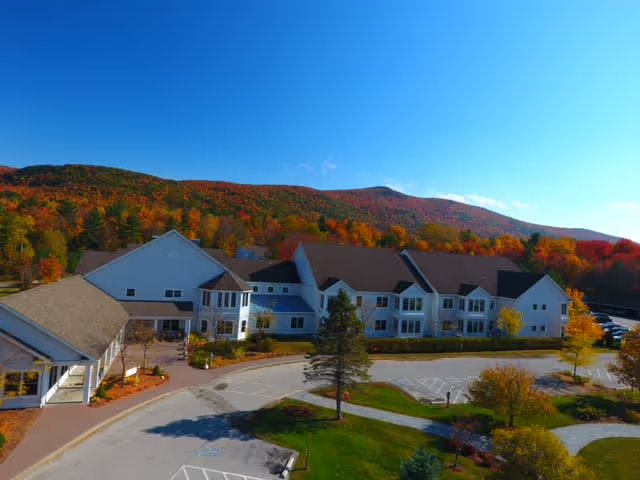
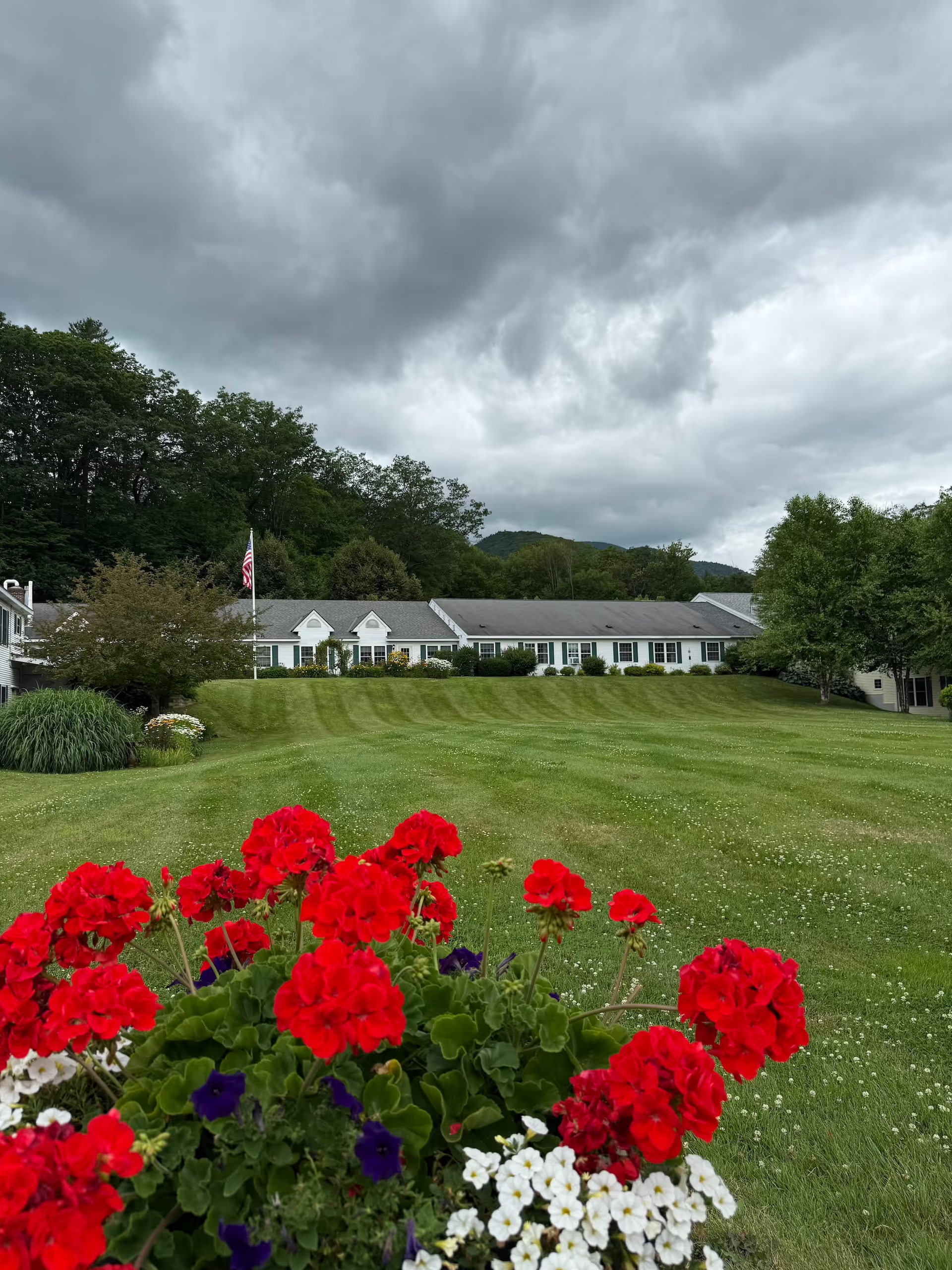
The Pines at Rutland Center for Nursing and Rehabilitation elicits a mixed but instructive pattern of feedback. Many reviewers praise the facility's clinical strengths—particularly its rehabilitation and therapy services, wound care, and 24-hour nursing coverage—and repeatedly describe caregivers as compassionate and attentive. These positive accounts often note effective discharge planning and communication with families, a smooth admissions experience, and a generally clean, well-maintained physical environment with pleasant outdoor spaces such as a private patio and gazebo.
At the same time, a number of operational concerns recur across reviews. The most prominent theme relates to responsiveness: reviewers describe delays in answering call requests and periods when aides are difficult to reach, especially during shift changes. Linked to this are perceptions of variable staffing levels and crowding at shift handoffs. Several reviews also describe lapses in timely clinical specimen collection and follow-up, with at least one account indicating that a delayed sample contributed to a hospital transfer. Housekeeping and sanitation are usually characterized positively, but a subset of comments points to inconsistent performance across shifts or days.
Dining and programming show a similar split. Some families and residents find the meals above average for a medical facility and praise food quality; others report cold or incorrect meals and a reduction in menu variety. Reviewers also called out changes in social programming and amenities following a management change—examples include elimination of recurring events and seasonal touches—which has affected resident morale for some families.
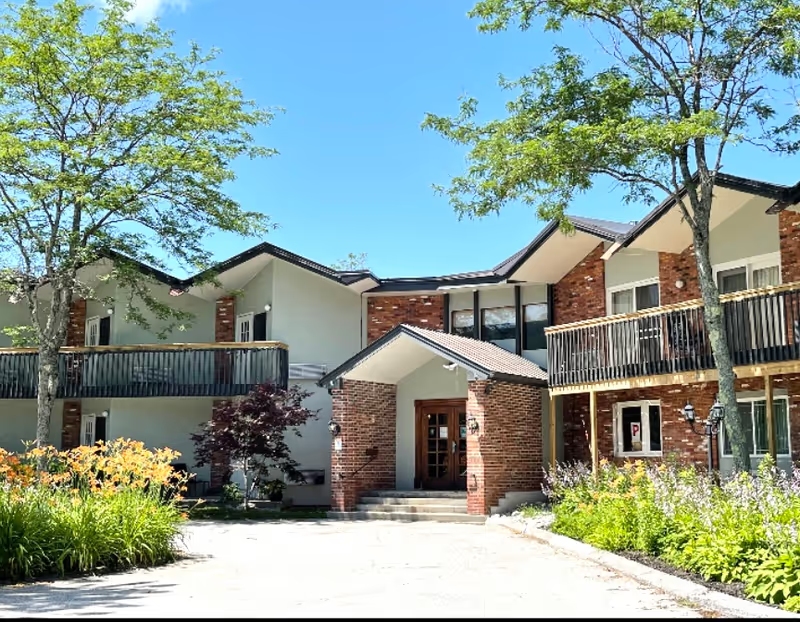
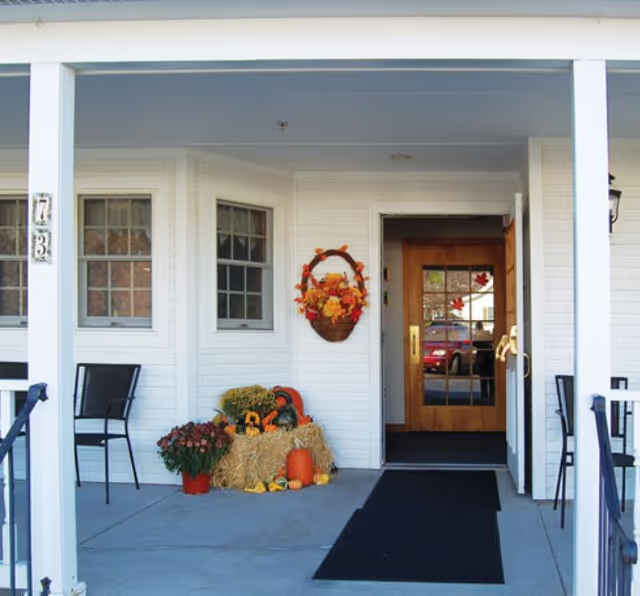
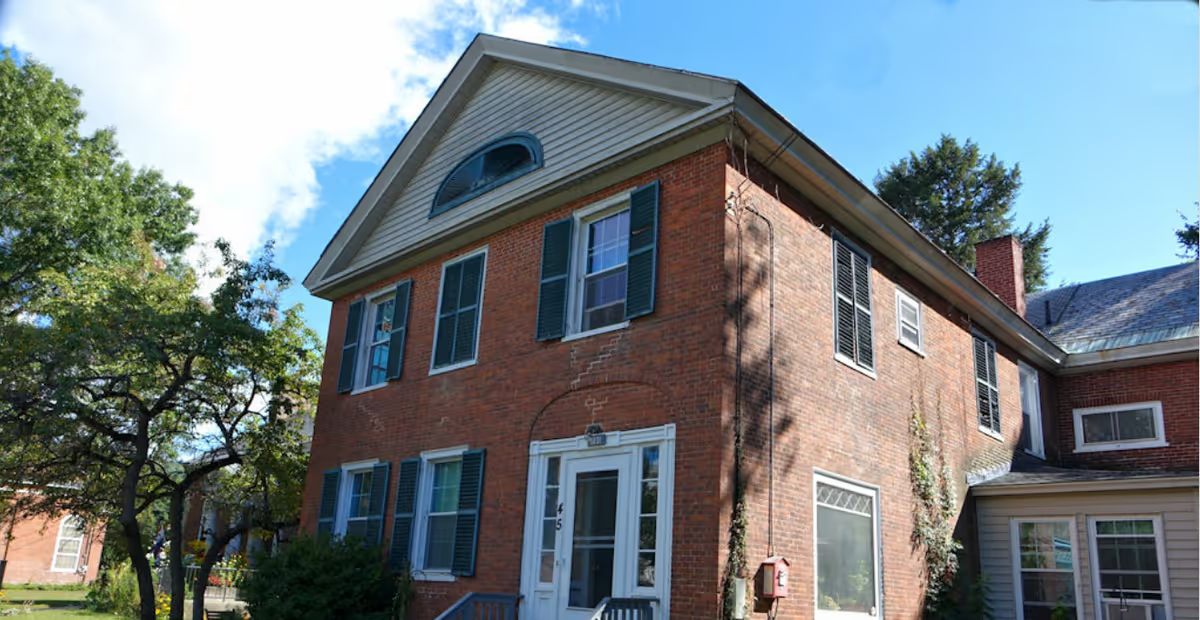
Facility-level features are mostly favorable: many found rooms comfortable, the building clean with a fresh smell, and front-desk staff welcoming and helpful. A few practical issues arose, such as an intrusive entry verification system, crowded parking, and in-room amenities that may not meet every resident's needs (for example, television size and placement for residents with vision limitations). Several reviewers expressed concern about reduced visible leadership on the floors after management transitions and the removal of previously available amenities.
Taken together, The Pines appears to perform well on core clinical care and rehabilitation while showing variability in operational reliability. Prospective residents and families may want to prioritize an in-person visit during mealtime and a shift change to observe responsiveness and staffing; ask leadership about current staffing levels, clinical specimen protocols, housekeeping schedules, and plans for resident programming; and confirm specific accommodations important to the individual (room layout, TV visibility, outdoor access). These targeted checks can help determine whether the facility’s clinical strengths align with the family’s expectations for day-to-day operations and resident quality of life.