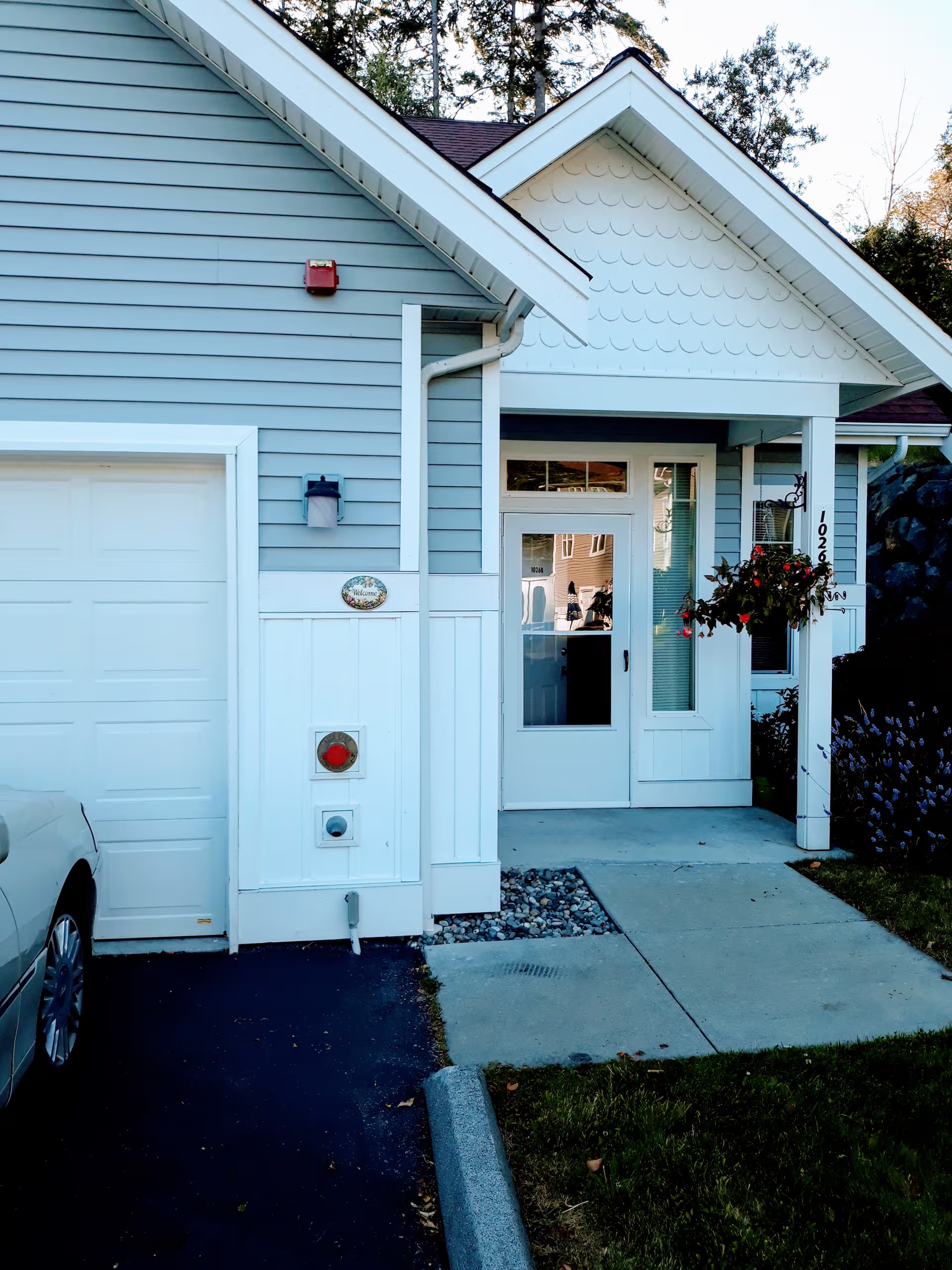
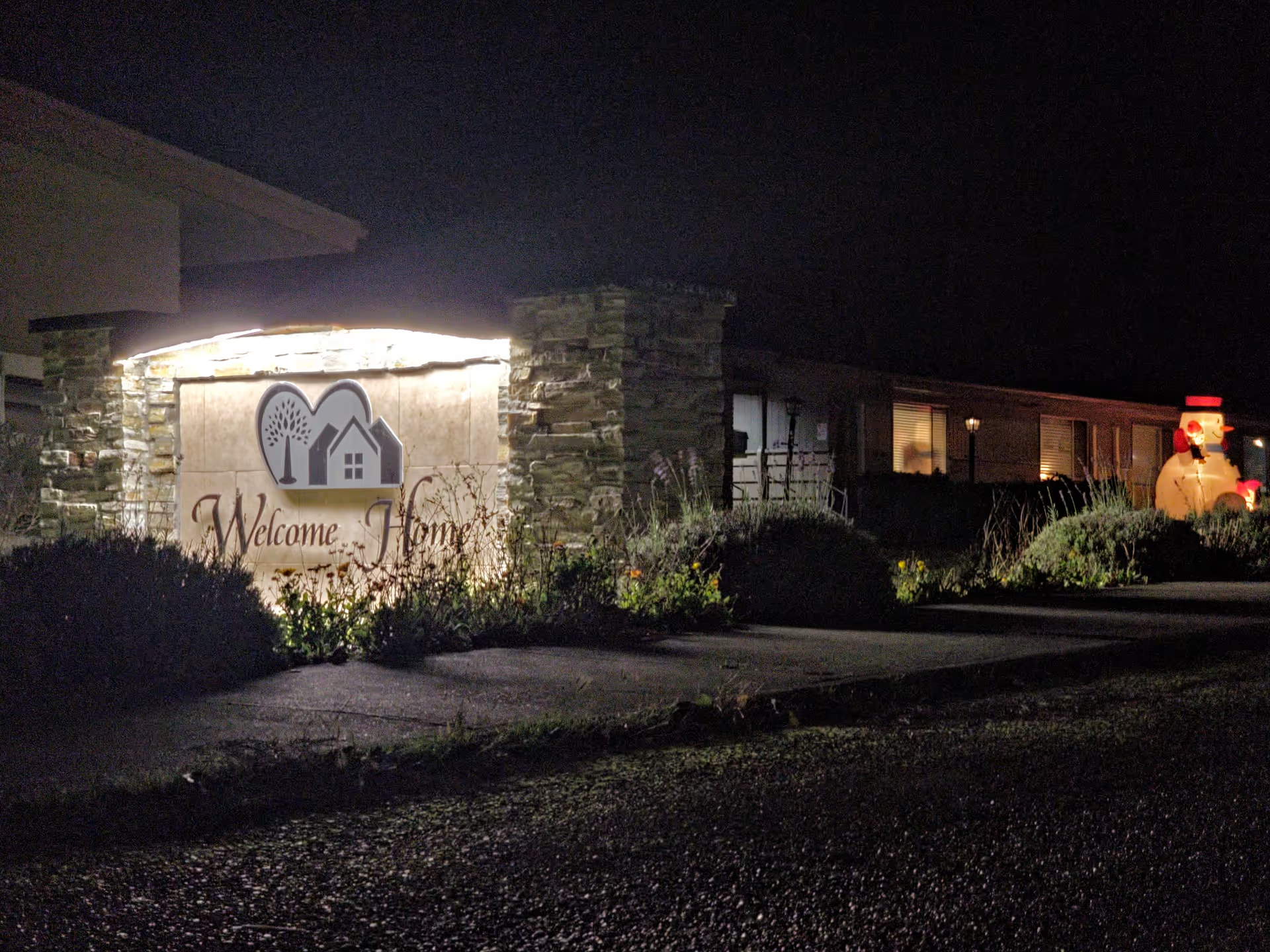
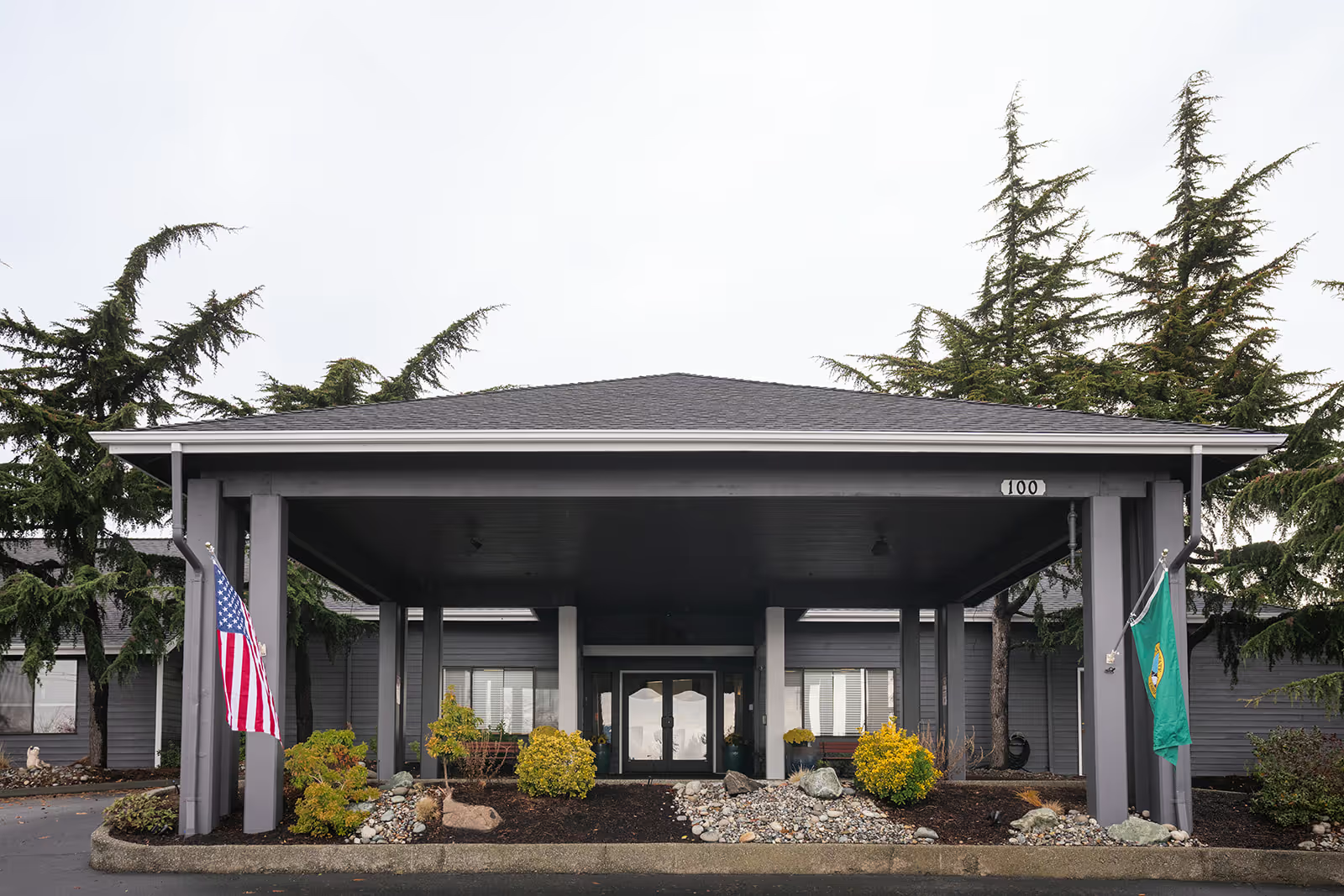
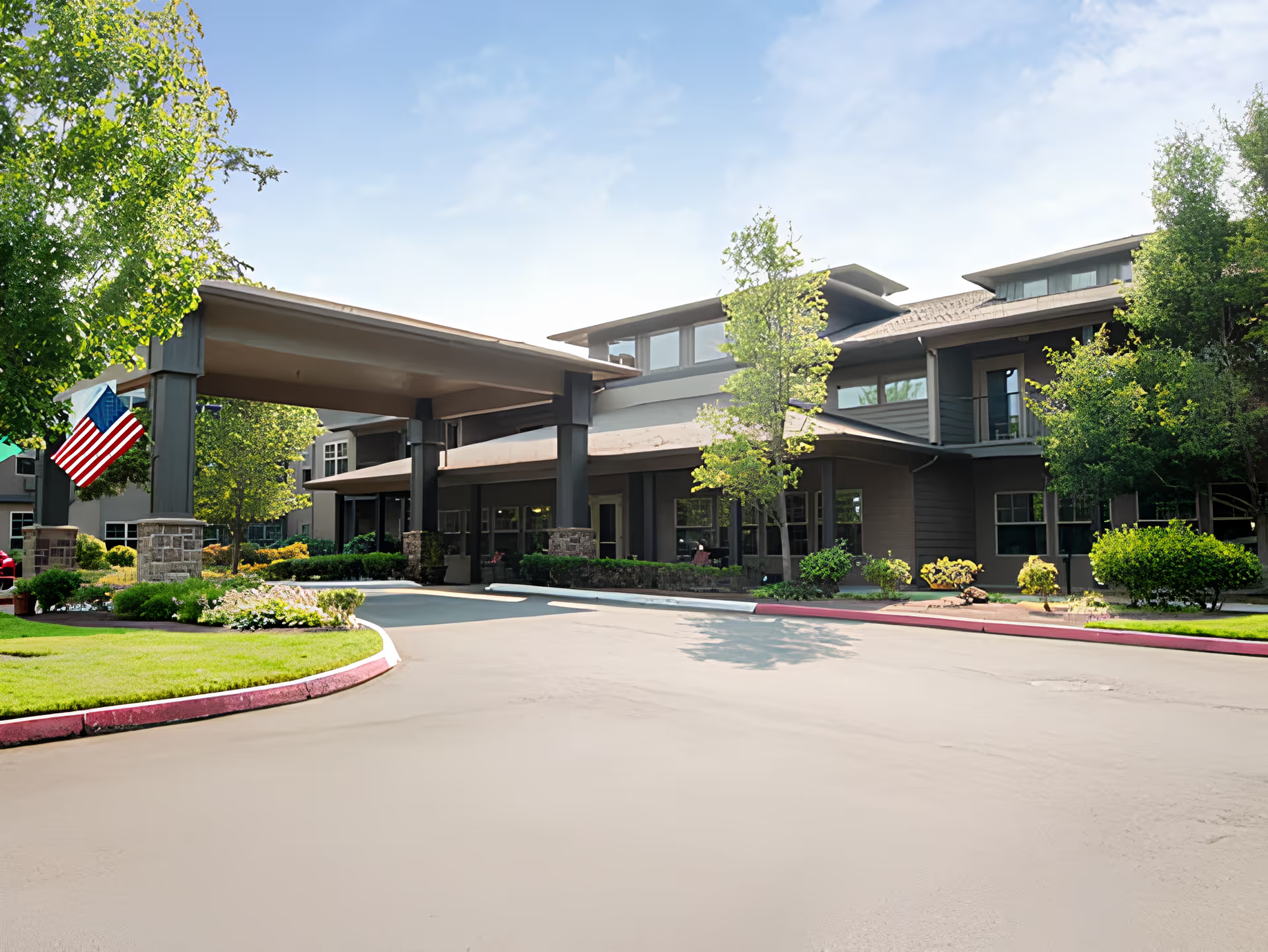
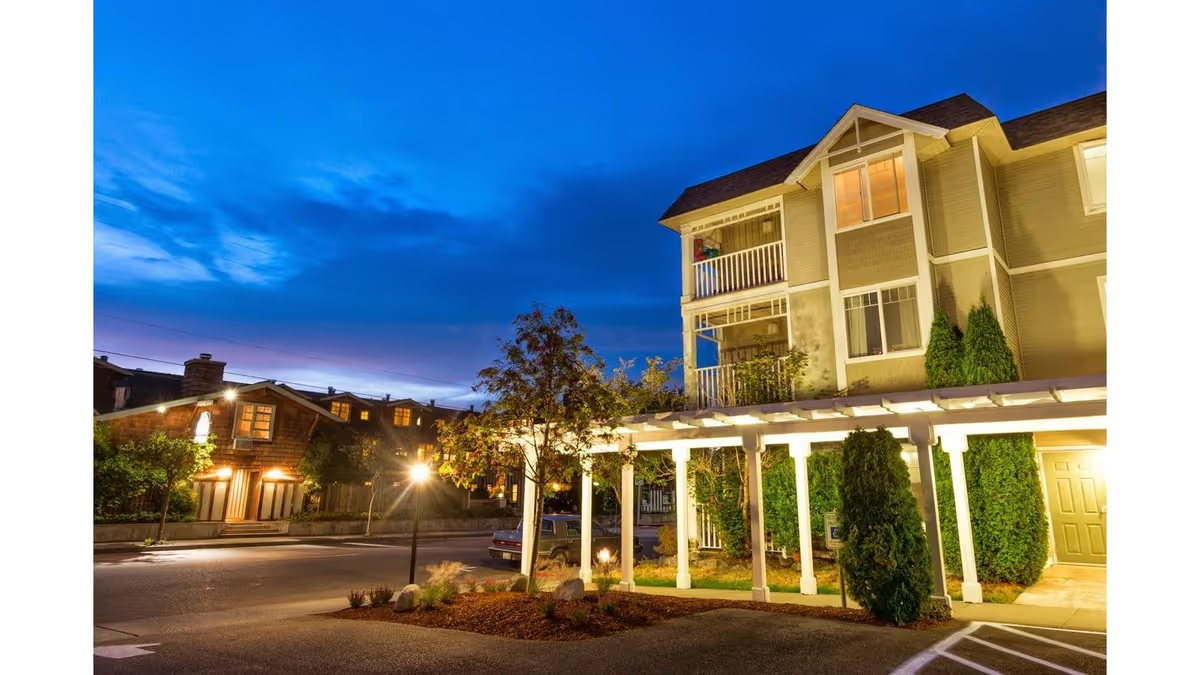
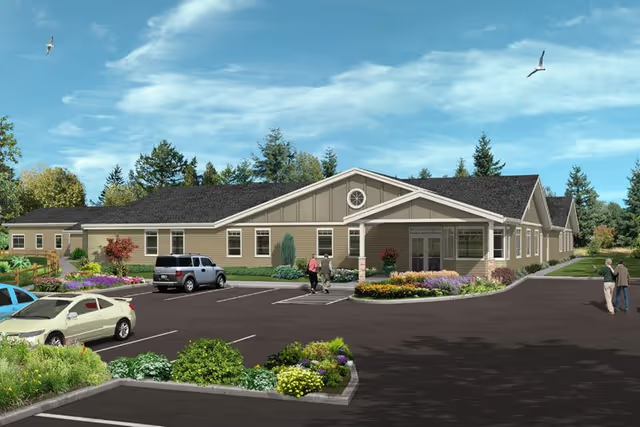
Angells on Whidbey is described consistently as a small, family-run residential care home emphasizing personalized attention and a home-like atmosphere. Reviewers highlight a low resident census (six-patient maximum), which supports individualized care plans and frequent direct interaction with staff. Cleanliness and a comfortable suburban setting are repeated positives, suggesting a well-maintained physical environment suited to families seeking a residential alternative to larger facilities.
Care quality is portrayed as attentive and personalized: staff are characterized as compassionate and caring, and the owner is described as involved and supportive. Families note clear communication about health status, indicating an emphasis on keeping relatives informed. The combination of small scale and owner involvement appears to create a close staff–resident relationship and a consistent approach to personal care tasks.
Dining and activities are not described in detail in the available summaries; however, the small, home-like model implies meals and social programming are likely family-style and tailored rather than extensive or highly varied. Prospective families should expect modest, personalized activity offerings and home-prepared meals, and verify specifics if a wider range of recreational or specialized therapeutic programs is required.
Facilities are presented as clean and comfortable, with a suburban, residential location that may appeal to those seeking a quieter setting. Management is characterized as well run and hands-on, with family ownership contributing to continuity and direct oversight. That structure can benefit communication and consistency of care but can also create single points of operational reliance.
Notable patterns: strong, repeated praise for staff compassion, personalized attention, and clear communication; emphasis on small size and family ownership. Potential limitations associated with this model include limited capacity, fewer on-site clinical or specialized services compared with larger licensed facilities, and a narrower scope of activity and dining options. Families should weigh the advantages of close, individualized care against these operational constraints and confirm clinical capabilities, staffing patterns (including overnight coverage), and program details during a visit.