The reviews for this facility present a mixed overall picture: many reviewers praise the facility's clean, modern environment and the kindness or skill of particular staff members, while others describe operational inconsistencies that have clinical and quality-of-life implications. Strengths that recur across reviews include an engaged therapy team, helpful daytime nursing staff, a well-kept physical plant, and amenities such as laundry service and in-room televisions. These features make the facility attractive for short-term rehabilitation and, for some families, long-term placement.
Care quality and staffing present the clearest pattern of variability. Several reviewers described compassionate, attentive CNAs, nurses who called families with updates, and physical therapists who produced good outcomes. At the same time, a notable pattern of inconsistent staff coverage—especially at night—was reported, along with delayed responses to call buttons and long wait times for assistance. Those operational weaknesses are associated in some accounts with lapses in supervision and inconsistent adherence to care notes, raising concerns about the reliability of everyday care delivery and oversight.
Clinical concerns include reports of gaps in wound and skin-integrity management, and concerns about nutrition and hydration monitoring. Reviewers described inconsistent attention to skin care and wound treatment orders, and variability in how staff handled dietary and hydration needs. These items point to potential weaknesses in clinical protocols, documentation, and follow-up rather than uniformly poor practice across all shifts or units.
Dining and nutrition receive mixed evaluations. The facility is noted as having inconsistent meal quality and unreliable temperature control; reviewers described meals arriving cold or otherwise not palatable, while others said food quality improved after complaints. Nutrition management more broadly—meal adequacy, monitoring of intake, and coordination with clinical staff—was frequently raised as an area for greater consistency.
Therapy services are a relative strength in many accounts: an effective physical-therapy team and helpful therapists were specifically praised and recommended for rehabilitation stays. However, therapy scheduling and delivery were described as inconsistent in some cases, with promised sessions not always provided and variability in assistance during functional tasks (for example, showering or transfer practice).
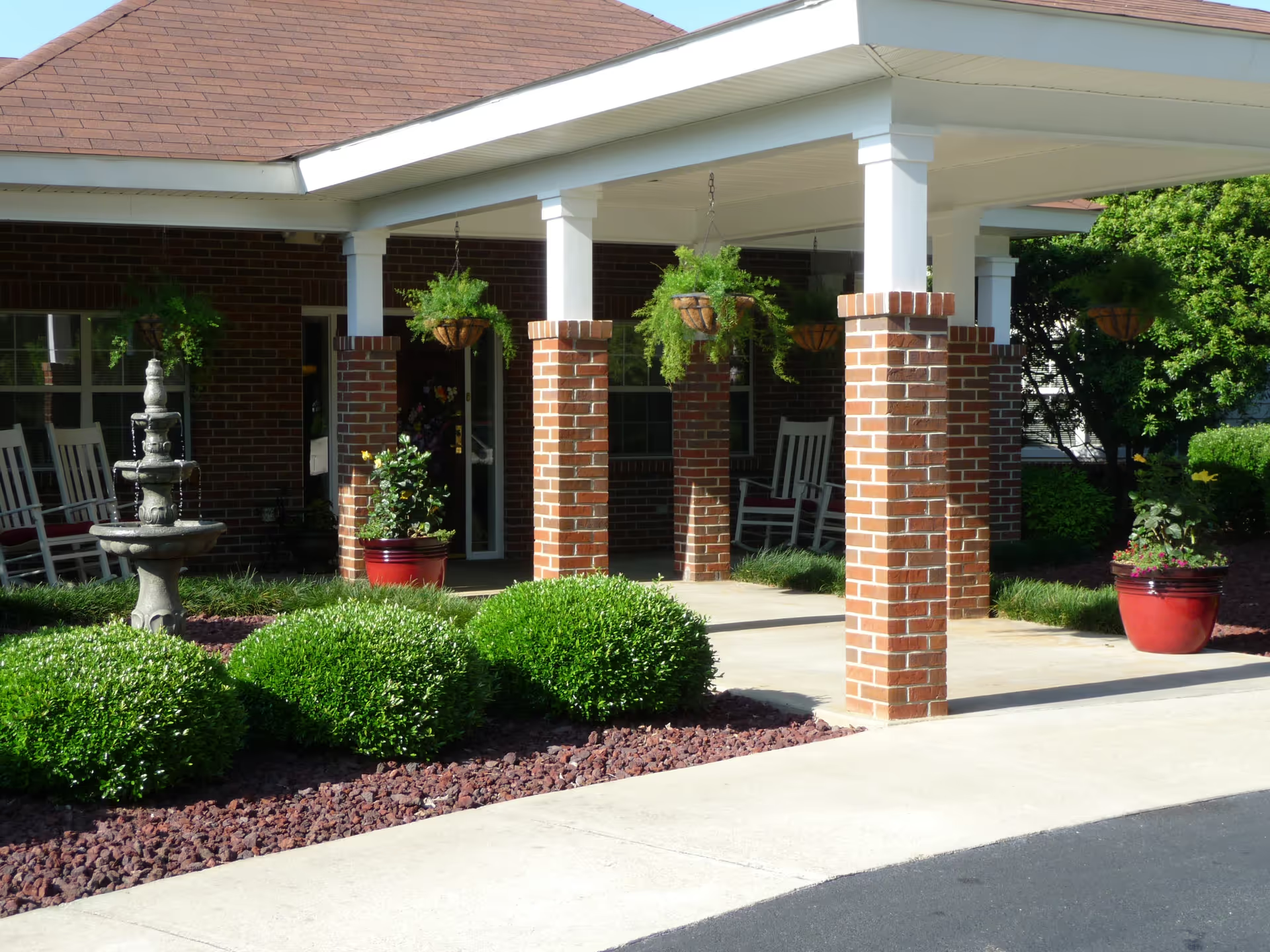
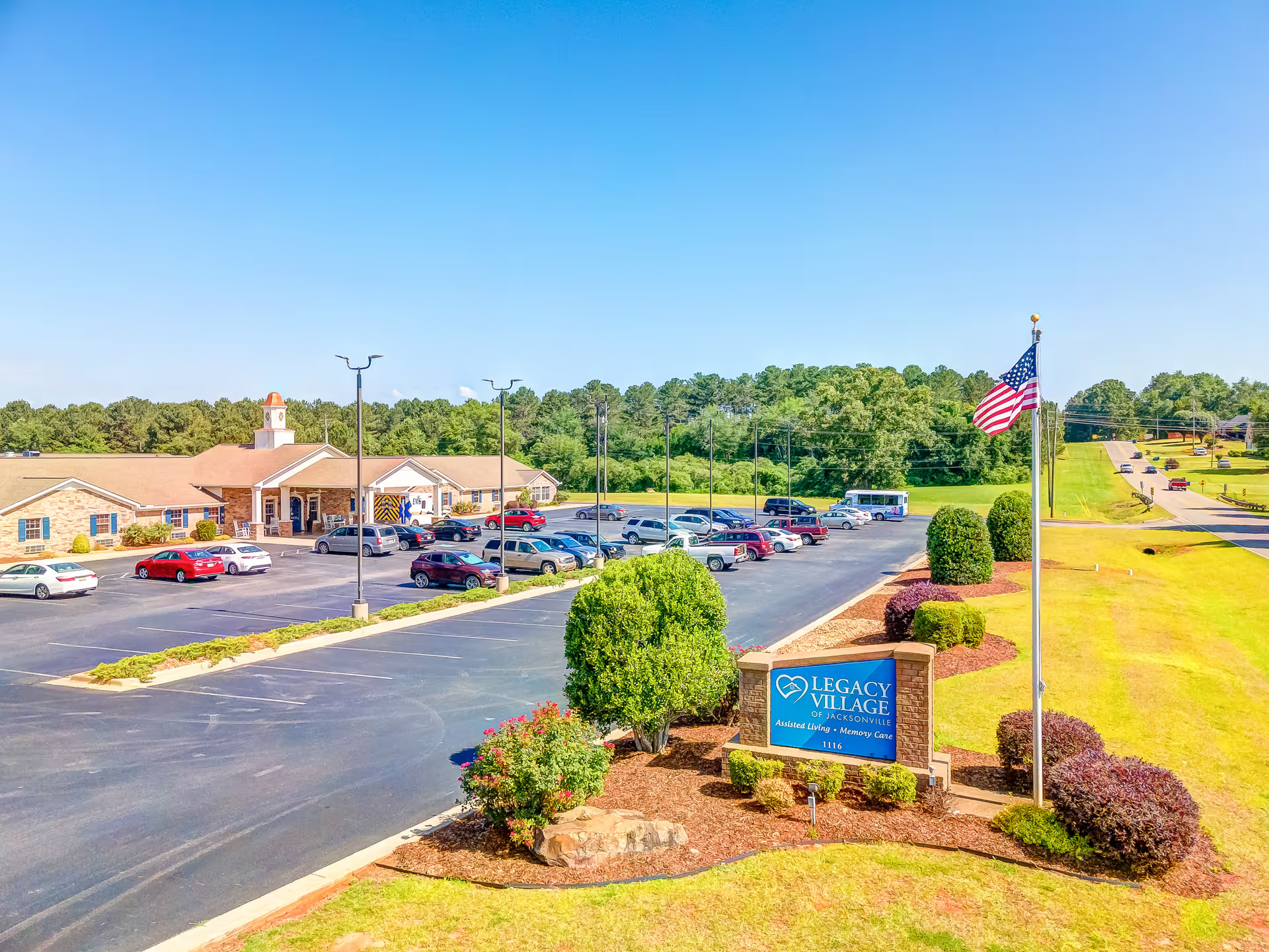
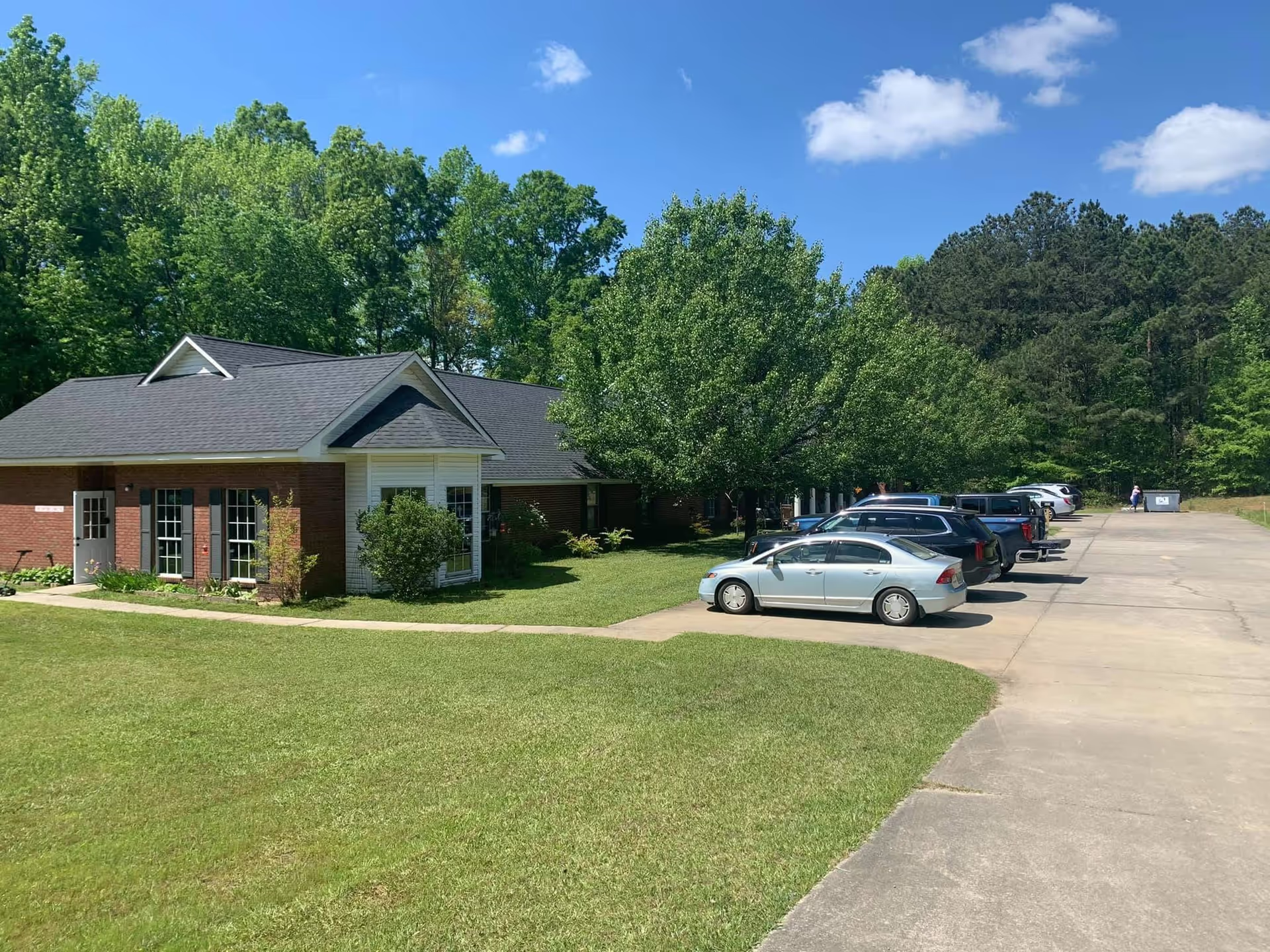
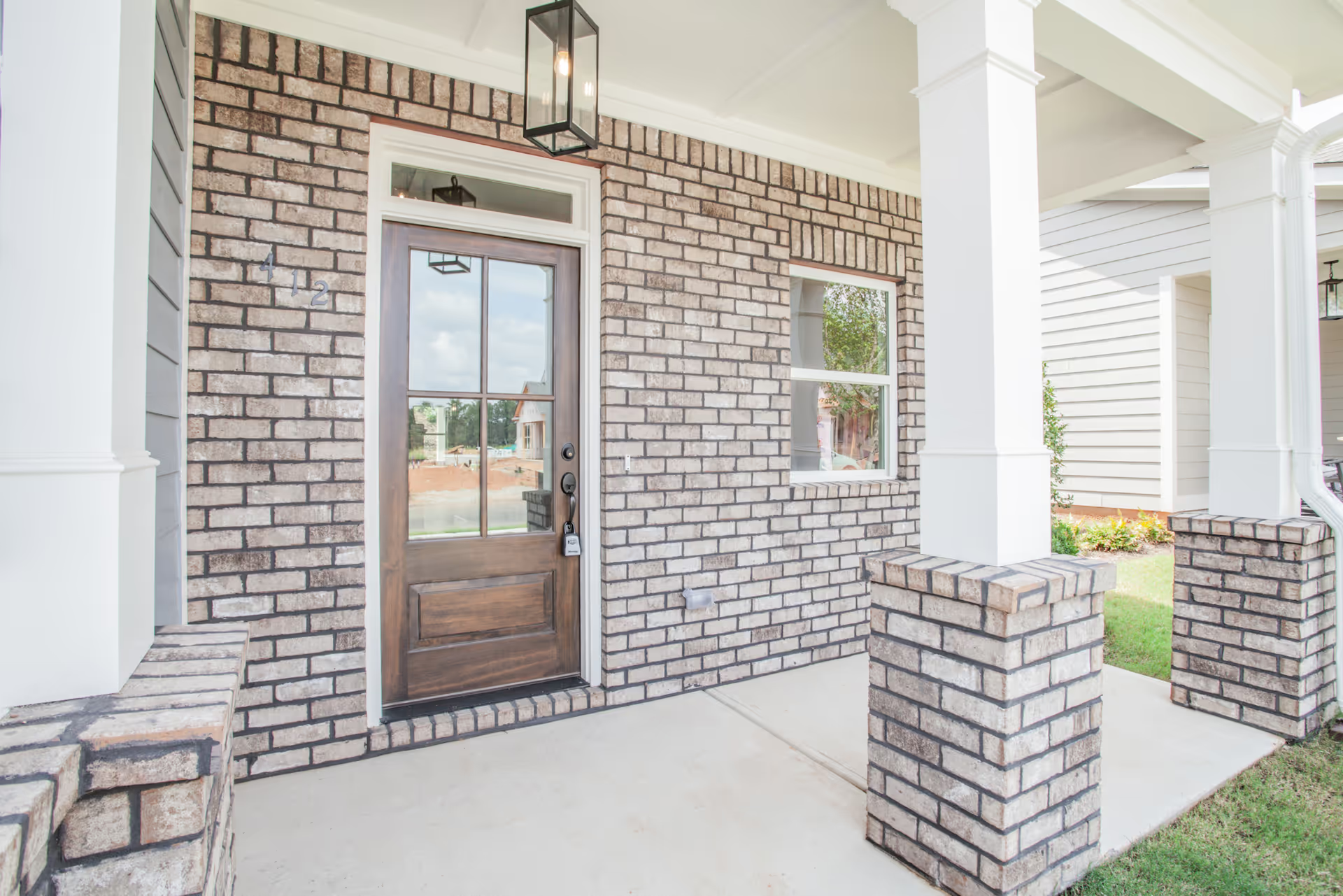
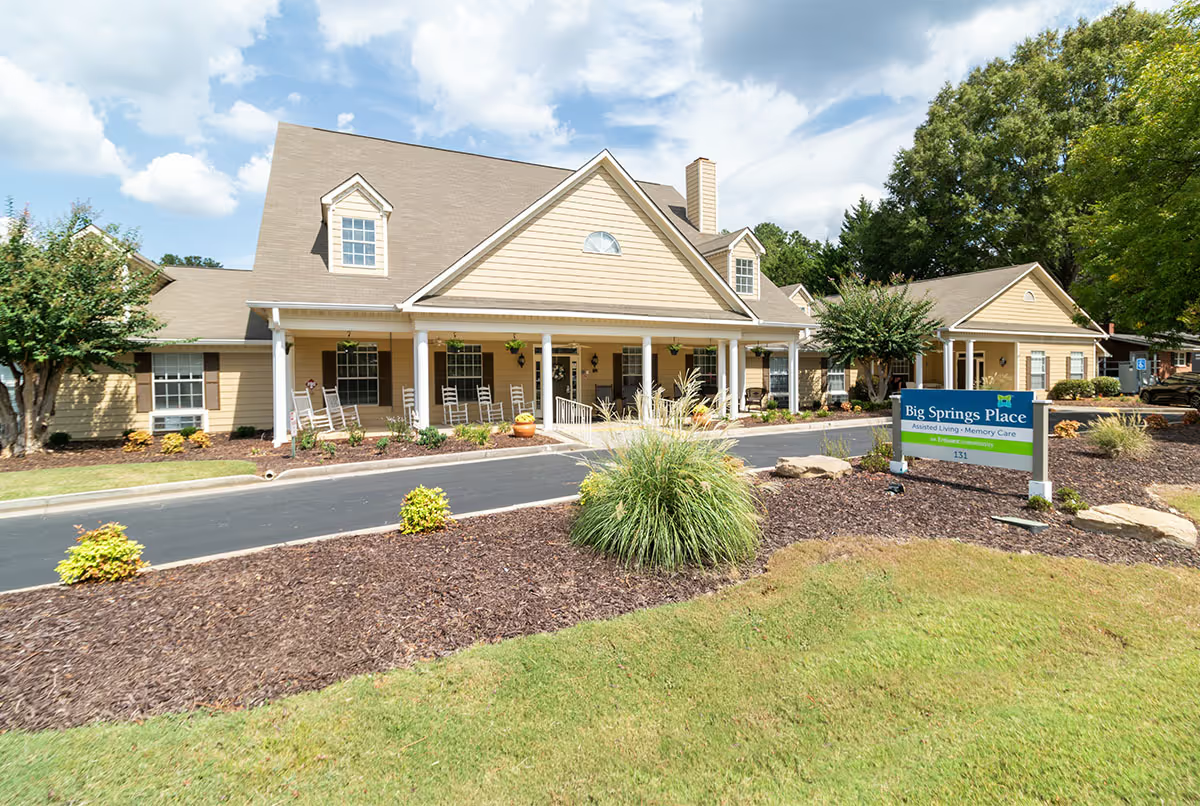
Facility, housekeeping, and amenities are generally described positively: the building is often called clean, new, and well-maintained, with spacious rooms and communal spaces. That said, there are recurrent operational issues such as lost clothing or lapses in laundry tracking and occasional concerns about how personal items are managed.
Management, communication, and family experience show divergence across reviewers. Some families reported regular clinical updates from nurses and accommodating visitation, while others reported poor communication, billing or insurance difficulties, visiting restrictions, and limited transparency after incidents. Several reviews raised concerns about supervisory practices and the facility’s response to adverse events, which indicates room for improvement in incident reporting, family outreach, and administrative follow-through.
Safety and resident engagement are additional areas of mixed feedback. Reports include safety-process weaknesses related to transfers and fall prevention, and a perception of limited meaningful activities or social engagement for some residents. Conversely, families who experienced strong staff engagement described a family-like environment and supportive routine care.
For prospective residents and families: the facility shows definite strengths in therapy services, cleanliness, and in many cases compassionate staff; however, variability in staffing, responsiveness, clinical follow-through (wound care, hydration/nutrition), and communication are recurring themes. When evaluating this facility in person, consider asking about overnight staffing ratios and turnover, average call-bell response times, wound-care and skin-integrity protocols, meal-temperature controls and nutrition monitoring, therapy scheduling guarantees, laundry and personal-item tracking procedures, incident-reporting practices, and how the facility communicates with families after clinical events. These targeted questions can help assess whether the facility’s operational practices align with your priorities for safety and day-to-day care.