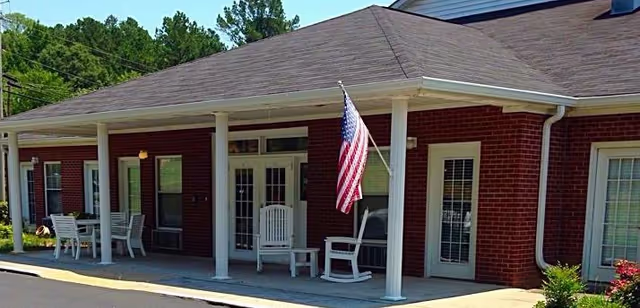
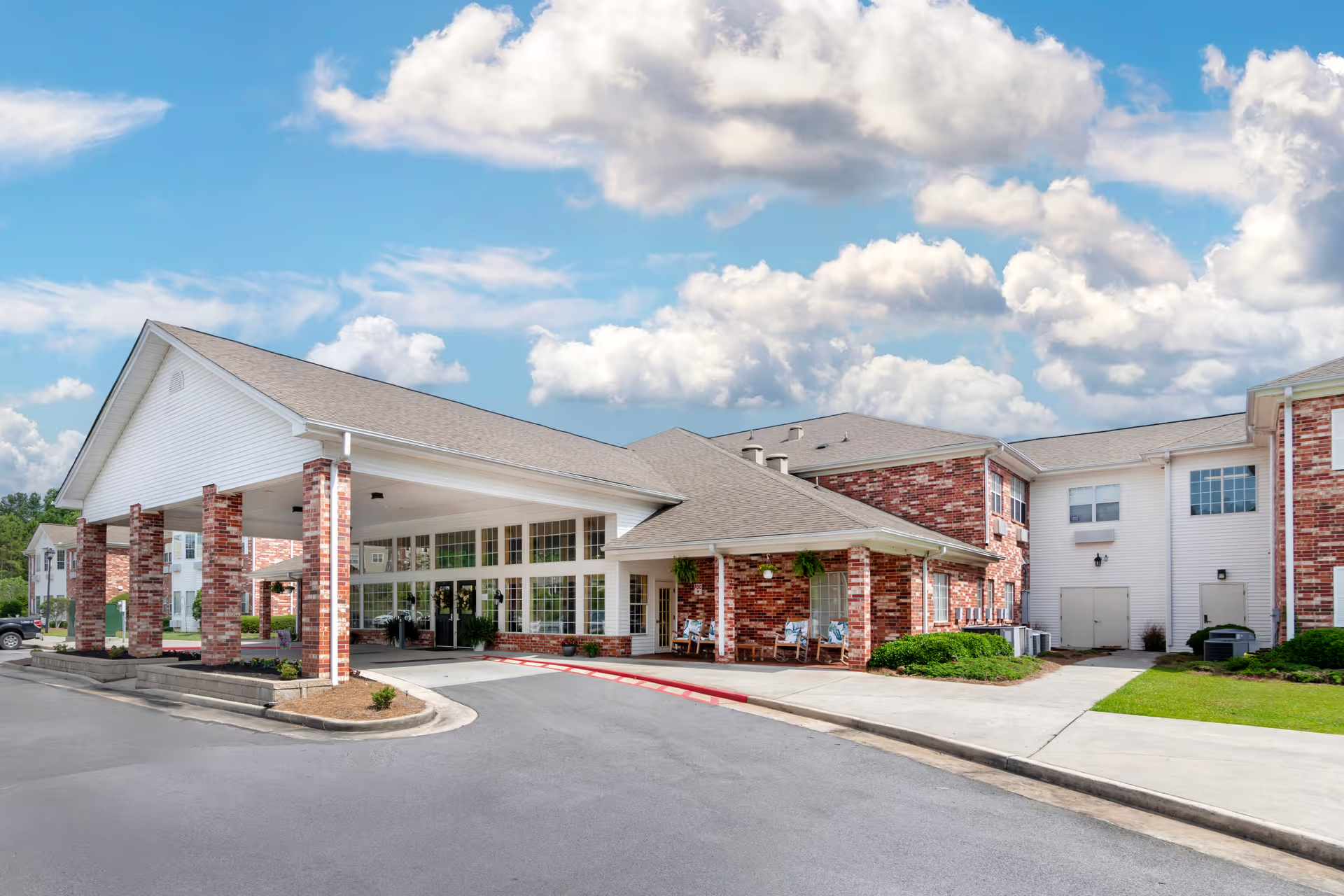
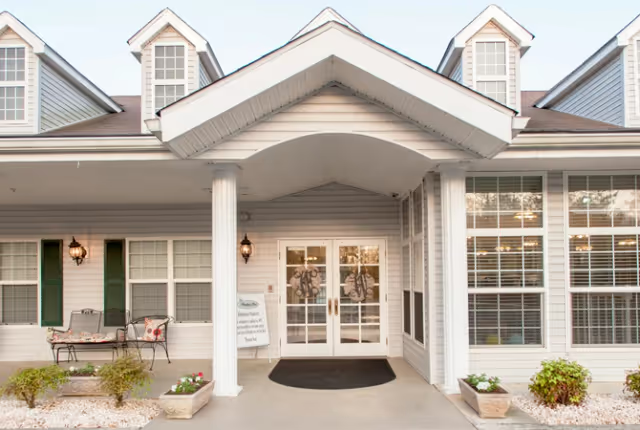
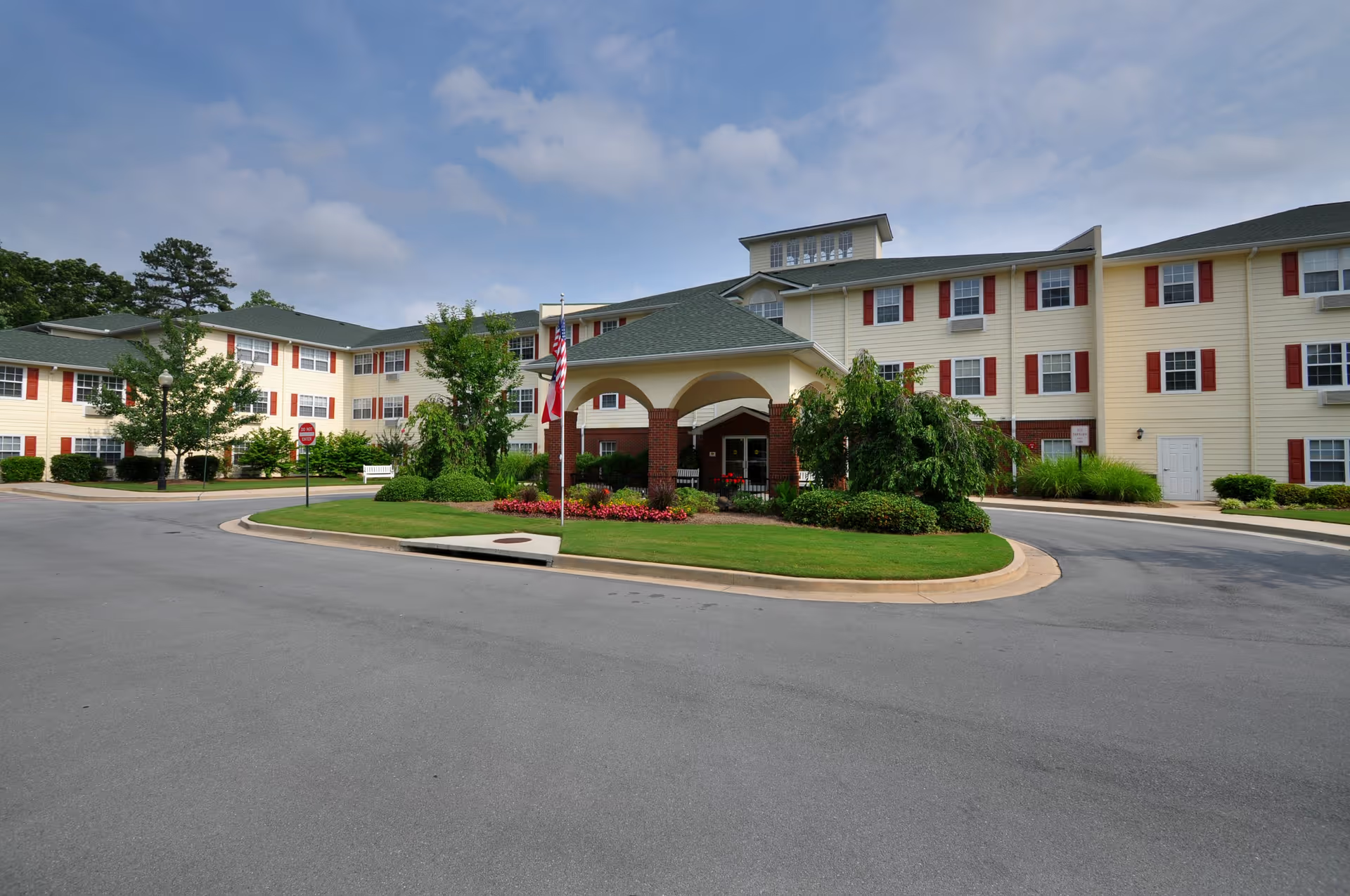
Big Springs Village Assisted Living and Memory Care presents as a small, well-kept community with a clearly home-like scale. Families and visitors consistently describe the facility as clean, recently renovated or in the process of upgrades, and pleasant both inside and on the grounds. The community’s affiliation with a sister campus and a nearby location are noted advantages for families seeking local placement.
Care quality and staff performance are the strongest themes. Reviewers emphasize friendly, compassionate employees and a knowledgeable nursing and caregiving team. Several comments describe active nursing oversight, regular checks, and responsive attention to resident needs, which families say has helped socialization and overall wellbeing. The community also receives positive mention for hospice support and for having an in-house therapy team to assist mobility and rehabilitation goals. Communication from the care team and management is routinely described as clear and reassuring, including helpful photo updates and pacing during pandemic-era challenges.
Dining and programming receive generally favorable but mixed remarks. The dining area is described as pleasant and meal quality is characterized as acceptable; a number of families expressed no major complaints. Activities and social programming are frequently cited as engaging and beneficial to residents’ social lives, though activity levels appear to vary by unit: some accounts describe lots of activities and strong socialization, while others note limited programming in certain areas, particularly in the memory-care unit where requests for additional snack opportunities were raised.
Operational and facility-level limitations appear consistently enough to note. Cost and billing transparency are a concern: families reported price increases and at least one uncommunicated furniture requirement, suggesting the need for clearer admissions and billing communication. Staffing consistency is another operational theme—while many praise staff quality, some reports indicate understaffing or inconsistent coverage that affects activity frequency and daily support in parts of the community. Memory-care capacity and programming are limited for some needs, and a few families found the community not a fit for higher-acuity memory-care requirements. Additional practical infrastructure gaps were mentioned, including compact apartment sizes for those wanting more space, ongoing renovation-related disruption, and the absence of some amenities in resident rooms (for example, call-bell access and snack availability in memory care).
Overall, Big Springs Village will likely appeal to families seeking a clean, small-community environment with attentive, communicative staff and on-site therapy and hospice supports. Prospective residents and decision-makers should weigh the strong interpersonal and clinical supports against operational considerations such as pricing transparency, staffing consistency, memory-care fit, room size, and the potential for intermittent disruption during renovations. A detailed tour with specific questions about billing, staffing ratios for the desired unit, memory-care programming, room measurements, and call-bell infrastructure is advisable before placement.