Highlands Senior Living Rome draws frequent praise for its caregiving staff and leadership. Many accounts describe caregivers as compassionate, attentive, and willing to provide personalized help, including after-hours and during weather events. Executive leadership is frequently highlighted as knowledgeable and supportive; staff members receive repeated acknowledgment for hands-on involvement during admissions, transitions, and end-of-life care. The community projects a family-like, welcoming atmosphere that many families find reassuring.
Clinical and day-to-day care quality trends are mixed. Positive reports emphasize strong personal attention, effective rehabilitation/respite services, memory-care programming, and proactive communication when families are involved. However, reviewers also raise operational concerns that affect care continuity: inconsistent staffing levels (particularly on weekends), medication-management process gaps, and variability in clinical oversight. These operational weaknesses have been associated in some accounts with delays in responsiveness and uneven care experiences, indicating a need for stronger staffing stability and quality-monitoring systems.
Dining and activities are notable features. The facility’s kitchen and dining room are often praised for home-style meals, thoughtful presentation, and active food-service staff. At the same time, other accounts describe a decline in food quality and limited variety—particularly vegetable preparation and freshness—which the facility reportedly has attempted to address with dietitian input. Activities and outings are a consistent strength: residents participate in regular social programs, seasonal events, and off-site excursions, though engagement levels can vary for memory-care residents and some COVID-era limitations were reported earlier.
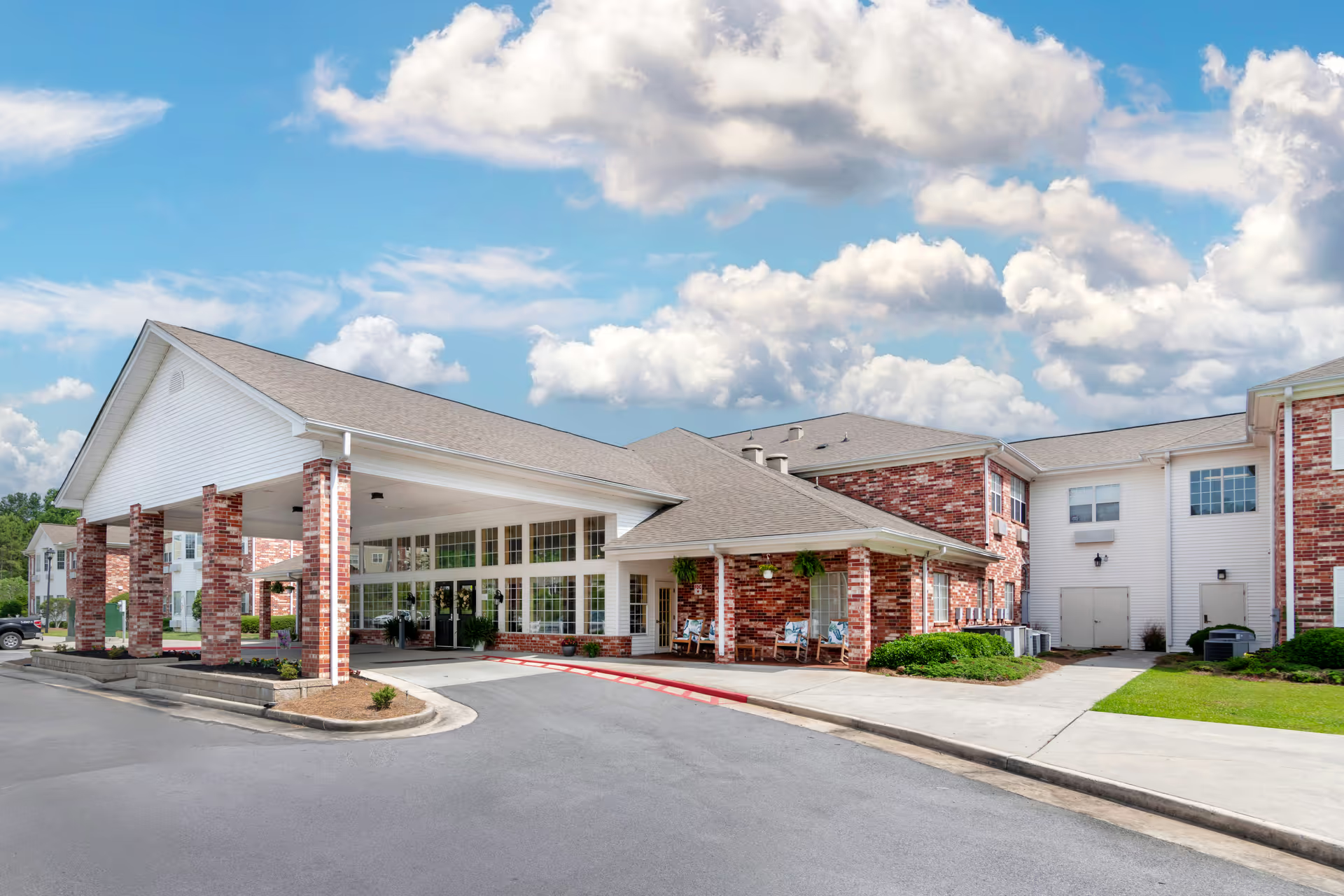
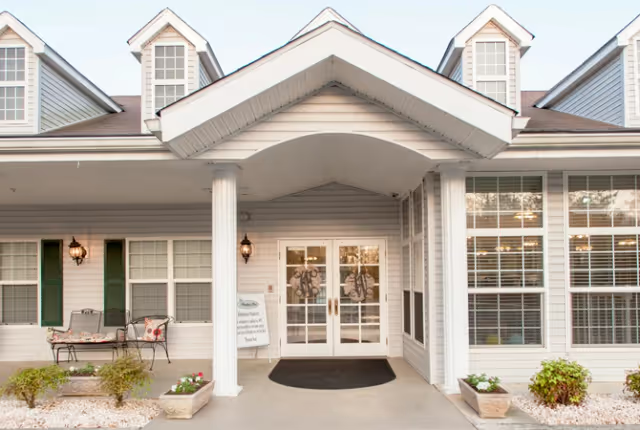
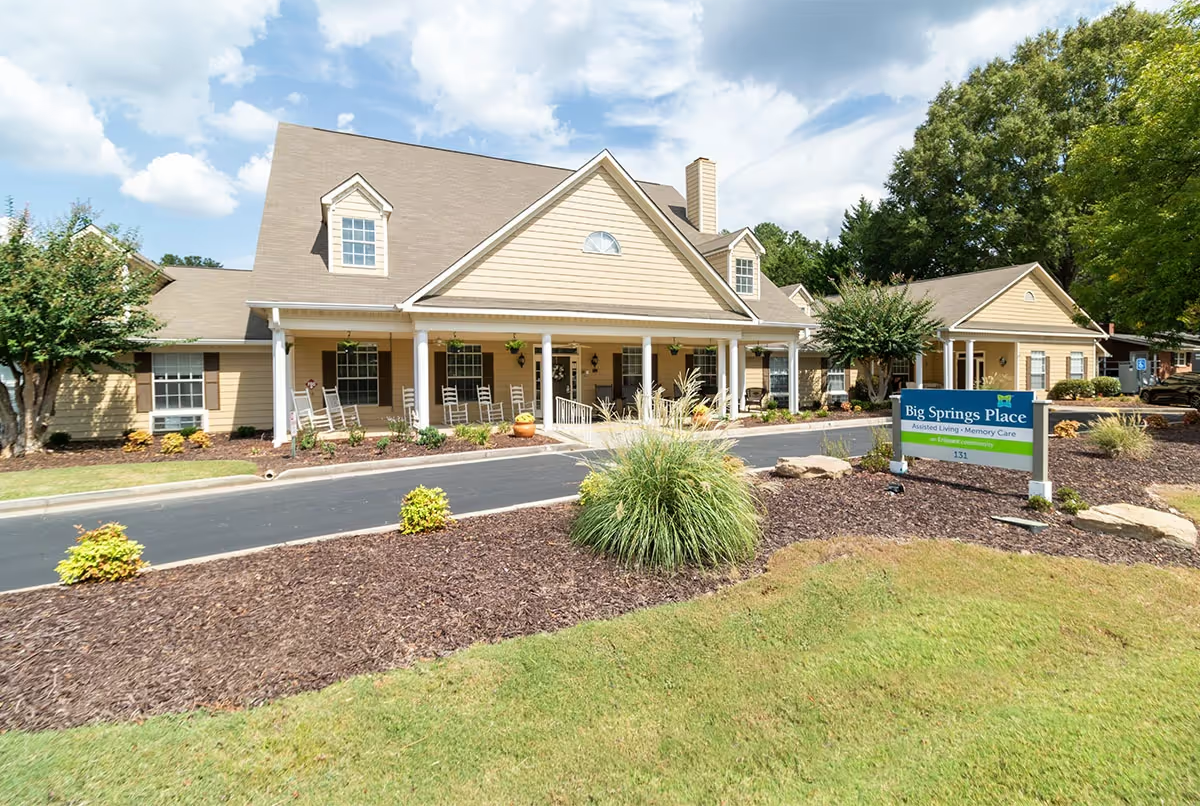
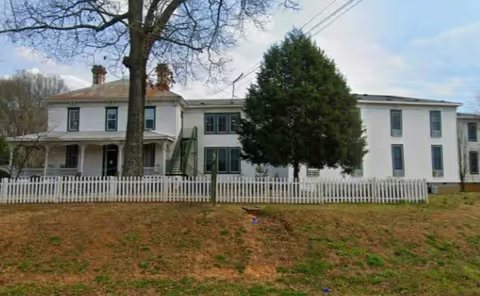
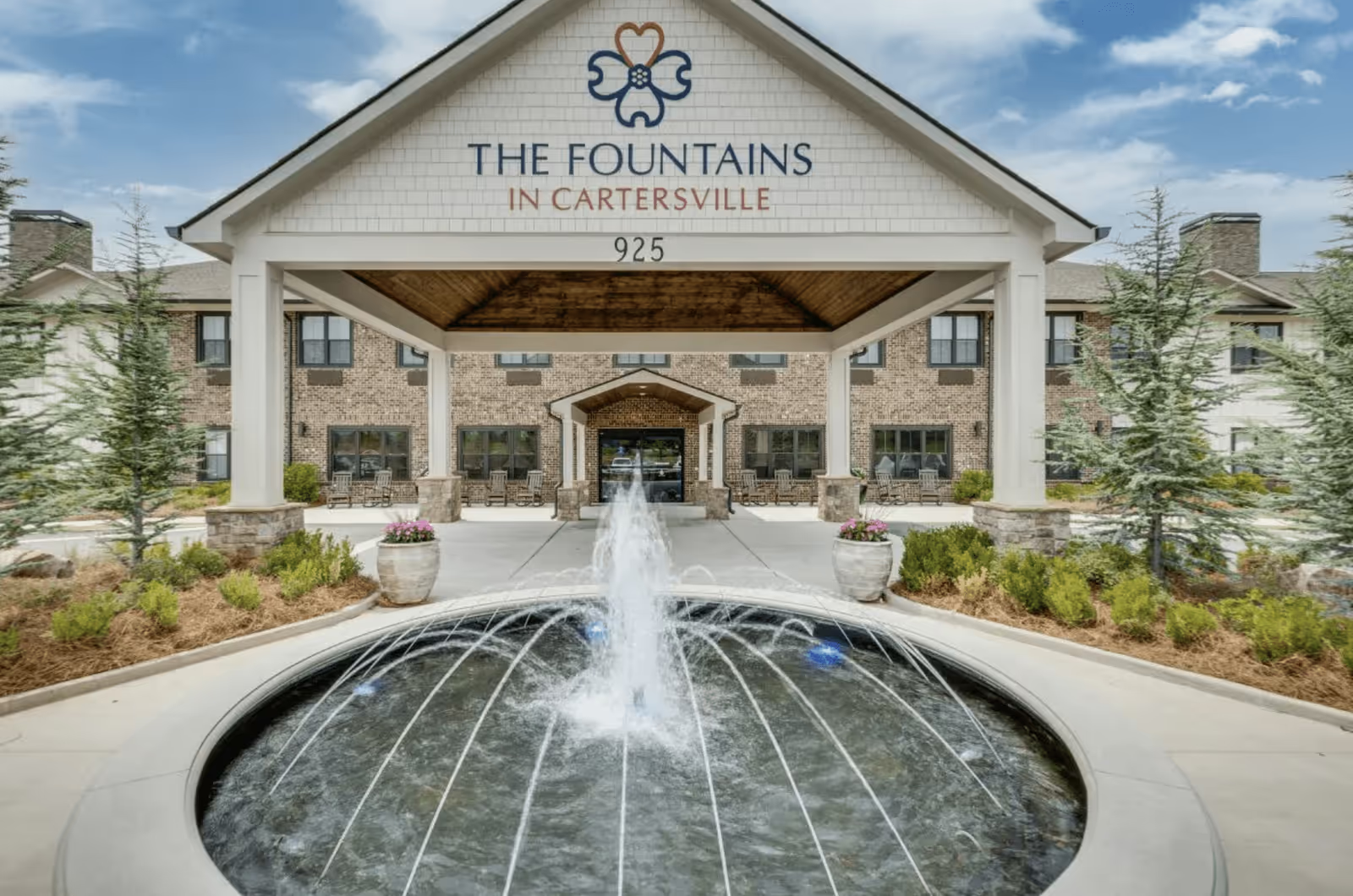
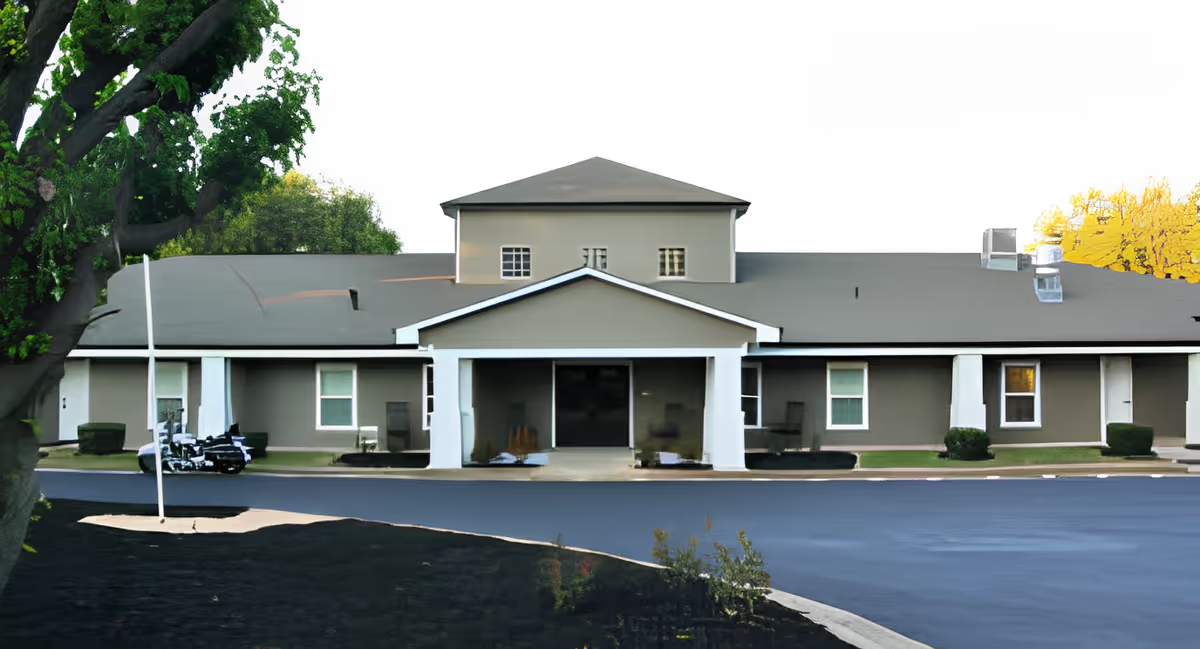
Physical plant and environment present a mix of strengths and needs. Common areas, including a large dining room, living room, courtyard with gazebo, back deck, and walkable paths, are frequently described as comfortable and well maintained. Several reviewers, however, identified room-level cleanliness variability, worn carpeting, and areas in need of renovation. Landscaping and courtyard design were repeatedly described as opportunities for improvement to make outdoor spaces more inviting. Accessibility for residents with limited mobility can require staff assistance to access outdoor areas.
Management and administration produce polarized impressions. Many families commend administrative staff for timely admissions assistance, help with VA and benefit navigation, and empathetic communication during transitions and bereavement. Conversely, others cite budget constraints, delayed refunds or billing issues, and perceptions of understaffing tied to administrative priorities. There are also isolated concerns about staff conduct supervision and workplace interactions that suggest a need for clearer supervision and staff-support mechanisms.
Notable patterns for prospective families: the facility’s strongest assets are its caregiving staff, community atmosphere, active programming, and leadership involvement. Recurrent operational weaknesses include staffing consistency, food-quality variability, room-level housekeeping consistency, medication-management controls, and some maintenance/grounds upkeep. Prospective residents and families would be well served by an in-person tour that includes a review of staffing patterns (including weekends and overnight coverage), sample menus, housekeeping and maintenance routines, medication-administration procedures, and state inspection records to align expectations with current operational performance.