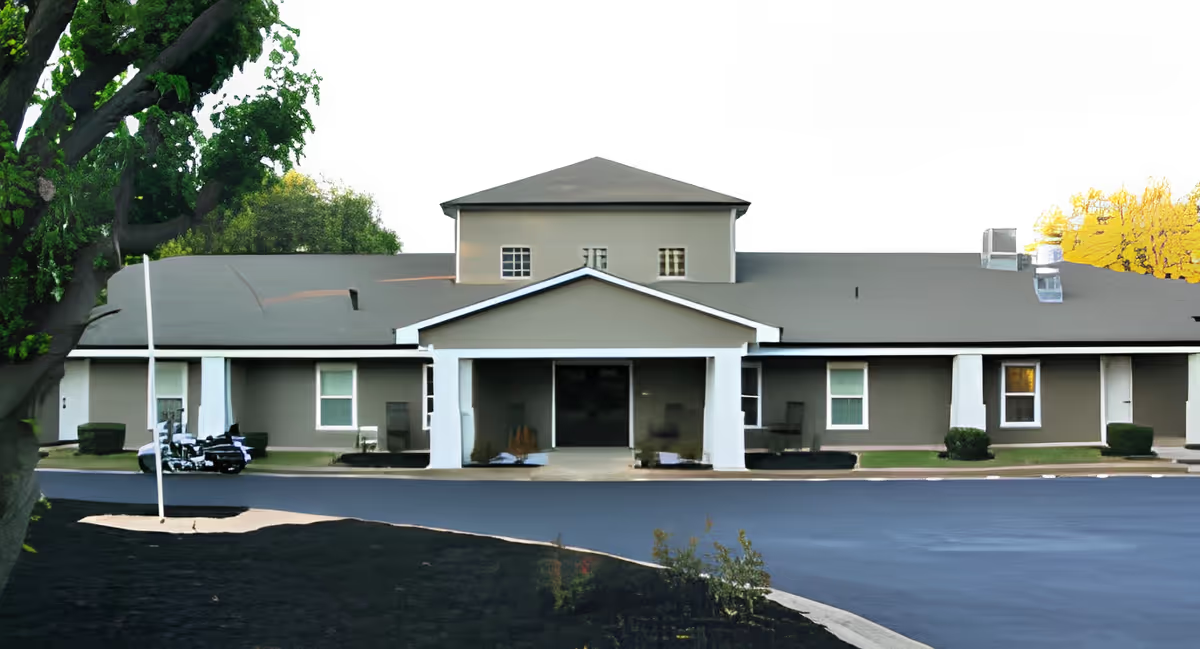
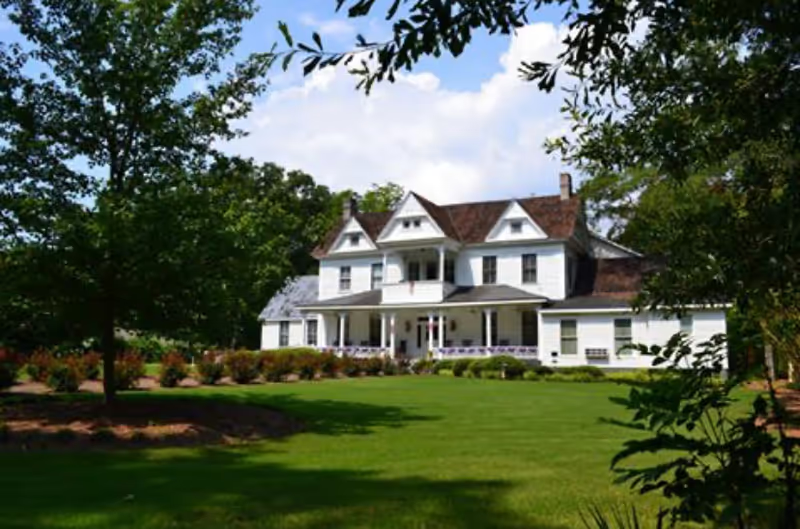
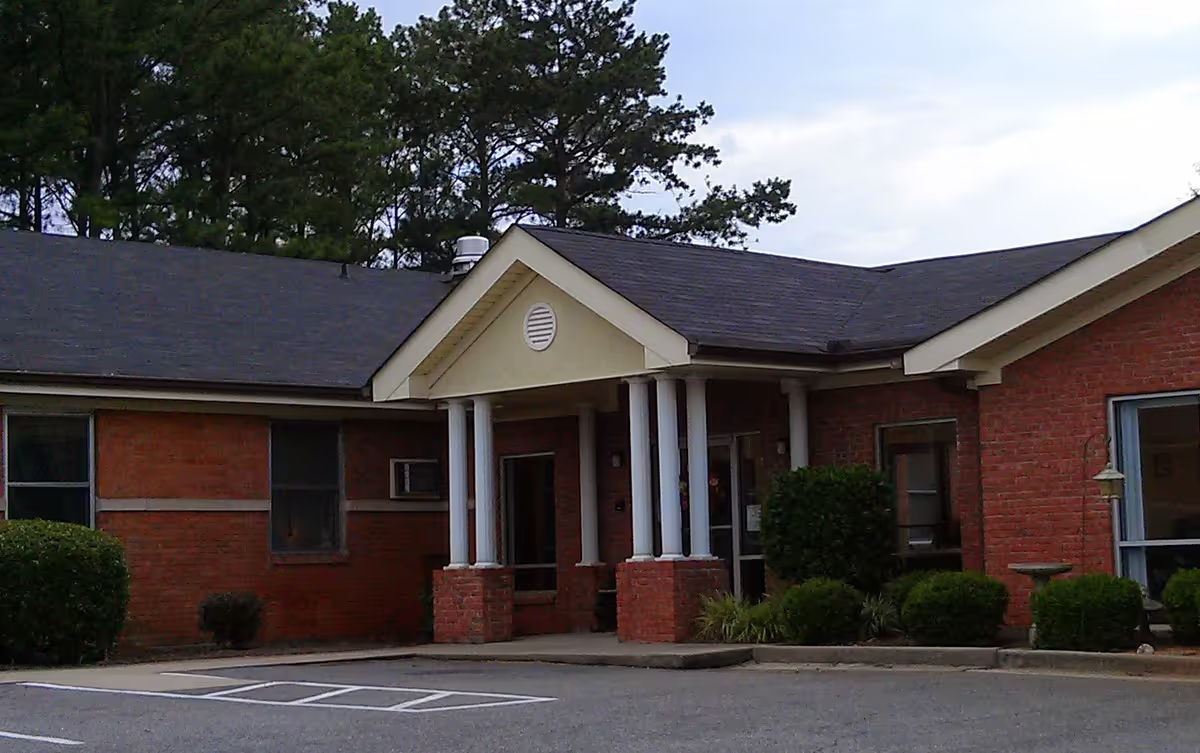
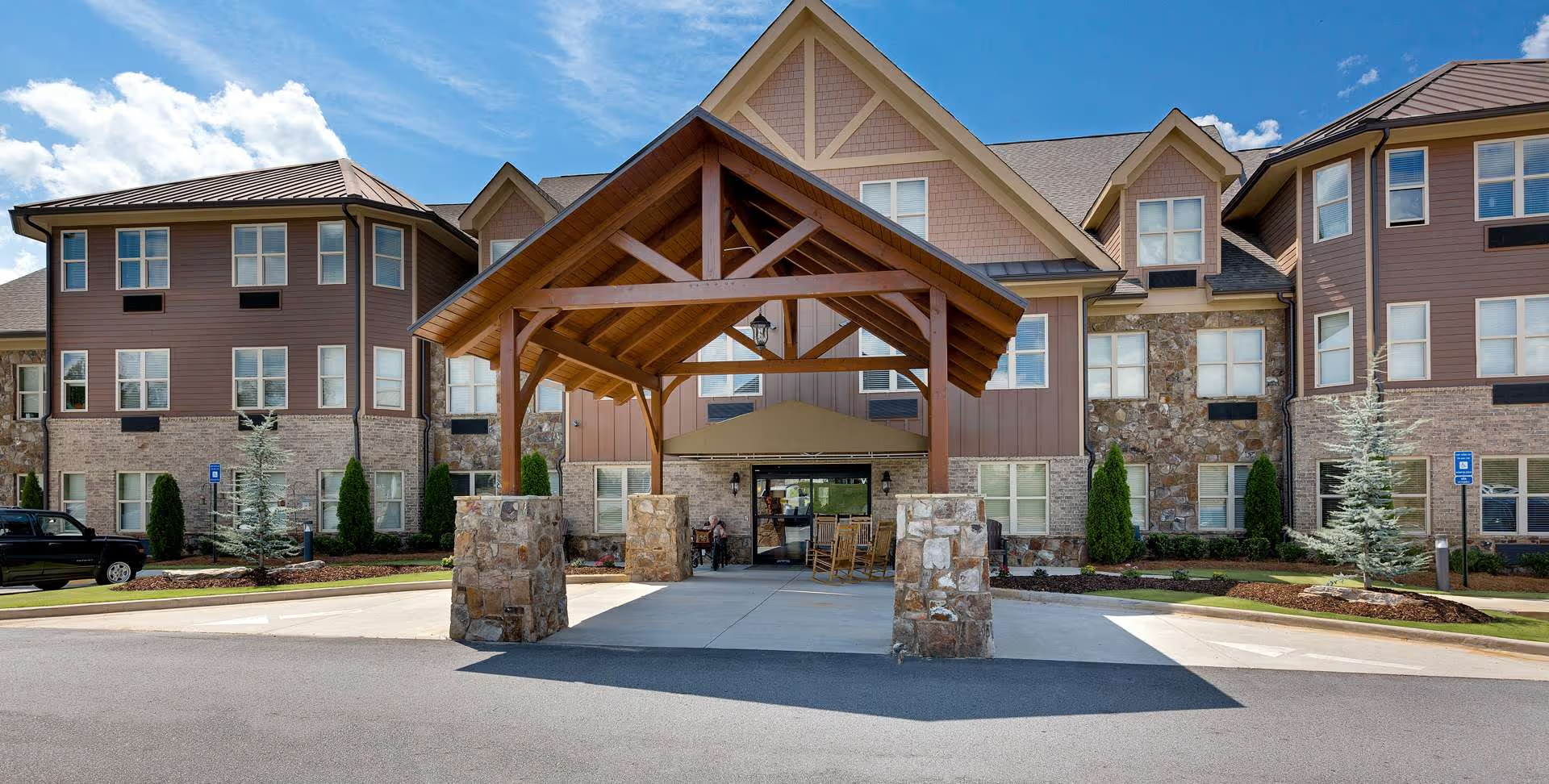
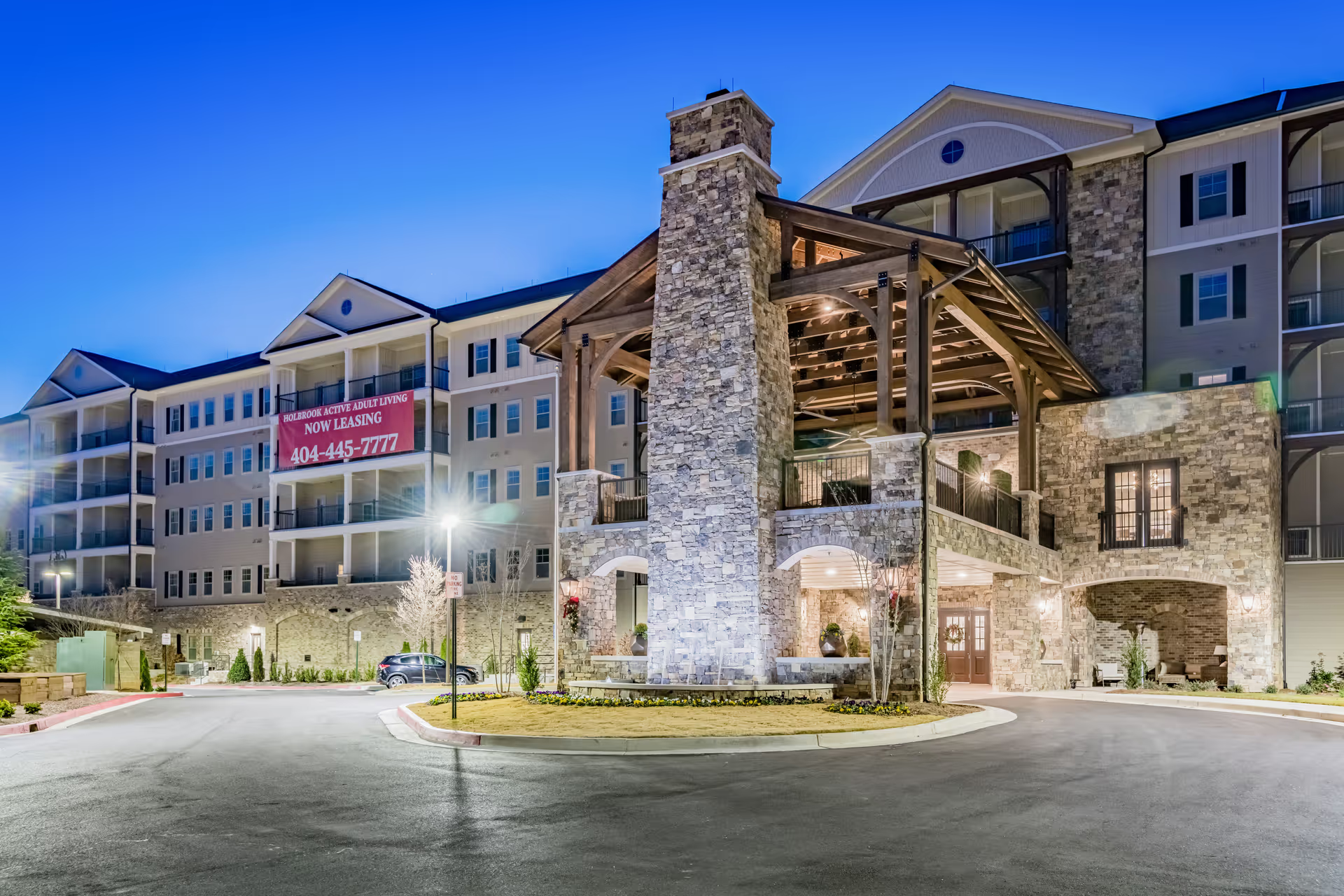
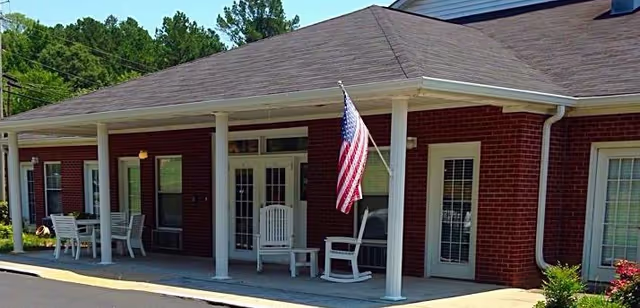
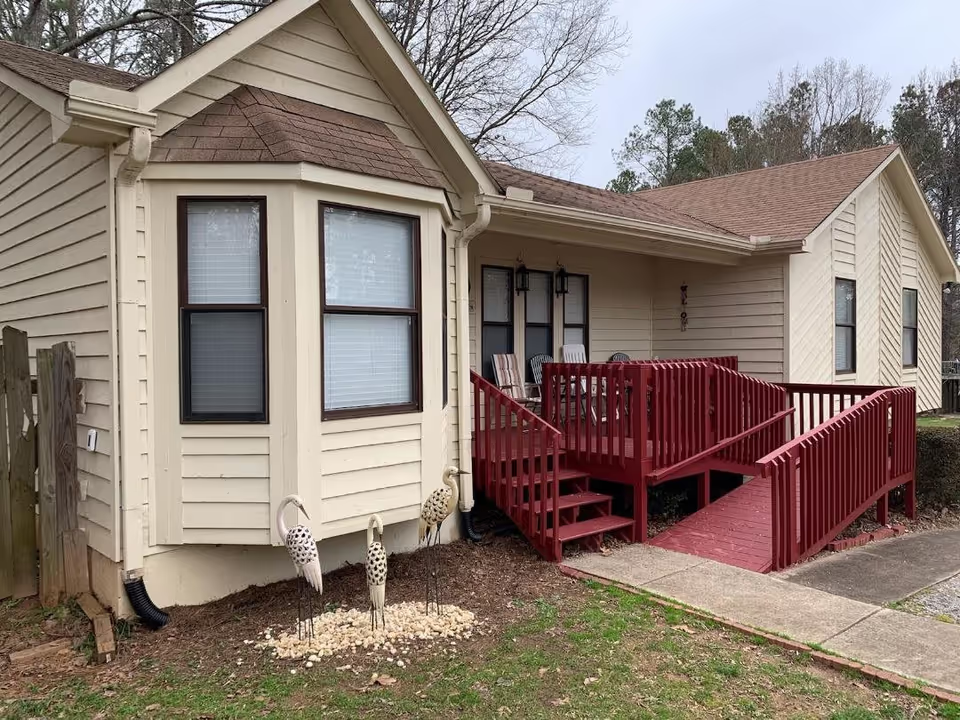
Burnt Hickory Residences presents as a small, two-story assisted living home with a pronounced family-style, farmhouse character. The physical plant combines older-home charm (high ceilings, traditional pane windows, wooden blinds, rocking chairs) with targeted updates to resident rooms and grounds. Residents and families frequently highlight the ability to personalize rooms and the presence of outdoor seating, walkways, and seasonal landscaping; additional exterior upgrades such as a fence and a walking path are noted as planned or in progress. The facility's size and layout contribute to a home-like environment and a generally favorable staff–resident ratio, which many families find comforting.
Care quality and staffing are central themes. Many reviewers praise compassionate, hands-on caregivers, long-tenured staff members, an engaged managing coordinator, and collaborative relationships with on-site physical therapy and hospice partners. These elements translate into strong interpersonal connections for many residents: staff are often described as attentive, respectful, and willing to go beyond basic duties. At the same time, recurring operational concerns include inconsistent staffing levels and difficulty locating staff at times. Several accounts point to gaps in timely incident response and family communication, and there are specific concerns about the consistency and documentation of routine resident checks. Prospective families should ask direct questions about current staffing patterns, rounding protocols, and incident-response procedures.
Dining and activities present a mixed but mostly positive picture. A number of families commend the cook and describe satisfying, country-style meals that residents enjoy; others mention variability in food quality. Activity programming appears modest: the facility supports social engagement (residents teaching classes like knitting and general group activities), but amenity space is limited — small dining and fitness rooms and a compact hairdressing area restrict programming scale. Those seeking an active, program-rich environment should clarify the weekly activity schedule and available therapeutic offerings.
The building itself reflects an older residence adapted for assisted living. Reviewers appreciate the farmhouse aesthetic and well-maintained grounds, but also note cosmetic needs (painting and ongoing upgrades). Private room availability is limited, and communal areas are small relative to larger facilities. Environmental factors include proximity to a busy railroad, which may generate intermittent noise, and some reviewers mentioned staff smoking on the premises, indicating potential policy-enforcement issues. The facility is generally viewed as affordable and good value, but the trade-offs include the building's age, smaller amenity footprint, and less robust memory-care infrastructure.
Overall, Burnt Hickory Residences may suit prospective residents who prioritize a home-like setting, close staff relationships, and affordability. It appears less suitable for individuals requiring intensive memory-care services or for families prioritizing extensive activity programming and larger amenity spaces. Before deciding, families should verify current staffing levels, memory-care capabilities, rounding/check documentation practices, private-room availability, and any noise or outdoor-access concerns to ensure the facility aligns with the resident's clinical and social needs.