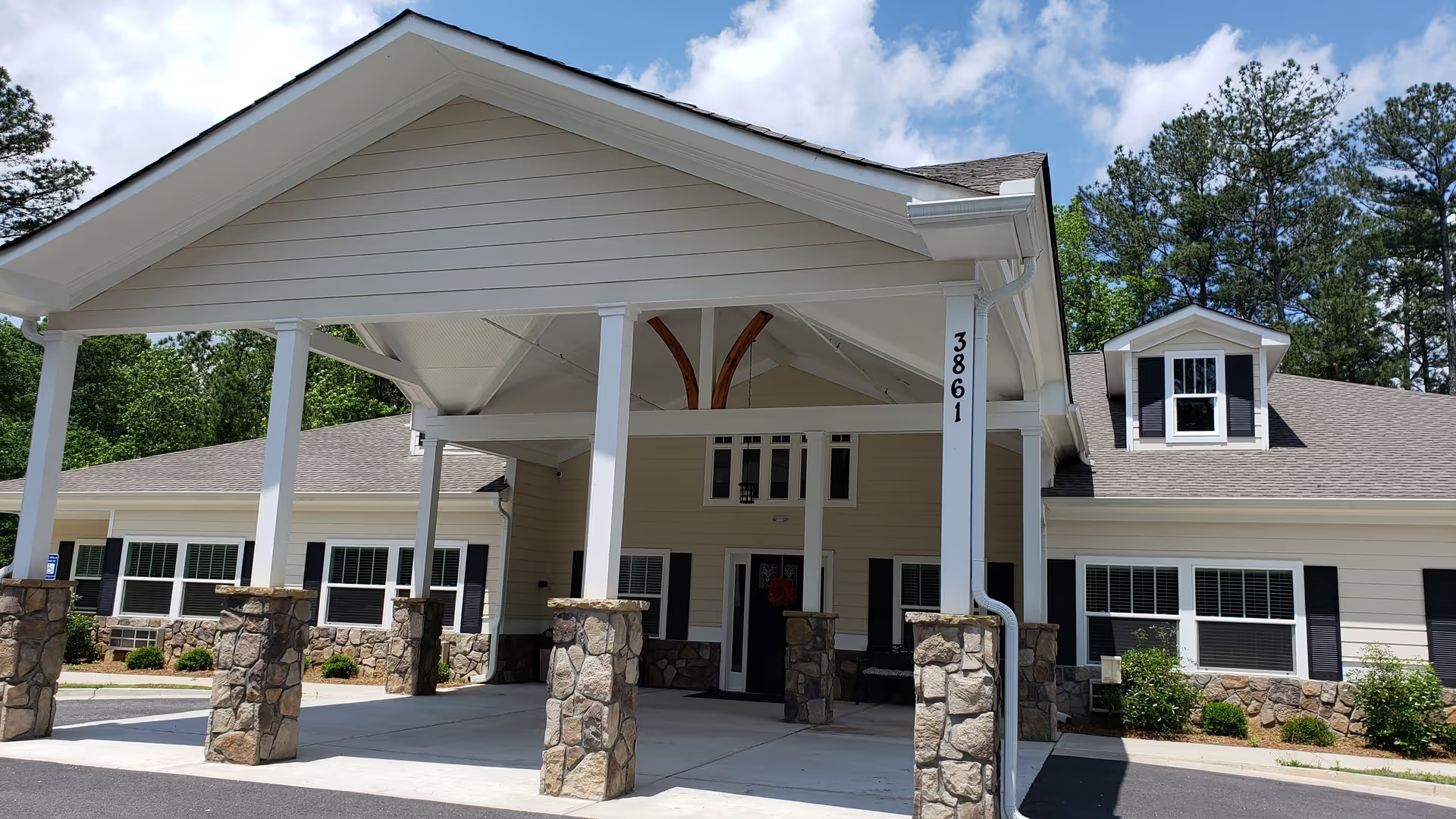
Fite Living Center is characterized in reviews as a small, historic assisted-living home with a strong emphasis on a home-like, bed-and-breakfast environment. The facility occupies a renovated Victorian house with notable architectural details, high ceilings, wood floors, and spacious rooms. Reviewers consistently described the property and grounds as well kept, clean, and inviting; common-area features noted include a wrap-around porch, fireplace, grand piano, and garden views. The facility’s size (roughly two dozen residents) contributes to its intimate atmosphere and personalized residential feel.
Care quality and staff were the most frequently cited strengths. Families and visitors describe staff as warm, respectful, and attentive; many note long-tenured employees and a management team that knows residents by name. Review narratives highlight individualized attention—examples include separate handling of personal laundry, proactive dietary adjustments, and supportive engagement that families characterize as above expectations. Nursing and daily caregiver staff receive repeated praise for compassion and responsiveness, and some families attributed measurable health improvements to the facility’s diet-focused approach.
Dining and programming are presented as strong components of daily life. Reviewers report home-style meals with a pleasant dining environment and regular meal aromas noted by visitors. The facility offers on-site services such as a weekly hairstylist, an in-house salon and barber, visiting musicians, and organized outings to shops and local attractions; transportation to medical appointments is available. The activity program appears varied—crafts, games, social events, and day trips are mentioned frequently—and contributes to a socially engaging environment for residents.
Operational and facility-level caveats emerge across reviews. Several notes point to staffing shortages and difficulty recruiting sufficient personnel; in a few cases families felt the staffing level limited the facility’s ability to meet higher-dependency care needs. The building’s historic, multi-story layout provides charm but also creates accessibility constraints: uneven floors and stair access raise fall-risk concerns and may limit suitability for residents with significant mobility or transfer needs. Activity offerings and staffing patterns appear to vary by time, with some visitors observing limited programming during particular visits. Cost is described variably—many reviewers perceive value in services and inclusions, while isolated comments identify the facility as relatively expensive compared with larger alternatives.
Management and ownership involvement are described positively: directors and owners are portrayed as engaged with families and residents, leading tours and maintaining visibility. That presence, together with the small size and long-tenured team, supports the facility’s strengths in personalized care and community continuity. Overall, Fite Living Center appears well suited to prospective residents who prioritize a small, home-like setting, social programming, and personalized attention in a historic environment. Those seeking a residence for higher-acuity medical needs or who require full wheelchair-accessible single-floor layouts should evaluate clinical capability and physical-access options carefully during a visit.