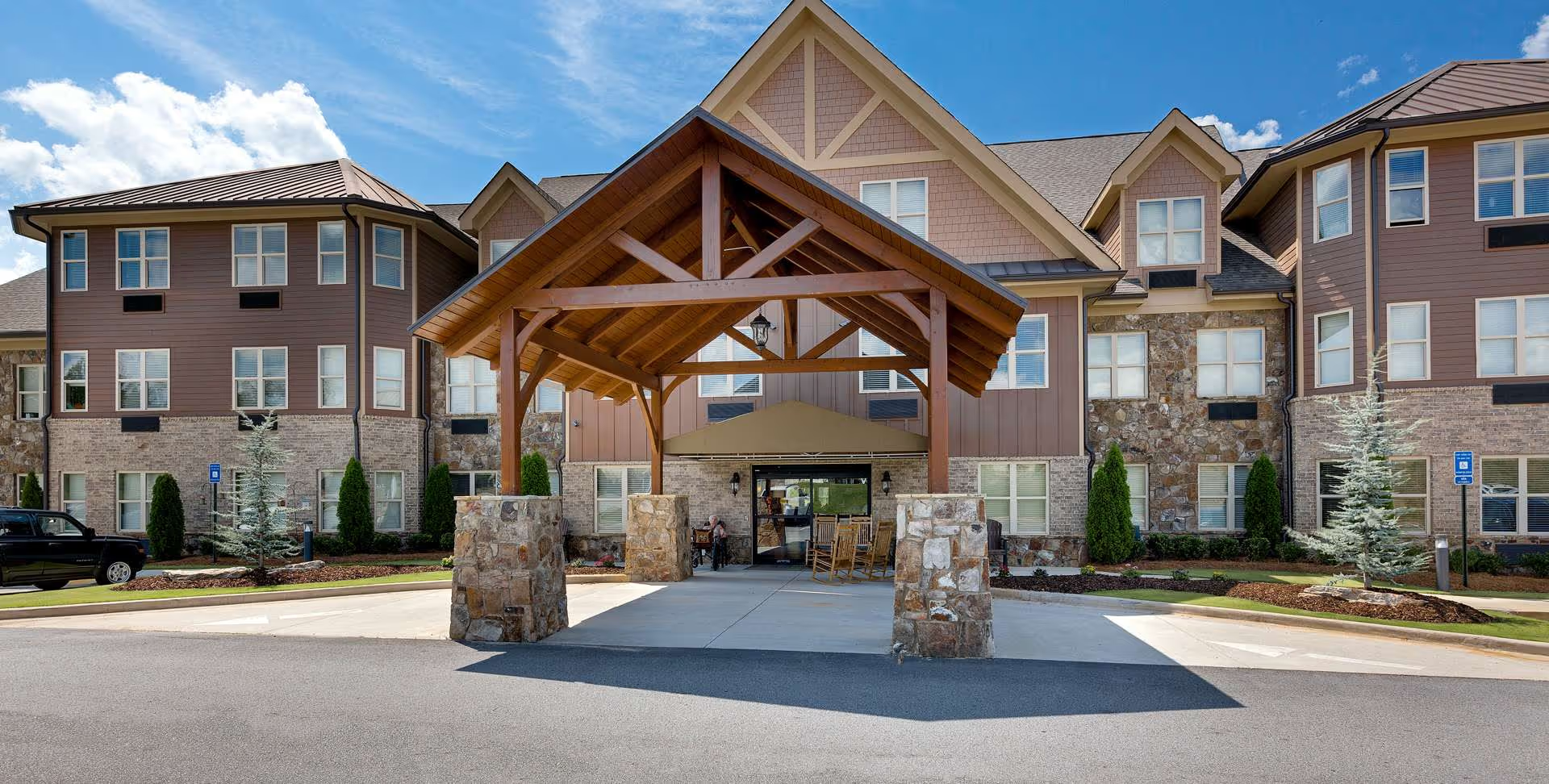
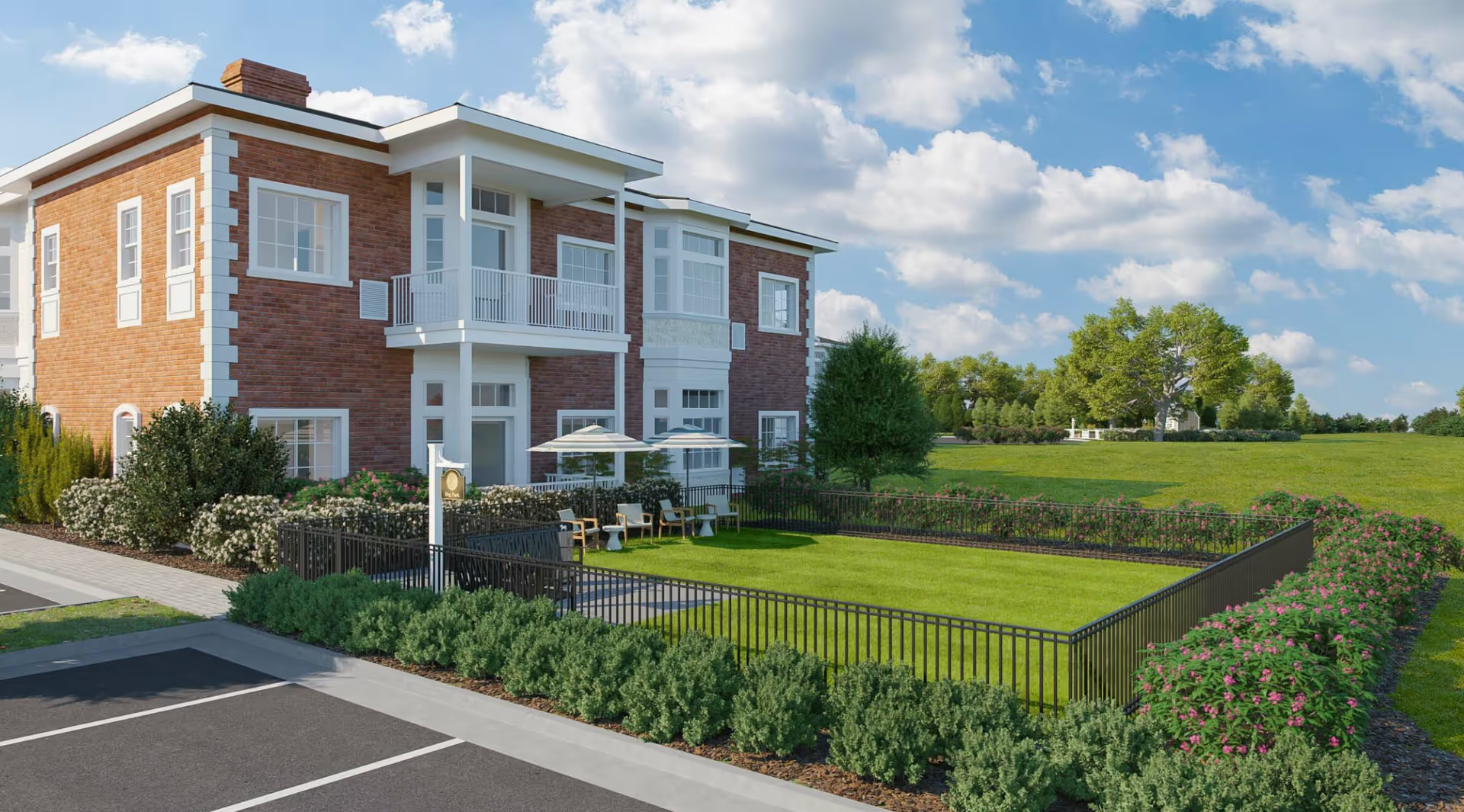
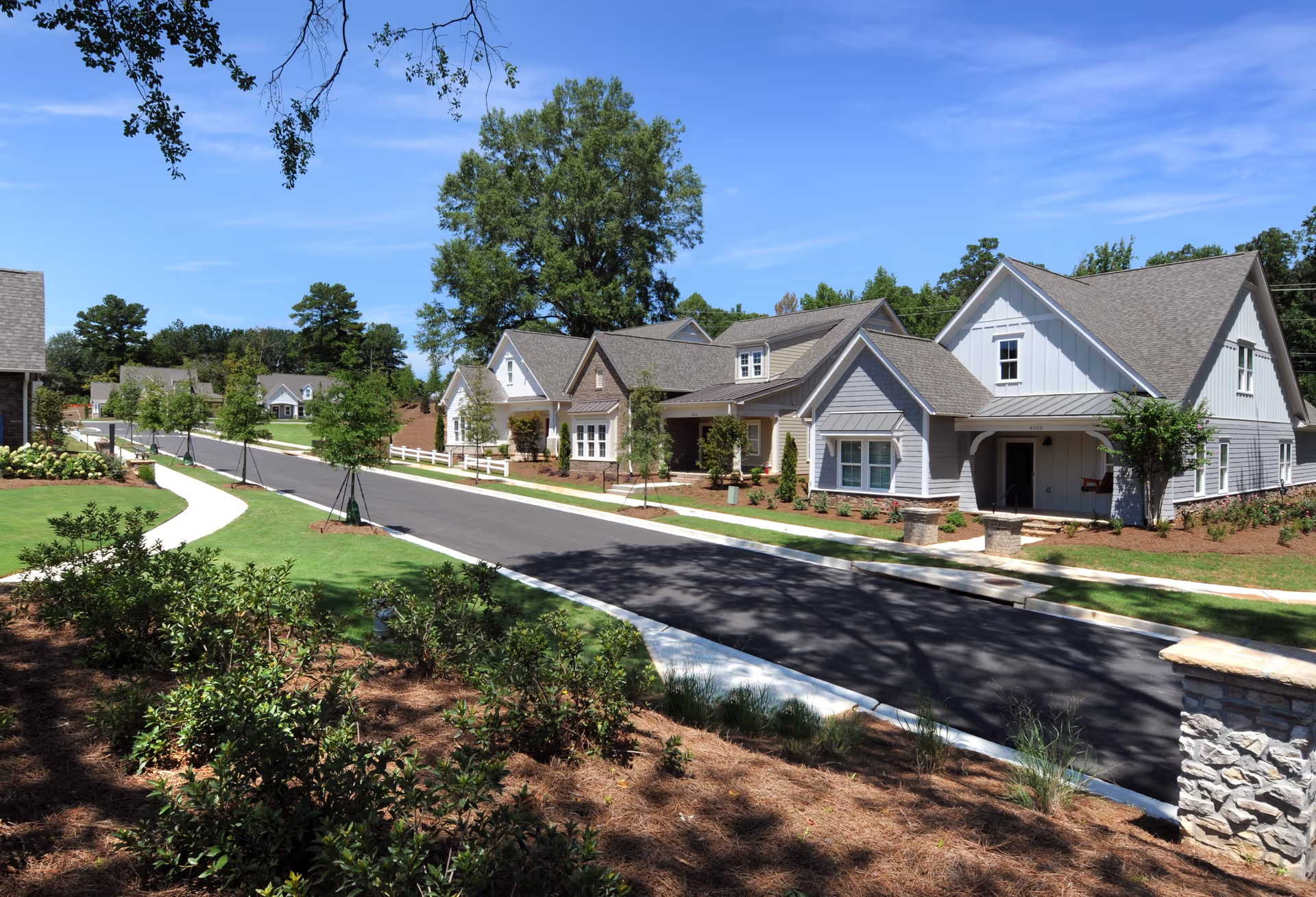
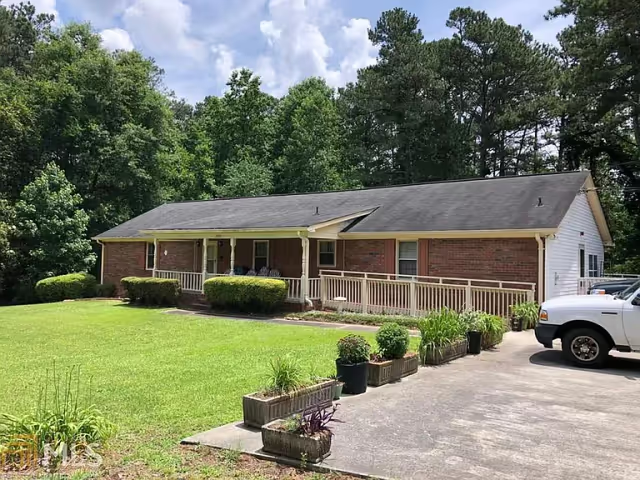
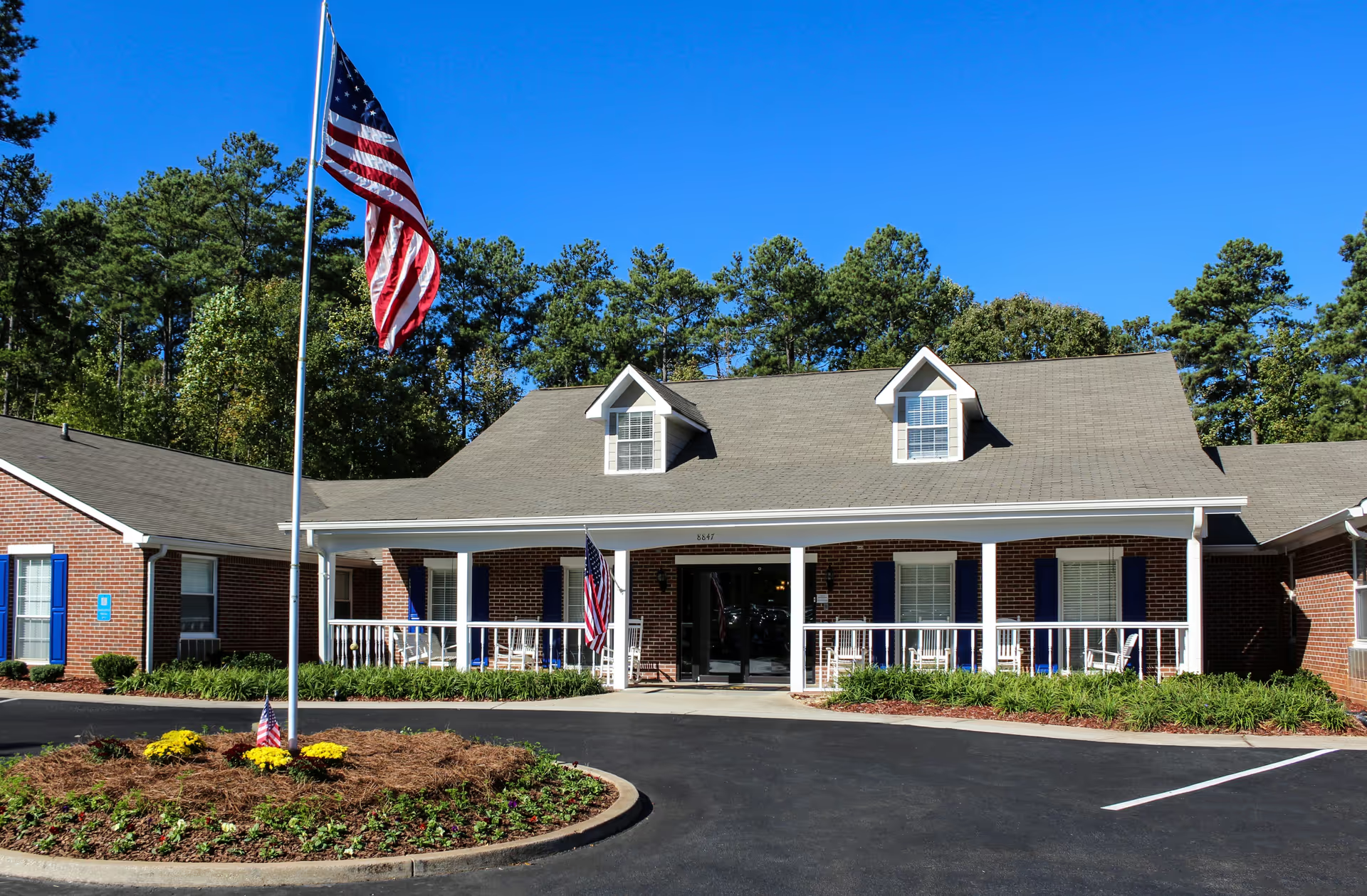
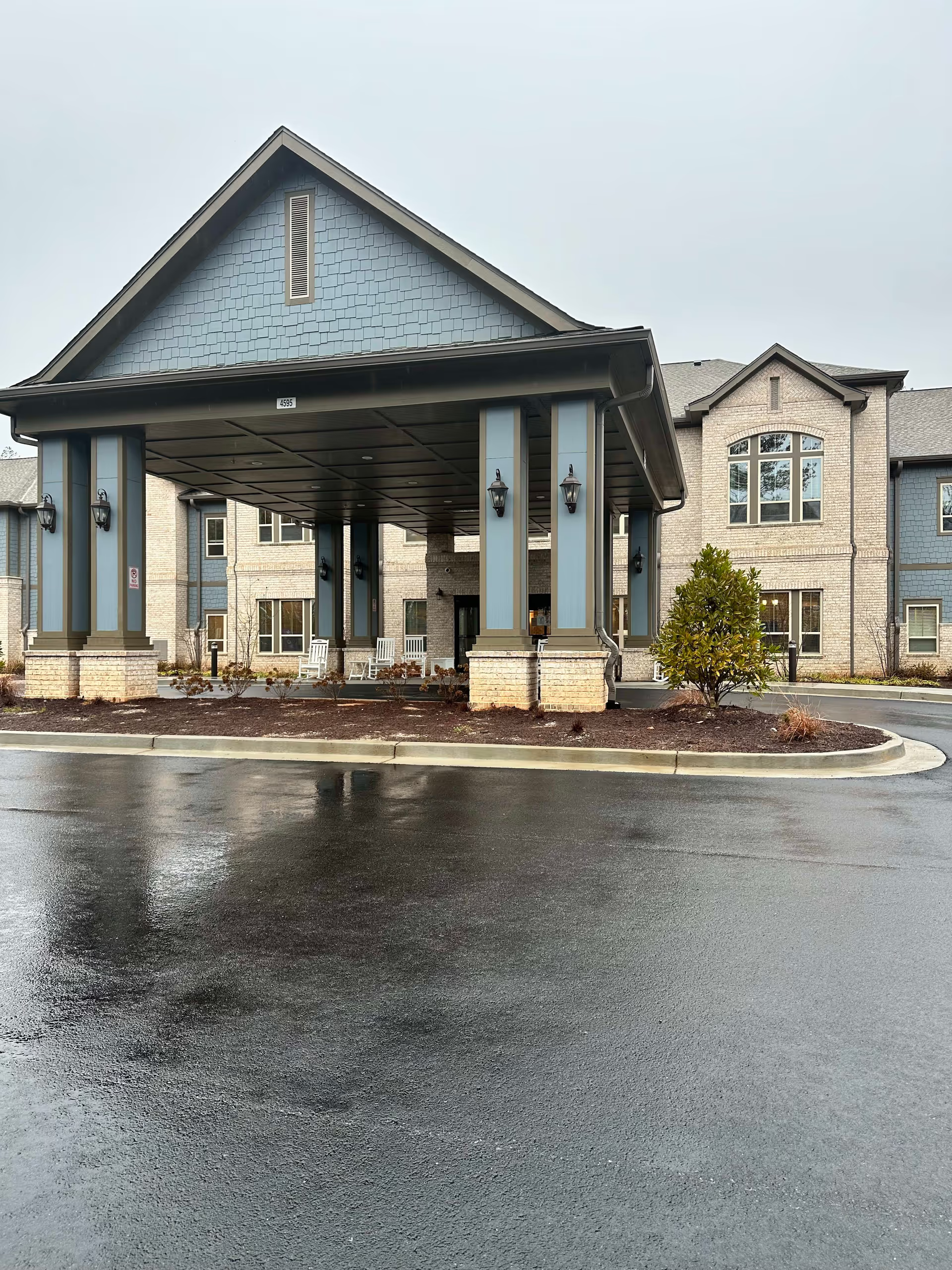
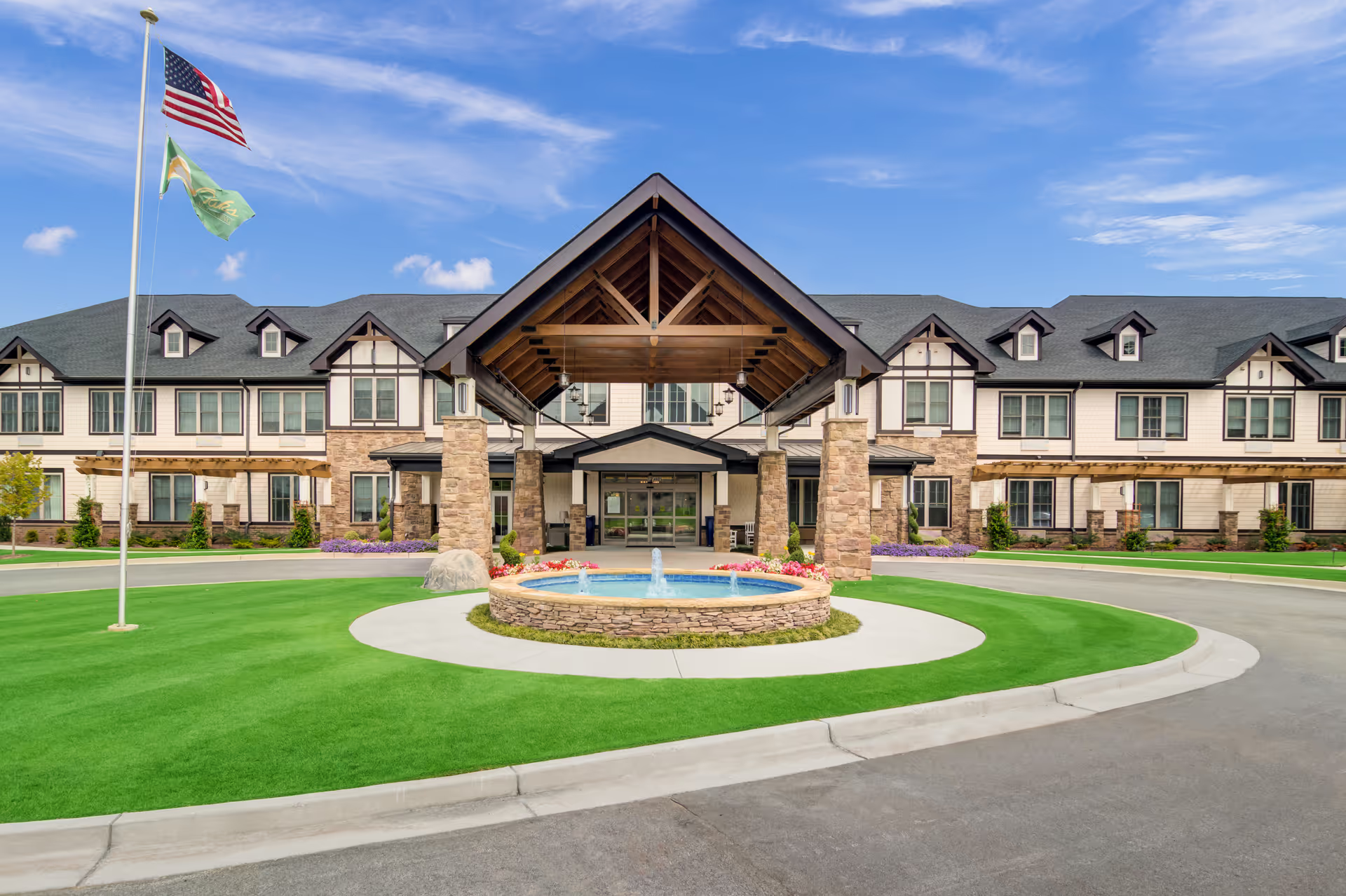
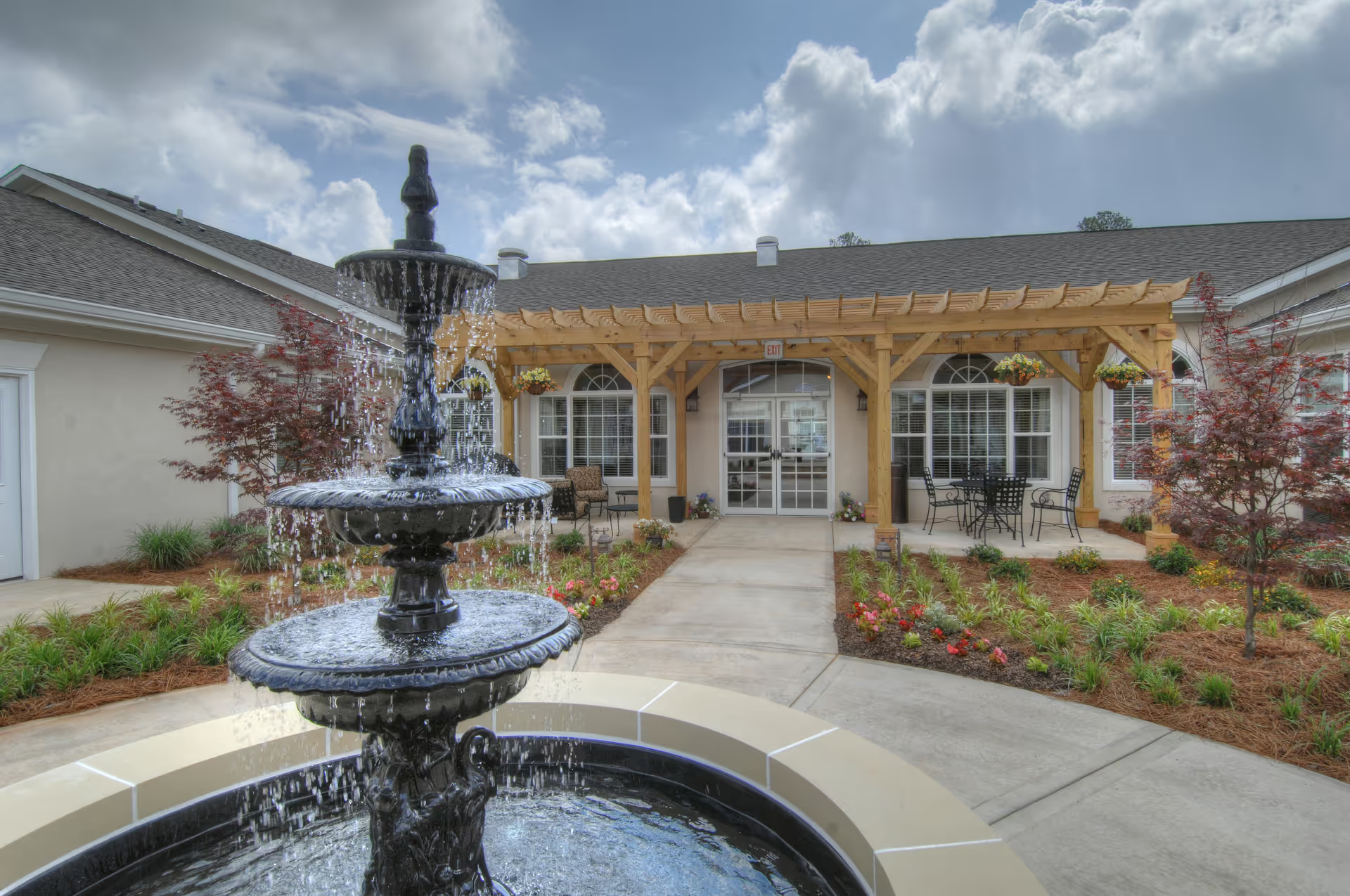
Creekside Pines is consistently described as a clean, well‑kept independent-living community with a strong emphasis on hospitality and resident engagement. The dominant theme across feedback is the quality of staff: reviewers frequently cite compassionate, attentive employees and visible leadership that actively sets a welcoming tone. Management and several department heads — including dining, maintenance, and community development — receive repeated praise for responsiveness, coordinated activities, and pandemic-era safety practices. The community also reports a family-like culture supported by resident committees, mentor programs, and a proactive admissions/ambassador approach that helps new residents acclimate.
Dining and programming are central strengths. The facility operates restaurant-style dining with three meals a day and flexible hours, a broad activity calendar (exercise, aquatic programs, WII bowling, Bible study, outings, movie nights), and numerous on-site amenities such as a theater, library, game rooms, salon, and a resident-run country store. Many reviewers highlight social, physical, mental and spiritual stimulation as a key value of living there. At the apartment level, units are described as spacious, bright, and often equipped with accessibility features such as shower seats and hallway rails; housekeeping is provided weekly and maintenance is noted as reliable.
Notwithstanding these positives, several operational patterns emerge as limitations. Food quality and menu appeal are unevenly perceived: while many praise restaurant-style service and specific dishes, others find some meals unpalatable or insufficiently nutritious, and note portion/waste issues. Cost is another consistent concern — fees, buy-in levels, and periodic increases reduce affordability for some prospective residents. The community provides independent living rather than on-site skilled medical or assisted-living care, so it may not be appropriate for people with progressive clinical needs; access to higher-level clinical services requires external arrangements. A few practical facility limitations are mentioned repeatedly, including small elevator capacity that can make internal travel onerous for some residents, renovation disruptions, isolated/rural location for those wanting nearby services or congregations, and limited dedicated outdoor walking grounds or pool amenities.
There are occasional reports of communication shortfalls — for example, perceived brusqueness toward visitors, unclear rules, or billing/refund-process disputes — which suggest opportunities for clearer policy communication and financial transparency. Noise issues (train or HVAC) and some dated areas under renovation were also cited; these appear localized but may affect resident experience depending on unit placement. Overall, the balance of evidence indicates Creekside Pines excels in hospitality, communal programming, and day-to-day operations for independent-living residents, while prospective residents should weigh food preferences, out-of-pocket cost trajectory, and the lack of on-site assisted‑care services when deciding if the community is the right fit.