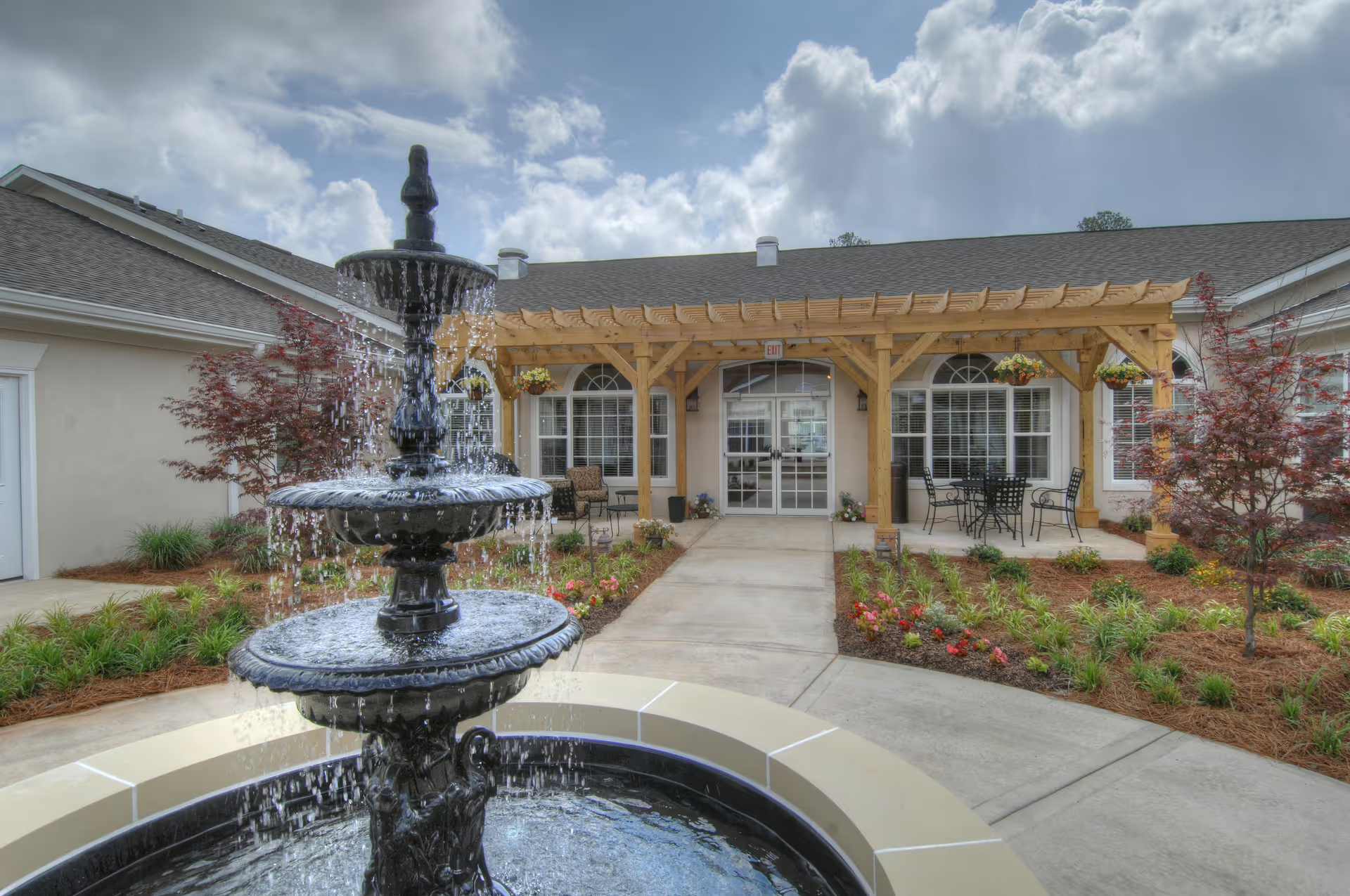
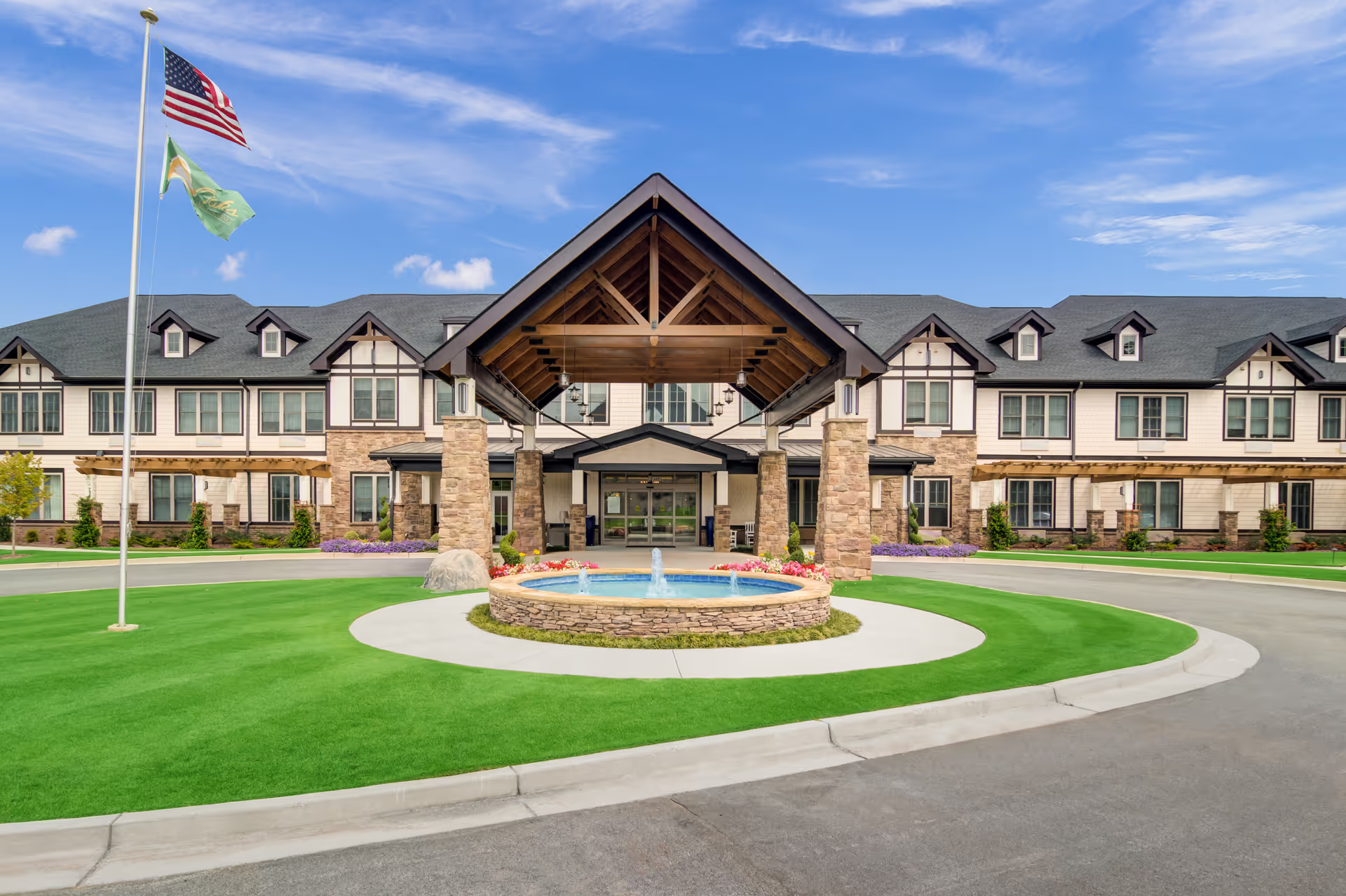
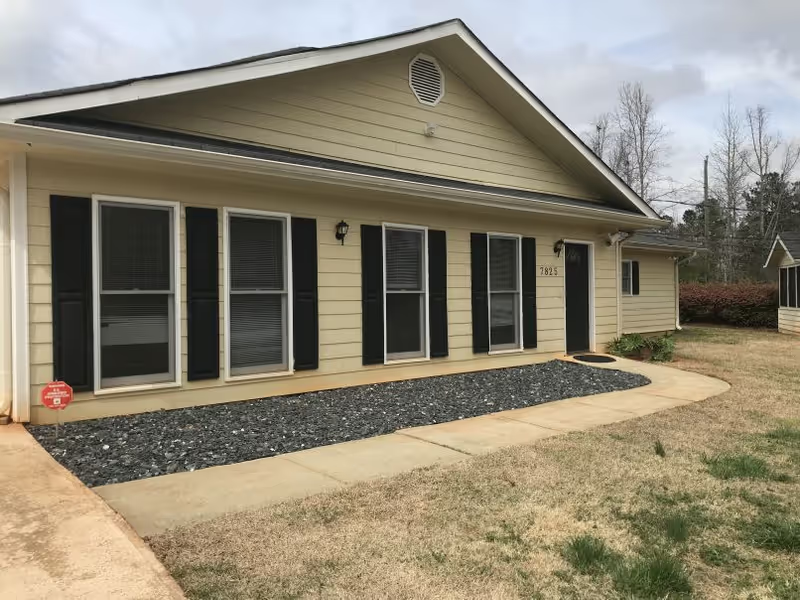
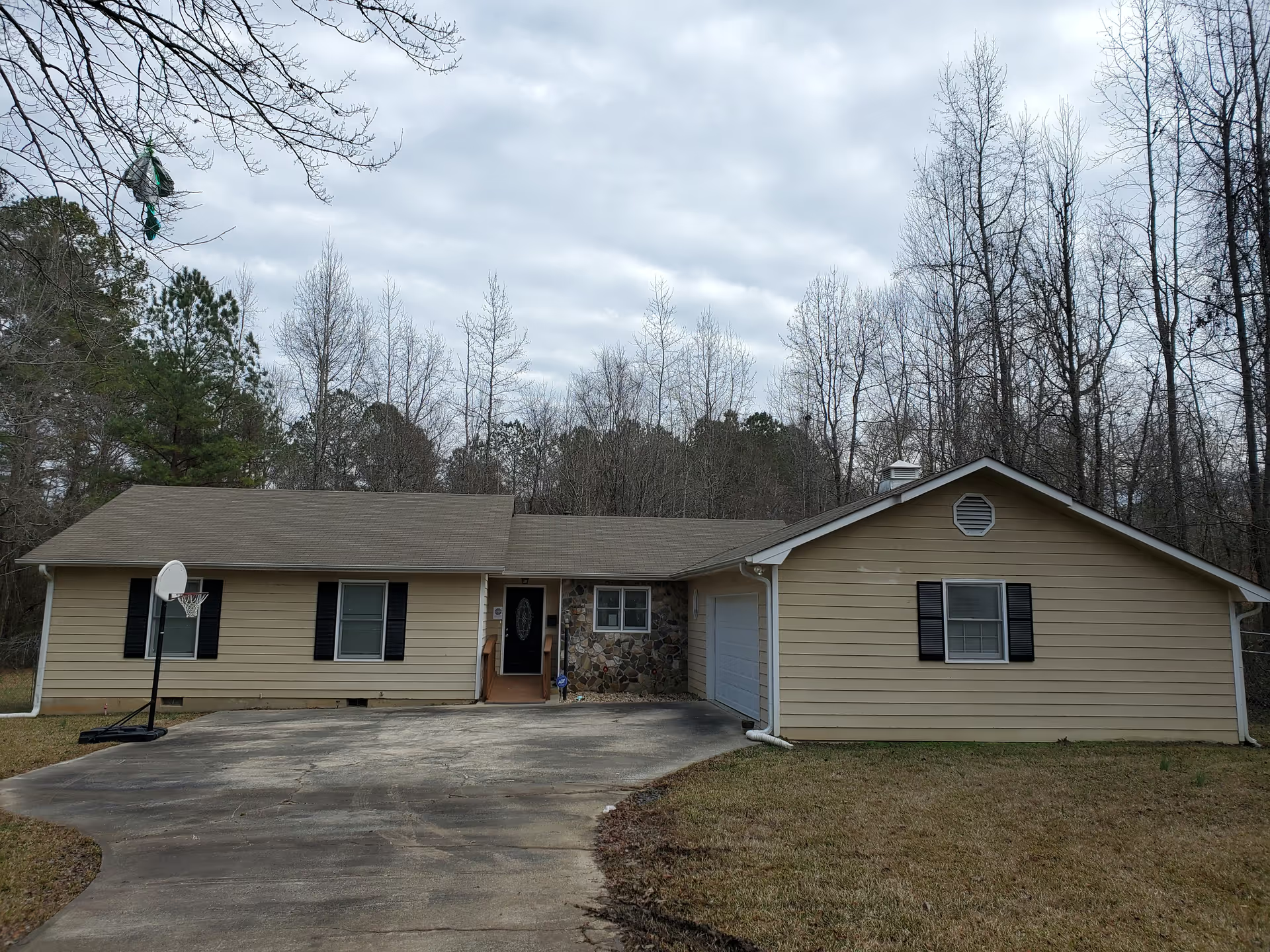
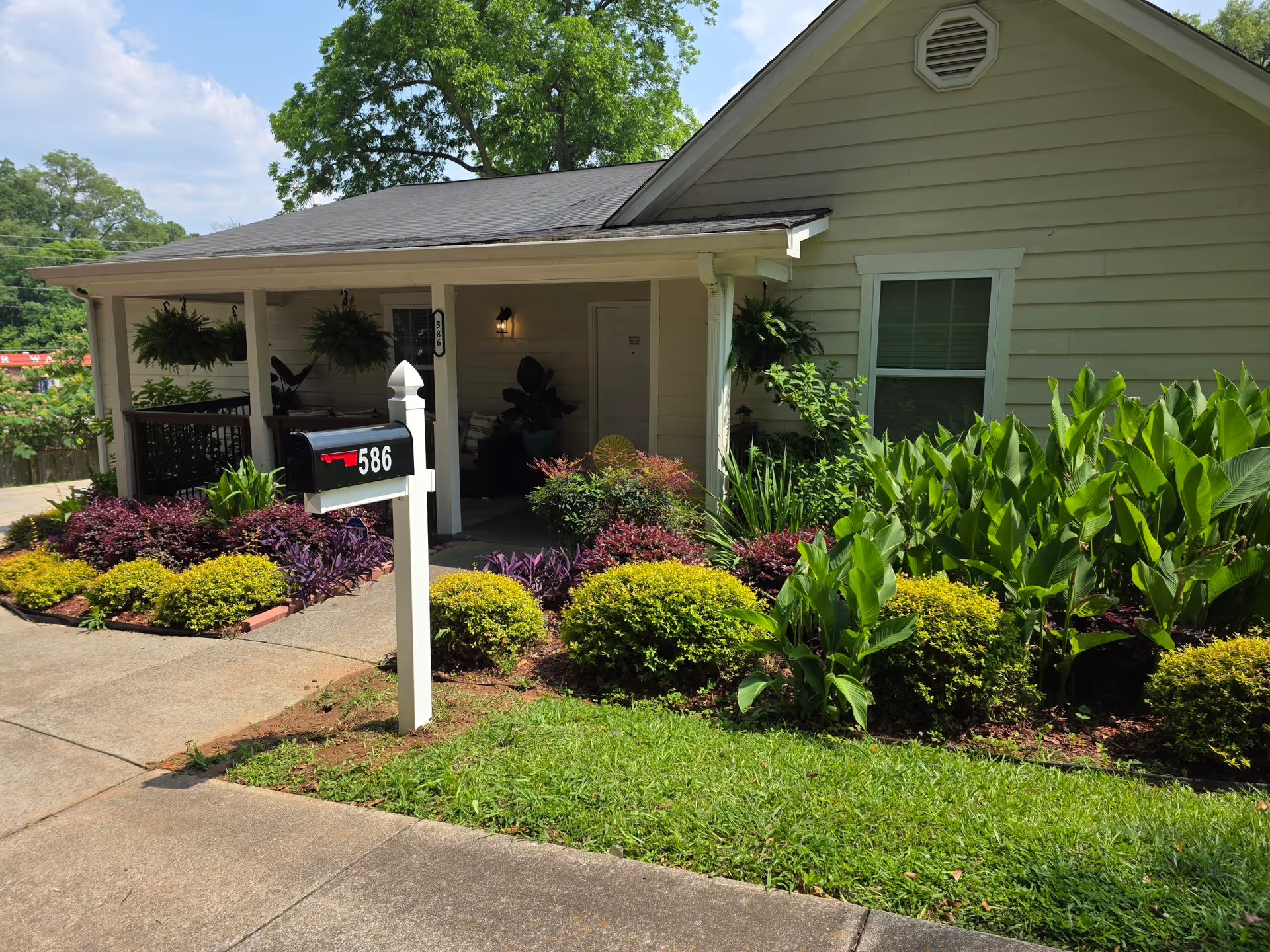
The reviews present a polarized picture of Harmony at Douglasville. Many commenters highlight strengths consistent with a new, upscale community: a clean, attractive building; spacious rooms and well‑kept common areas; on‑site rehab and therapy spaces; and a meticulous maintenance function. Numerous accounts praise staff warmth, compassionate caregiving, engaged nursing teams, a friendly admissions/sales presence, and an involved culinary leadership that can deliver high-quality meals and a pleasant dining atmosphere. Several reviewers describe active, resident-centered programming and a home‑like sense of community.
At the same time, the facility appears to be experiencing start-up and operational tensions. Multiple reviews cite inconsistent staffing levels, turnover, and gaps in training that translate into uneven day-to-day care. There are substantive concerns about medication administration and medication-management processes; a subset of accounts describes medication omissions or errors with serious consequences. Reviewers also point to service reliability problems such as laundry and transportation not meeting expectations, and instances where promised services were not delivered as advertised. Activity programming receives mixed feedback — some residents report robust offerings, while others describe limited or repetitive options and insufficient activity staff support.
Dining impressions are similarly mixed. While many note an attentive kitchen staff and high-quality meals, other accounts describe meals lacking substance, repetitive menus, or a restricted on‑site dining experience (with references to limited food choices). Financial and administrative issues recur in the feedback: incentives tied to room selection, mid‑term fee increases, and opaque billing practices have contributed to perceptions of high cost and value concerns. Reviewers also describe occupancy and market challenges consistent with a new community competing in an area with multiple alternatives.
For prospective residents and families, the salient pattern is variability: strong positives around facility condition, maintenance, and several dedicated staff members coexist with operational weaknesses that affect care reliability, clinical safeguards, and ancillary services. When evaluating the community, ask for up‑to‑date staffing ratios, clinical oversight protocols (including medication-administration procedures), recent survey or inspection results, a sample dining menu and meal‑service plan, written descriptions of included services (laundry, transportation), and clear fee schedules. A focused tour that includes conversations with nursing leadership, the activities director, and the kitchen manager will help clarify whether the community’s strengths are consistently delivered and whether the operational gaps have been addressed.