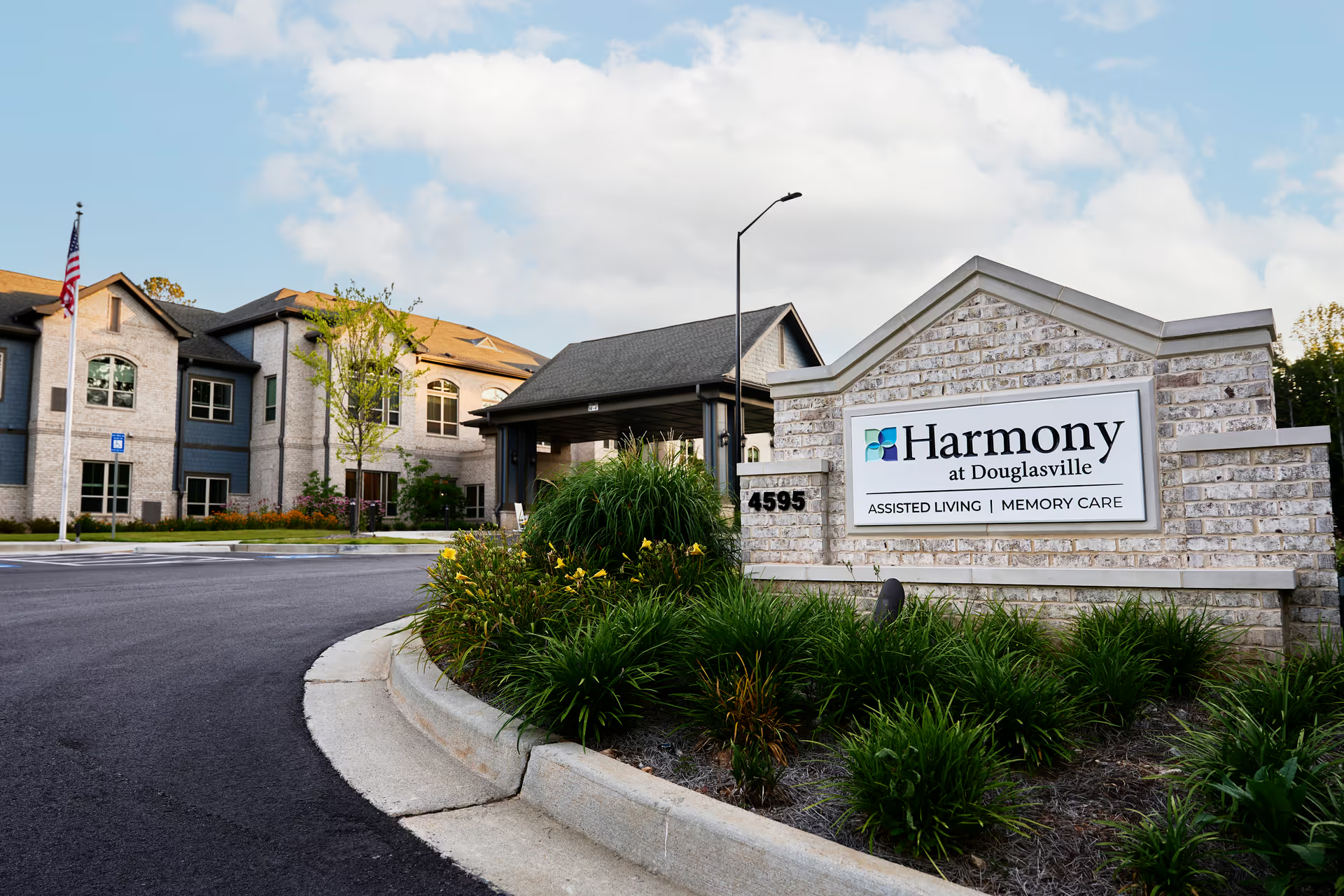
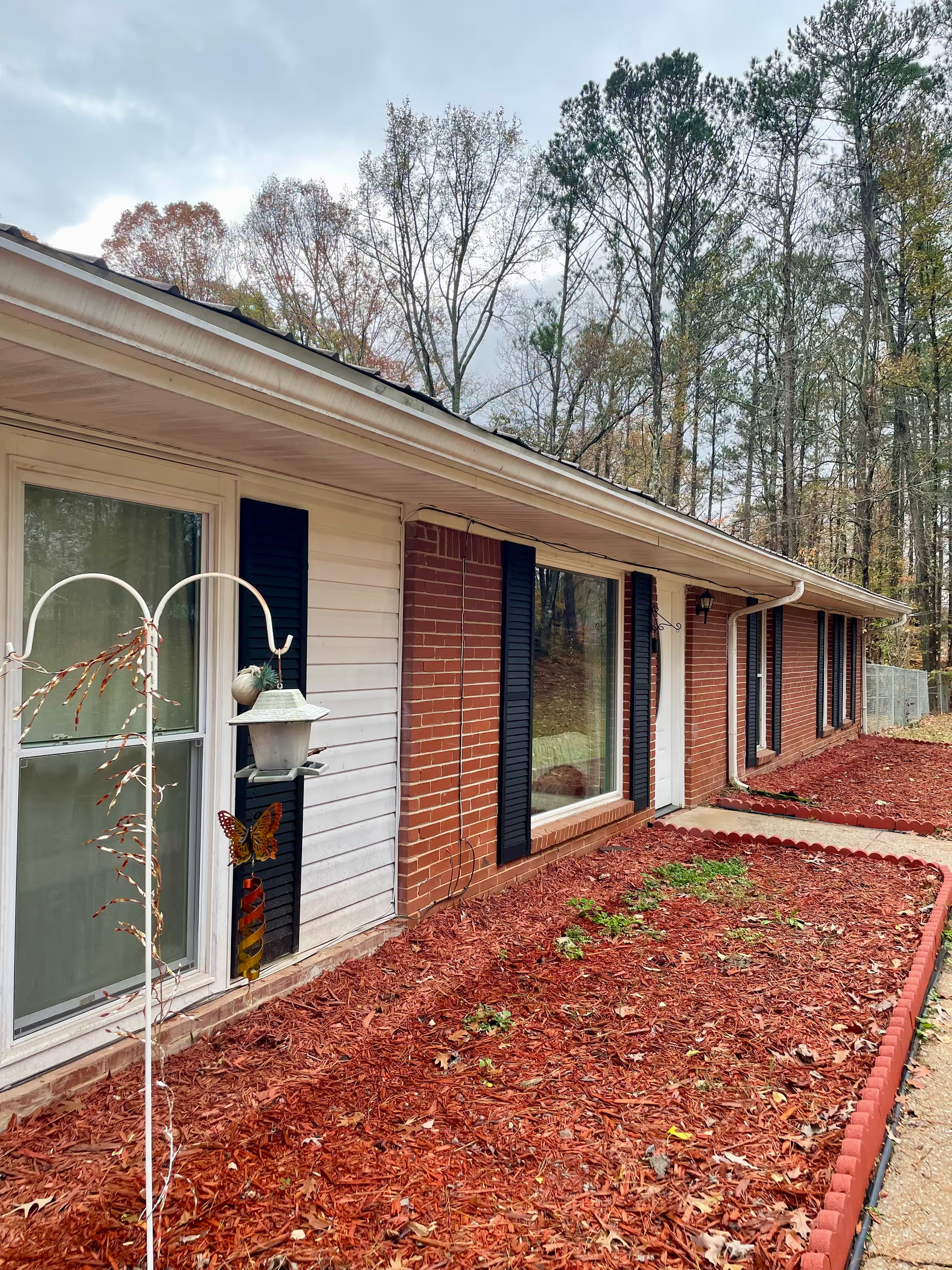
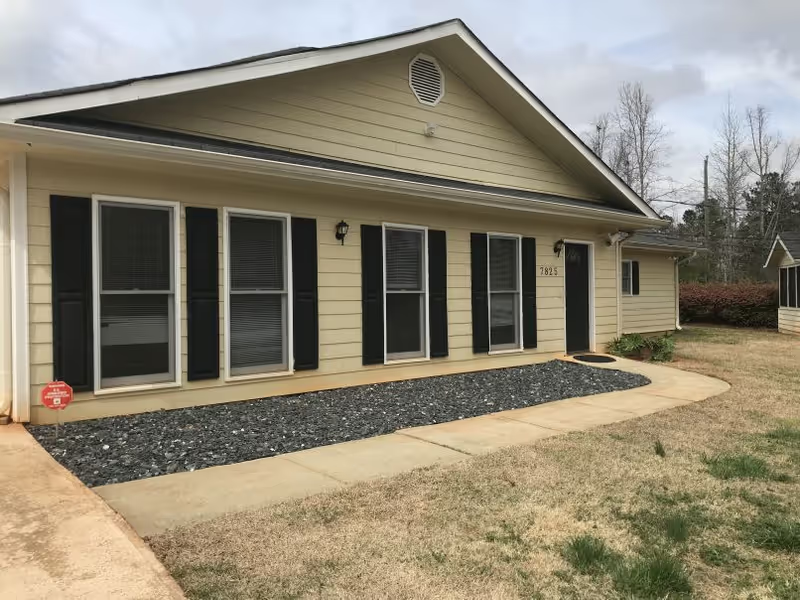
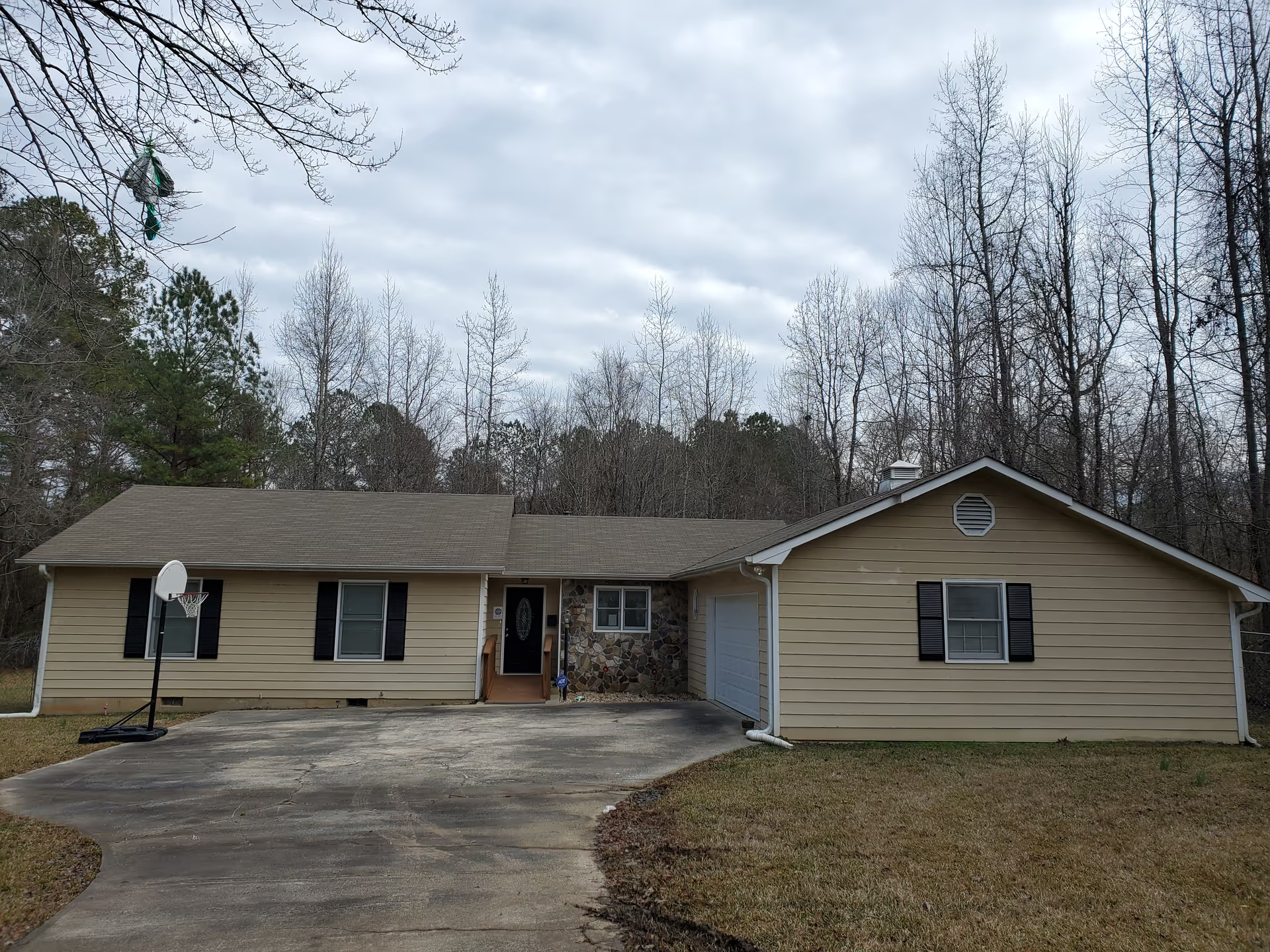
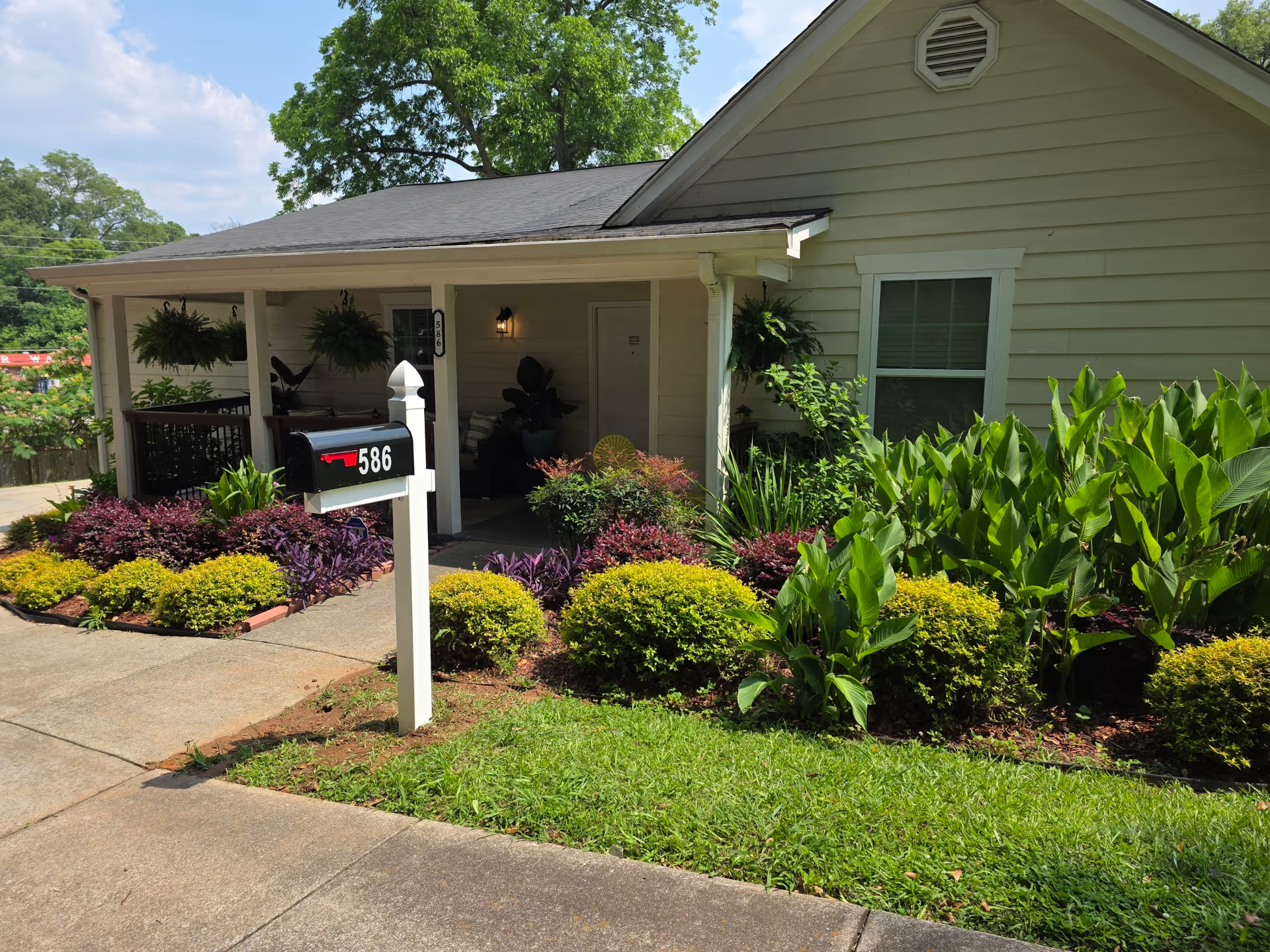
Reviewers present a mixed but broadly informative portrait of The Harbor at Douglasville. Positive comments emphasize a compassionate, resident-centered culture led by engaged administrators and hands-on caregivers. Families frequently describe personalized outreach from leadership, weekend check-ins, and staff who create a home-like, community atmosphere. The facility's interior presentation and outdoor amenities — including a secure garden area, pond, bird feeders, and raised garden boxes — are consistently noted as pleasant and well maintained.
Care quality is a central theme. Many families describe attentive, patient caregiving, responsive assistance during illness, and meaningful end-of-life support that helped transitions feel more comfortable. On the clinical side, the facility offers visiting services (podiatry, psych nursing) and on-site conveniences such as a hair salon and easy access to a nearby hospital. At the same time, reviewers raise recurrent operational concerns: medication-administration lapses, variable staff empathy, and instances where the facility appears not fully equipped for elevated-acuity needs. These items suggest the care experience can depend substantially on staffing stability and the specific caregivers on duty.
Dining and activities receive divergent feedback. Several reviewers praise restaurant-quality cooking, nutritious meals, and communal dining as social strengths. Others describe inconsistent food quality and dissatisfaction with specific meals; overall the pattern is one of variability in meal-service continuity. Activities programming is generally seen as robust — daily devotionals, arts and painting groups, table tennis, gardening, and charitable engagement are repeatedly cited — though a few families felt the schedule was insufficiently active for some residents or constrained during pandemic-related restrictions.
Facility amenities and housing options are commonly highlighted as strengths: private rooms and Jack-and-Jill suite layouts, comfortable room sizes for private units, attractive decor, and clean common spaces. Concerns cluster around shared-room sizing (shared rooms described as small by some) and intermittent sanitation issues in particular areas. Reviewers also point to operational patterns that may affect trust and continuity of care: notable staff turnover, periodic management changes, handoff and information-continuity gaps among staff, and billing or pricing-communication problems including unexpected charges.
A small number of serious allegations appear in the input, including claims of staff theft and deception and isolated dissatisfaction with external hospice coordination. These are significant when present; prospective families should treat them as areas for direct clarification during a tour. Overall, the prevailing impression is of a community with strong interpersonal strengths and attractive amenities, tempered by operational inconsistencies tied to staffing, management continuity, meal service, and certain sanitation and medication-management practices. Prospective residents and families would benefit from in-person visits, conversations about staffing ratios and medication protocols, review of recent management changes, inspection of shared-room dimensions, and written clarification of billing and extra-charge policies before deciding.