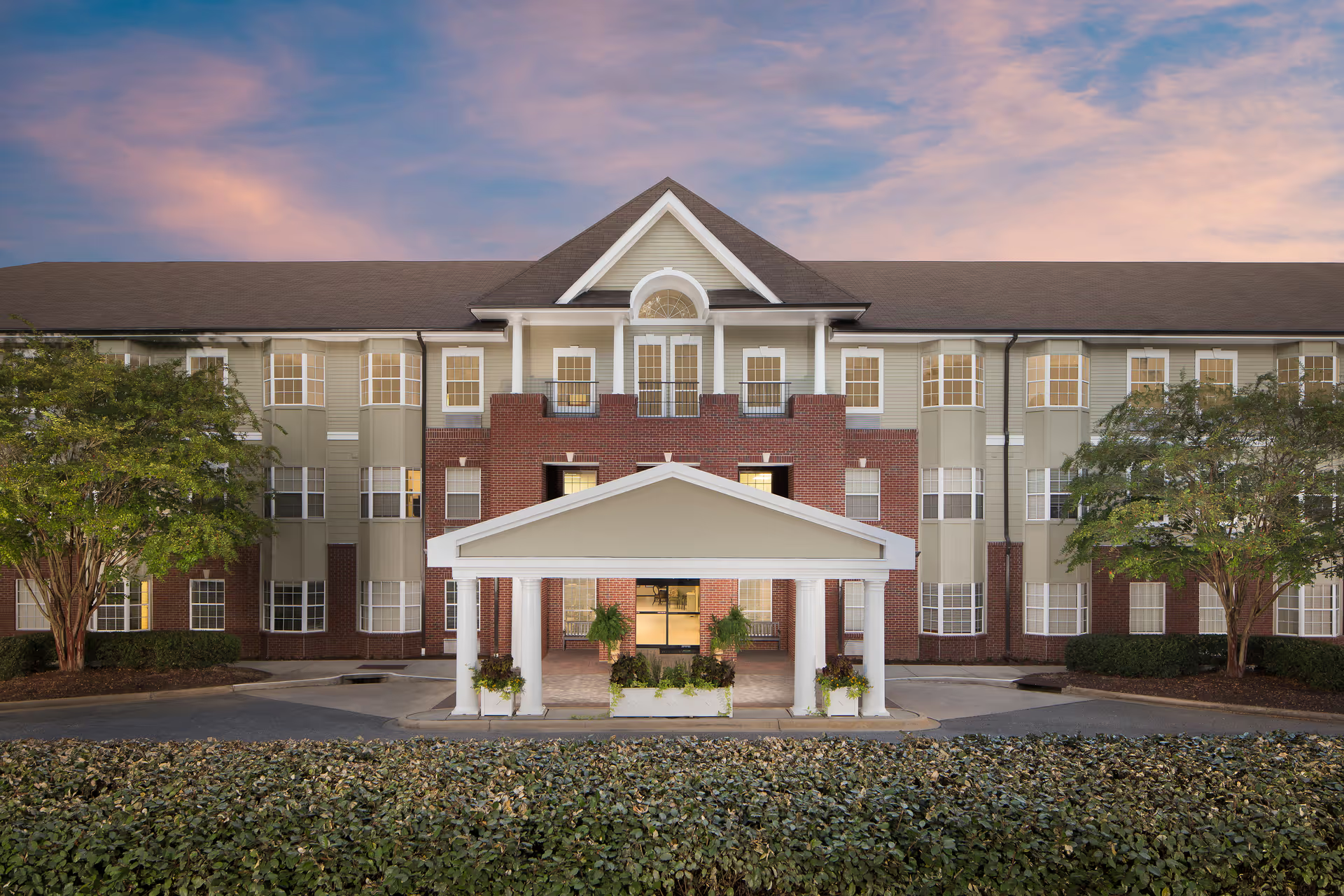
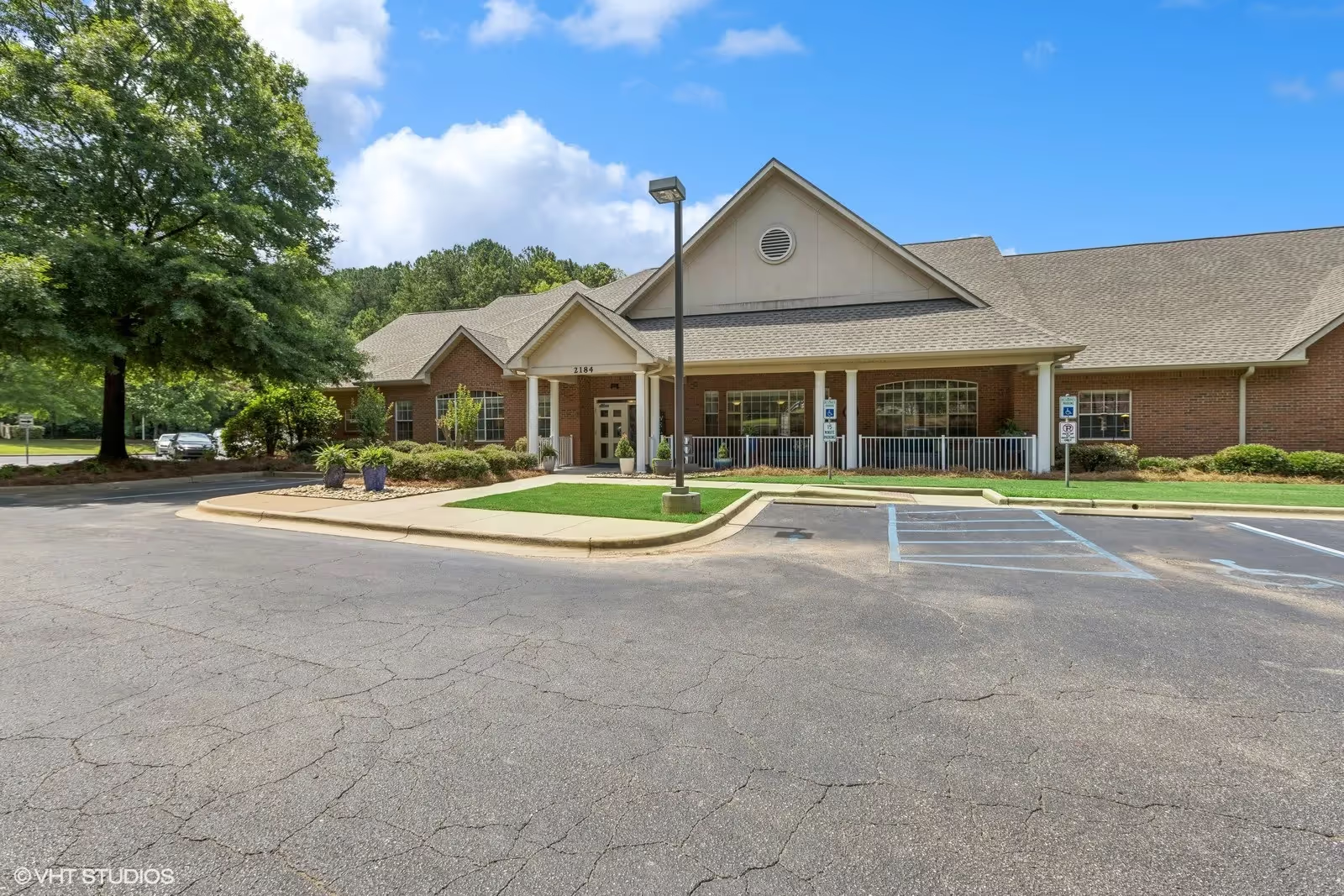
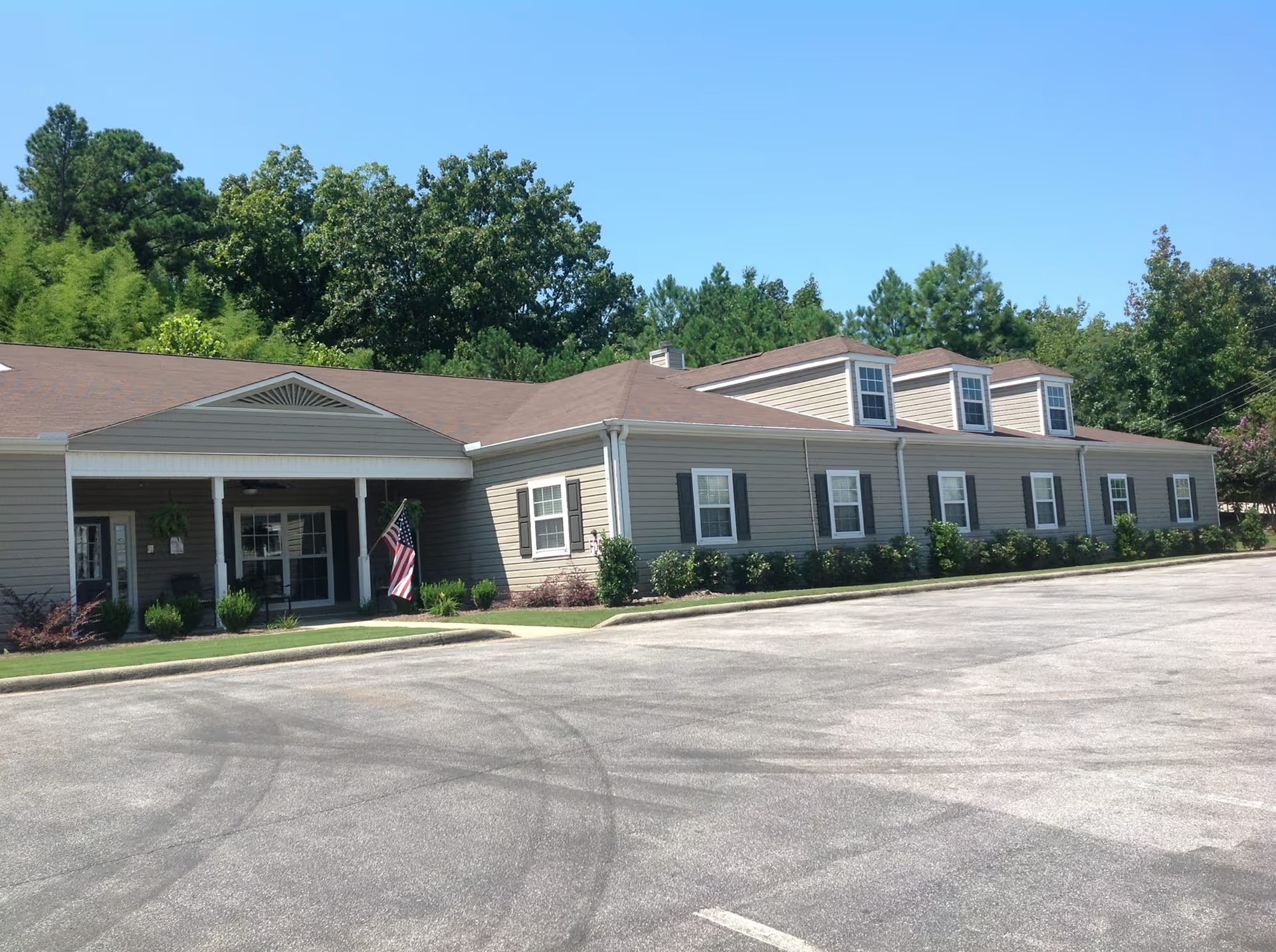
The reviews portray a facility with a mix of strong clinical rehabilitation and relational strengths alongside recurring operational weaknesses. Many families and residents praised the therapy team, noting measurable rehab progress, personalized therapy plans, and successful discharges with durable medical equipment provided. Nursing aides and several nurses were frequently described as compassionate and resident-focused, and front-desk, admissions and transportation staff drew repeated positive comments for being welcoming, helpful and punctual. Facility amenities cited positively include a maintained courtyard and front porch, a remodeled dining area and flexible room décor that supports resident personalization. The facility also appears to support social engagement through organized activities and a generally family-like atmosphere for some residents.
At the same time, a consistent pattern of operational concerns appears across reviews. Staffing levels and continuity emerge as primary issues: reviewers described frequent turnover, understaffed shifts, and slow response to call lights and assistance requests. Those staffing patterns are associated with inconsistent meal assistance, irregular bathing schedules, delays in attending to continence needs, and variability in whether residents receive expected therapy or nursing follow-up. Several reviews specifically identified gaps in dementia-focused programming and supervision, with families indicating that the unit’s offerings and staffing model are not sufficient for residents with moderate to advanced cognitive impairment.
Clinical-safety and process controls were also recurring themes. Reviewers noted weaknesses in fall-prevention and transfer-safety practices, inconsistent wound and skin-care follow-up, and concerns about medication-handling procedures, including unsecured medication storage and medication items left unattended. Sanitation and odor control were raised as issues in parts of the building, and there are multiple mentions of missing personal items and laundry-management problems that point to inconsistent operational oversight. Communication and complaint-resolution processes were described as uneven: while some families praised proactive administrators and good updates, others experienced poor responsiveness, unsatisfactory explanations for incidents, and difficulties getting timely information from clinical leadership.
A few reviews raised serious, individual-level allegations beyond routine operational concerns, including an allegation of credit-card fraud; these claims merit formal investigation by the family and, if appropriate, by regulatory or legal authorities. Additionally, infection-control and visitation policies during COVID prompted distress for families who experienced restricted access and limited communication.
In sum, Diversicare of Riverchase shows strengths in rehabilitation services, several compassionate direct-care staff, and comfortable communal environments for some residents. Prospective residents and families should weigh those strengths against recurring concerns about staffing consistency, dementia-care capacity, clinical follow-up on wounds and medications, environmental sanitation, and family communication. Visiting the unit, speaking directly with the therapy and nursing leadership about staffing ratios, dementia programming, medication-security protocols, and grievance processes, and reviewing the facility’s most recent inspection and incident records would be prudent steps before placement.