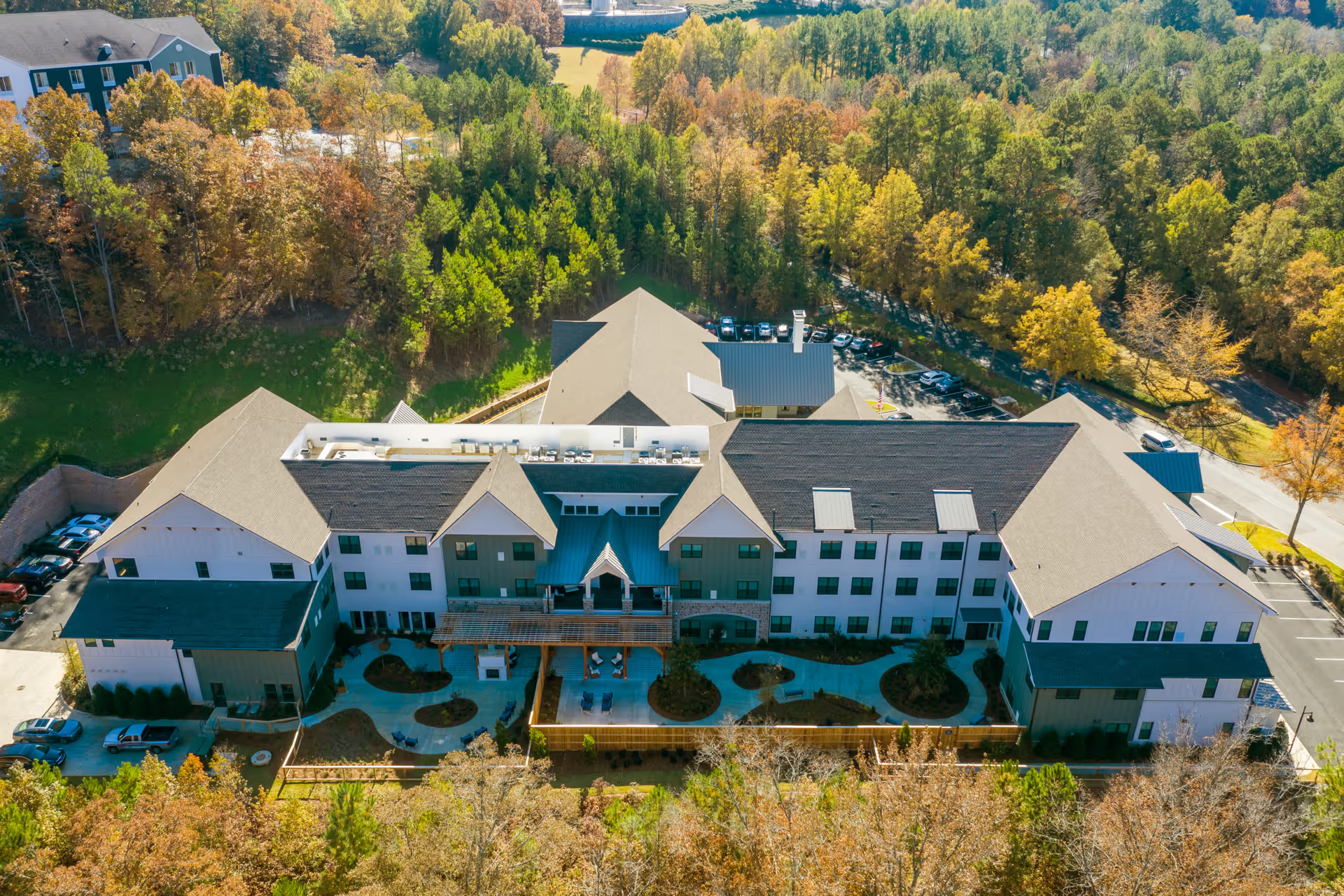
Greenbriar at the Altamont is described overall as an attractive, historic facility with many amenities and a broad continuum of care. Reviewers commonly highlight the building’s charm, central downtown location, spacious and light‑filled rooms, and on‑site conveniences such as elevators, indoor parking, Wi‑Fi, housekeeping, laundry, and a salon. The community offers multiple care levels — independent living through skilled nursing and memory care — and is recognized for a strong rehabilitation program with engaged physical‑therapy and nutritional services that have enabled many residents to return home.
Direct‑care staff receive frequent praise for being caring, personable, and proactive in resident engagement; numerous comments note helpful CNAs, attentive activity staff, and an active schedule of programming including exercise classes, arts, games, outings, and social get‑togethers. Activity programming and the rehabilitation team are among the facility’s consistent strengths and are commonly cited as reasons families chose the community.
At the same time, reviewers describe significant variability in operational performance. Staffing levels and shift coverage are inconsistent, with particular concerns about night supervision and occasional inattentive or unprofessional conduct. Several accounts point to gaps in clinical oversight — limited on‑site RN/physician availability, infrequent doctor rounds, and requests for 24/7 nursing coverage — which families link to delays in evaluation, wound care issues, and post‑discharge complications. There are also comments about challenges in managing residents with complex behavioral or psychiatric needs within secured units; some readers characterized unit configuration and management as problematic.
Dining and household services receive mixed feedback. The facility supplies meals and has sizeable dining areas, and some families praise portioning and dietary accommodation; others note inconsistent food quality, preferences for more home‑style menus, and occasional shortfalls in housekeeping reliability. Communication and administrative coordination — particularly around billing, insurance coordination, and discharge planning — are recurring operational weaknesses, with families describing confusing handoffs and the need for clearer processes.
Facility condition and environmental management are another source of mixed impressions. While the building’s historic architecture, master ballroom, and interior finishes are appreciated, multiple comments indicate aging infrastructure: unreliable air‑conditioning in places, needs for rewiring and remodeling, and ongoing maintenance work. Reviewers also describe sanitation and odor concerns in some areas and raise pest‑control concerns; cleaning‑crew consistency is uneven according to feedback.
Management and leadership impressions vary widely. Some visitors and families find administration responsive, informative, and willing to work through issues; others report poor communication tone from particular staff members and dissatisfaction with administrative responsiveness. There are also isolated, serious allegations about unit safety and regulatory compliance that families recommended be investigated further.
For prospective residents and families: Greenbriar offers clear strengths in location, building character, rehabilitation services, and activity programming, and many families express satisfaction with direct‑care staff and outcomes. However, the facility shows operational variability in staffing, clinical oversight, housekeeping, maintenance, and administrative communication. A careful tour is advisable, with specific questions about current staffing ratios (including RN coverage), recent maintenance or infection‑control actions, pest‑control measures, meal sampling, and discharge coordination protocols. Request documentation of recent regulatory surveys and correction plans, speak with current families if possible, and verify post‑admission clinical monitoring procedures before making a decision.