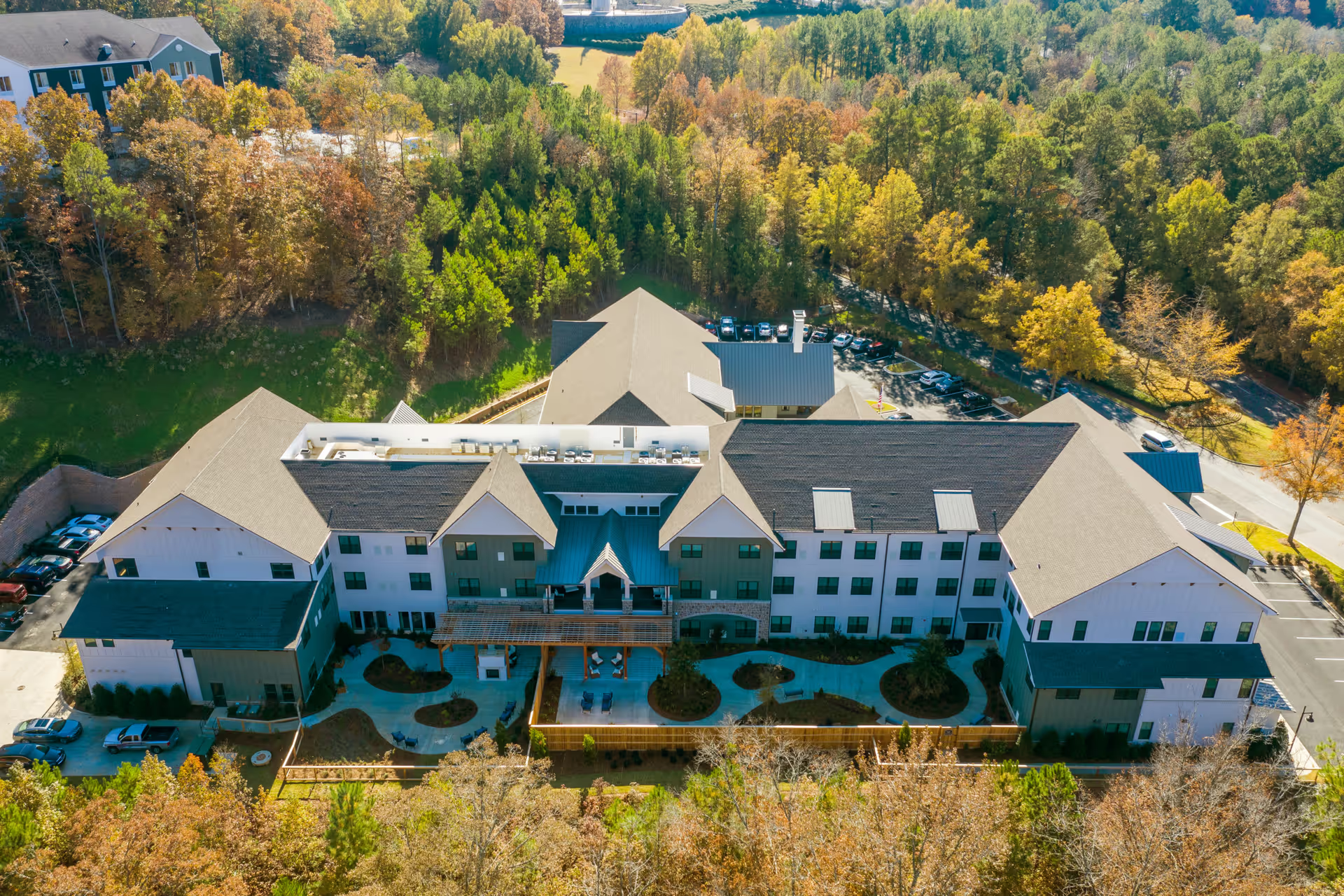
Overall impression: Reviewers characterize The Brook as a small, well-kept assisted-living community with a strong emphasis on a home-like environment and hands-on staff. Families and residents commonly describe staff as caring, compassionate, and willing to go beyond routine duties. Many highlight attentive homemaker support, active admissions engagement, and leadership changes that have been viewed positively. The facility’s small, single-floor layout and bright common areas contribute to a close-knit atmosphere and a sense of belonging for many residents.
Care quality and staff: The Brook’s caregiving staff are consistently praised for warmth, patience, and individualized attention; multiple accounts note improvements in resident alertness, mobility, and independence. Staff-assisted services during move-in and end-of-life periods are singled out as strengths. However, reviewers also identify operational gaps: inconsistent staffing levels sometimes affect timeliness of routine tasks, and there are isolated concerns about medication handling and administration that suggest room for strengthening medication-management controls and staff training. Reviewers also noted variability in staff communication style, which can affect family satisfaction.
Dining and daily life: Dining is commonly described as a positive element — regular three-meal service, a large family-style dining room, and generally well-liked food. That said, individual taste variation exists and not every resident enjoys the menu. Amenities such as an on-site hair and nail salon and in-room kitchenettes in some apartments are appreciated. Families also appreciated move-in assistance and the facility’s accommodating policies regarding rooms and visitors.
Activities and programming: The Brook offers a range of on-site activities (painting, Bingo, exercise classes, Wii, arts and crafts, holiday celebrations and social events such as wine time). Many residents and families report an active social program that supports community engagement. At the same time, there are reports of inconsistency in programming cadence and requests for more offsite outings and varied activities; some families perceived temporary lapses in scheduled activities, which management appears to be addressing in certain cases.
Facilities and accommodations: Physical plant and housekeeping are described as clean, bright, and well maintained. Apartment sizes vary; some units are spacious and suitable for two people, while other apartments are viewed as better suited to assisted living than fully independent living due to limited square footage. The single-floor layout and accessible design are strengths for residents with mobility limitations.
Management, billing and notable operational patterns: Admissions and activity leadership are generally viewed as engaged and responsive, and recent leadership changes have been seen positively. A recurring operational concern centers on billing transparency and ancillary fees: families describe unexpected move-out and service charges and express a desire for clearer, earlier explanations of ancillary fee policies. The facility’s pharmacy contract has been highlighted as a source of additional resident costs (for example, co-pays tied to hospital readmissions), indicating a need for clearer communication about pharmacy and billing arrangements. Lastly, reviewers identified gaps in incident response protocols — specifically post-incident family notification and follow-up — suggesting opportunities to formalize communication and incident-management practices.
Bottom line: The Brook presents as a warm, small-scale assisted-living community with many strengths in staff compassion, a well-maintained environment, and a range of social programs. Prospective residents and families should weigh those strengths against operational considerations: clarify ancillary fee structures and pharmacy billing practices up front, discuss staffing patterns and medication-management procedures with leadership, and inquire about the current activity schedule and unit sizes to ensure the community matches the resident’s independence and social needs.