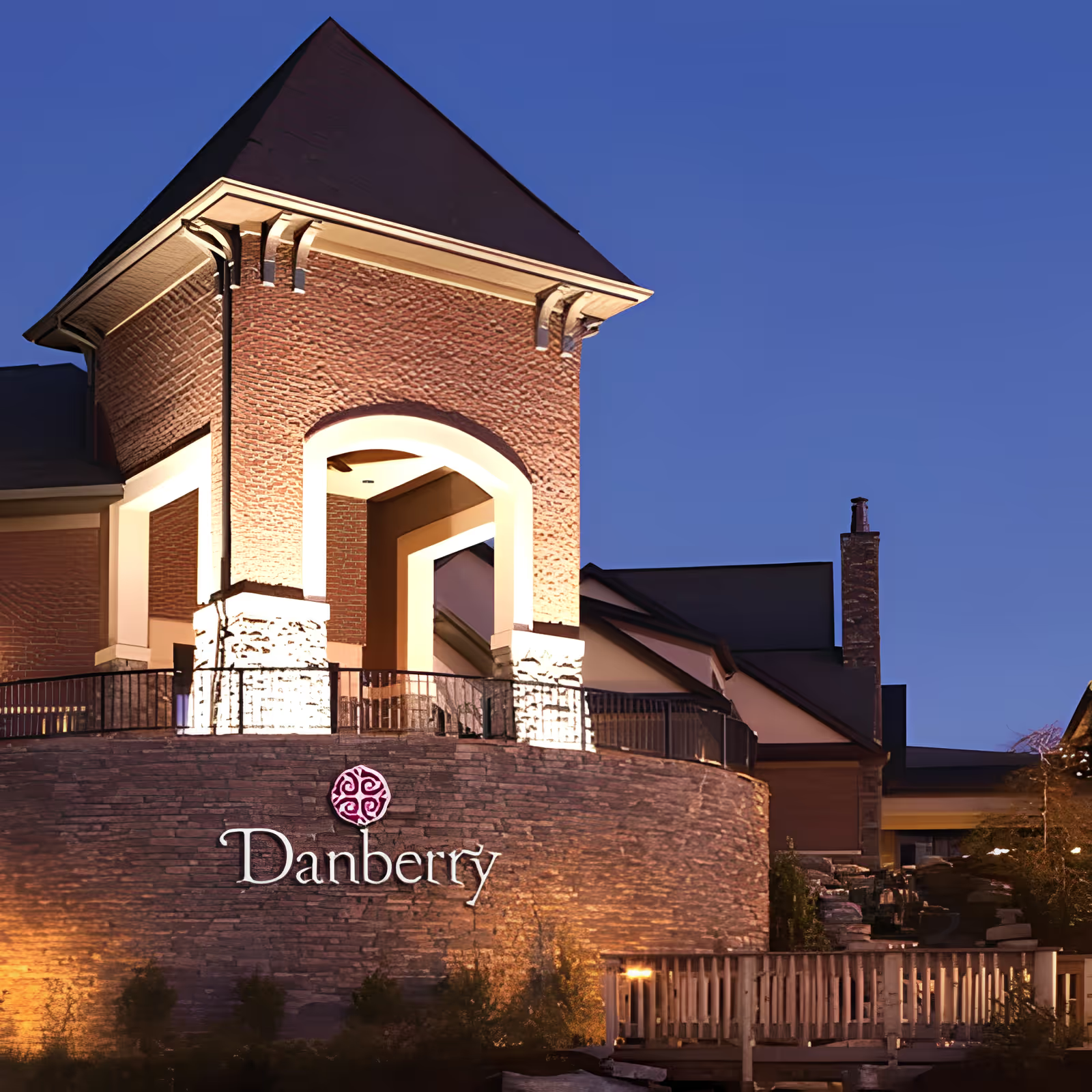
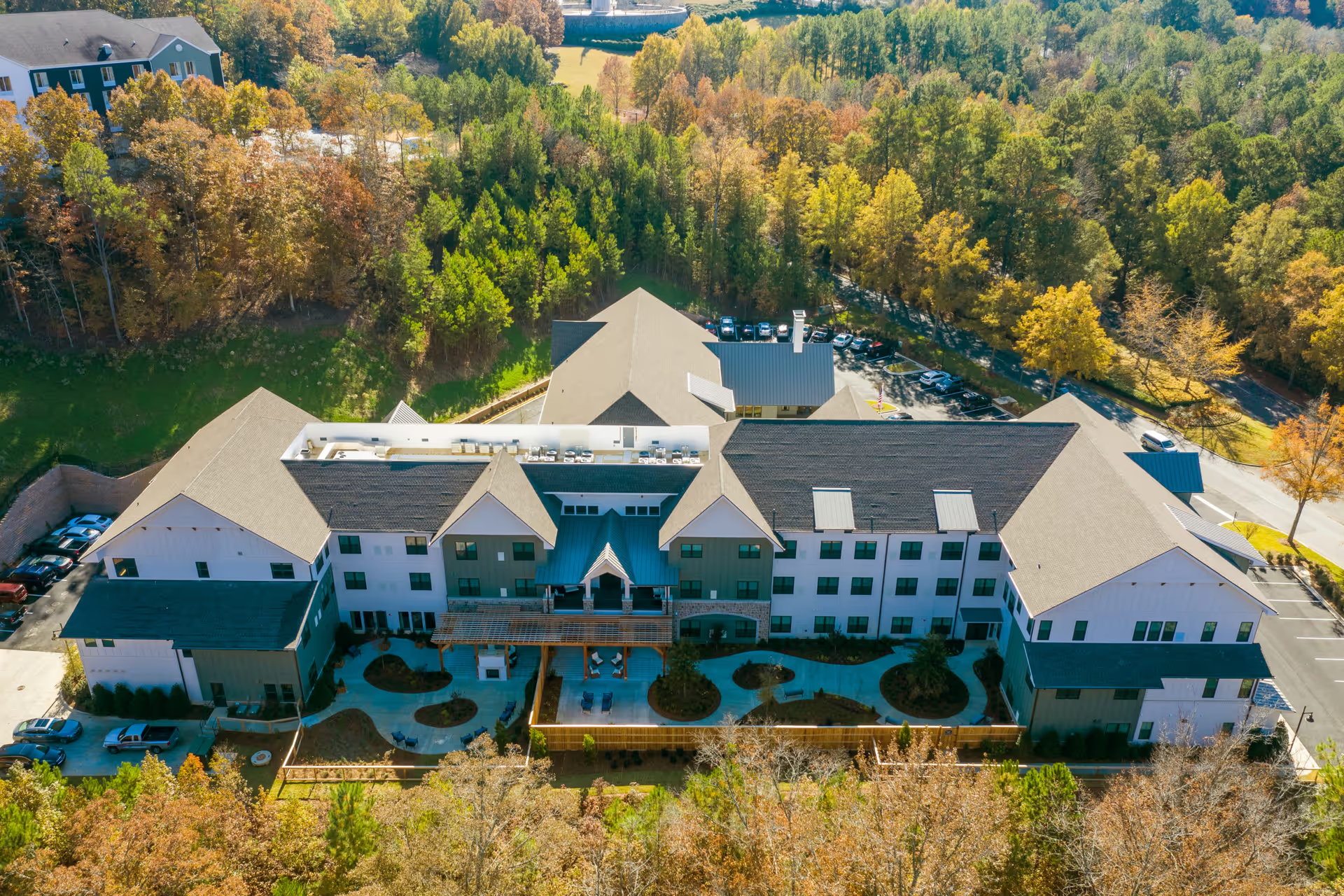
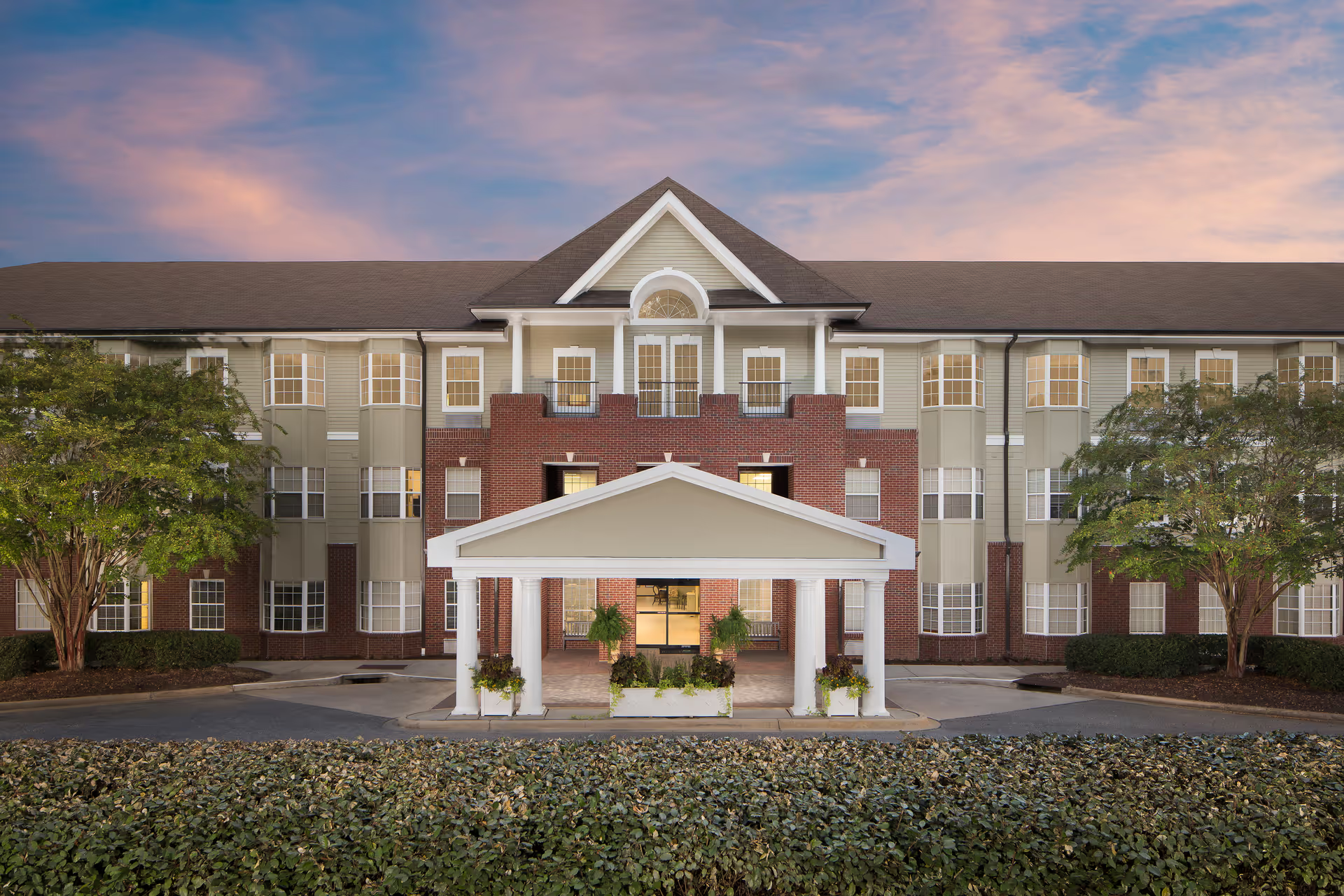
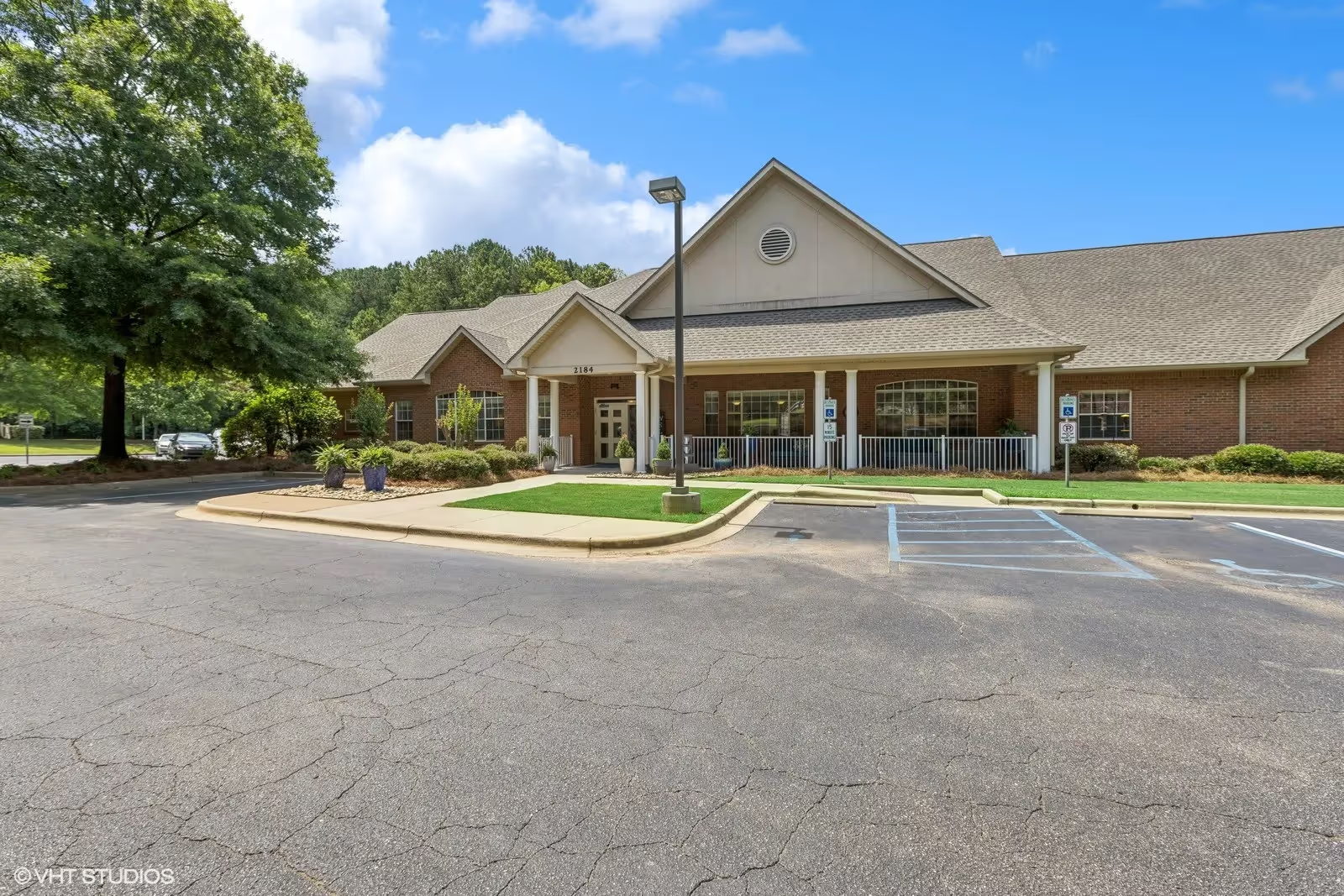
Monark Grove Greystone presents as a high-end, amenity-rich senior living community with a strong emphasis on hospitality and social engagement. The campus and apartments are consistently described as attractive, clean, and well appointed, with resort-style touches such as a heated pool, deluxe gym, physical-therapy room, walking track, pickleball court, theatre, multiple lounges, on-site salon, EV charging, and outdoor grilling/green spaces. Unit features often praised include balconies, kitchenettes or full kitchens, washer/dryer access, and well-sized one-bedroom floorplans. The facility's physical environment and variety of shared spaces support socialization and recreation for independent and assisted residents alike.
Staff and direct-care impressions are mixed but trend positive in many accounts. Numerous families highlight compassionate, personable employees and a sales/concierge team that facilitates smooth move-ins and orientation; several staff members are singled out for exemplary service. Medication administration, transportation, and housekeeping receive favorable mentions in many reviews. At the same time, there are recurring concerns about consistency of clinical care: reviewers describe variability in nurse responsiveness, occasional long response times, and uneven follow-through after clinical incidents. These accounts translate into a pattern-level concern about consistency in bedside nursing and clinical-incident management rather than a uniformly poor standard of care.
Dining and activities are central strengths with some qualifications. The community employs an executive chef and many reviews praise high-quality, chef-prepared meals, flexible ordering, and frequent special dinners or events. However, others call out limited meal variety at times (notably constrained protein options) and occasional blandness, pointing to inconsistency in dining experience depending on timing or staffing. Activity programming is robust and well-communicated, featuring arts, outings, classes, and frequent on-site events that many residents find life-enhancing. Still, activity scheduling and participation patterns draw critique: some residents feel offerings are overscheduled or attract a small, repeating subset of participants, and families express desire for broader or more varied engagement targeting different ability levels.
Management and operations show a split pattern: the sales and move-in experience is frequently praised for being organized and supportive, with specific staff named for making transitions easier. Conversely, several reviews indicate operational weaknesses at the administrative level — frequent turnover in leadership and clinical-management roles, billing and discharge communication issues, and occasional evasive or inconsistent messaging. These organizational dynamics correlate with the clinical-consistency and responsiveness concerns described above. For prospective residents and families this suggests verifying current leadership stability and clarifying billing, discharge, and dementia-care policies during tours.
Notable patterns for decision-making: the community is well suited for prospective residents seeking a resort-style environment with plentiful amenities, social opportunities, and chef-driven dining. It can provide a meaningful improvement in quality of life for many residents, particularly those whose primary needs are independent or assisted living services. Families should weigh the premium cost against the benefits and should actively evaluate clinical responsiveness, dementia-care protocols, and administrative stability during the selection process. Where higher-acuity medical or behavioral needs are present, confirm whether additional outside care will be required and inspect current staffing continuity and incident-response procedures before committing.