The reviews present a mixed picture of care quality at the facility. Many accounts praise nursing staff for dedication, compassion, and individualized attention; rehabilitation stays are frequently described as successful, and several families characterize the environment as family‑like and welcoming. At the same time, multiple reviewers identify operational gaps that affect clinical outcomes, including concerns about pressure‑injury prevention and delays in attending to residents’ continence needs. These clinical-quality concerns are significant because they relate to routine care processes (turning/repositioning, timely assistance, and care coordination) rather than isolated administrative matters.
Staffing is a prominent theme with a clear split: reviewers often commend the core caregiving team, supportive administrative personnel, and steady scheduling that promotes teamwork. Conversely, there are consistent observations of understaffing in dietary, laundry, and housekeeping, and descriptions of variable professionalism and responsiveness across shifts and units. This variability appears to contribute to inconsistent resident experiences—some residents receive attentive, individualized care while others or other units experience delays or gaps in service.
Dining and support services show uneven performance. Several reviewers criticize meal quality and note the absence of homemade options; kitchen operations and menu satisfaction are identified as areas needing improvement. Housekeeping and laundry processes are also flagged for operational weaknesses, including lost belongings and inconsistent cleanliness; sanitation and odor concerns are mentioned specifically for some areas of the building. These service-level shortcomings intersect with staffing limitations and affect daily resident comfort and dignity.
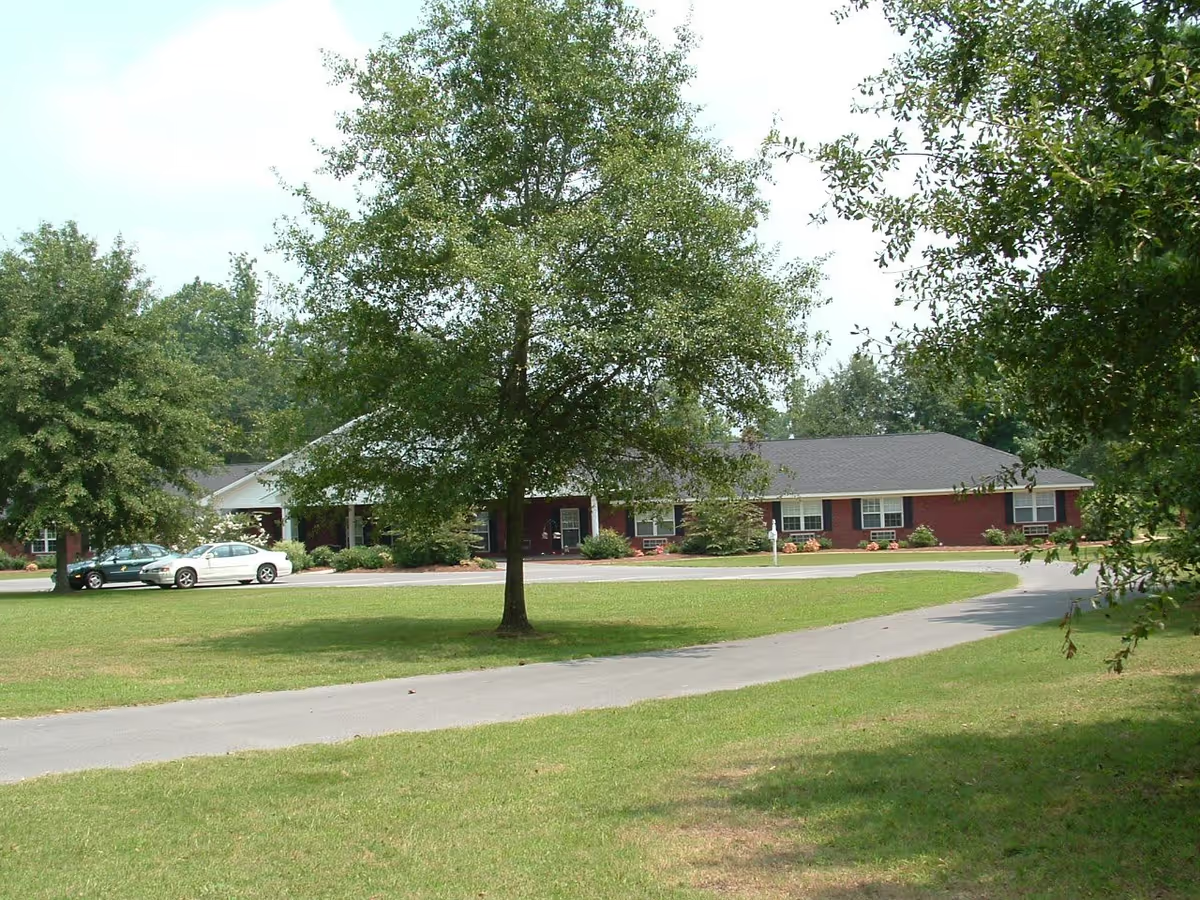
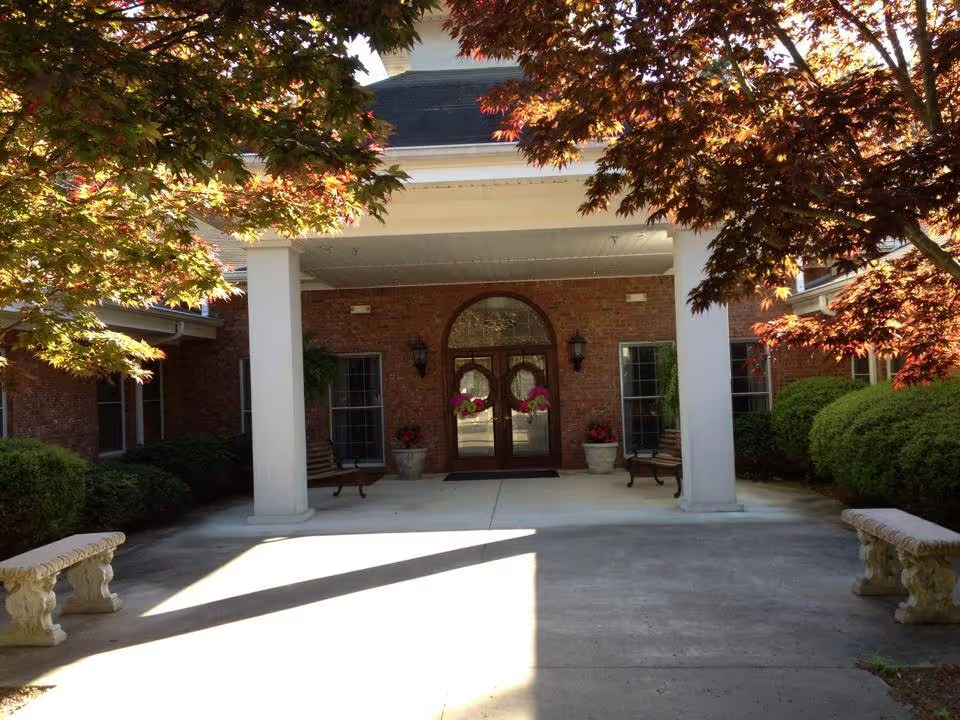
Facility condition and management practices are further areas of contrast. The building is described as aging and in need of upgrades, with notable variability between units (for example, one floor described as better maintained than another). Administrative staff receive praise for accessibility and willingness to help, yet organizational and communication gaps are also reported, which can hinder effective problem resolution and quality assurance. There are serious individual-level claims—including allegations of theft of resident belongings and concerns following a resident’s death—that warrant further review by families and regulators; such claims are distinct from general operational issues and should be investigated separately.
Overall, prospective residents and families should weigh two patterns: a core of committed, caring staff and positive rehabilitation outcomes, and recurring operational shortcomings related to staffing consistency, environmental cleanliness, support services, and facility maintenance. Visiting different units at varied times, discussing staffing ratios and clinical oversight with administrators, reviewing the facility’s quality-improvement plans, and asking about policies for handling personal possessions and incident investigation would help form a clearer, up‑to‑date assessment for decision making.