Overall impression Hanceville Nursing & Rehab elicits mixed but distinct patterns. Many families and visitors praised compassionate direct care, a visible leadership presence, and an effective therapy department that delivered notable recoveries for some residents. The facility is regularly described as clean, well supplied, and physically accessible, with spacious rooms and communal dining areas. Dining is frequently highlighted as a strength—hot meals, menu choices, and prompt reheating are noted—and security staff receive positive mention for protecting residents from external scam attempts.
Care quality and staff Clinical and caregiving strengths are evident: attentive CNAs, nurses, and therapists are credited with hands-on care, grooming, and measurable rehabilitation progress. At the same time, reviewers describe a contrasting cluster of operational concerns. These include lapses in clinical monitoring and incident response for higher-acuity residents (falls, emergency transfers, and concerns following a resident's death are referenced), inconsistent rehabilitation outcomes across stays, and variability in staff professionalism and tone during family interactions. Communication with families is described as proactive in many instances, but phone access and other communication channels are described as unreliable at times. Staffing continuity and identity-verification gaps — for example, uncertainty about who is on shift — are additional operational issues families cited.
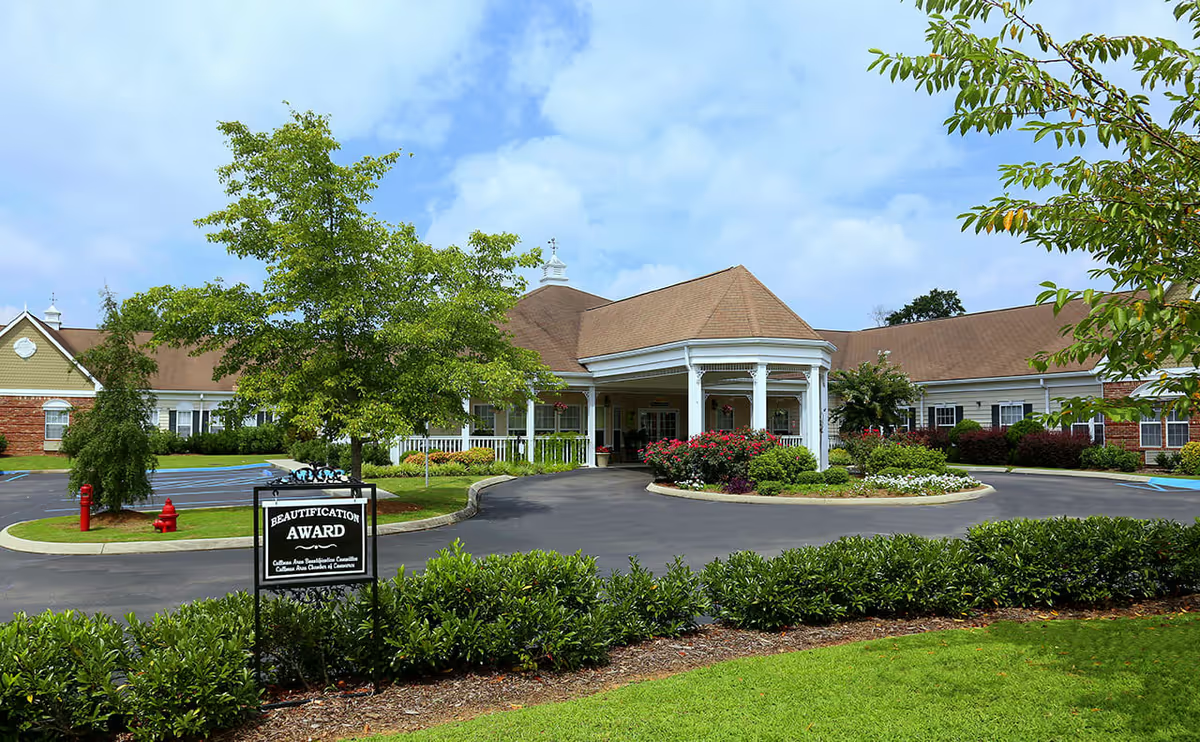
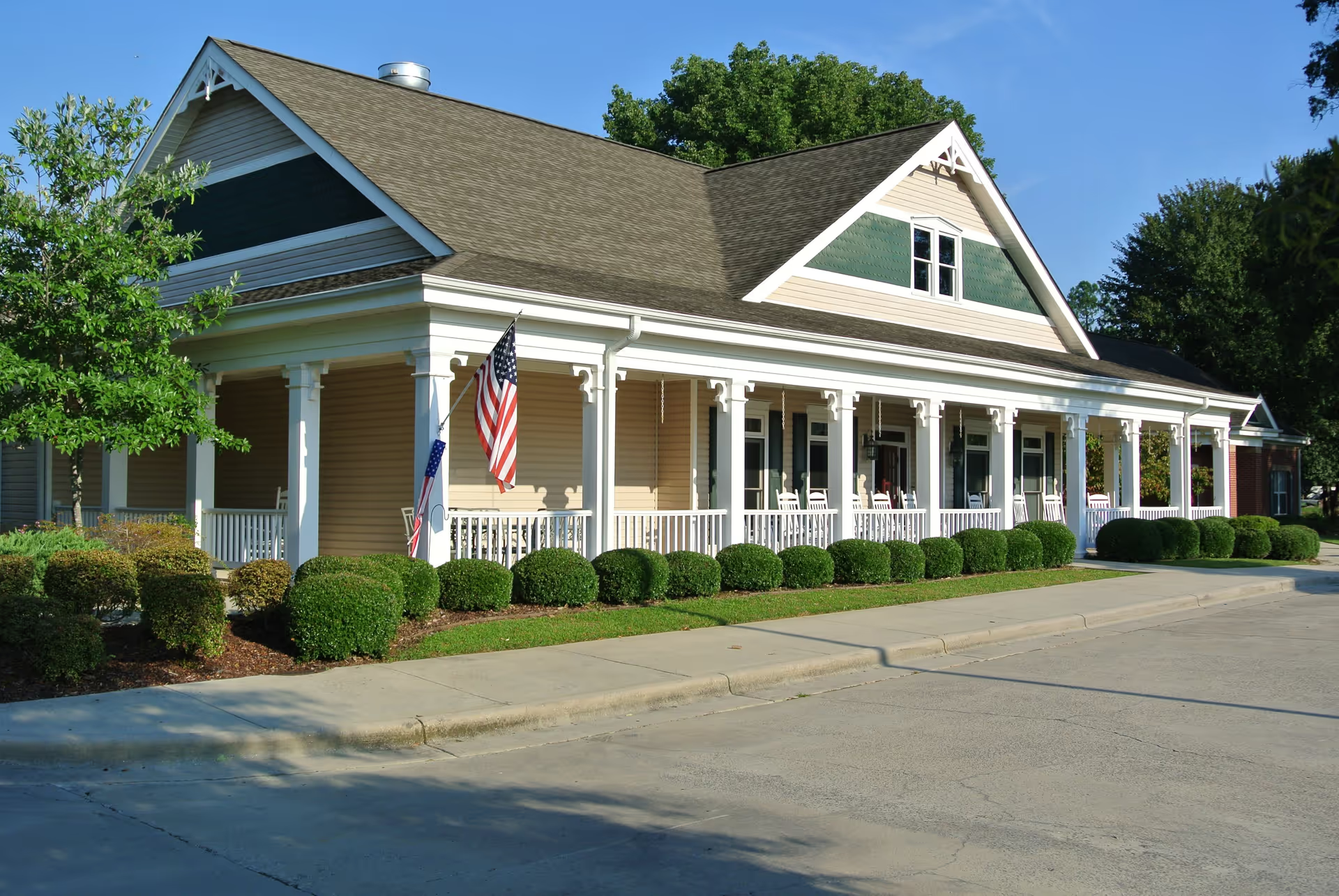
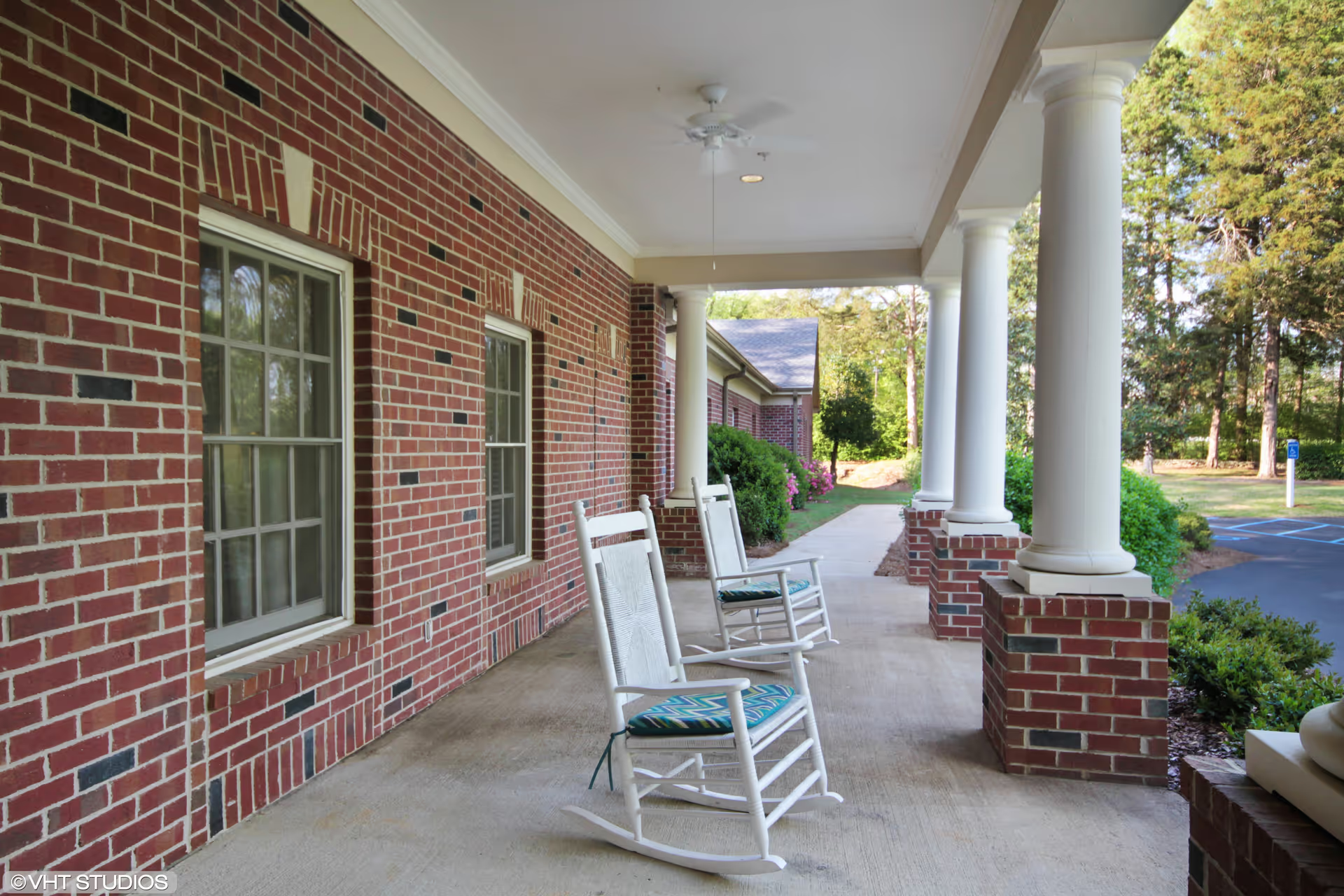
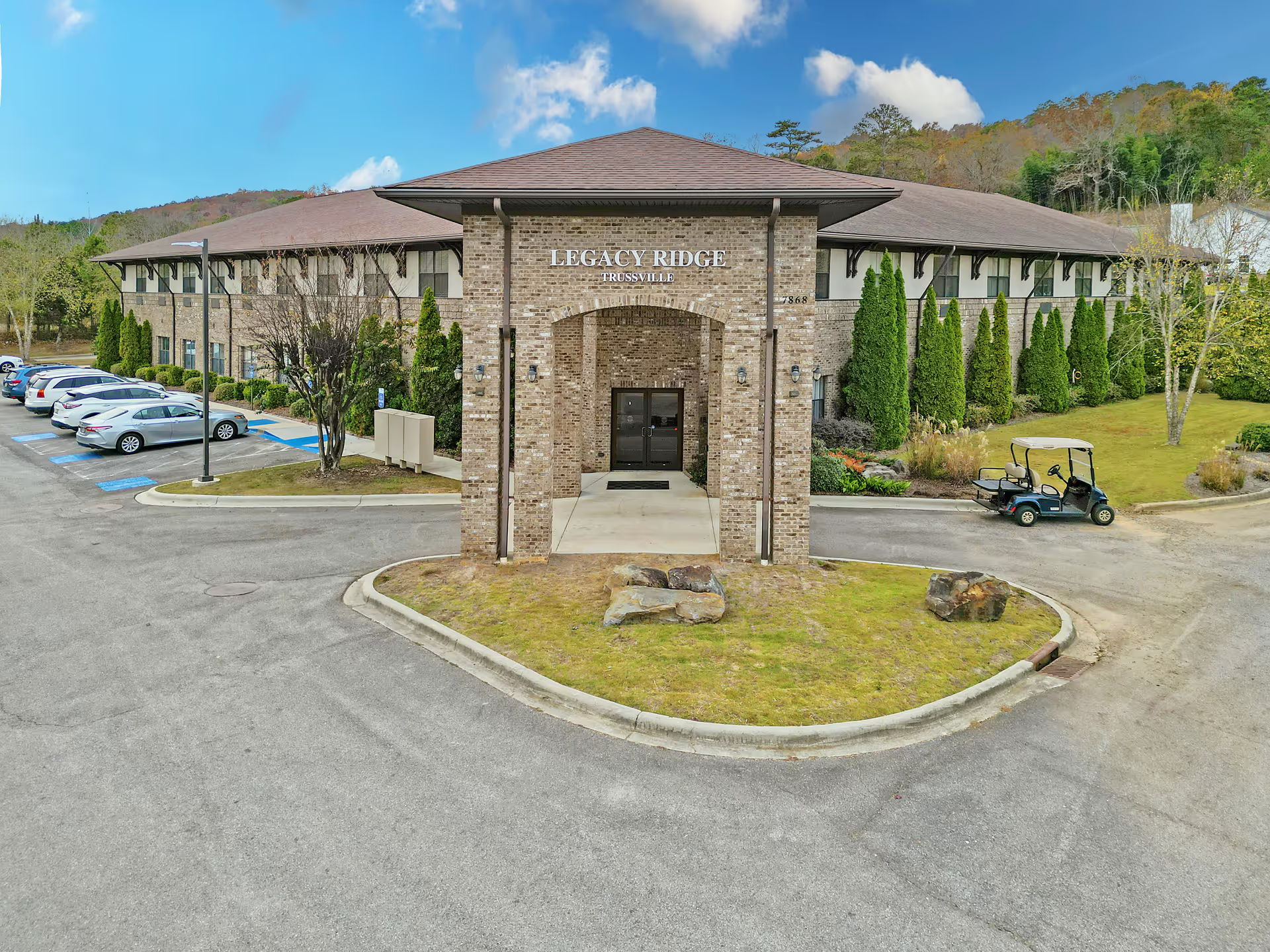
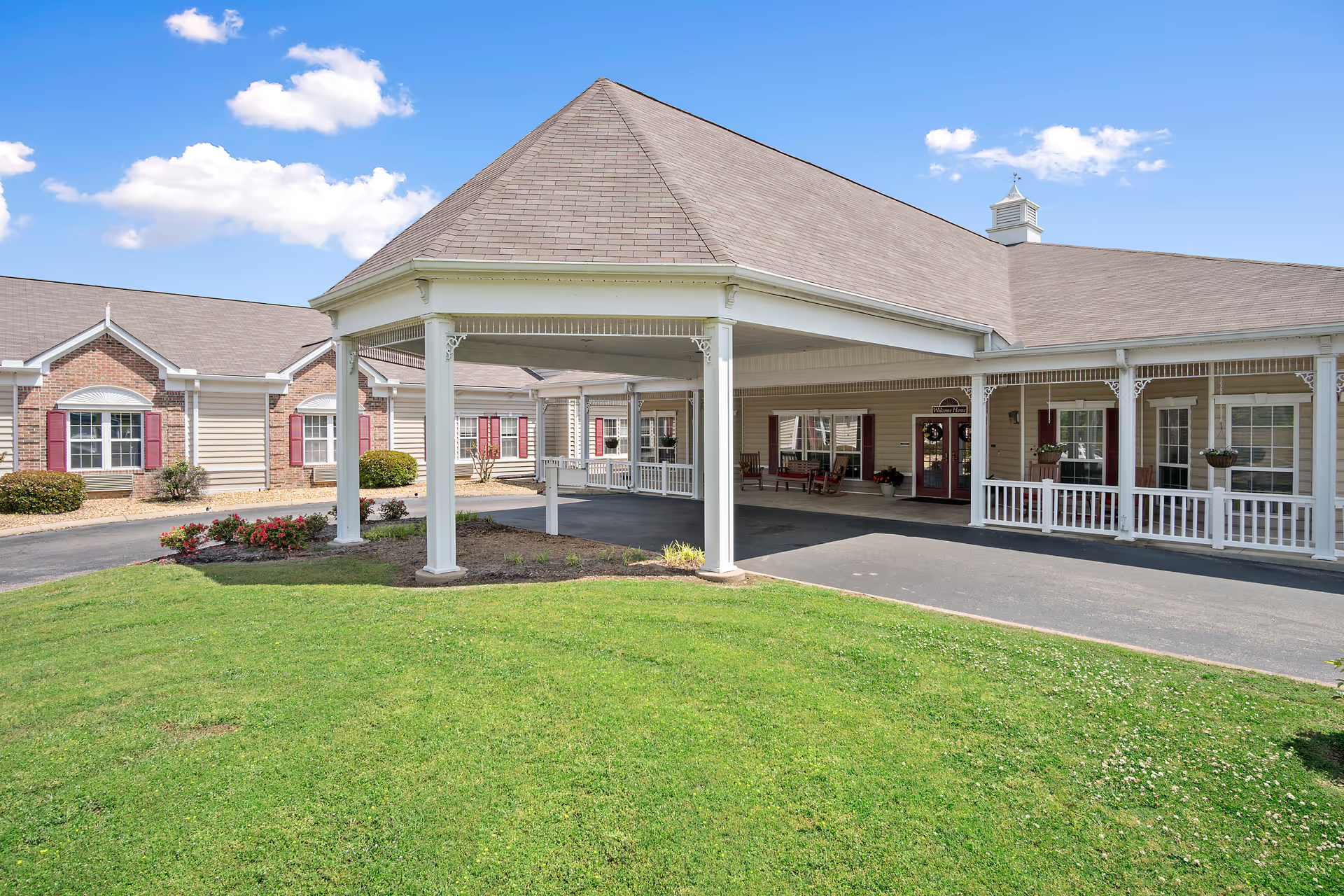
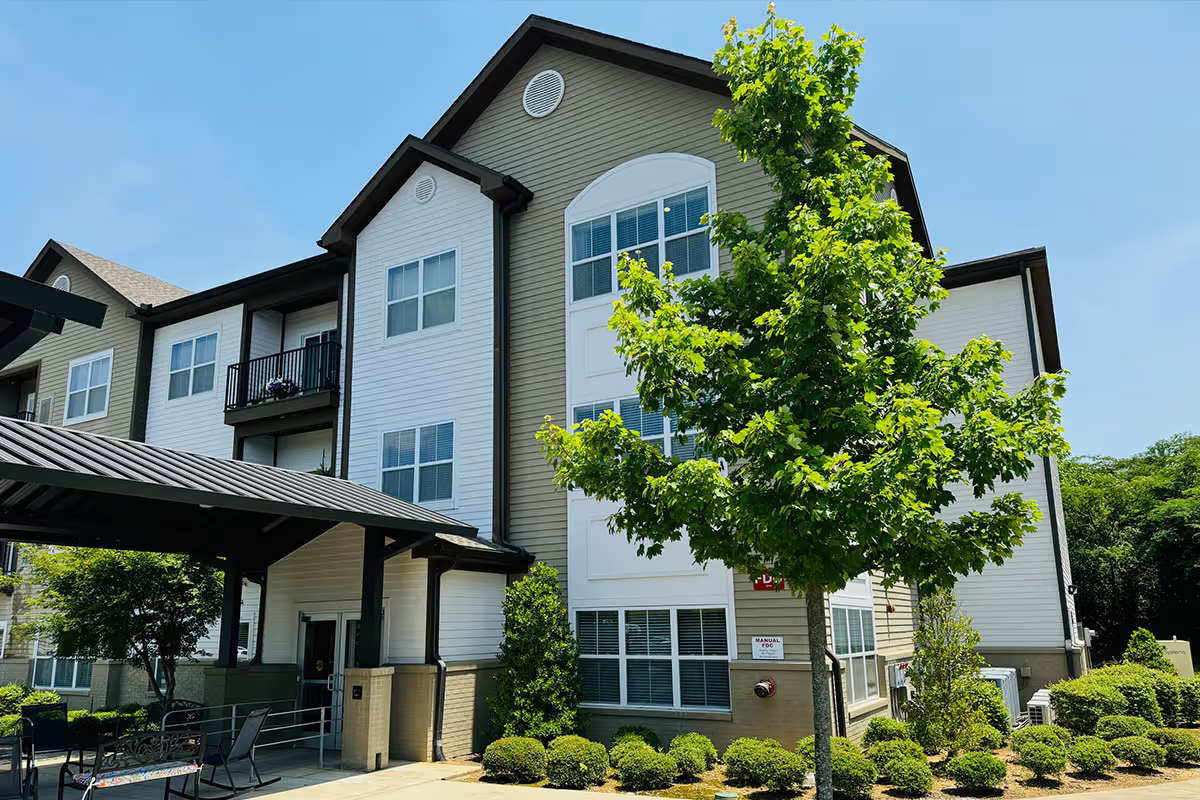
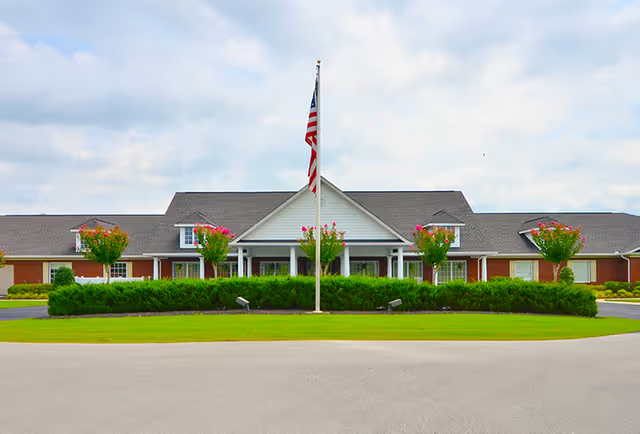
Dining, activities, and facilities The physical plant receives consistently positive remarks: the building is maintained, rooms and common areas are described as roomy and wheelchair-accessible, and recreational programming is active. Meals are generally well regarded for taste and choices, and the facility is said to accommodate reheating and meal alternatives. However, there are concerns about activity programming fit for younger or non-ambulatory residents; reviewers seeking age-appropriate engagement for younger-adult residents found limited options. Overall, the facility's environment and amenities are a clear strength for many families.
Management, policies, and notable patterns The center is privately owned and many reviewers appreciate local management involvement and a family-like culture. Conversely, several operational patterns merit attention: a restrictive age-based admission policy limits placement options for younger adults; deficiencies in HR and grievance-resolution processes were described, including allegations of retaliatory termination after complaints; and visitation policies can be rigid during incident responses. These governance and policy-level concerns, together with the clinical-monitoring issues noted above, create a pattern in which families may encounter either very positive experiences or significant challenges depending on individual circumstances.
Guidance for prospective families Prospective residents and families should weigh the facility's clear strengths in rehabilitation, caregiving warmth, cleanliness, and amenities against documented operational weaknesses. When touring, ask specifically about staffing ratios and continuity, clinical monitoring protocols for high-acuity residents, incident-response and family-notification procedures, phone/communication systems, HR/grievance processes, admission criteria (including any age restrictions), and the availability of age-appropriate activities. These targeted questions can help clarify whether the facility's strengths align with an individual resident's clinical needs and family expectations.