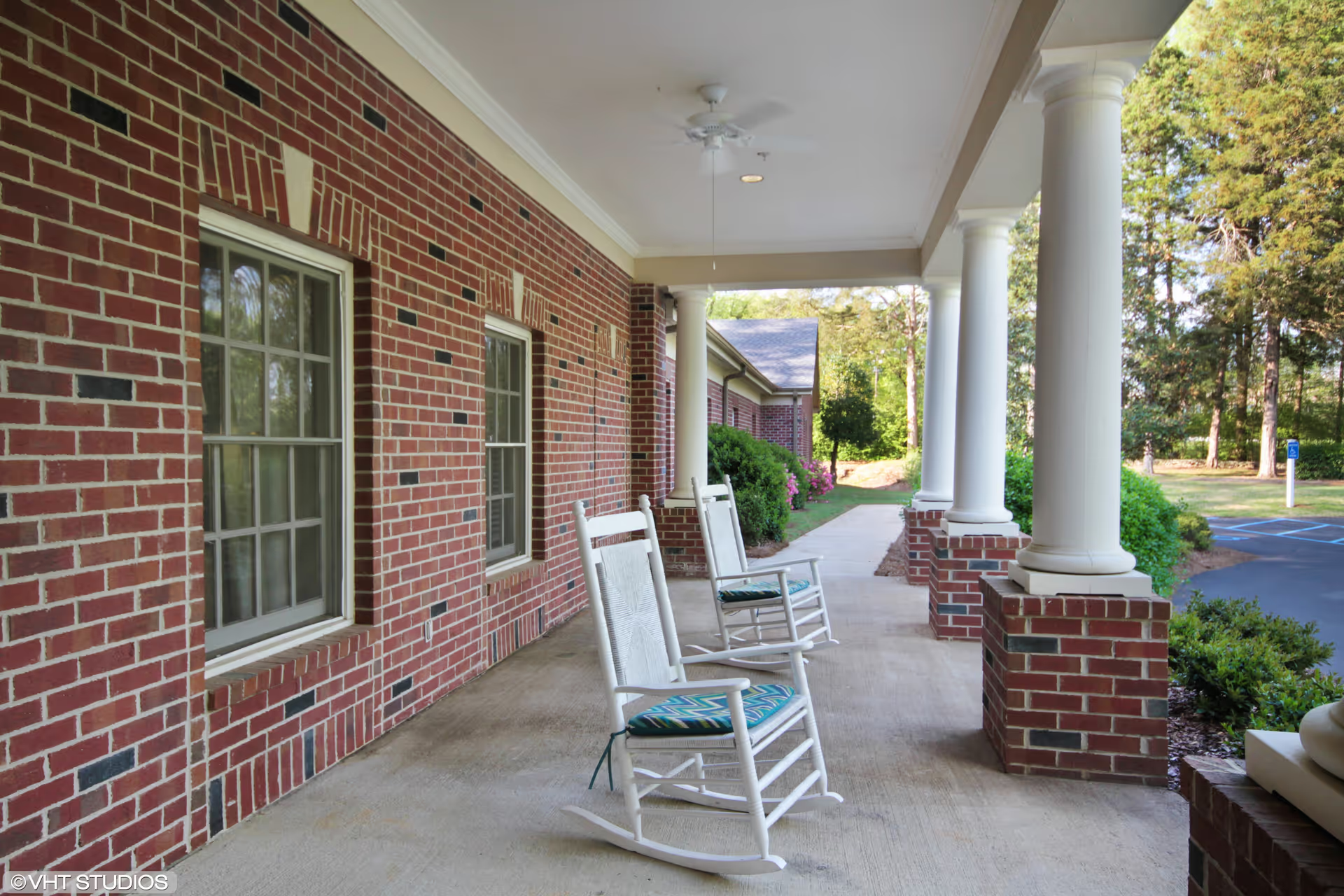
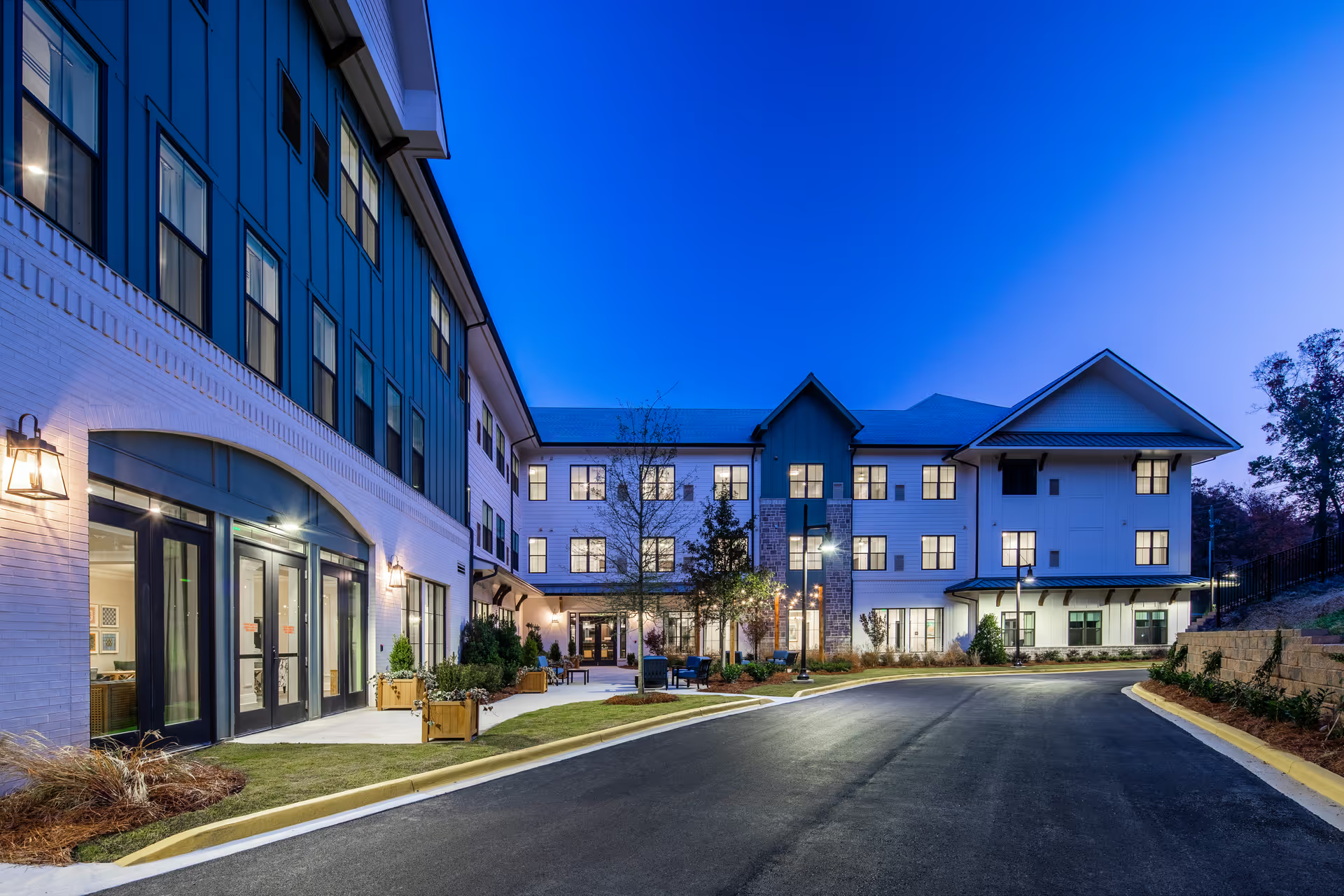
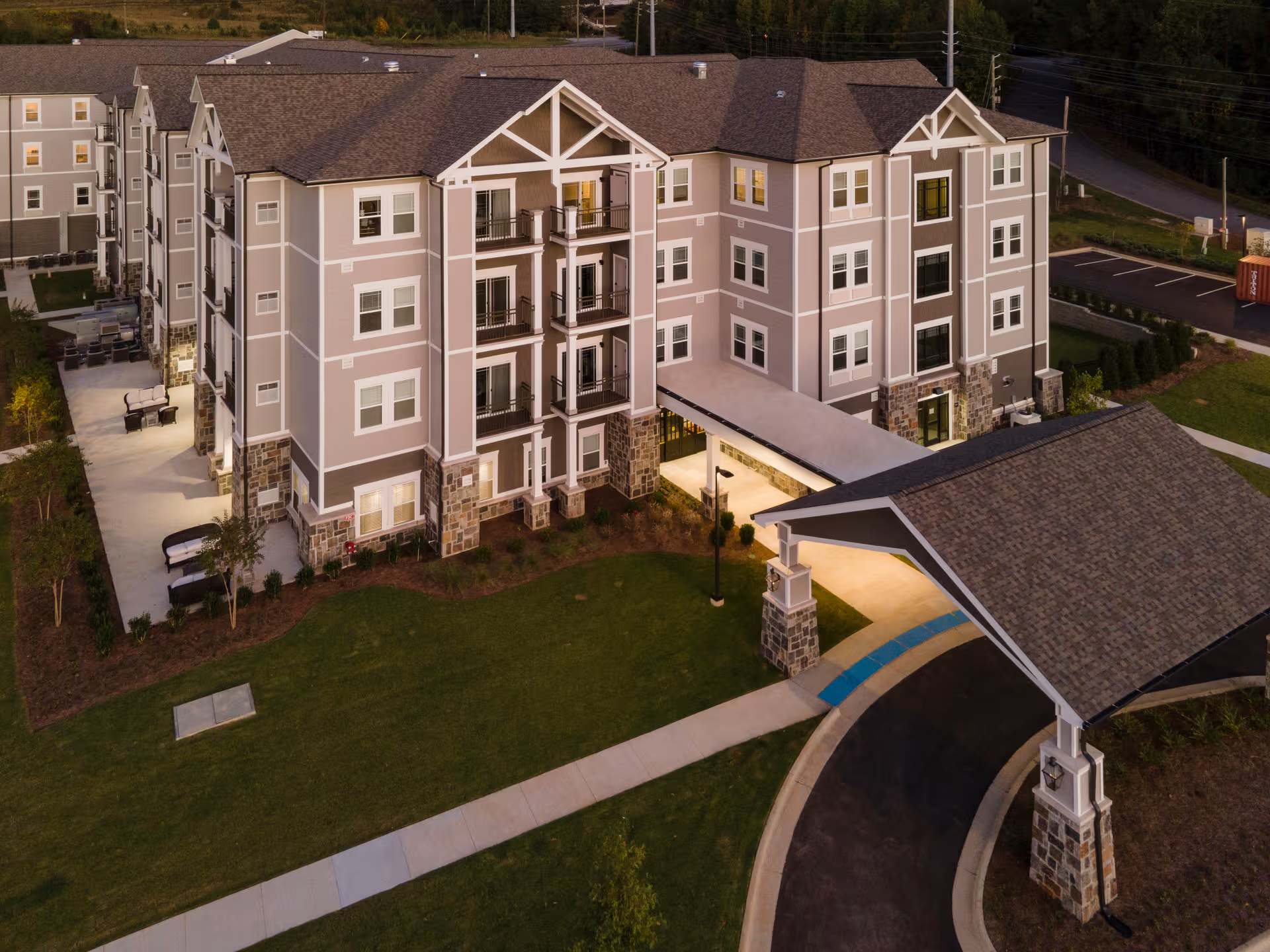
Volante Senior Living of Peachtree presents a mixed but distinct profile. Strengths that emerge consistently include a friendly, attentive caregiving staff and an engaged executive director who many families describe as accessible and proactive. The physical plant and apartments receive frequent praise: well-maintained grounds, bright interiors, spacious floor plans with full kitchens, accessible bathrooms, and routine housekeeping create a comfortable independent- and assisted-living environment. The community offers restaurant-style dining with chef-prepared meals and menu choices, a broad schedule of activities (exercise classes, arts and crafts, clubs, movie nights, and outings), and transportation for errands and worship services. Several accounts also highlight practical supports such as move-in help, dialysis transport coordination, and regular wellness checks.
Care quality and staffing present a mixed picture. Many families commend staff for personalized attention, frequent check-ins, and a family-like atmosphere that supports recovery and everyday well-being. At the same time, reviews indicate operational concerns: leadership and ownership changes, episodes of high staff turnover, and uneven training appear to have produced variable experiences across residents. There are specific concerns about infection-control practices and hygiene protocol consistency; these items have prompted elevated family scrutiny and, in some cases, formal complaints to regulatory bodies. Reviewers also flagged limitations in clinical capability for residents with dementia or higher-acuity needs, suggesting the community may not be uniformly equipped for complex memory-care or advanced medical needs.
Dining, activities, and amenities are generally strong selling points, with many residents enjoying daily programming, holiday events, and accessible communal spaces (exercise room, library, movie room). However, there are countervailing accounts of cost-management decisions affecting menu offerings and activity frequency. Some families described reductions in meal quality or substitutions that felt inconsistent with prior expectations. Transportation and activity utilization also appear variable; when the community’s bus and outing schedule are fully used, families note good quality of life benefits, but there are reports of underused services at times.
Facility maintenance and management oversight show both positives and deficits. While many reviews praise cleanliness and décor, others cite sanitation concerns, pest-control and maintenance lapses, and intermittent infrastructure issues (for example, elevator reliability and common-area upkeep). Contractual and financial handling has emerged as another area of concern: complaints about contract clarity, deposit refunds, and responsiveness to dispute resolution have generated Ombudsman involvement in select cases. These operational weaknesses coexist with instances of strong, hands-on leadership and staff who go beyond job duties to support residents.
Practical guidance for families: arrange an in-person tour that inspects apartments, common areas, and recently maintained infrastructure; ask for written infection-control and staff-training protocols; clarify the facility’s capabilities for dementia and higher-acuity care and any transfer policies; request current staffing ratios, recent maintenance/pest-control records, and sample menus; and review contract terms for refunds and dispute procedures. Overall, Peachtree offers substantive strengths in social programming, dining, and a caring culture, but prospective residents should verify consistency in management practices, clinical readiness, and operational transparency before committing.