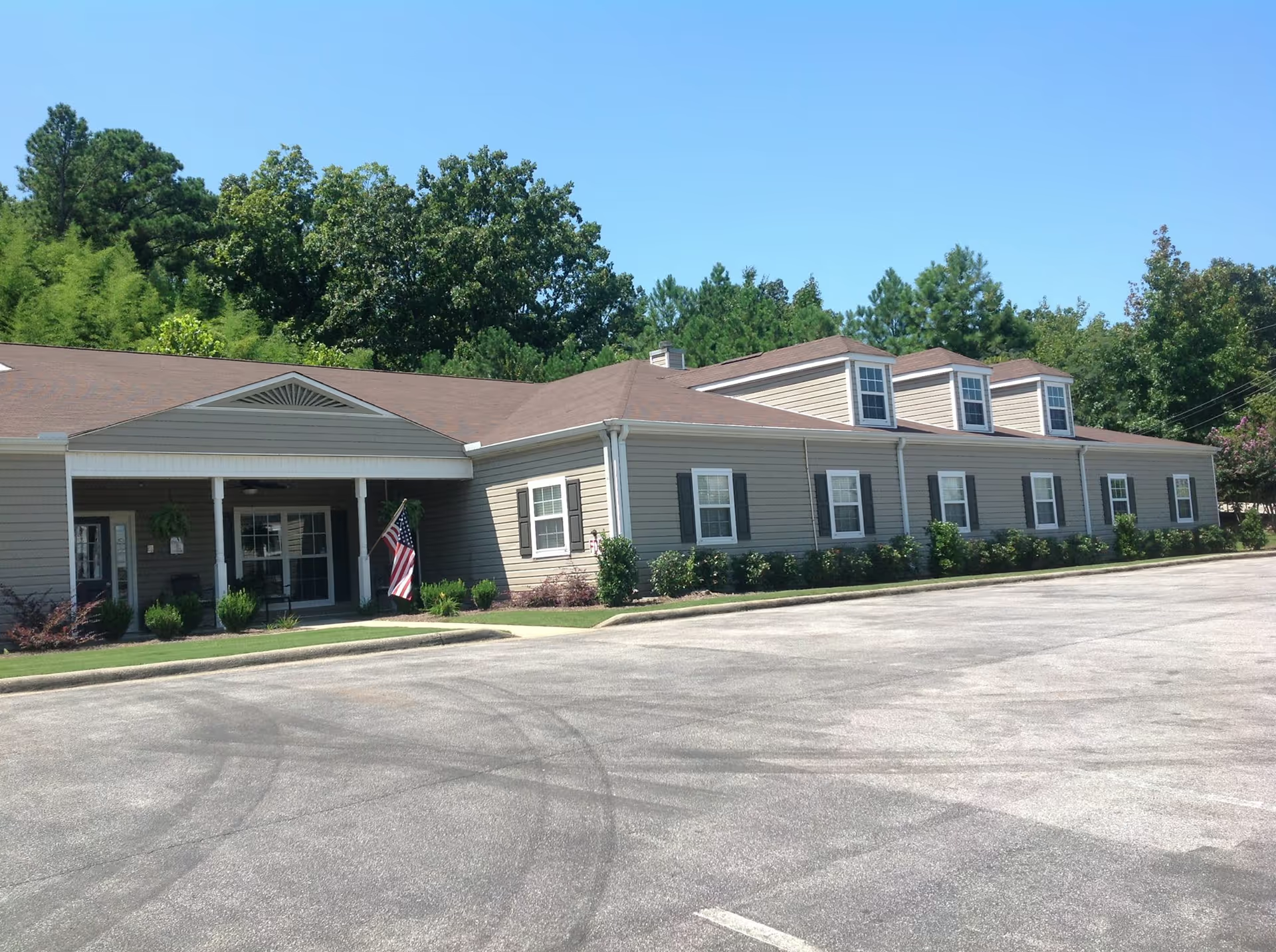
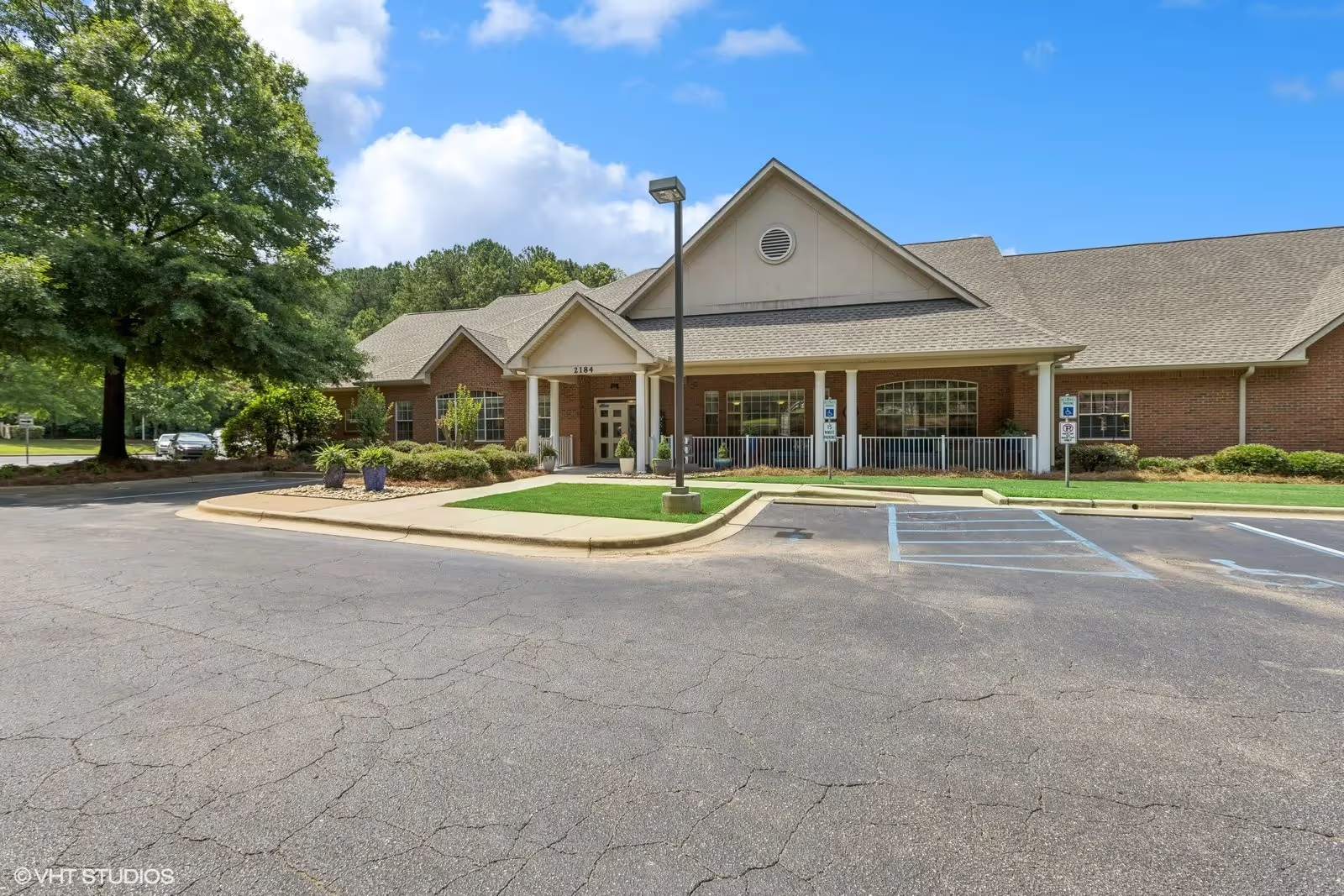
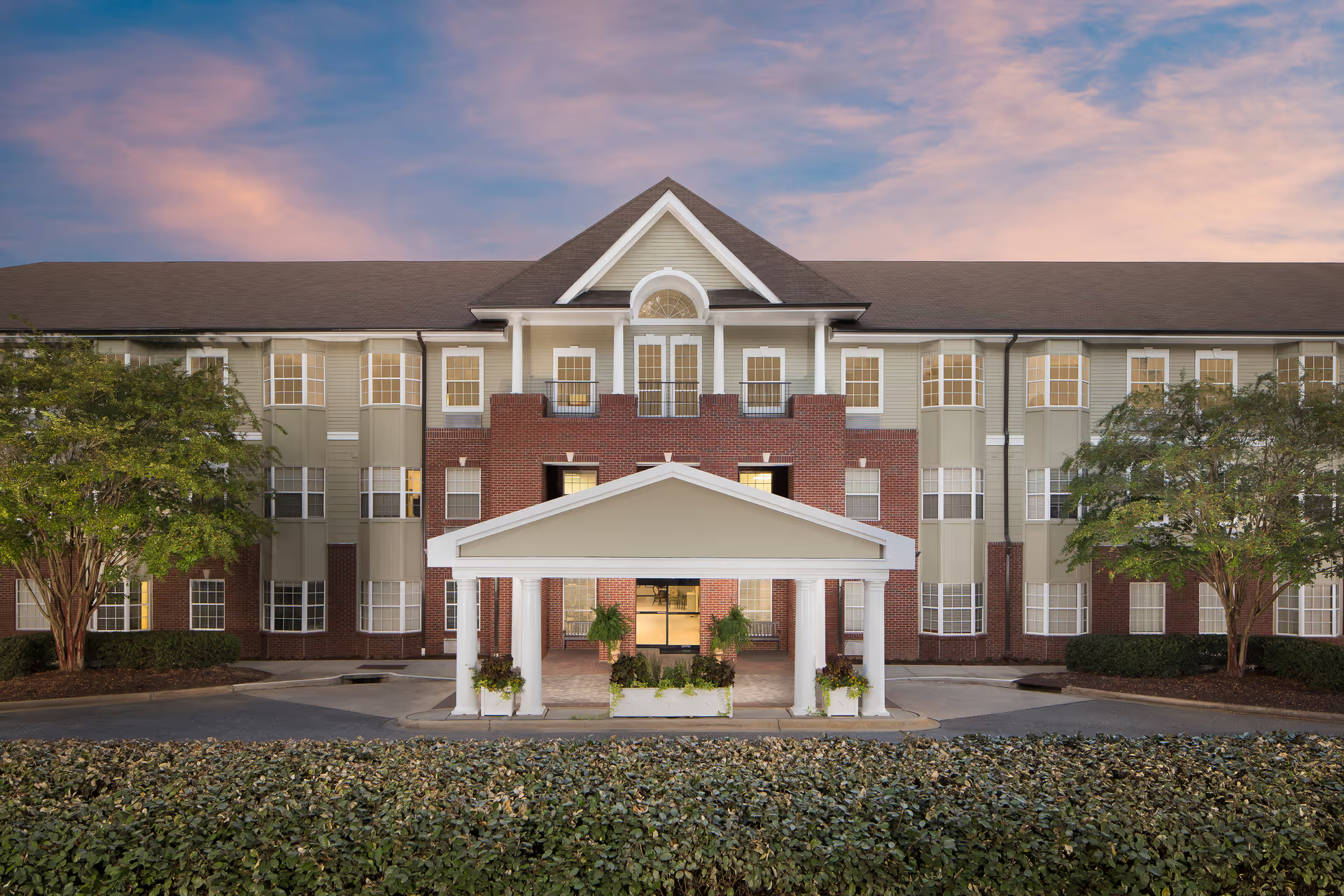
Maplewood Lane projects a consistently home‑like, small‑community model of assisted living. Reviewers commonly describe a clean, recently renovated interior with a welcoming dining area and regular home‑cooked meals. The facility’s size and layout — short corridors, close proximity of rooms to common spaces, a front porch with rocking chairs, and lake views — contribute to a residential atmosphere that many families find comforting. Owner and director involvement is a notable feature; several reviewers cite visible leadership presence and long‑tenured staff as stabilizing factors.
Care quality is portrayed as generally compassionate and hands‑on. Many families praised attentive caregivers, assistance with bathing and showering, private rooms with en‑suite bathrooms, and onsite physical therapy offered multiple times per week. The staff is frequently described as friendly and loving, and reviewers report that individualized attention helps residents feel special. At the same time, there are recurring notes about variability in staff preparedness and responsiveness: some visits and transitions were handled smoothly, while others reflected lapses in readiness or tone. There are also explicit concerns about the facility’s capacity to meet complex cognitive‑impairment needs; prospective residents with moderate to advanced dementia should confirm the availability of dementia‑specific programming and staff training.
Dining and social programming are strengths for many residents. Reviewers highlight enjoyable home‑cooked meals, an appealing dining room, snacks between meals, and social offerings such as Bible study, bingo, board games, live music visits, exercise sessions, puzzles, and a small library. These activities and regular communal meals reinforce the close‑knit feel of the community and are cited as sources of enjoyment and peace of mind by families.
Operationally, the facility shows both positives and areas for improvement. Interior maintenance and cleanliness receive consistent praise, but the exterior and curb appeal were called out as needing upkeep. Room sizes vary, and several reviewers noted that some private units are compact with limited storage; there are also comments about unclear room‑type descriptions (for example, units presented as one‑bedrooms that resemble studios). Pricing is perceived by some as high relative to the level of service and space provided, and historically the facility has had limited openings, which affects immediate placement options. Post‑move processes also show inconsistency: while the owner may check in at move‑in, some families experienced gaps in paperwork completion and follow‑up communication after admission.
For prospective residents and families: Maplewood Lane is likely to be a good fit for those seeking a small, renovated, home‑style assisted living community with attentive staff, robust communal programming, and strong owner involvement. Visitors should conduct an in‑person tour, verify room dimensions and floorplan details, ask about dementia care protocols and staff training, review staffing patterns across shifts, confirm how post‑admission communication and paperwork will be handled, and compare pricing against included services. These targeted questions will help determine whether the facility’s strengths align with a prospective resident’s clinical and social needs.