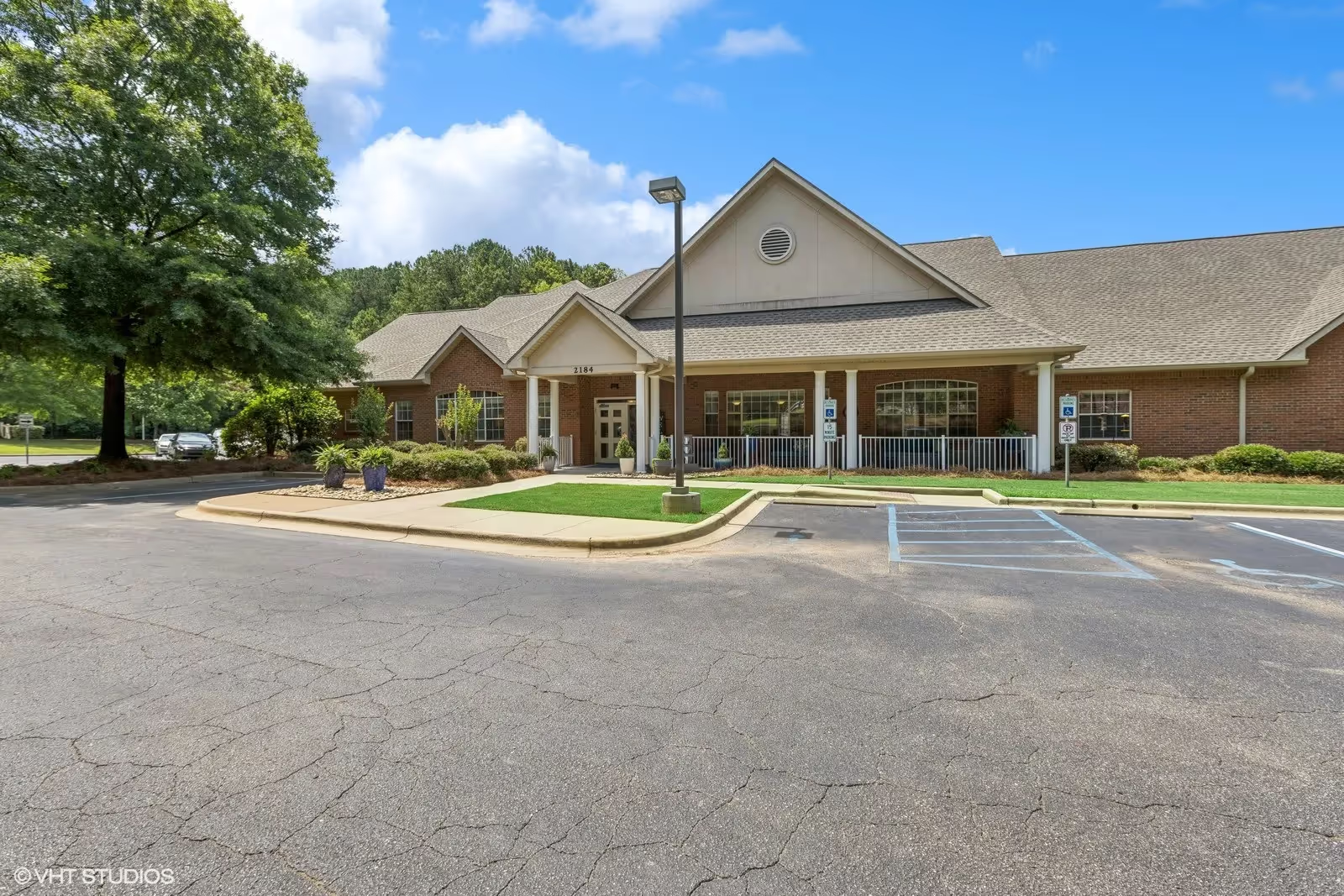
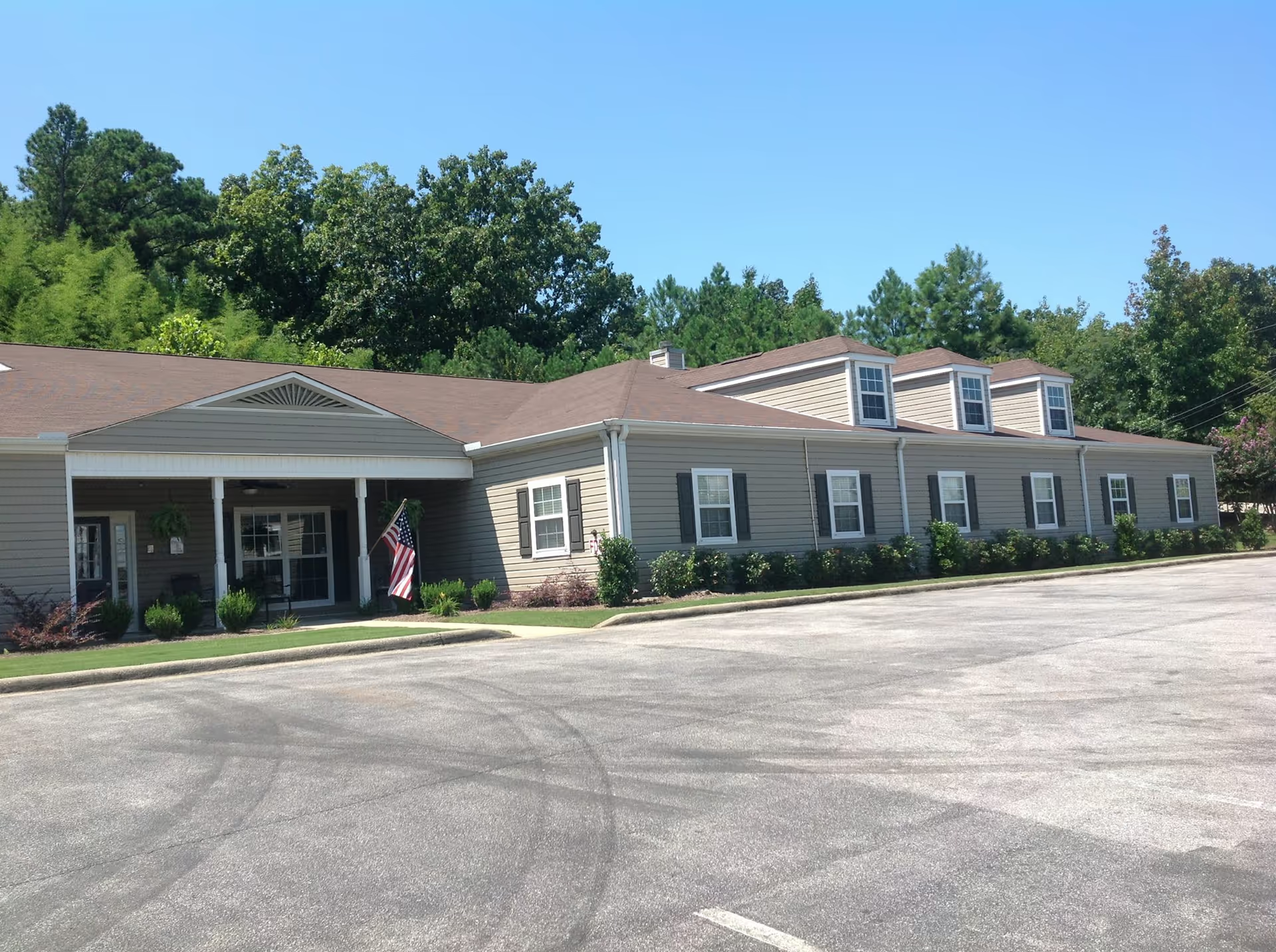
Aspire Physical Recovery Center at Hoover presents a strongly mixed picture. Many families and residents praise the facility's rehabilitation capabilities: physical, occupational, and speech therapy are repeatedly described as skilled, goal-oriented, and effective in restoring function and facilitating discharge home. The building and rehab spaces are noted as clean, modern, and well-equipped, and several reviewers described successful recoveries and positive therapy outcomes.
At the same time, operational inconsistencies create substantial variability in day-to-day care. Nursing responsiveness — especially call-light response times and timely delivery of pain or PRN medications — is a frequent concern. Medication-administration problems and delays are described across multiple accounts, and there are recurring descriptions of inconsistent incontinence care and bathing frequency. These operational shortfalls are frequently linked by families to staffing constraints, rotating staff, and high workload on available caregivers.
Staffing and conduct are another area of contrast. Numerous individual employees (nurses, aides, therapists, and social workers) receive specific praise for compassion, skill, and helpfulness; named staff are often highlighted as making a positive difference. Conversely, other reviewers describe variable professionalism, personal-device distractions, and inconsistent bedside conduct. This variability appears tied in some cases to turnover, long shifts, and understaffing on particular shifts.
Dining, housekeeping, and activities show similar unevenness. The facility and some meal offerings earn compliments for presentation, portion size, and taste, and guest-meal options and visitation flexibility are appreciated. However, reviewers also cite cold meals, limited menu accommodations, and occasional diet-plan errors. Housekeeping is described as generally good in many accounts but inconsistent in others, and activity programming exists but engagement and staffing for activities can be uneven.
Management, communication, and administrative processes receive mixed reviews. Several families singled out social workers and administrators who were proactive and effective in coordinating care and transitions. In other cases, reviewers describe poor communication about care plans, discharge timing, physician visits, and insurance paperwork; billing disputes and pressure around payment also appear in multiple accounts. A small number of reviews reference serious adverse events, hospital readmissions, and concerns following a resident's death, underscoring the importance of clear clinical escalation protocols and family communication.
Overall pattern and guidance: Aspire Hoover appears to offer strong rehab services within a well-appointed facility, with many staff who provide compassionate, effective therapy and support. At the same time, persistent operational issues — especially inconsistent nursing responsiveness, medication management lapses, housekeeping variability, and care-coordination/billing problems — create risk for poorer experiences. Prospective residents and families should evaluate the facility by observing nursing responsiveness during the visit, asking for written medication-administration and escalation protocols, clarifying staffing levels for the expected care needs, confirming dietary accommodations in writing, and documenting discharge and billing arrangements. Those seeking robust, reliable skilled-nursing oversight should verify clinical supervision and communication expectations before admission.