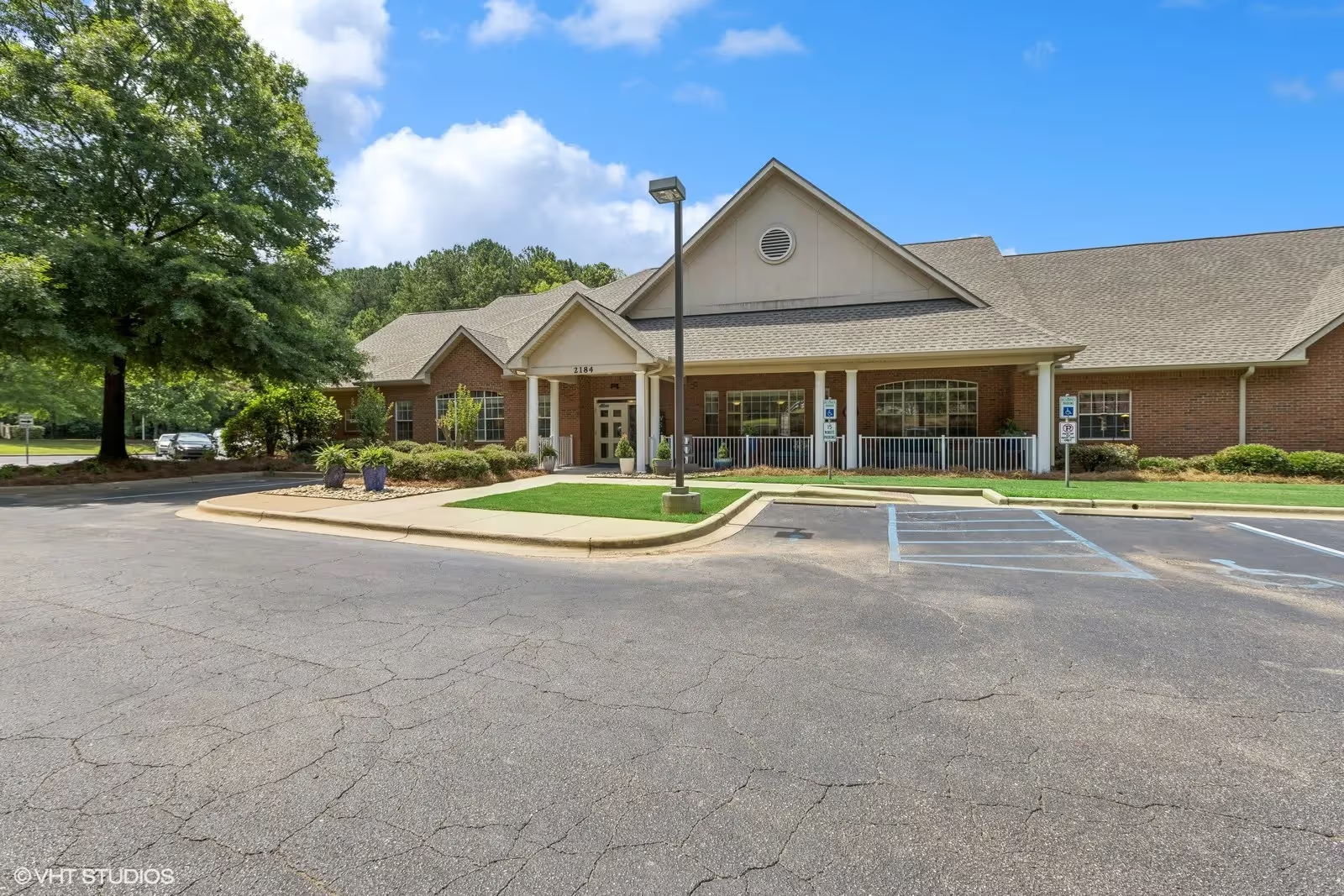
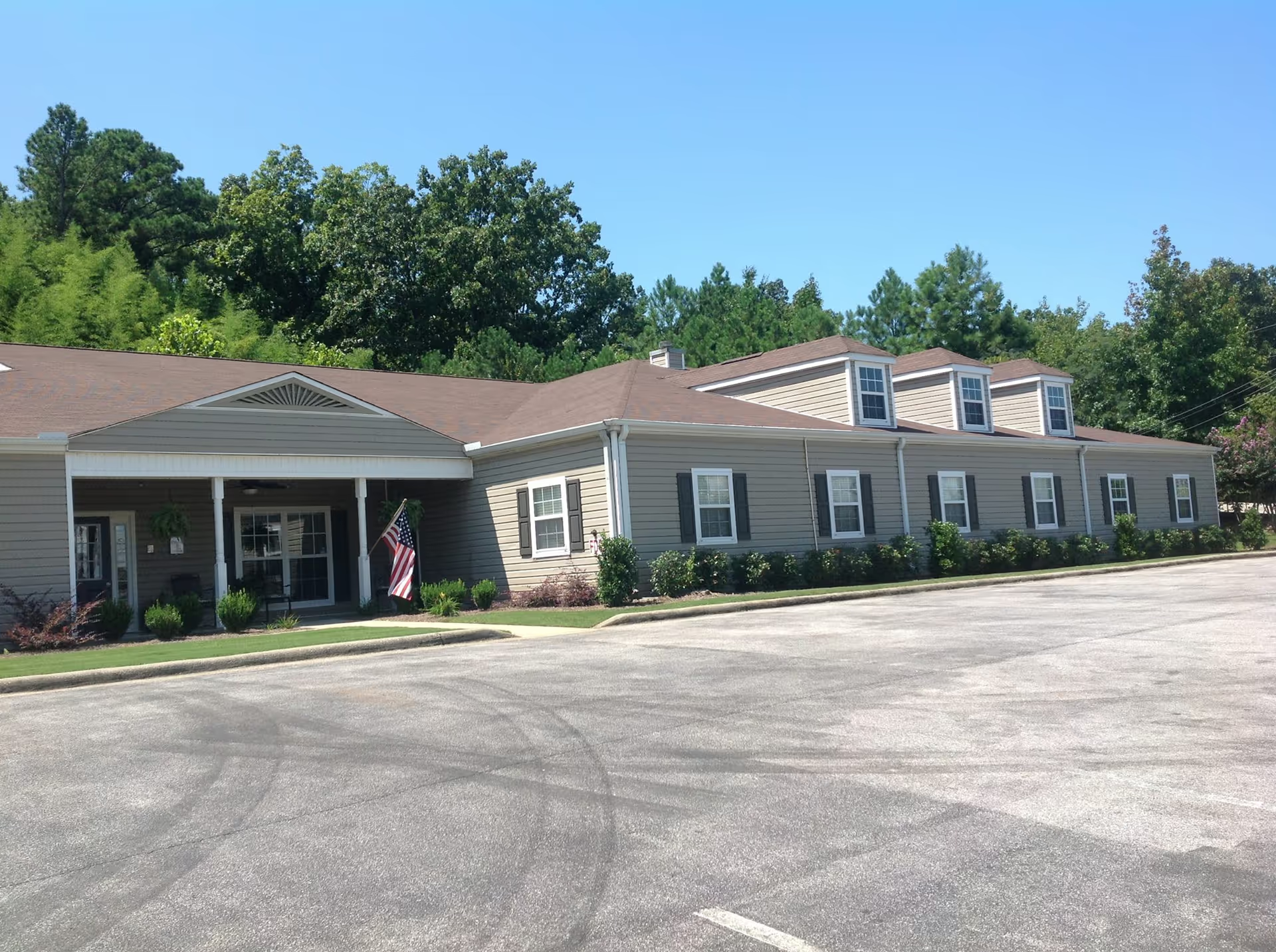
Briar Glen presents as a memory-care-focused assisted-living community with several clear strengths and a number of operational inconsistencies. The facility's design — a single-level layout with secure, gated courtyards and multiple outdoor seating areas — is frequently cited as conducive to dementia care. Many families describe a warm, home-like atmosphere and praise direct-care staff (PCAs and aides) for being affectionate, patient, and attentive. Nursing staff and a medical director are present and, in numerous accounts, maintain good communication with families about clinical issues.
Care quality is mixed. Positive accounts emphasize compassionate, dementia-aware caregiving and an engaged activities department that offers music, religious services, chair exercise, holiday events, and one-on-one engagement. Conversely, a substantial pattern of clinical concerns appears across reviews: medication-administration errors or lapses in following physician orders, frequent hospital transfers for medical events, and limited capacity to manage more complex medical needs (for example, advanced diabetes care). Weekend coverage is a recurrent issue, with families noting skeleton staffing and limited nurse or physician availability outside weekday hours.
Dining and activities are similarly mixed. The kitchen is frequently willing to accommodate resident preferences and special requests, and some reviewers praise the food and a named dietary contractor. However, others report inconsistent meal quality, odd menu combinations, and occasional underprepared items. Activity offerings are robust in many accounts — including group games, musical guests, church services, and exercise classes — but several families also describe periods when residents were bored or left in passive settings (for example, sitting in a TV room). This suggests variability in how consistently the activity program is delivered across shifts or units.
Facility condition and operations reveal contrasts between appearances and deferred maintenance. Many visitors and families describe clean dining and common areas, large rooms, and well-kept outdoor spaces. At the same time, multiple reviews note dated interiors, cleaning and painting needs (doors, door facings), clogged plumbing or delayed repairs, intermittent odor concerns, and inconsistent housekeeping or laundry practices. These operational issues are facility-level traits that affect daily life and indicate an uneven maintenance plan.
Management and administrative practices show polarization. Several reviewers commend admissions staff, move-in support, and a responsive business office; others describe aggressive sales pitches, poor follow-through, undisclosed or nonrefundable fees charged after move-in, and inadequate communication during clinical incidents or hospital transfers. There are also a small number of serious individual allegations — including theft and regulatory concerns — that families flagged; these are not the dominant theme but merit careful inquiry during a tour.
Notable patterns for prospective families: direct caregiving staff are widely regarded as a primary strength, while system-level functions (clinical oversight, weekend staffing, maintenance, laundry, and billing transparency) are the areas with the most variability. When evaluating Briar Glen, families should ask specific questions about weekend staffing ratios and on-call physician coverage, medication-administration protocols and incident reporting, laundry and housekeeping schedules, plumbing/maintenance turnaround times, activity staffing consistency, and the facility's fee disclosure policy. A focused tour that includes interviews with nursing leadership and a review of staffing schedules and written policies will help determine whether the community’s strengths align with a specific resident’s clinical and social needs.