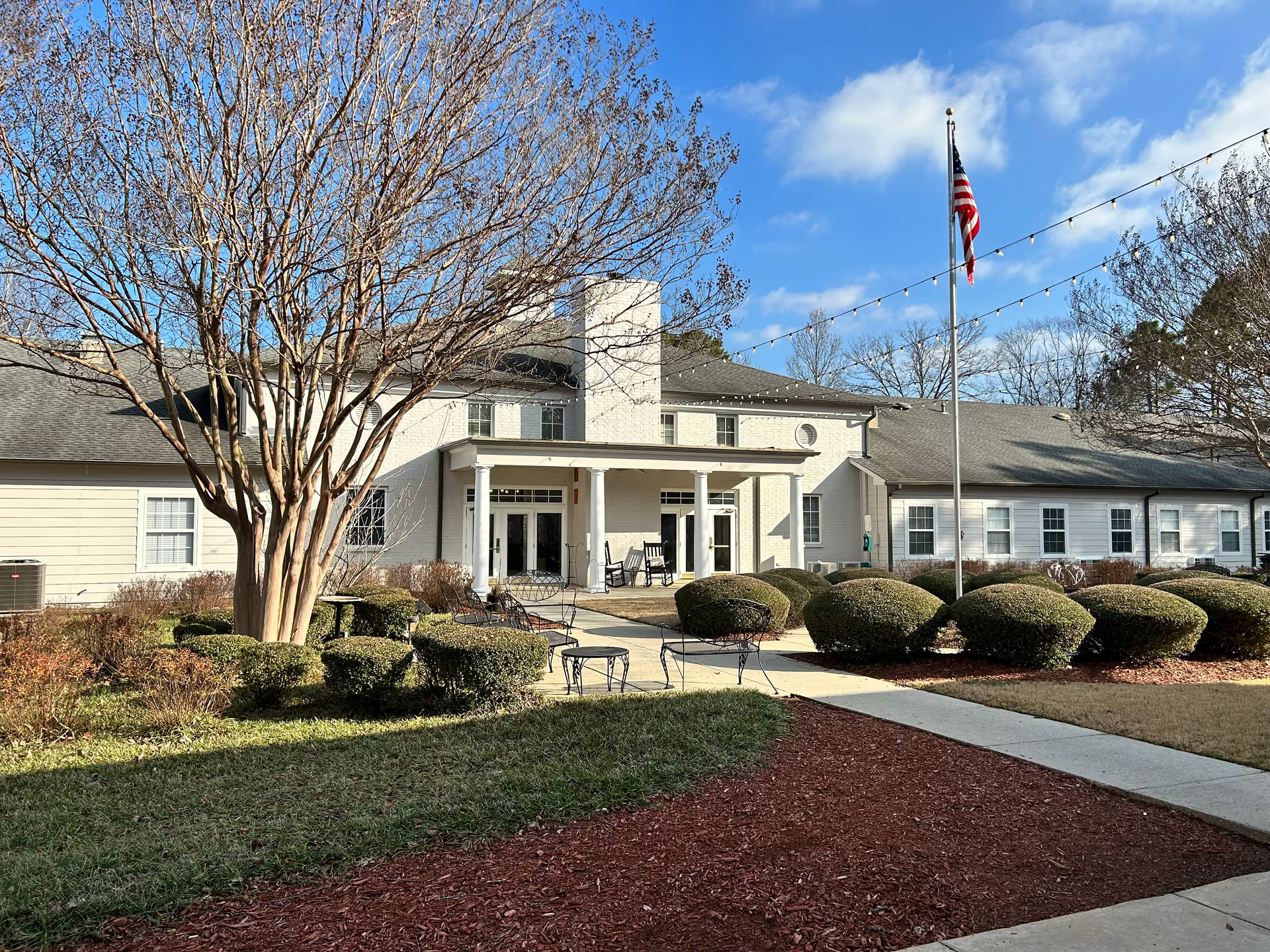
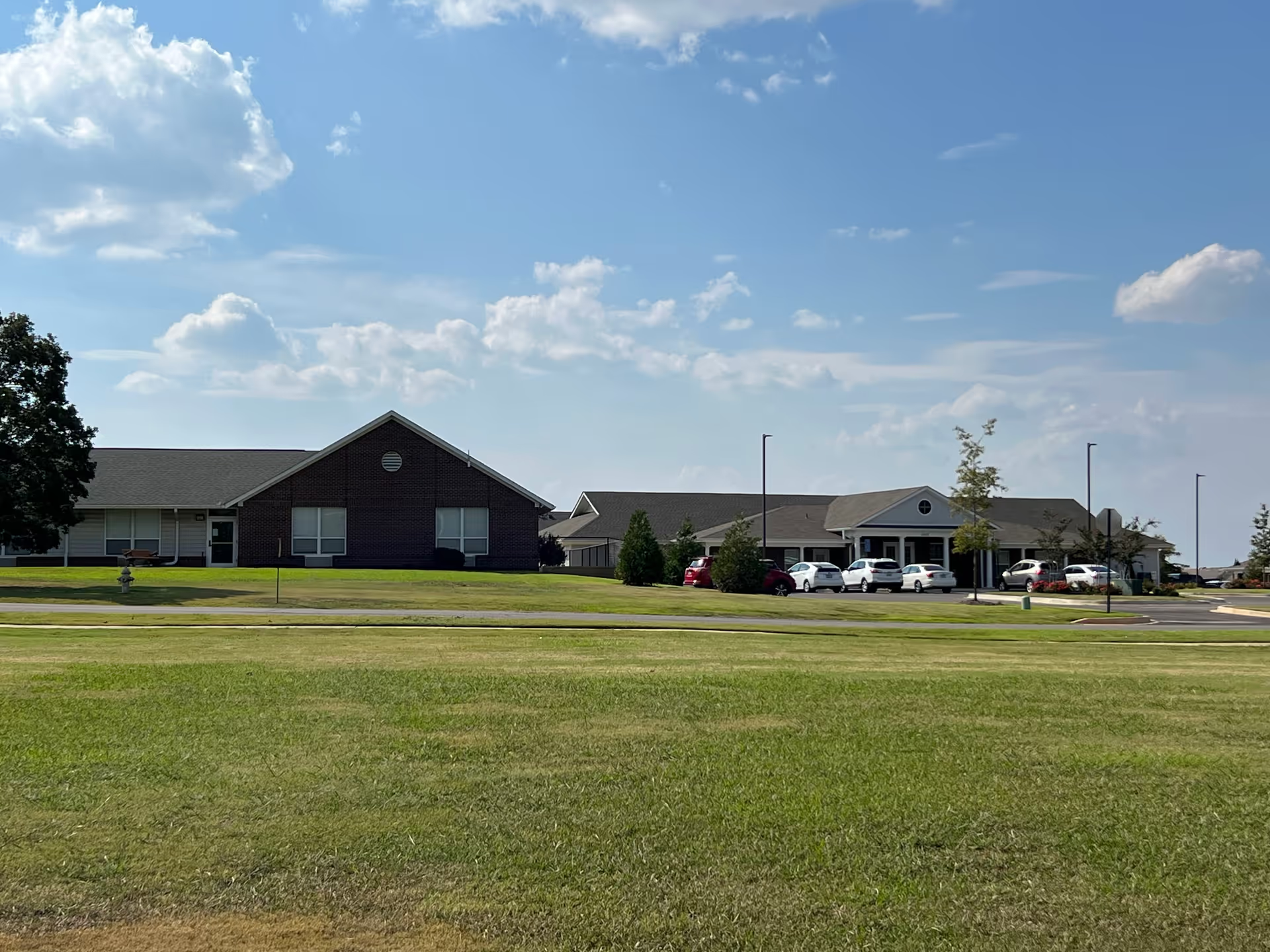
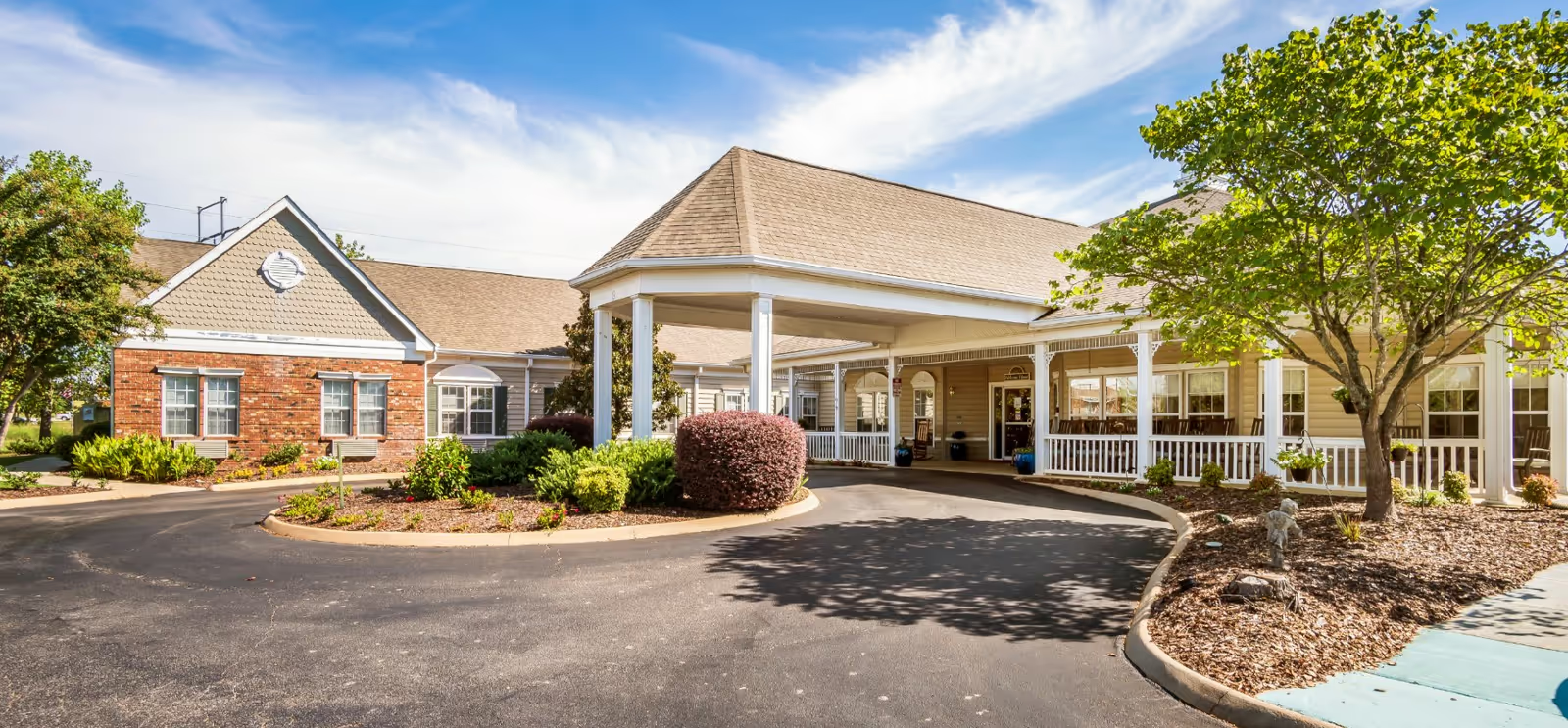
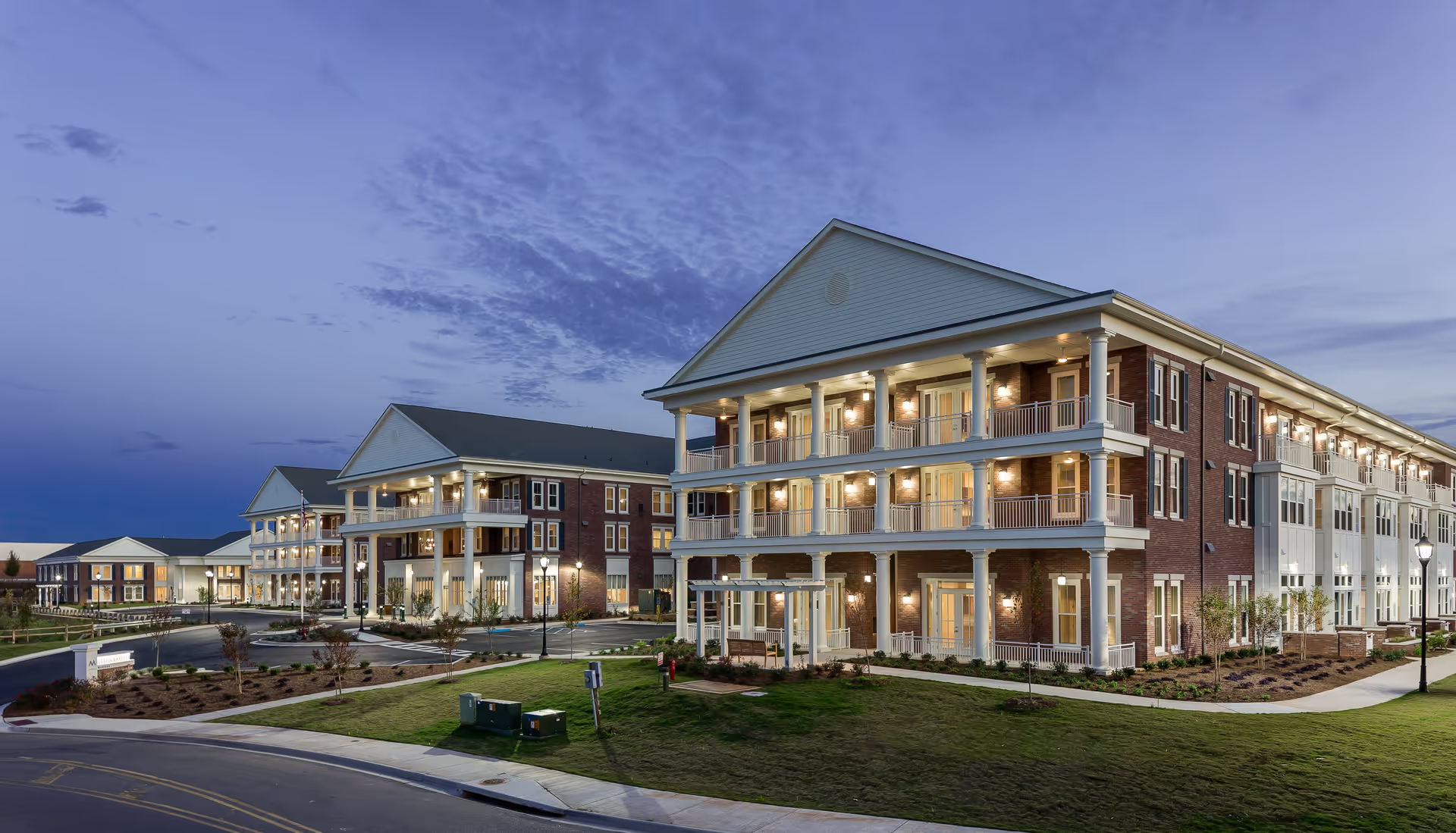
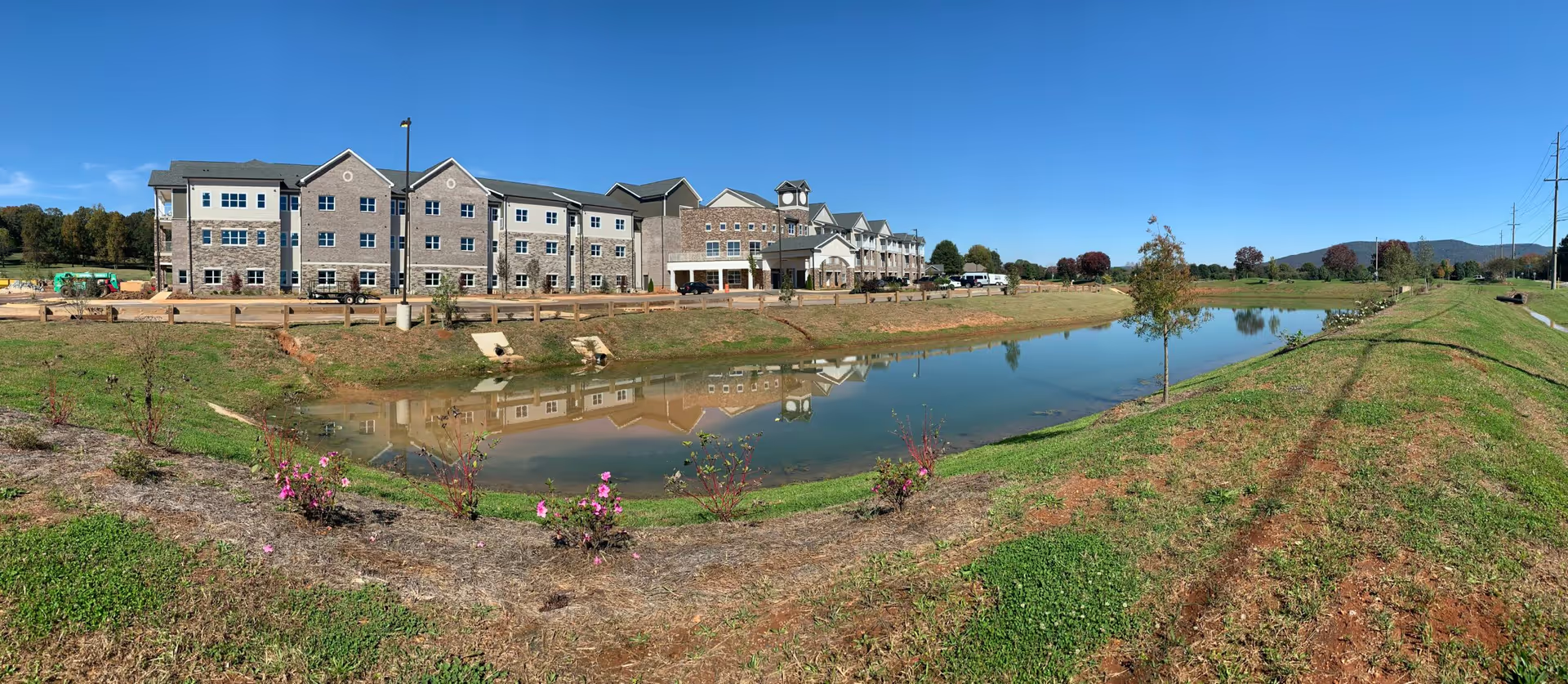
The reviews present a notably mixed picture. Many families describe strong rehabilitation outcomes, with physical therapists and rehab leadership singled out as effective, flexible, and encouraging. A number of reviewers praised nurses and CNAs for compassionate, attentive bedside care, individualized encouragement, and proactive coordination of appointments and transport. The facility itself is frequently described as clean, modern, and attractive, with private rooms and en-suite showers; some reviewers also called out pleasant dining areas, accessible parking, and available snacks.
Alongside those positives are recurring operational weaknesses. Medication timing and pain-management consistency emerged as a frequent concern, as did low staffing levels during nights and dining periods. Several families described delays in responding to call lights and in assisting with toileting and hygiene needs; relatedly, laundry and room-turnover processes were characterized as irregular. These issues coalesce into patterns of inconsistent day-to-day care continuity: adherence to prescribed therapy protocols was uneven in some accounts, and meal service quality and mealtime assistance (opening/portioning food, serving at appropriate temperature) were sometimes inconsistent.
Communication and management patterns are another recurrent theme. Reviewers described both proactive, transparent staff members and contrasting experiences of poor communication, disorganized management, and brusque conduct. There are reports of misplaced belongings and chaotic laundry handling that point to weaknesses in property and inventory controls. Activity programming for residents who need higher engagement or fall-risk–appropriate stimulation was described as limited or minimal by multiple families.
Taken together, the pattern suggests the facility is capable of delivering high-quality rehab and dignified care—particularly when therapy staff and certain nursing personnel are engaged—but that performance varies by shift and by specific teams. Prospective residents and families should weigh the strong rehabilitation track record and clean, modern setting against inconsistencies in staffing, medication administration, housekeeping/laundry, mealtime assistance, and communication. Those considering placement may wish to ask specific questions about night staffing levels, medication administration protocols, laundering turnaround, and activity programming, and to request references about recent stays that match their anticipated level of care. Finally, any serious clinical concerns described by families (including readmissions or significant clinical deterioration) should prompt direct discussion with facility leadership and review of care plans and oversight procedures prior to admission.